How to Get to Naoshima Island: Full Train & Ferry Guide
Key takeaways
- The standard route is train to Okayama Station, then a local train to Uno Port, then a short ferry to Naoshima.
- The ferry crossing itself takes only around 20 minutes, but door-to-door travel from Osaka or Kyoto runs roughly 3-4 hours.
- Ferries can be suspended in bad weather and get crowded during the Setouchi Triennale, so build in buffer time.
How to Get to Naoshima Island
Naoshima is reached by train to Okayama Station (岡山駅), followed by a short local train ride to Uno Port (宇野港), and then a ferry crossing of around 20 minutes to the island. There is no direct train or flight to Naoshima itself, so every route — whether starting in Tokyo, Kyoto, or Osaka — passes through Okayama as the main gateway.
This art island in the Seto Inland Sea, known for contemporary museums and outdoor installations, sits just off the coast of Honshu in Kagawa Prefecture waters but is most commonly accessed via Okayama Prefecture's port towns. Because the journey involves a train-to-ferry transfer, it helps to understand the full route before you set off, especially if you're traveling independently without reading Japanese.
The Basic Route at a Glance
- Take a shinkansen or regular train to Okayama Station.
- Transfer to the JR Uno Line (宇野線) bound for Uno Station (宇野駅), the last stop on the line.
- Walk a few minutes from Uno Station to Uno Port.
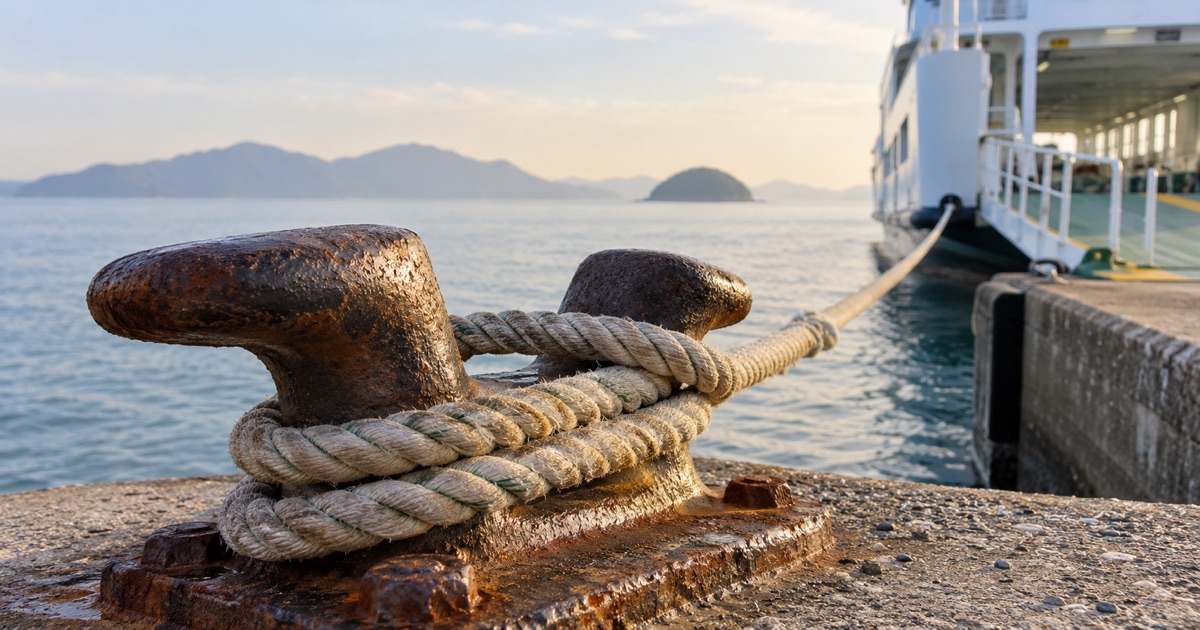
- Board a ferry bound for Miyanoura Port (宮浦港) on Naoshima.
The whole journey from Okayama Station to Naoshima typically takes a little over an hour including the walk and any wait for the ferry, though this varies with the connection.
Getting to Okayama Station First
From Tokyo
The fastest way is the Tokaido/Sanyo Shinkansen from Tokyo Station to Okayama Station, which usually takes around 3 to 3.5 hours depending on the train type. This is a long ride, so most visitors treat Naoshima as part of a multi-day western Japan itinerary rather than a single very long day trip from Tokyo. Those holding a Japan Rail Pass can use it for this journey; check current validity and coverage on the Japan National Tourism Organization site or the relevant JR operator page before traveling, as rules and pass types can change.
From Kyoto
From Kyoto Station, the Sanyo Shinkansen to Okayama Station takes roughly 45 minutes to just over an hour on the fastest services. This makes Naoshima a realistic, if fairly full, day trip from Kyoto, or a relaxed half-day start if you're staying overnight on the island.
From Osaka
From Shin-Osaka Station, the shinkansen to Okayama Station takes around 45 minutes to an hour. Osaka is arguably the most convenient base for a Naoshima day trip, since the total one-way travel time, including the ferry, often comes to around 2.5 to 3 hours.
For shinkansen timetables and route details, JR West and JR Central both operate sections of this corridor, so their official sites are good places to confirm current schedules and fares before you book.
We are working to carry Japanese craft and everyday culture beyond Japan, by building Japan Towns with local partners.
Read the Japan Town plan →From Okayama Station to the Ferry
Once at Okayama Station, look for signs to the JR Uno Line platforms. Local trains run at intervals of roughly 30 minutes to an hour depending on the time of day, so it's worth checking the schedule as soon as you arrive rather than assuming a train is about to leave. The ride to Uno Station takes approximately 45 to 50 minutes.
From Uno Station, Uno Port is an easy walk of about 5 to 10 minutes, well signposted in both Japanese and English. At the port, you'll find ticket counters for ferries to Naoshima. Tickets are usually bought on the spot rather than reserved in advance for foot passengers, though it's sensible to double-check this on the ferry operator's information if you're traveling during a busy period.
The ferry ride itself is short, generally around 20 minutes, and arrives at Miyanoura Port, the main entry point for most of the island's museums and facilities. Some sailings also serve Honmura Port on the island's other side, so check the destination written on your ticket or displayed at the counter before boarding.
Alternative Route via Takamatsu
Travelers coming from the Shikoku side, or those who want to combine Naoshima with a stop in Takamatsu (高松), can instead take a ferry from Takamatsu Port. This crossing takes longer than the Uno route, generally in the range of 50 minutes to an hour depending on the type of ferry, but it can be a convenient option if your itinerary already includes Takamatsu or if you're arriving from Shikoku rather than the Honshu mainland.
What to Bring and Common Mistakes
- Cash: Small ports and ferry counters do not always have reliable card payment, so carry enough Japanese yen for tickets and small purchases.
- A rough timetable check: Because local trains and ferries run far less frequently than shinkansen services, missing one connection can add 30 to 60 minutes to your trip. Check times for both the JR Uno Line and the ferry before you leave your hotel.
- Weather buffer: Ferry services can be delayed or suspended in poor weather, particularly typhoon season in late summer and early autumn. Build in flexibility if Naoshima is a tight add-on to a longer trip.
- Don't assume a direct ferry from major cities: There is no ferry directly from Osaka, Kyoto, or Tokyo; the train-to-port transfer is unavoidable.
- Festival crowds: During the Setouchi Triennale, held periodically across spring, summer and autumn sessions, ferries and the Uno Line trains can be considerably more crowded, and queues at the port can take time. If your visit coincides with the festival, allow extra time on both legs of the journey.
A Note on Day Trips vs. Staying Overnight
Given the total travel time, visitors coming from Osaka or Kyoto can realistically manage a long day trip, especially if starting early in the morning. From Tokyo, the distances involved make an overnight stay on or near the island, or at least in Okayama city, a more comfortable option so you're not spending the bulk of the day in transit. Whichever you choose, it's worth confirming the last ferry back to Uno Port in the late afternoon or evening, since missing it means an unplanned night on the island.
Before you travel, check current fares, timetables, and any service changes on official transport sites, since schedules for local trains and ferries are adjusted seasonally and can differ from what's published elsewhere.
FAQ
- Q. Can I get to Naoshima directly from Tokyo without changing in Okayama?
- A. No through train exists; all routes from Tokyo funnel through Okayama Station, where you transfer to a local train and then a ferry. A: There is no direct train or ferry from Tokyo, so Okayama Station is the unavoidable gateway whether you travel by shinkansen or overnight bus.
- Q. Is it faster to go via Takamatsu instead of Okayama?
- A. Yes, some travelers coming from Shikoku or using a Takamatsu stopover reach Naoshima by ferry from Takamatsu Port, which can be a good alternative depending on your route.
- Q. Do I need a reservation for the ferry to Naoshima?
- A. Reservations are generally not required for passengers on the regular Uno-Naoshima ferry, but it's worth checking the operator's site for current schedules, since sailings can be limited and vehicles do need booking.
Cite or share this article
Copy the link below. If you quote this article, please link to this page as the source.