When to Visit Kumano Kodo: Best Seasons and Weather
Key takeaways
- Spring (late March to May) and autumn (October to November) offer the best hiking temperatures and stable weather.
- The Kii Peninsula receives heavy rainfall year-round, so high-grade waterproof gear is mandatory in every season.
- Day trips from Osaka or Kyoto require an early start on the JR Kuroshio limited express train to Kii-Tanabe Station.
The best time to visit the Kumano Kodo (熊野古道) is during autumn from October to November, followed closely by spring from late March through May. These shoulder seasons offer comfortable walking temperatures, lower humidity, and more predictable trail conditions across the mountainous Kii Peninsula.
Seasonal Breakdown for Hiking the Kumano Kodo
Choosing the right time to hike this sacred UNESCO-listed pilgrimage network depends on your tolerance for heat, rain, and crowds. The Kii Peninsula is one of the wettest regions in mainland Japan, which feeds its dense mossy forests, giant cedar groves, and cascading waterfalls.
Spring: Late March to May
Spring brings fresh greenery and mild temperatures that generally hover between 12°C and 22°C during the day. Cherry blossoms bloom along lower valleys around early April, followed by vibrant mountain wildflowers along the trails.
May is one of the most pleasant months for extended walking because daylight hours lengthen significantly. However, late spring begins to see a rise in humidity and rainfall as the region transitions toward summer. If you travel during Japan's Golden Week holiday period in late April and early May, book all train seats and accommodations several months in advance.
Summer: June to August
Summer on the Kumano Kodo is hot, humid, and extremely wet. June and early July bring the rainy season (tsuyu), which can soak the mountain ridges with days of continuous downpours. Daytime temperatures frequently exceed 30°C, and the dense forest canopy traps intense humidity.
Leeches become active along damp sections of trails during wet summer weeks. Afternoon thunderstorms are common, and late summer falls squarely within the Pacific typhoon season. While lush moss and quiet trails appeal to experienced hikers, summer demands rigorous hydration and breathable, quick-drying clothing.
Autumn: September to November
Autumn is widely regarded as the premier hiking window on the Kii Peninsula. September still carries typhoon risks and lingering summer heat, but conditions improve rapidly by October.
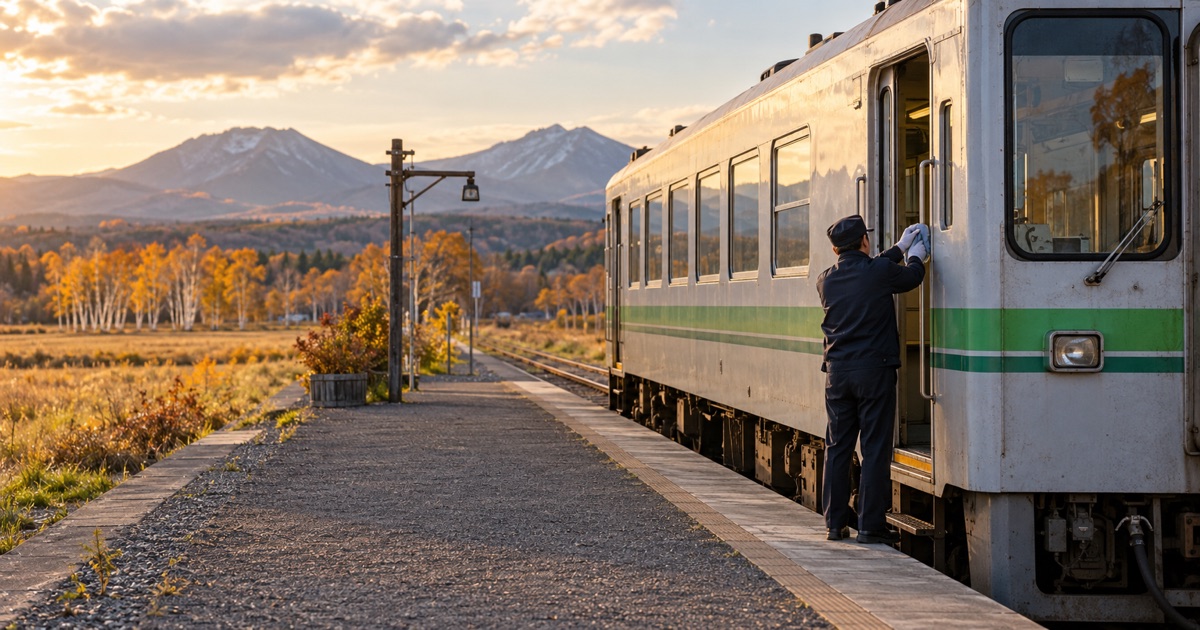
October and November deliver crisp air, daytime temperatures between 14°C and 20°C, and some of the clearest skies of the year. Deciduous trees change colour across the ridges, providing striking views against deep green evergreens. Because this is peak season, trail accommodations along the popular Nakahechi (中辺路) route fill up months ahead.
Winter: December to February
Winter is the driest season on the Kumano Kodo, offering bright sunshine and clear coastal views. Daytime temperatures along lower trailheads range from 8°C to 13°C, which makes for brisk, sweat-free walking conditions.
The main challenge in winter is the short daylight window, with the sun setting around 17:00. High-elevation passes such as the Ogumotori-goe (大雲取越) can drop below freezing and occasionally receive light dustings of snow or ice. Mountain bus services operate on reduced schedules, and some small guesthouses close for winter maintenance.
Understanding the Kii Peninsula Rain
No matter which month you choose, prepare for rain. Local proverbs state that it rains "thirty-five days a month" in parts of Wakayama and Mie prefectures. This precipitation creates the mystical mountain mist for which the Kumano Kodo is famous, but it also creates physical hazards.
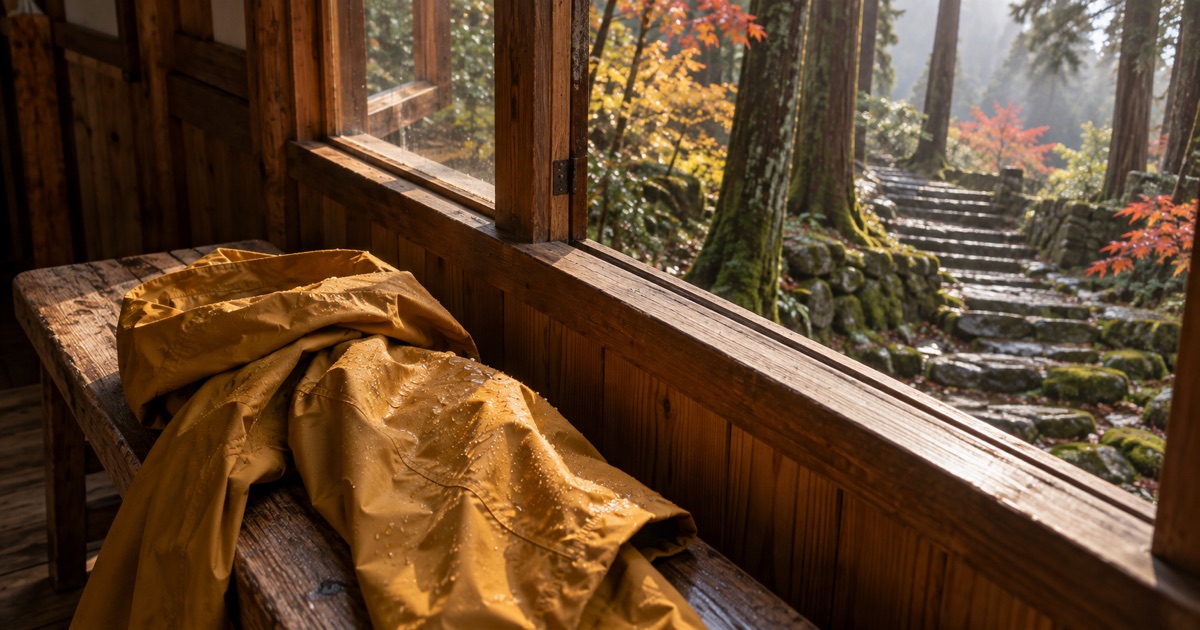
Cobblestones (ichirizuka) laid down centuries ago become treacherous when wet. Damp wooden steps and exposed tree roots turn slick within minutes of rainfall. A waterproof jacket with taped seams, sturdy rain pants, and waterproof hiking boots are non-negotiable pieces of equipment regardless of your travel date.
For broader nationwide weather patterns and travel safety notices, consult the Japan National Tourism Organization.

We are working to carry Japanese craft and everyday culture beyond Japan, by building Japan Towns with local partners.
Read the Japan Town plan →Reaching the Trailheads from Major Hubs
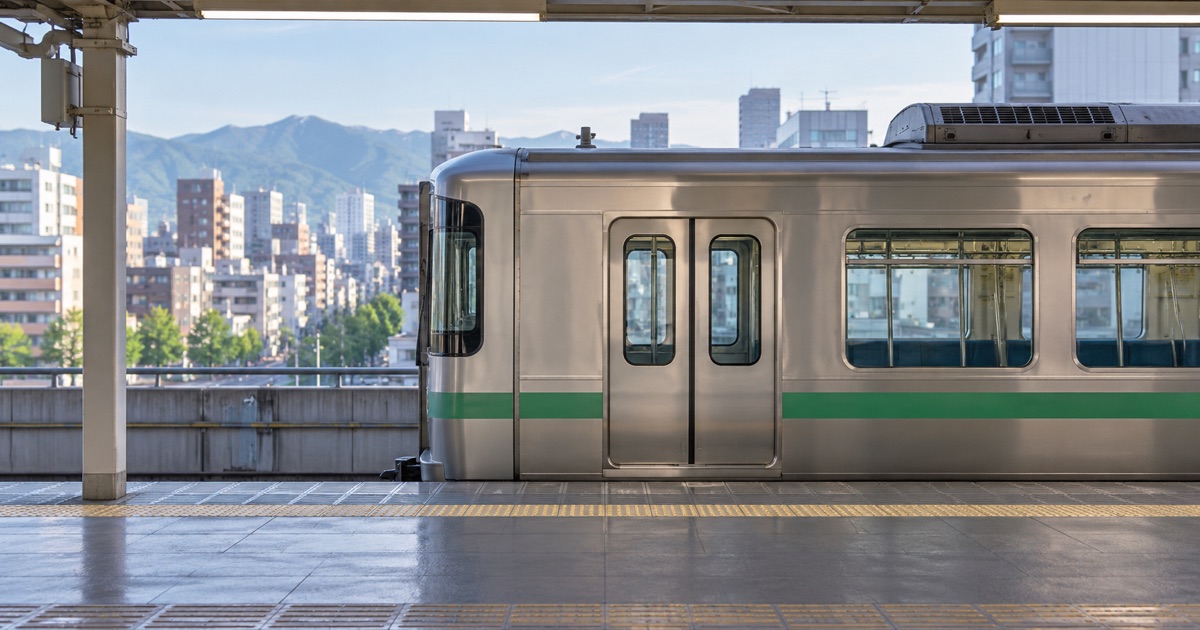
Most overseas hikers begin their journey along the Nakahechi Route, which traditionally starts at Takijiri-oji (滝尻王子). To access this gateway, you will travel by train to Kii-Tanabe Station (紀伊田辺駅) on the western coast of Wakayama Prefecture.
Starting from Osaka
- Board the JR Kuroshio limited express train (特急くろしお) at Shin-Osaka Station (新大阪駅) or Tennoji Station (天王寺駅).
- Ride the train directly to Kii-Tanabe Station, which takes roughly 2 hours to 2 hours and 15 minutes.
- Exit Kii-Tanabe Station and walk directly to the bus stops in front of the station exit.
- Board a local Ryujin Bus or Meiko Bus bound for Hosshinmon-oji (発心門王子) or Hongu Taisha-mae (本宮大社前), arriving at Takijiri-oji in about 40 minutes.
Starting from Kyoto
- Take the JR Tokaido-Sanyo Line local or rapid train from Kyoto Station (京都駅) to Shin-Osaka Station, which takes approximately 25 minutes.
- Transfer at Shin-Osaka to the JR Kuroshio limited express train bound for Shirahama or Shingu.
- Total travel time from Kyoto to Kii-Tanabe Station is around 2.5 to 3 hours.
Rail passes issued by JR West cover these routes, including the Kansai WIDE Area Pass. Check the official JR West website for current pass coverage maps, valid routes, and seat reservation rules.
Day Trip Feasibility
Completing a meaningful hike on the Kumano Kodo as a day trip from Osaka or Kyoto is entirely possible, provided you plan carefully and start before dawn.
Recommended Day Trip Itinerary: Hosshinmon-oji to Kumano Hongu Taisha
This 7-kilometre section of the Nakahechi route is the best option for day visitors. The path features gentle descents, paved country lanes, forest trails, and leads directly to Kumano Hongu Taisha (熊野本宮大社), one of the three grand shrines of Kumano.
- 06:30–07:30: Depart Shin-Osaka Station on the earliest JR Kuroshio service to Kii-Tanabe.
- 09:30–10:00: Arrive at Kii-Tanabe Station and catch the connecting morning bus toward Hongu.
- 11:30: Disembark at the Hosshinmon-oji bus stop.
- 11:30–14:30: Hike the picturesque 7-kilometre route down through traditional villages to Kumano Hongu Taisha.
- 14:30–15:30: Visit the grand shrine and walk down to Oyunohara (大斎原), the site of the giant torii gate.
- 16:00: Catch the return bus from Hongu Taisha-mae back to Kii-Tanabe Station.
- 18:00–20:30: Board the evening JR Kuroshio train back to Osaka.
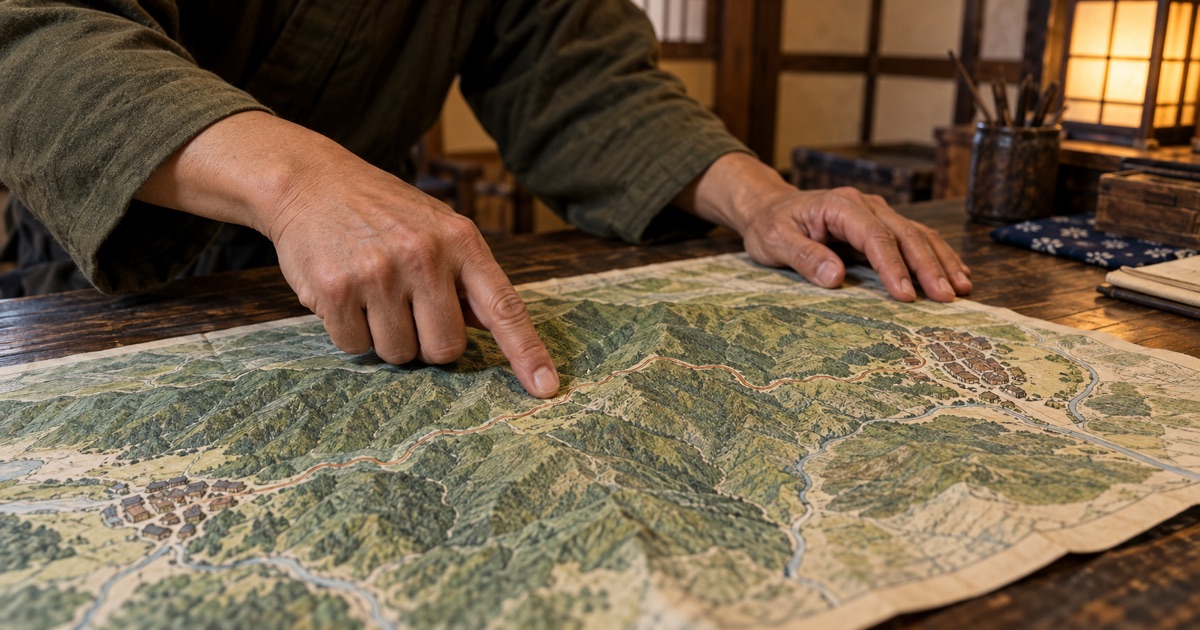
Bus connections run infrequently, often with gaps of one to two hours between departures. Missing your return bus from the mountain valleys can strand you without transport back to the rail network, so obtain a current printed timetable at the Tanabe City Kumano Tourism Bureau next to Kii-Tanabe Station before boarding your morning bus.
Essential Packing List
Mountain weather can shift rapidly from bright sunshine to heavy rain within an hour. Carrying the proper equipment prevents discomfort and hypothermia:
- Sturdy hiking boots or trail running shoes with deep tread, as flat-soled sneakers slip dangerously on wet cobbles.
- A breathable, seam-sealed waterproof jacket and rain pants rather than a cheap plastic poncho.
- Trekking poles with rubber tips to save your knees on steep stone staircases and uneven descents.
- A daypack lined with a waterproof cover or dry bags to protect your passport, transit passes, and electronics.
- Sufficient cash in Japanese yen, as buses, rural snack stands, and coin lockers rarely accept international credit cards.
- A fully charged mobile phone and portable battery bank, since trail navigation and timetable checking drain batteries quickly.
Common Mistakes to Avoid
Visitors often underestimate the logistics and physical demands of the Kumano Kodo. Avoiding these frequent travel errors ensures a smooth journey:
- Hikers often catch late morning trains from Osaka and run out of daylight on the trail.
- Travellers rely exclusively on transit smartphone apps without confirming rural bus connections, which change seasonally.
- Walkers attempt to tackle multi-day sections without advance reservations at the limited guesthouses (minshuku) in mountain villages.
- Visitors assume every trail section is a gentle stroll, neglecting the steep vertical ascents on older cobblestone passes.
- Hikers forget that convenience stores do not exist inside the deep valleys, leaving them without sufficient lunch supplies or trail snacks.
FAQ
- Q. What is the best month to hike the Kumano Kodo?
- A. October and November are generally considered the best months because of lower rainfall, mild temperatures, and colourful autumn foliage.
- Q. Can you hike the Kumano Kodo in the rain?
- A. Yes, light rain is common and creates atmospheric mist, but heavy rain can make stone paths extremely slick and cause bus cancellations.
- Q. Is winter too cold for hiking the Kumano Kodo?
- A. Winter brings crisp, clear days with low rainfall, but daylight hours are short and mountain passes can experience freezing temperatures or light snow.
Cite or share this article
Copy the link below. If you quote this article, please link to this page as the source.