Best Month to Visit Kawaguchiko for Mount Fuji Views
Key takeaways
- Late autumn through winter (November–February) gives the clearest, most reliable Mount Fuji views from Lake Kawaguchiko.
- Spring (April) brings the Fuji Shibazakura Festival but hazier mountain views and bigger crowds on weekends.
- Direct highway buses from Shinjuku Station take roughly 1 hour 45 minutes to 2 hours and are the simplest way in without a car.
Best Month to Visit Kawaguchiko
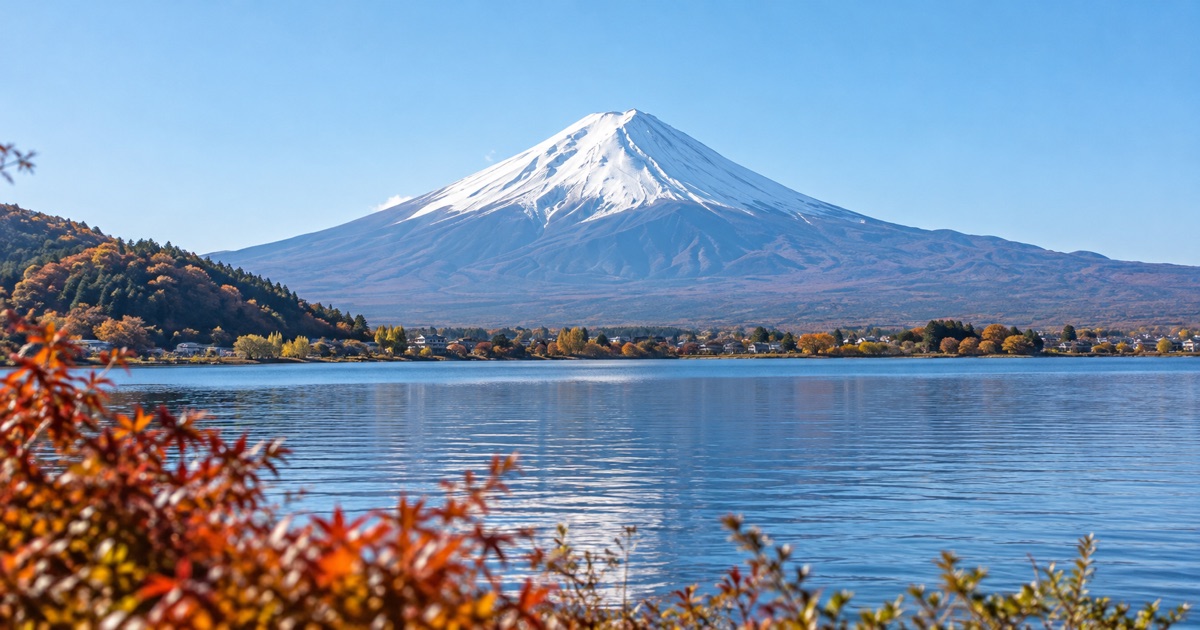
The best months to visit Kawaguchiko for clear views of Mount Fuji are late October through February, when cold, dry air keeps the sky free of summer haze. If your main goal is photographing the mountain reflected in the lake, aim for a weekday morning in December or January, when visibility is typically at its best.
That said, "best" depends on what you want from the trip. Someone chasing cherry blossoms or autumn colors will have a different ideal window than someone purely chasing a clear Fuji view. This guide breaks it down month by month so you can match the season to your priorities.
Where Kawaguchiko Is and How to Get There
Lake Kawaguchiko (河口湖) is one of the Fuji Five Lakes, located in Yamanashi Prefecture, roughly two hours from central Tokyo. Most independent travelers reach it from Shinjuku Station in Tokyo.
The simplest option is the direct highway bus from the Shinjuku Expressway Bus Terminal (busta新宿) to Kawaguchiko Station, which takes roughly 1 hour 45 minutes to 2 hours depending on traffic. Reservations are recommended, especially on weekends and holidays. Alternatively, you can take the JR Chuo Line or a limited express train toward Otsuki (大月) and transfer to the Fujikyu Railway line to Kawaguchiko Station; total travel time by train is usually a bit longer than the bus once you factor in the transfer. Check current routes and schedules on JR East before you go, since timetables and connections can change.
There is no need to rent a car. Once in Kawaguchiko, the Retro Bus and other local bus loops connect the station to the lakeside, ropeway, and nearby attractions.
We are working to carry Japanese craft and everyday culture beyond Japan, by building Japan Towns with local partners.
Read the Japan Town plan →Month-by-Month Guide
Winter (December–February): Best for Clear Mountain Views
Winter is widely considered the best season for seeing Mount Fuji clearly from Kawaguchiko. The air is cold and dry, and mornings in particular tend to offer sharp, unobstructed views of the snow-capped peak. This is also the season for "Diamond Fuji," when the sun appears to set directly behind the summit on certain dates — timing and visibility vary by year, so treat any specific date as approximate.
The trade-off is the cold. Daytime temperatures often hover a few degrees above or below freezing, and lakeside wind can make it feel colder. Bring a proper winter coat, gloves, and a hat if you plan to spend time outdoors around the lake. Some seasonal attractions may have reduced operating days in deep winter, so check official sites in advance.
Spring (March–May): Blossoms, but Hazier Skies
Spring brings warmer weather and the Fuji Shibazakura Festival, usually held from around mid-April to late May, when fields of pink moss phlox bloom with Mount Fuji as a backdrop. It's one of the most photographed scenes in the area and draws large crowds, particularly on weekends.
The downside is that spring haze often reduces Fuji's visibility compared to winter. You may get a beautiful flower photo with the mountain only partly visible, or obscured entirely on hazier days. If cherry blossoms are your priority, early-to-mid April is typically the window to check, though exact bloom dates shift year to year depending on weather.
Summer (June–August): Green Scenery, Least Reliable Fuji Views
Summer is the warmest and most humid season, and it's generally the least reliable time for seeing Mount Fuji from the lake area. Haze, clouds, and rain are common, especially during the rainy season in June and into early July. This is also when Mount Fuji's official climbing season typically runs, so if hiking the mountain itself is on your list, summer is the relevant season for that separate trip.
For Kawaguchiko itself, summer still has appeal: lush greenery, lake activities, and cooler evenings compared to Tokyo. Just set expectations that a clear mountain view is more of a bonus than a guarantee.
Autumn (September–November): A Strong Alternative to Winter
Autumn, especially from early-to-mid November, is a favorite season for many visitors because it combines colorful foliage with improving visibility as the air dries out. The Kawaguchiko Autumn Leaves Festival, typically held in early-to-mid November along the northern shore of the lake, is a popular draw with illuminated maple trees in the evening.
Late October and November days are cooler, so a light jacket is advisable, but the weather is generally more comfortable than deep winter. Many consider this the best overall balance of scenery, comfort, and Fuji visibility, though it's also one of the most crowded periods, so weekday visits are worth considering if your schedule allows.
What to Bring, Whatever Month You Choose
- Layers: Weather near the lake can differ noticeably from central Tokyo, and mornings are colder than afternoons in most seasons.
- A refillable water bottle and comfortable walking shoes, since many of the best photo spots involve some walking along the lakeside.
- A portable battery for your phone, as cold weather in winter can drain batteries faster.
- Cash in small denominations, since some smaller local shops and bus fare machines may not accept cards.
Common Mistakes First-Time Visitors Make
A frequent mistake is assuming Mount Fuji is visible every day; cloud cover can hide the mountain even on a day that otherwise looks clear from a distance. Checking a live Fuji view webcam or weather forecast the morning of your trip can help you decide whether to prioritize Kawaguchiko that day or save it for later in your itinerary.
Another common error is underestimating travel time and arriving late in the day, only to find the best viewing conditions were in the early morning. If a clear Fuji photo matters to you, consider staying overnight near the lake rather than attempting a single rushed day trip.
Finally, some visitors skip checking bus reservations during peak seasons like cherry blossom weekends or the autumn leaves festival, only to find seats fully booked. Reserve highway bus tickets a few days ahead during these periods when possible.
Planning Your Visit
There's no single universally "correct" month, but as a general rule: choose winter (December–February) for the clearest Fuji views, autumn (late October–November) for a strong mix of foliage and visibility, and spring (April) if the Shibazakura flower fields matter more to you than guaranteed mountain views. Summer is better treated as a lake-and-greenery trip than a Fuji-photography trip.
Before you travel, check current transport schedules and any seasonal closures on the Japan National Tourism Organization website, since bus timetables, festival dates, and facility hours can change from year to year.
FAQ
- Q. Can I see Mount Fuji from Kawaguchiko all year round?
- A. No. Mount Fuji is often hidden by haze or clouds in summer, while winter and late autumn mornings tend to offer the clearest views.
- Q. Is it better to visit Kawaguchiko in cherry blossom season or autumn leaf season?
- A. Both are popular and crowded, but autumn (mid-to-late November) generally pairs colorful foliage with clearer Fuji views than spring.
- Q. Do I need a car to visit Lake Kawaguchiko?
- A. No, Kawaguchiko is reachable by train or highway bus from Tokyo, and the local Retro Bus and Kawaguchiko Station area are walkable or served by local buses.
Cite or share this article
Copy the link below. If you quote this article, please link to this page as the source.