Best Time to Visit Yokohama: Seasonal Guide & Tips
Key takeaways
- Spring (late March to May) and autumn (October to November) offer the most comfortable weather for walking the bay.
- Summer brings lively port festivals and fireworks, but experiences intense heat, humidity, and occasional typhoons.
- Winter offers crisp, clear skies with prime views of Mount Fuji and elaborate evening holiday illuminations.
The best time to visit Yokohama is during autumn (October through November) and spring (late March through May), when temperatures are mild, rainfall is relatively low, and coastal walking is pleasant. For visitors hoping to see Mount Fuji (富士山) across Tokyo Bay or enjoy sparkling holiday illuminations, clear winter days from December to February are also an exceptional choice.
Located just south of Tokyo in Kanagawa Prefecture, Yokohama (横浜) is Japan's second-largest city. Because its primary highlights—such as the Minato Mirai 21 (みなとみらい21) waterfront, the historic Red Brick Warehouse (赤レンガ倉庫), Yamashita Park (山下公園), and Yokohama Chinatown (横浜中華街)—involve significant time outdoors along the bay, understanding seasonal conditions will help you make the most of your excursion.
Yokohama by Season: What to Expect
Spring: Cherry Blossoms and Harbor Breezes (March to May)
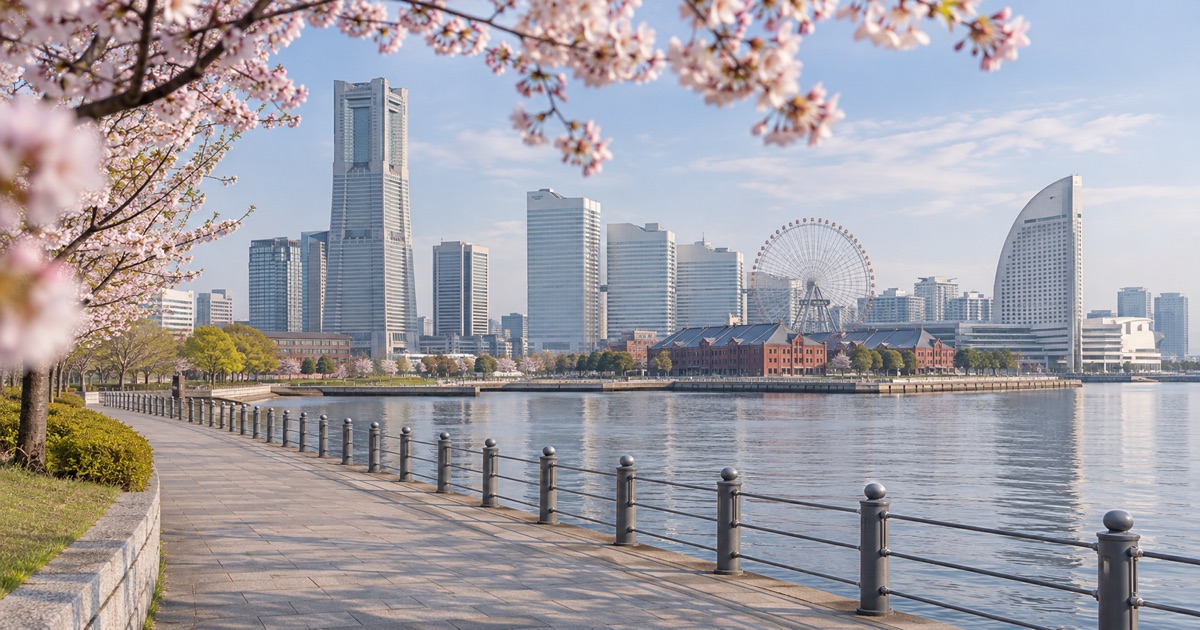
Spring brings comfortable daytime temperatures, typically ranging from 12°C to 22°C (roughly 54°F to 72°F). Cherry blossoms (sakura) usually bloom between late March and early April.
Key blossom spots include the tree-lined paths along the Ookagawa River (大岡川) and the traditional grounds of Sankeien Garden (三溪園). In April and May, the waterfront gardens at Yamashita Park burst into color with seasonal rose displays and flower festivals.
- Traveler tip: Spring weather can be changeable, with brisk sea breezes along the harbor. Carry a light windbreaker or layer a sweater over your daytime clothes.
Summer: Festivals, Fireworks, and Ocean Humidity (June to August)
Summer is energetic but demands stamina. Temperatures often hover around 28°C to 34°C (roughly 82°F to 93°F) alongside high humidity. June brings the rainy season (tsuyu), while July and August host vibrant harbor festivities, outdoor beer gardens at the Red Brick Warehouse, and summer fireworks.
- Traveler tip: Coastal heat feels intense during midday. Pace your walking, stay hydrated with drinks from street vending machines, and weave indoor stops—such as the Cup Noodles Museum (安藤百福発明記念館 横浜) or the Yokohama Museum of Art—into the hottest hours between noon and 3:00 PM.
Autumn: Clear Skies and Comfortable Exploration (September to November)
September can see late-summer heat and occasional typhoons, but by mid-October, Yokohama enters its most consistent travel window. Temperatures sit comfortably around 15°C to 23°C (roughly 59°F to 73°F).
Autumn foliage colors Sankeien Garden and the gingko-lined Nihon Odori (日本大通り) boulevard near the port in late November. The gentle bay breezes and low humidity make this season ideal for strolling between the harbor promenade and Chinatown's bustling food stalls.
- Traveler tip: If you plan to visit on autumn weekends or national holidays in November, book your Shinkansen or regional day trip logistics well in advance, as local crowds increase significantly.
Winter: Crisp Horizons and Night Illuminations (December to February)
Winter is generally dry, sunny, and cold, with daytime highs around 8°C to 12°C (roughly 46°F to 54°F) and evening temperatures dropping near freezing.
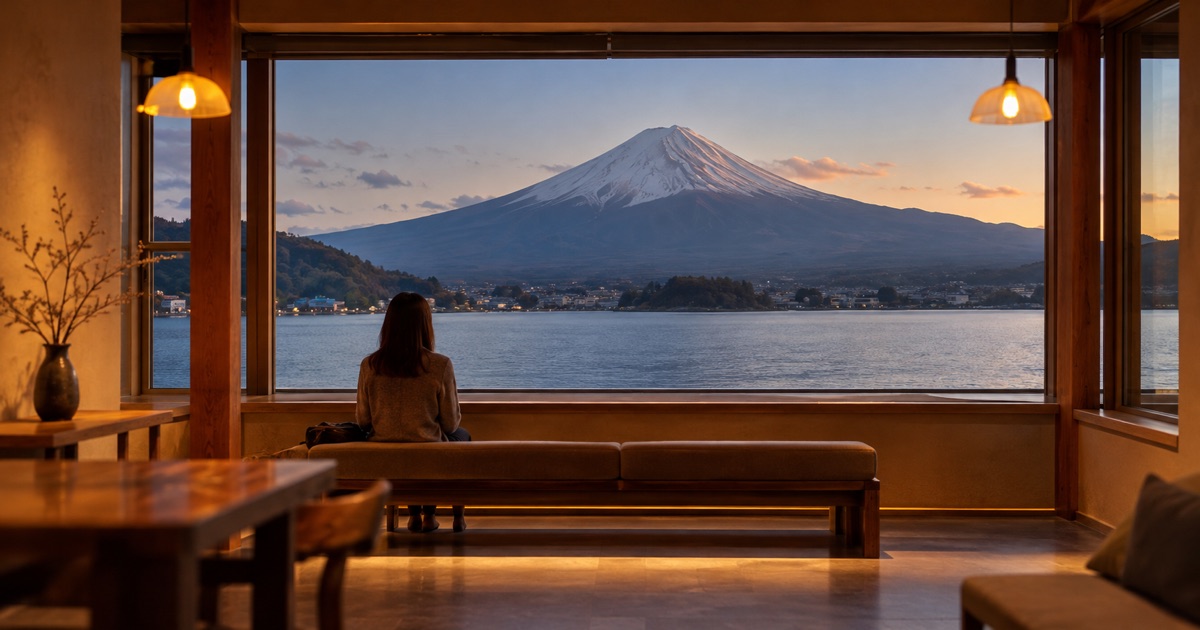
Because winter air is the clearest of the year, visitors have the highest likelihood of seeing Mount Fuji from observation spots like the Sky Garden atop the Yokohama Landmark Tower. Starting in late November, the entire Minato Mirai waterfront and the Red Brick Warehouse glow with elaborate Christmas markets and evening light displays.
- Traveler tip: Coastal winds make winter evenings feel substantially colder than inland Tokyo. Dress in warm layers, including a heavy coat, scarf, and gloves, if you plan to stay past dusk for the night views.
Recommended Booking and Planning Windows
- Peak Cherry Blossom Season (Late March to Early April): If your trip coincides with the blossom window, finalize your regional accommodation and train routing 3 to 4 months ahead.
- Autumn Foliage & Golden Week: The golden holiday week in early May and the peak foliage weeks of mid-to-late November see high foot traffic. Reserve special dining experiences or museum entry tickets roughly 1 month ahead where available.
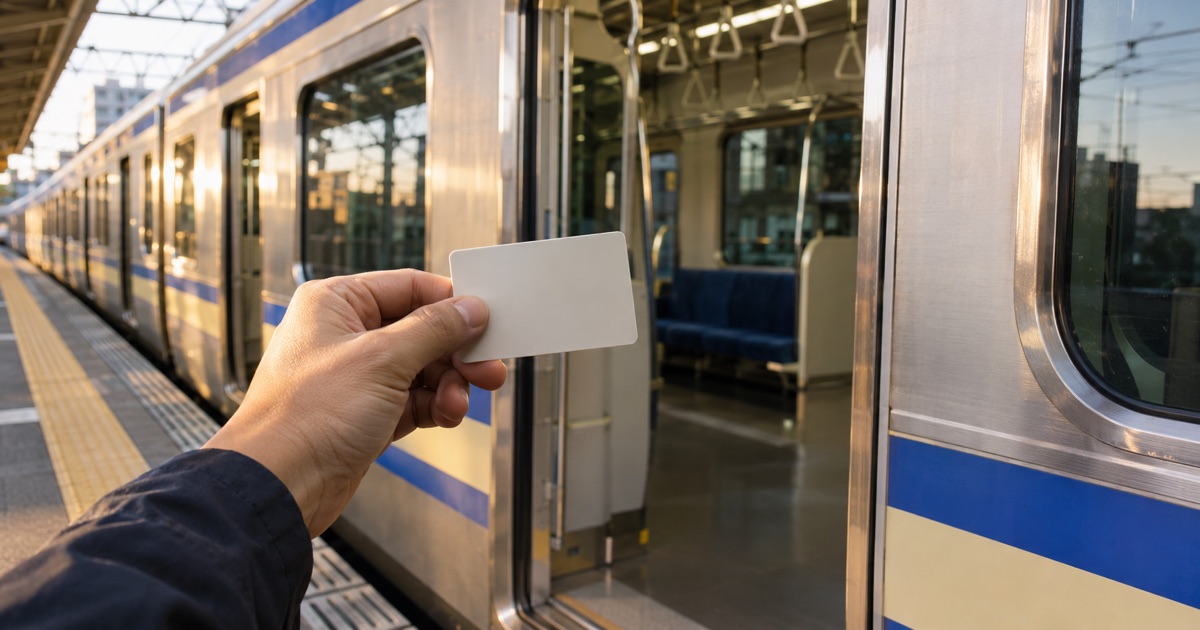
- Regular Weekdays: For off-peak weekday travel during winter or summer, advance booking for standard trains is not required; you can simply tap in with a transit card on your day of travel.

We are working to carry Japanese craft and everyday culture beyond Japan, by building Japan Towns with local partners.
Read the Japan Town plan →How to Get to Yokohama from Tokyo
Reaching Yokohama from central Tokyo is straightforward, fast, and does not require advance seat reservations on regular commuter lines.
Starting Points in Tokyo
- From Tokyo Station: Board the JR Tokaido Line (東海道線) or JR Yokosuka Line (横須賀線) to JR Yokohama Station. The journey takes approximately 25 to 30 minutes.
- From Shibuya Station: Take the Tokyu Toyoko Line (東急東横線). Most express trains run directly onto the Minatomirai Line (みなとみらい線), delivering you straight to stations like Minatomirai or Motomachi-Chukagai in about 35 minutes without needing a train change.
- From Shinjuku Station: Take the JR Shonan-Shinjuku Line (湘南新宿ライン) directly to JR Yokohama Station in around 35 minutes.
For route maps and schedule updates, consult the official JR East guide. If you are traveling using a national or regional train pass, check the Japan National Tourism Organization portal for rules regarding private lines like the Tokyu Toyoko Line, which require separate fares.
Step-by-Step Yokohama Day Trip Itinerary
Morning: Harbor Strolls and Garden Architecture
- Arrive at Motomachi-Chukagai Station (元町・中華街駅): Begin your day around 9:30 AM at the southern end of the waterfront district.
- Yamashita Park & Port Views: Walk through Yamashita Park, taking in the maritime views of the historic ocean liner Hikawa Maru moored along the pier.
- Optional Detour to Sankeien Garden: If you are visiting during spring or autumn, take a local city bus (roughly 15 to 20 minutes) from central Yokohama to Sankeien Garden to admire historical tea houses, pagodas, and seasonal foliage before returning to the port.
Midday: Street Food in Chinatown
Head inland two blocks to Yokohama Chinatown, the largest Chinatown in Japan with over 150 years of history.
- Walk down the main thoroughfares to sample freshly steamed pork buns (nikuman), pan-fried soup dumplings (shengjianbao), and sesame balls.
- Most food stands operate continuously from late morning until mid-evening.
Afternoon: Culture and Modern Waterfront
- Walk to Yokohama Red Brick Warehouse: Stroll northwest along the bay toward the restored Meiji-era brick warehouses, which house local boutiques, craft shops, and cafes.
- Cup Noodles Museum: Located across the street, this interactive museum lets visitors design custom ramen cups (timed admission tickets are recommended on weekends).
- Cosmo World & Yokohama Air Cabin: Experience the historic seaside carnival atmosphere, or ride the urban ropeway (Yokohama Air Cabin) connecting the canal area to JR Sakuragicho Station (桜木町駅).
Evening: City Lights and Observation Decks
- Sunset at Osanbashi Pier (大さん橋): The rooftop wooden deck of the international passenger terminal offers an uninterrupted 360-degree panorama of the Minato Mirai skyline.
- Landmark Tower Sky Garden: Head to the 69th-floor observatory inside the Yokohama Landmark Tower for dusk views. On crisp winter evenings, the city lights below are among the most famous urban landscapes in Japan.
- Return to Tokyo: Walk to JR Sakuragicho Station or Minatomirai Station to board your direct train back into Tokyo.
Practical Tips and Common Mistakes
- Mixing up train stations: Yokohama Station is a massive transit terminal, but it sits slightly north of the main sightseeing district. For direct access to the sights, take the Minatomirai Line directly to Minatomirai Station (for modern attractions) or Motomachi-Chukagai Station (for Chinatown and Yamashita Park).
- Underestimating coastal wind: Even on sunny days, the open sea breeze along the piers can make conditions noticeably colder than Tokyo. Bring an extra layer regardless of the season.
- Relying solely on cash or credit: While most shops in Minato Mirai malls accept major credit cards, smaller stalls in Chinatown and local buses prefer contactless IC cards (such as Suica or Pasmo) or Japanese yen cash. Ensure your transit card is pre-loaded before leaving Tokyo.
- Hours and Closures: Individual shops, museum exhibits, and observation decks adjust operating hours or schedule occasional maintenance days. Always verify current operating status on each venue's official website when finalizing your plans.
FAQ
- Q. How far is Yokohama from central Tokyo?
- A. Direct trains from major Tokyo hubs like Tokyo Station, Shibuya, or Shinagawa take roughly 25 to 40 minutes.
- Q. Can you see Mount Fuji from Yokohama?
- A. Yes, on clear, crisp days—especially during winter mornings—Mount Fuji is visible from high vantage points like the Yokohama Landmark Tower.
- Q. Is Yokohama worth visiting on a rainy day?
- A. Yes, Yokohama has extensive indoor attractions including the Cup Noodles Museum, indoor shopping complexes, and covered sections of Chinatown.
Cite or share this article
Copy the link below. If you quote this article, please link to this page as the source.