How to Get to Arashiyama: Trains
Key takeaways
- From Kyoto Station, the JR Sagano/San-in Line reaches Arashiyama (Saga-Arashiyama) in around 15-20 minutes.
- From Osaka, take a JR or Hankyu train to Kyoto first, then change to a local line toward Arashiyama.
- From Tokyo, ride the Tokaido Shinkansen to Kyoto Station (around 2-2.5 hours), then transfer to a local train.
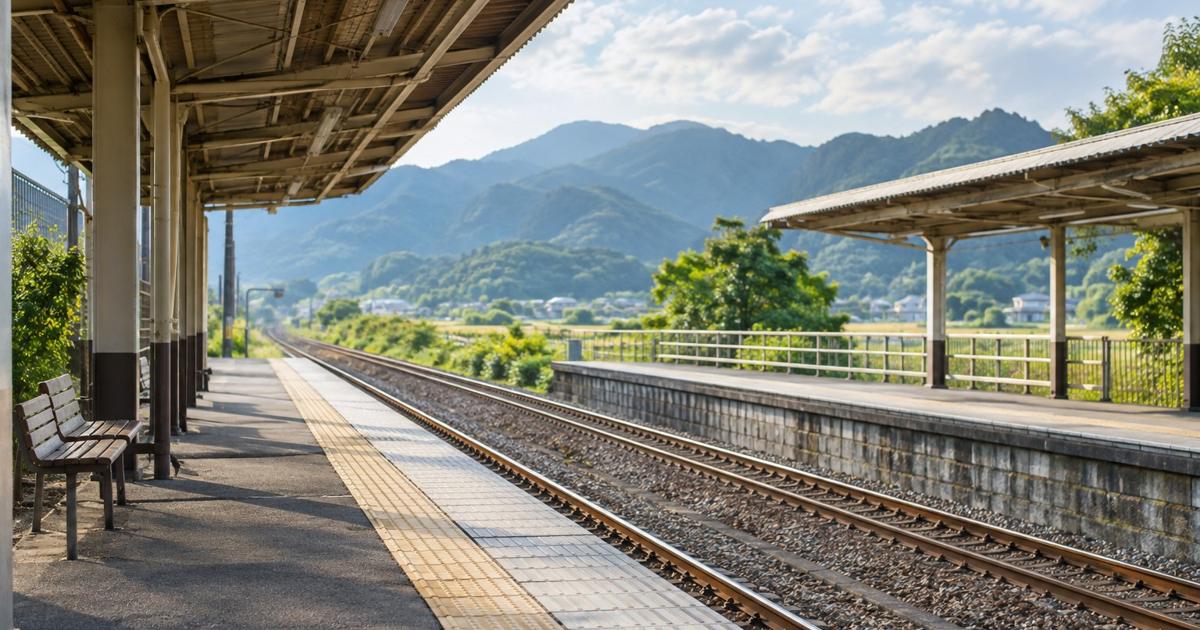
The easiest way how to get to Arashiyama is by taking the JR Sagano (San-in) Line train directly from Kyoto Station to Saga-Arashiyama Station, which takes about 15 to 20 minutes with no transfers. From Osaka or Tokyo, travel to Kyoto by train first before taking this short local route. Other options include the Keifuku Randen tram or the Hankyu Line.
あわせて読む:How to Get to Koyasan from Osaka, Kyoto and Tokyo/How to Get to the Nakasendo Trail from Tokyo or Kyoto/How to Get to Arashiyama Bamboo Grove: Complete Train Guide
How to Get to Arashiyama: Quick Answer
The easiest way to reach Arashiyama (嵐山) is by train from Kyoto Station, using the JR Sagano (San-in) Line to Saga-Arashiyama Station, a trip of roughly 15 to 20 minutes with no transfers. If you are coming from Osaka or Tokyo, you will first travel to Kyoto by train and then switch to a local line for the short final leg into Arashiyama.
Arashiyama sits on the western edge of Kyoto, known for its bamboo grove, the Katsura River, and nearby temples. Because it is a well-connected suburb rather than a remote destination, independent travel by train is straightforward even for first-time visitors who do not read Japanese.
Getting to Arashiyama from Kyoto Station
This is the starting point for most visitors, since almost everyone arrives in Kyoto via Kyoto Station first.
- From Kyoto Station, find the JR lines section of the station and look for the JR Sagano Line (also signed as the San-in Line), heading toward Saga-Arashiyama or beyond.
- Board a local or rapid train. Travel time to Saga-Arashiyama Station is typically around 15-20 minutes.
- From Saga-Arashiyama Station, it is a walk of roughly 10-15 minutes to the bamboo grove area and the riverside district, depending on your pace and exactly where you are headed.
An alternative is the Keifuku Randen tram line, which runs from Shijo-Omiya in central Kyoto to Arashiyama Station (a different station from the JR one, so don't confuse the two). The tram ride takes longer than the JR option, roughly 20-25 minutes depending on where you board, but it is a scenic, old-fashioned way to arrive and ends very close to the main sightseeing area.
A third option is the Hankyu Arashiyama Line, reached by changing at Katsura Station if you are coming from the Hankyu Kyoto Line. This suits travelers already using Hankyu trains, for example those connecting from Osaka.
Because there are three different "Arashiyama" stations run by three different companies (JR, Keifuku, and Hankyu), double-check which one your map or directions refer to, since they are a short but separate walk from one another.

We are working to carry Japanese craft and everyday culture beyond Japan, by building Japan Towns with local partners.
Read the Japan Town plan →Getting to Arashiyama from Osaka
There is no single direct train from central Osaka to Arashiyama, so the trip involves one change.
Via JR: From Osaka Station, take a JR Special Rapid or regular service on the JR Kyoto Line to Kyoto Station, a ride of around 30-45 minutes depending on the train type. At Kyoto Station, transfer to the JR Sagano Line as described above.
Via Hankyu: From Osaka-Umeda Station, take the Hankyu Kyoto Line toward Kyoto-Kawaramachi, but get off at Katsura Station and change to the Hankyu Arashiyama Line, which runs directly to Arashiyama Station. Total travel time is roughly 40-60 minutes including the transfer, though this varies by train type (limited express versus local).
Either route works well; the JR option is convenient if you plan to pass through Kyoto Station anyway, while the Hankyu route can be slightly cheaper and avoids the busier JR Kyoto Station transfer.
Getting to Arashiyama from Tokyo
From Tokyo, the standard route is the Tokaido Shinkansen to Kyoto Station, then a transfer to a local train for the final stretch to Arashiyama.
- From Tokyo Station, board a Tokaido Shinkansen bound for Shin-Osaka or Hakata, and get off at Kyoto Station. Journey time is roughly 2 to 2.5 hours depending on whether you take a Nozomi, Hikari, or Kodama service.
- At Kyoto Station, transfer to the JR Sagano Line for the 15-20 minute ride to Saga-Arashiyama Station, following the same steps outlined above.
Total door-to-door travel time from central Tokyo is typically around 3 to 3.5 hours including the transfer and some walking inside Kyoto Station. Reserved seats are not mandatory on the Shinkansen, but booking in advance is worth considering during busy seasons such as cherry blossom season or autumn leaf viewing, when trains can fill up. You can check current services and any seasonal reservation requirements on the JR Central website.
Which Rail Pass or Ticket Should You Use?
For a single day trip, most travelers simply buy individual tickets for each leg of the journey rather than a rail pass, since the distances involved are relatively short. If you already hold a Japan Rail Pass or a regional JR West pass for a longer multi-city itinerary, the JR Sagano Line and the Tokaido Shinkansen portions described above are typically covered, though pass rules and included lines can change, so confirm current validity and coverage on the JR West website before you travel. The Hankyu and Keifuku lines are private railways and are not covered by JR passes, so you would need separate tickets for those.
IC cards such as Suica or ICOCA can be used to tap in and out on JR, Hankyu, and Keifuku trains, which is often the simplest approach for a single day trip since you avoid working out exact fares in advance.
Common Mistakes to Avoid
- Confusing the three Arashiyama stations. JR Saga-Arashiyama, Keifuku Arashiyama, and Hankyu Arashiyama are all different stations run by different companies, a short walk apart. Check which one matches your planned route.
- Underestimating crowds. Arashiyama, especially the bamboo grove and the area near Togetsukyo Bridge, gets very busy during peak seasons and weekends. Arriving earlier in the day tends to mean fewer crowds, though this is not guaranteed.
- Forgetting cash or an IC card balance. While IC cards work on most relevant trains, it's worth keeping some cash as a backup, since ticket machines and top-up machines do not always accept every type of card.
- Assuming a direct train exists from Osaka or Tokyo. As noted above, a transfer is required in both cases.
What to Bring
A light jacket or layers, since Arashiyama involves some walking outdoors along the river and through the bamboo grove. Comfortable shoes are useful given the walking distances between stations and sights. An IC card (or a smartphone set up for mobile IC payment) makes the train transfers considerably easier than buying paper tickets at every stage.
Planning Your Visit
Because train schedules, fares, and pass conditions can change, it's worth checking official sources shortly before your trip. The Japan National Tourism Organization website is a useful general reference for transport and seasonal travel conditions across Japan, alongside the JR company sites linked above for specific route and timetable details.
FAQ
- Q. What is the fastest way to get to Arashiyama from Kyoto Station?
- A. Take the JR Sagano (San-in) Line directly from Kyoto Station to Saga-Arashiyama Station, a ride of roughly 15-20 minutes with no transfer needed, making it the simplest option for most visitors.
- Q. Can I get to Arashiyama directly from Osaka without going through Kyoto?
- A. There is no single direct train from central Osaka, so most travelers take a JR or Hankyu train to Kyoto Station or Katsura Station first, then transfer to a local train or the Hankyu Arashiyama Line.
- Q. Do I need a reserved seat ticket to reach Arashiyama from Tokyo?
- A. No reservation is required for the local trains around Kyoto, but the Tokaido Shinkansen from Tokyo to Kyoto can be busy, so booking a reserved seat in advance is a reasonable precaution during holidays.
Cite or share this article
Copy the link below. If you quote this article, please link to this page as the source.