Things to Do in Okinawa When It Rains: Indoor Ideas
Key takeaways
- Churaumi Aquarium and Shuri Castle are solid rainy-day options; both are reachable from Naha by bus or the Yui Rail monorail.
- Okinawa's rain often comes in short, heavy bursts, so a lightweight rain jacket beats an umbrella for walking between buses.
Things to Do in Okinawa When It Rains
When rain disrupts beach plans in Okinawa, the best options are indoor attractions such as Churaumi Aquarium, Shuri Castle's covered halls, shopping arcades in central Naha, and museums that can be reached by bus or monorail without a rental car. These choices let you keep a full day's itinerary even if the weather doesn't cooperate.
Okinawa's weather can change quickly, especially during the rainy season (tsuyu) in May and June, and during typhoon season roughly from June to October. Rather than treating rain as a lost day, it helps to have a short list of covered or indoor places that are realistic to reach using buses and the monorail from Naha, Okinawa's main hub city.
Start From Naha: Your Base for a Rainy Day
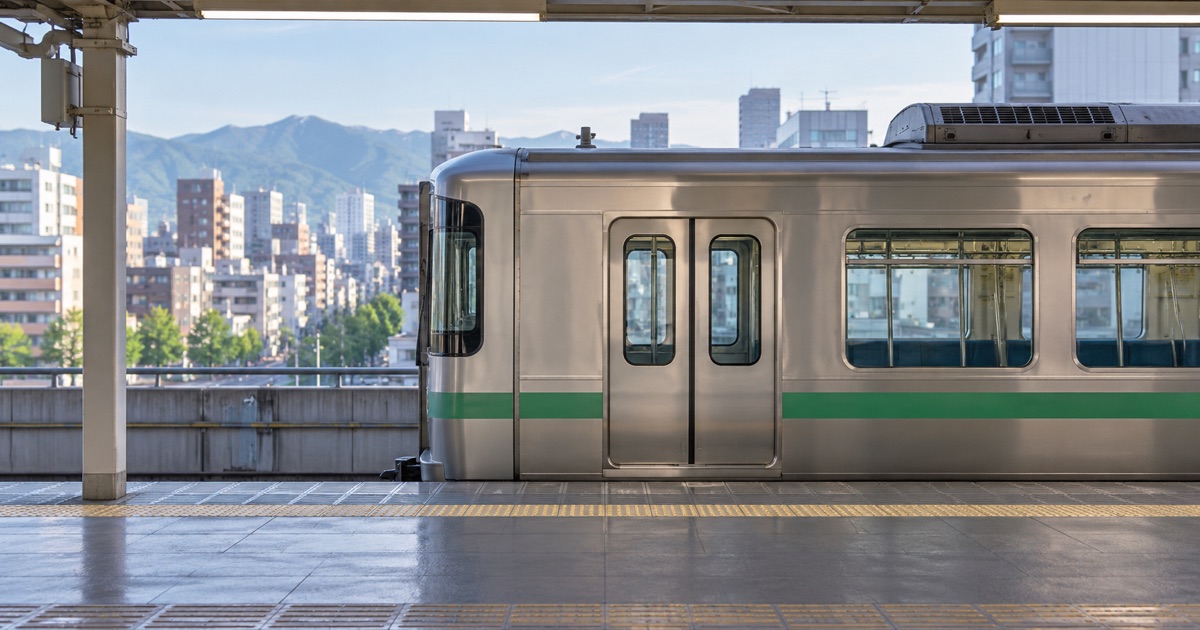
Most first-time visitors to Okinawa arrive at Naha Airport and stay somewhere along the Yui Rail monorail line, which runs from Naha Airport Station (那覇空港駅) through central Naha to Shuri Station (首里駅). This single monorail line is the backbone of car-free travel in the city, and several rainy-day options sit directly on or near it.
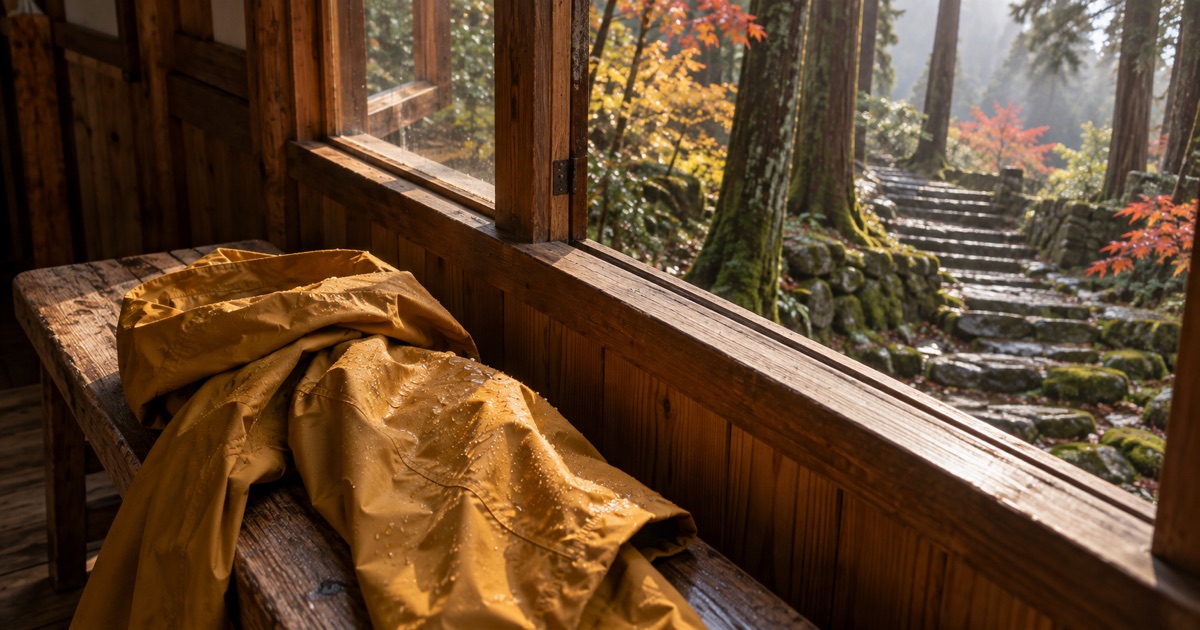
Before heading out, check the forecast and note that Okinawa's rain often arrives as short, intense downpours rather than steady drizzle. A compact rain jacket or poncho tends to work better than an umbrella, especially if you're walking between a bus stop and an attraction. Quick-dry clothing and a dry bag or ziplock for your phone and wallet are also worth packing, since humidity and sudden showers are common even outside the official rainy season.
Shuri Castle: Covered Halls and History
Shuri Castle (首里城), a former royal palace of the Ryukyu Kingdom, is one of Okinawa's signature historic sites and a reasonable rainy-day choice because much of the main hall and surrounding structures offer covered walkways and roofed buildings. It's roughly a 10 to 15-minute walk uphill from Shuri Station on the Yui Rail, or you can take a short taxi ride if the rain is heavy.
Keep in mind that the castle complex has had a history of fire damage and ongoing reconstruction work, so some areas may be closed or under scaffolding at any given time. Check official sources before visiting to confirm what's currently open, and don't expect every building to be accessible.
Churaumi Aquarium: A Full Day Indoors
Okinawa Churaumi Aquarium, located in Ocean Expo Park in the northern part of the main island, is one of the most popular indoor attractions on Okinawa and a natural choice for a rainy day, since the aquarium itself and much of the surrounding park has covered facilities.
Getting there without a car takes some planning. Highway buses run from Naha Bus Terminal (near Asahibashi Station on the Yui Rail) and from Naha Airport up to the Churaumi Aquarium area, with a journey of roughly two to two and a half hours depending on traffic and the specific route. Buy your ticket at the terminal or airport counter in advance if possible, since schedules can be infrequent compared to city buses. A common mistake is underestimating this travel time and trying to combine the aquarium with another far-flung stop on the same day — plan for most of a full day if you're relying on buses rather than a rental car.

Naha's Covered Shopping Streets
For a lower-commitment rainy-day option close to the city center, Naha has several shopping arcades with roofing that keeps most of the street dry even in heavy rain. Kokusai Dori (国際通り), Naha's main tourist street, has covered side arcades branching off it, including sections known for local crafts, snacks, and souvenirs. These are easy to reach on foot from Kenchomae Station or Makishi Station on the Yui Rail.
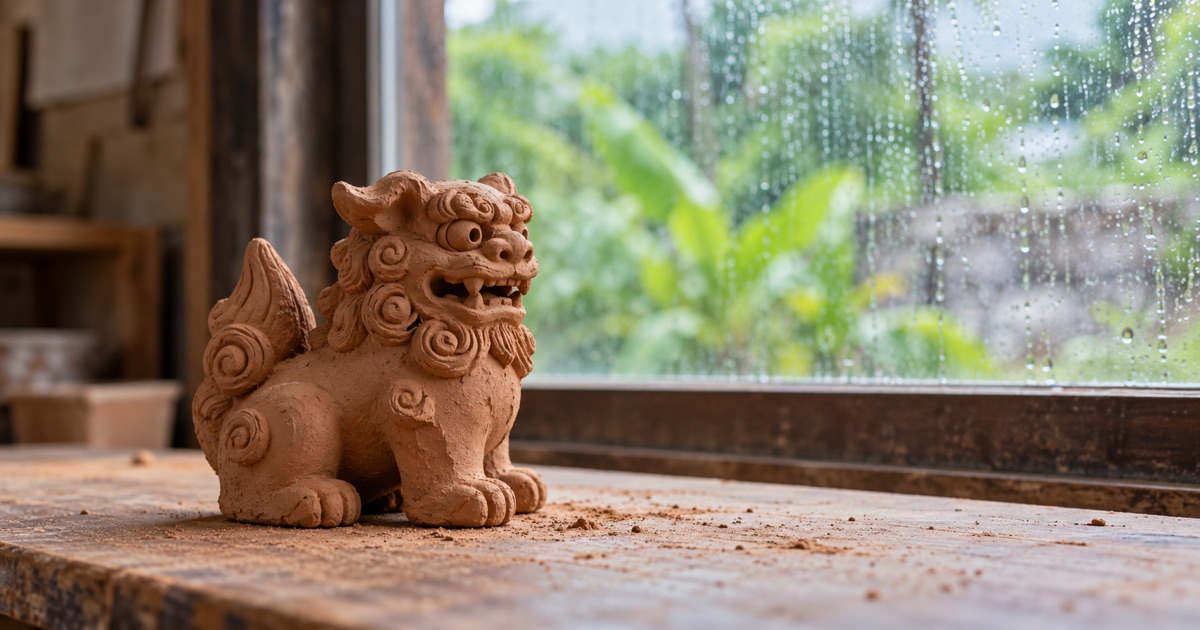
This is a good fallback for a few hours in the late afternoon or evening, when a rainstorm has already eaten into your sightseeing plans and you don't want to commit to a long bus ride. It's also a practical option for picking up souvenirs like Okinawan glassware, shisa figures, or local sweets without needing good weather.
Museums and Cultural Facilities
Naha and the surrounding area have a handful of museums that work well as rain backups, including prefectural history and art museums. The Okinawa Prefectural Museum & Art Museum, close to Omoromachi Station on the Yui Rail, combines exhibits on Ryukyu history and culture with contemporary art, and is almost entirely indoors. Opening days and hours vary and museums in Japan commonly close one day a week (often Monday), so check the official site before planning your visit around one.
A Few Practical Risks to Plan Around
Rain in Okinawa isn't always just inconvenient — it's worth being realistic about a few downsides rather than assuming everything will go smoothly:
- Typhoons can cancel transport outright. During typhoon season, ferries to outer islands and even some bus services may be suspended with short notice. If your itinerary depends on an inter-island ferry, build in a buffer day.
- Attractions can close for weather, not just rain. Strong wind warnings sometimes shut outdoor areas of parks or gardens even if rain alone wouldn't.
- Bus schedules outside central Naha are less frequent than city transport in Tokyo or Osaka, so a canceled or delayed bus can cost you an hour or more, not just a few minutes.
Given these risks, it's worth checking conditions the morning of your activity, not just the night before, and having a short list of two or three backup indoor options rather than one fixed plan.
Planning Ahead
Okinawa doesn't have the same dense rail network as Tokyo, Kyoto, or Osaka, so independent travel here leans more heavily on buses and the single monorail line. If you're coming from mainland Japan, flights to Naha are the standard way in — Okinawa is not connected by Shinkansen or conventional rail lines to the rest of the country. For broader planning and official updates on conditions, the Japan National Tourism Organization site is a reliable starting point, particularly for checking seasonal advisories before a trip during tsuyu or typhoon season.
With a short list of covered attractions and a realistic sense of bus travel times from Naha, a rainy day in Okinawa doesn't have to mean a wasted one — it just means shifting from beaches to castles, aquariums, and arcades for a few hours.
FAQ
- Q. What is the rainy season in Okinawa?
- A. Okinawa's rainy season, or tsuyu, typically runs from early May to mid-June, earlier than mainland Japan. Typhoons are also possible from roughly June through October, so check forecasts daily during a visit in these months.
- Q. Is Naha a good base for a rainy day in Okinawa?
- A. Yes. Most monorail stations, bus terminals, and several indoor attractions like Shuri Castle and shopping arcades are within or close to central Naha, making it easier to adjust plans on short notice.
- Q. Can I visit Churaumi Aquarium by public transport in the rain?
- A. Yes, express buses run from Naha Bus Terminal or Naha Airport to the aquarium area, taking roughly two to two and a half hours depending on traffic and route. Most of the aquarium itself is indoors.
Cite or share this article
Copy the link below. If you quote this article, please link to this page as the source.