Ultimate Sapporo Itinerary: 1 to 3 Days by Train
Key takeaways
- A 2-to-3-day Sapporo itinerary balances city sights like Odori Park with a coastal rail day trip to Otaru.
- Sapporo Station serves as the primary hub, connecting seamlessly via subway lines and JR Hokkaido train routes.
- Major attractions, food markets, and mountain viewpoints are easily reachable without renting a car.
An ideal Sapporo itinerary spans two to three days to cover the city's historic core, local food culture, and scenic day trips using public transit. Base yourself near Sapporo Station (札幌駅) to access subway lines and JR Hokkaido trains easily without renting a car.
Hokkaido’s capital is renowned for its spacious grid layout, vibrant food scene, and seasonal landscapes. Whether visiting during the snowy winter festival season or the cool summer months, this guide provides a structured, transit-focused plan for independent travelers who do not read Japanese.
Day 1: Central Sights, Historic Landmarks, and Night Views
The first day focuses on the heart of the city, easily explored on foot or via the Sapporo Municipal Subway lines.
Morning: Sapporo Station to Odori Park and the Clock Tower
Begin your day at Sapporo Station (札幌駅). Head south toward Odori Park (大通公園) either by walking through the underground passage known as Chi-Ka-Ho or by riding the Namboku Subway Line (南北線) to Odori Station (大通駅), which takes roughly two minutes.
- Sapporo Clock Tower (札幌市時計台): Built in 1878 as a drill hall for the Sapporo Agricultural College, this wooden structure is one of the city's oldest remaining Western-style buildings. Admission is around 200 yen. Check the official website for current opening details.
- Odori Park and Sapporo TV Tower (さっぽろテレビ塔): Walk one block south to Odori Park, a broad green corridor stretching across twelve blocks. At the eastern end stands the TV Tower, which features an observation deck overlooking the city and Mount Teine.
Afternoon: Fresh Seafood at Nijo Market and Tanukikoji
From the eastern end of Odori Park, walk about five minutes south to Nijo Market (二条市場). This historic market features vendors selling fresh Hokkaido seafood, including snow crab, sea urchin (uni), and salmon roe (ikura).
Order a kaisendon (seafood rice bowl) at one of the small market eateries. Expect bowls to cost roughly 2,000 to 4,500 yen depending on your seafood selection.
After lunch, stroll westward through Tanukikoji Shopping Street (狸小路商店街). This covered pedestrian arcade extends across seven blocks and is lined with souvenir shops, pharmacies, cafes, and specialized local stores. Because it is completely sheltered, it provides a comfortable walking route in any weather.
Evening: Susukino and Mount Moiwa
As evening approaches, head south into Susukino (すすきの), Hokkaido’s famous entertainment district. Stop by Ganso Ramen Yokocho (元祖ラーメン横丁), a narrow alley packed with ramen shops serving rich miso ramen, a dish that originated in Sapporo. A standard bowl generally costs between 900 and 1,400 yen.
After dinner, take in a panoramic night view from Mount Moiwa (藻岩山):
- From Susukino, board the Sapporo Streetcar (市電) to the Ropeway Iriguchi stop (ロープウェイ入口). The ride takes roughly 20 to 25 minutes.
- Board the free shuttle bus from the tram stop to the lower ropeway station.
- Ride the Mount Moiwa Ropeway and mini cable car to the summit observation deck. A round-trip ticket costs roughly 2,100 yen.
Check weather conditions and ropeway operating status before heading out, as service can pause during high winds.
Day 2: Beer History, Shiroi Koibito Park, and Shiroishi
The second day takes you beyond the central strip using the subway network.
Morning: Sapporo Beer Museum
From Sapporo Station's North Exit, board the local bus or take a 20-to-25-minute walk northeast to the Sapporo Beer Museum (サッポロビール博物館). Housed in a historic red-brick sugar factory from the Meiji era, it is Japan’s only museum dedicated to beer history.
- Admission to the self-guided gallery is free.
- A paid tasting lounge at the end lets visitors sample classic Sapporo drafts and Hokkaido-exclusive labels for a nominal fee (around 300 to 1,000 yen).
- Next to the museum is the Sapporo Beer Garden, where you can reserve lunch featuring Jingisukan (Genghis Khan), a popular local dish of grilled mutton and vegetables cooked on a domed metal skillet.
Afternoon: Shiroi Koibito Park
Head back to the subway and board the Tozai Line (東西線) westward to Miyanosawa Station (宮の沢駅), the line's final stop. From exit 5, walk roughly seven minutes to Shiroi Koibito Park (白い恋人パーク).
This theme-park-style facility is dedicated to Sapporo’s iconic confection: thin butter cookies sandwiching white chocolate. You can observe the factory production line, explore chocolate exhibits, and purchase boxed souvenirs. Premium admission tickets are generally around 800 yen.
Return to central Sapporo via the Tozai Line before the evening rush.

We are working to carry Japanese craft and everyday culture beyond Japan, by building Japan Towns with local partners.
Read the Japan Town plan →Day 3: Coastal Rail Day Trip to Otaru
No Sapporo itinerary is complete without a day trip along the coast. Otaru (小樽) is an atmospheric port town just northwest of Sapporo, famous for its preserved canal, stone warehouses, and glassworks.
Morning: Rail Journey along the Coast
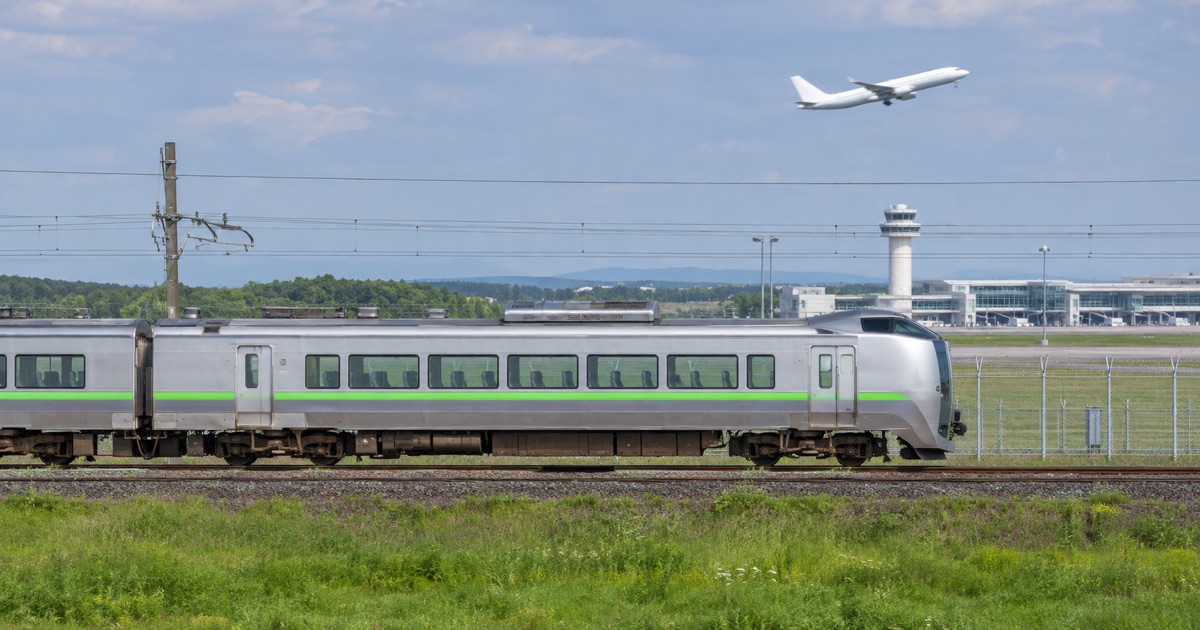
Board a JR Hakodate Line (函館本線) Semi-Rapid or Rapid Airport train from Sapporo Station to Otaru Station (小樽駅).
- Travel Time: Roughly 35 to 45 minutes on rapid services.
- Fare: Around 750 yen one way.
- Transit Tip: Sit on the right side of the train when departing Sapporo for coastal views of the Sea of Japan as you approach Otaru.
For train timetables and regional transit planning, consult the Japan National Tourism Organization.
Afternoon: Otaru Canal and Sakaimachi Street
From Otaru Station, walk straight down the central street for about ten minutes to reach the Otaru Canal (小樽運河). Walk along the paved path lined with gas lamps and restored brick warehouses that now house shops and cafes.
Next, walk eastward to Sakaimachi Street (堺町通り), a preserved historic shopping street. Key stops include:
- Kitaichi Glass (北一硝子): Browse handmade glassware inside historical stone buildings illuminated by petroleum lamps.
- Otaru Music Box Museum (小樽オルゴール堂): Located at the southern end of the street, this shop showcases thousands of intricate music boxes alongside an antique steam clock out front that chimes every 15 minutes.
- Sankaku Market (三角市場): Located right beside Otaru Station, this steep, narrow market is another great spot for fresh seafood bowls before boarding the return train.
Take a JR train back to Sapporo Station in the late afternoon or early evening.
Essential Transit and Practical Tips
Navigating Public Transit
- IC Cards: Major transit IC cards such as Suica, Pasmo, and local Kitaca work seamlessly across the Sapporo Subway, city trams, and JR Hokkaido trains.
- Subway One-Day Passes: If you plan on taking four or more subway rides in one day, look into a Subway 1-Day Ticket (available at automated ticket machines in all subway stations). On weekends and public holidays, a discounted "Donchika Pass" is often sold.
- Station Signs: Stations throughout Sapporo feature English signage, and subway lines are color-coded (Namboku is green, Tozai is orange, Toho is blue). Station exits are clearly numbered.
What to Bring and Common Mistakes
- Winter Footwear: From December through March, Sapporo’s streets are covered in hard-packed snow and hidden ice. Wear waterproof winter boots with deep rubber treads, or purchase slip-on ice grips (suberidome) at convenience stores or train station kiosks.
- Dressing for Indoor Heat: Sapporo’s trains, underground corridors, and shopping complexes are heavily heated in winter. Dress in layers that you can easily unzip or take off.
- Assuming Otaru Trains Run All Night: While trains between Sapporo and Otaru run frequently throughout the day, departures thin out late in the evening. Keep an eye on return schedules if staying for dinner in Otaru.
- Skipping Cash: While credit cards and IC cards are accepted at major stores and subway turnstiles, small market stalls in Nijo Market and ramen shops in Ganso Ramen Yokocho often require Japanese yen cash or tickets bought from cash-only vending machines.
Extending Your Trip
If you have additional days in Hokkaido, Sapporo serves as the central hub for further exploration by rail:
- Asahikawa (旭川): Reachable in roughly 1 hour and 30 minutes via JR Limited Express from Sapporo Station.
- Noboribetsu Onsen (登別温泉): Reachable in roughly 1 hour and 15 minutes by Limited Express to Noboribetsu Station, followed by a short local bus ride to the hot spring town. Train details can be verified via JR East, which partners on regional connections, or local Hokkaido rail portals.
Plan schedules conservatively during the winter months, as heavy snowfall can occasionally cause rail delays. Checking official transit websites on the morning of travel ensures a smooth trip.
FAQ
- Q. How many days are ideal for a Sapporo itinerary?
- A. Spending two to three days allows you to explore the central city sights and take an easy day trip to nearby Otaru.
- Q. Can you get around Sapporo without a rental car?
- A. Yes, Sapporo features an efficient subway network, trams, and frequent JR Hokkaido trains connecting to nearby towns.
- Q. What is the best base station for a Sapporo trip?
- A. Sapporo Station is the best base because it connects direct JR airport trains, regional rail lines, and two subway routes.
Cite or share this article
Copy the link below. If you quote this article, please link to this page as the source.