Walk Japan Nakasendo Way Reviews: What to Know Before You Go
Key takeaways
- Walk Japan's guided Nakasendo Way tour is consistently praised for knowledgeable guides and well-chosen inns, though it's a premium-priced small-group trip.
- Independent travellers can walk the same Magome-to-Tsumago section in about 2 to 3 hours using local trains from Nagoya.
- Book accommodation early if going independently, since the valley has limited beds in old post towns like Tsumago and Narai.
Walk Japan Nakasendo Way Reviews: The Short Answer
Walk Japan's guided Nakasendo Way tour is generally well reviewed, with past participants praising the guides' historical knowledge, the choice of traditional inns, and the small group sizes typical of the company's trips. It is a premium-priced tour rather than a budget option, so most negative feedback centers on cost rather than the quality of the experience. If you'd rather skip a guided tour altogether, the same core route — the preserved post towns of Magome (馬籠) and Tsumago (妻籠) — can be walked independently by train from Nagoya in a single day.
This article looks at both paths: what reviews of the guided tour tend to say, and how to do a similar walk yourself without a tour company.
What Is the Nakasendo Way?
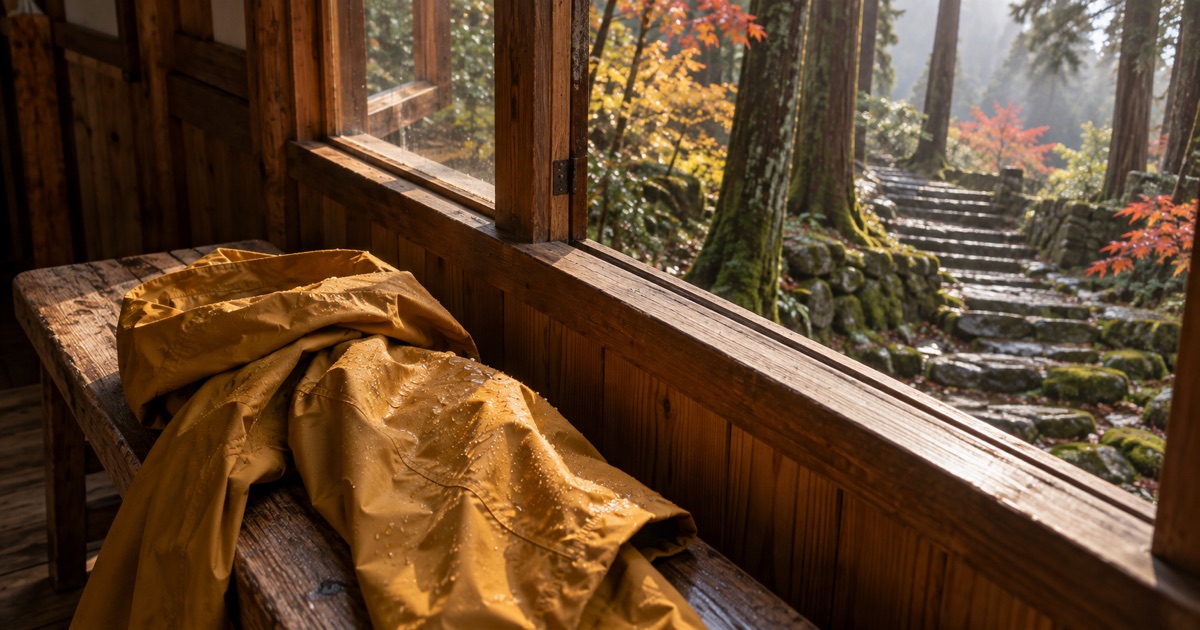
The Nakasendo (中山道) was one of the main roads connecting Edo (old Tokyo) and Kyoto during the Edo period, running through the mountains of central Japan rather than along the coast. Much of the original route is now paved road or has disappeared under modern infrastructure, but a few sections survive as stone-paved trails through forest, linking old post towns (shukuba, 宿場) that once served travelers and their horses.
The most famous surviving stretch runs through the Kiso Valley (木曽谷) in Nagano and Gifu prefectures, connecting towns like Magome, Tsumago, and further north, Narai (奈良井). These towns have retained (or carefully restored) their wooden buildings, lattice windows, and narrow streets, giving visitors a sense of what a Edo-era travel route looked like.

We are working to carry Japanese craft and everyday culture beyond Japan, by building Japan Towns with local partners.
Read the Japan Town plan →What Reviews of the Walk Japan Tour Generally Say
Walk Japan is a long-established tour operator running guided walking trips across Japan, including routes along the Nakasendo. Based on the general pattern of feedback found in travel forums and review sites, a few themes come up repeatedly:
- Guides are a strong point. Many reviewers specifically mention guides who can explain the history of the post towns, local customs, and the broader context of the Edo-period highway system — details an independent traveler without Japanese would likely miss.
- Accommodation is a highlight. The tours typically include stays at traditional ryokan or minshuku along the route, which reviewers often cite as a memorable part of the trip.
- It's not a budget trip. Guided multi-day walking tours in Japan, including this one, tend to cost significantly more than arranging the same route independently, since the price covers guiding, logistics, luggage transfer, and curated lodging.
- Physical demands are moderate. Reviewers generally describe the walking as manageable for people with an average fitness level, though some sections involve hills and uneven stone paths.
Because tour pricing, itineraries, and inclusions change over time, check the operator's own website directly for current details rather than relying on older reviews.
Walking the Nakasendo Independently: The Magome–Tsumago Route
For travelers who don't want a guided tour, the Magome-to-Tsumago walk is the most accessible way to experience the Nakasendo. It's well signposted in English, doesn't require a guide, and can be done as a long day trip.
How to Get There
Most independent travelers start this trip from Nagoya Station, which is on the Tokaido Shinkansen line connecting Tokyo, Kyoto, and Osaka.
- From Nagoya Station, take a limited express or local train on the JR Chuo Line toward Nakatsugawa (中津川) — roughly 1 to 1.5 hours depending on the train.
- From Nakatsugawa Station, take a local bus to Magome (馬籠) — around 25 to 30 minutes.
- Walk from Magome to Tsumago — roughly 8 km, typically taking 2 to 3 hours at a relaxed pace, including stops.
- From Tsumago, take a local bus back to Nagiso Station (南木曽駅), then a JR Chuo Line train back toward Nagoya or on to your next destination.
Check current train and bus schedules before you go, since timetables can change and buses in rural areas may run infrequently. The JR Central website is a useful starting point for Shinkansen and Chuo Line information.
What to Bring
- Comfortable walking shoes with good grip — the trail includes stone pavement, dirt paths, and some inclines.
- A light backpack; there are rest stops and occasional vending machines, but options for food and drink along the trail itself are limited.
- Cash, since small shops and bus fare machines in rural areas may not accept cards.
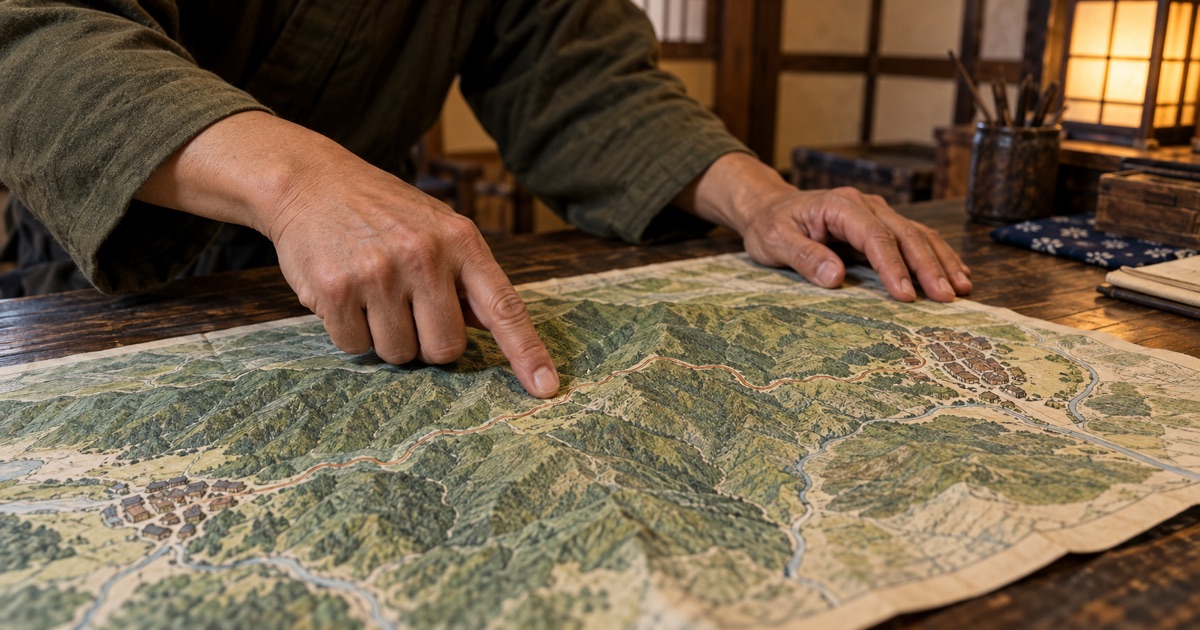
- A paper map or offline map saved on your phone, as mobile signal can be patchy in parts of the valley.
Common Mistakes to Avoid
- Underestimating bus frequency. Local buses to and from Magome and Nagiso don't run constantly; check the schedule in advance so you're not stranded.
- Starting too late in the day. Begin the walk by late morning at the latest, especially outside summer when daylight hours are shorter.
- Assuming luggage forwarding is automatic. Some travelers mail or forward larger bags ahead using a delivery service (takkyubin) rather than carrying them on the walk; this needs to be arranged in advance at a hotel or convenience counter, not improvised on the day.
- Skipping Tsumago's main street too quickly. It's worth allowing time to walk the town itself, not just rush to the next bus.
Guided Tour or Independent Walk: Which Should You Choose?
If you want historical context explained in detail, don't want to manage train and bus timetables yourself, and are comfortable with a higher price point, a guided tour from an operator like Walk Japan suits that preference. If you're confident navigating Japanese trains and buses, enjoy planning your own route, and want to keep costs down, the independent Magome–Tsumago walk covers the most scenic and historically rich section of the trail without a tour.
Either way, the Nakasendo offers something different from Japan's more famous day trips: a quiet, walkable link to the country's pre-railway past, set in a valley that still feels removed from modern city life. For broader travel planning resources, the Japan National Tourism Organization site is a reliable starting point for transport passes and regional information.
FAQ
- Q. Is the Walk Japan Nakasendo Way tour worth the price?
- A. Reviewers generally rate it highly for guide quality, small group sizes and historical context, but it sits at the premium end of guided walking tours in Japan. Whether it's "worth it" depends on your budget and whether you prefer a fully organized trip over planning independently.
- Q. Can I walk the Nakasendo Way without a tour?
- A. Yes. The most popular stretch, between Magome (馬籠) and Tsumago (妻籠), is well-marked, roughly 8 km, and doable independently in about 2 to 3 hours. Longer multi-day sections require more planning around luggage and accommodation.
- Q. How do I get to the start of the Nakasendo Way from Tokyo or Kyoto?
- A. Most independent walkers begin from Nagoya, reachable by Tokaido Shinkansen from both Tokyo and Kyoto, then transfer to local trains and buses toward Nakatsugawa (中津川) or Nagiso (南木曽).
Cite or share this article
Copy the link below. If you quote this article, please link to this page as the source.