Best Month to Visit Naoshima: A Season-by-Season Guide
Key takeaways
- Spring (April-May) and autumn (October-November) offer the most comfortable weather for walking around the island's art sites.
- Summer brings heat, humidity and occasional typhoons, but also longer ferry hours and lively beach scenes near Tsutsuji-so.
- Winter is quiet with thinner crowds and good museum conditions, though some facilities reduce hours or close for maintenance.
Best Month to Visit Naoshima
The best months to visit Naoshima are April, May, October and November, when mild temperatures and lower humidity make walking between the island's museums and outdoor art genuinely enjoyable. These shoulder-season months also tend to bring clearer skies, which matters on an island where much of the experience happens outdoors, between ferry ports and hillside galleries.
That said, Naoshima can work at almost any time of year if you plan around the weather. Below is a season-by-season breakdown to help you pick dates and know what to expect.
Why Spring and Autumn Stand Out
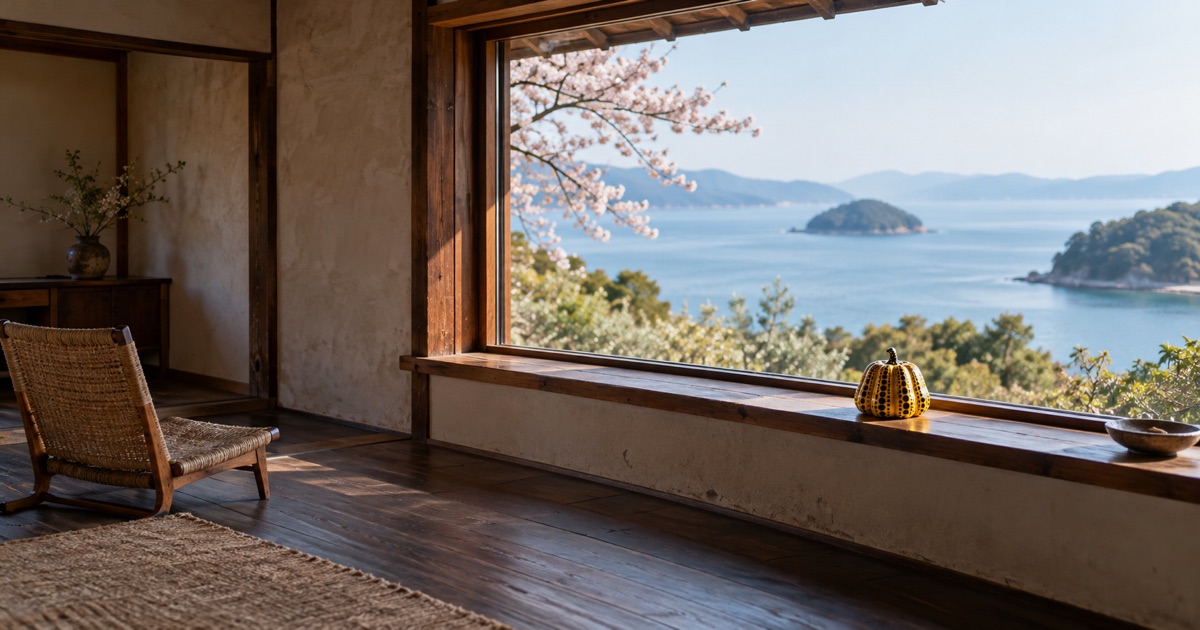
Spring, roughly April through May, brings comfortable daytime temperatures and relatively low rainfall before Japan's rainy season (tsuyu) arrives in June. Fresh greenery around the Chichu Art Museum and Benesse House grounds adds to the scenery, and the walk between the Miyanoura (宮浦) and Honmura (本村) areas feels pleasant rather than exhausting.
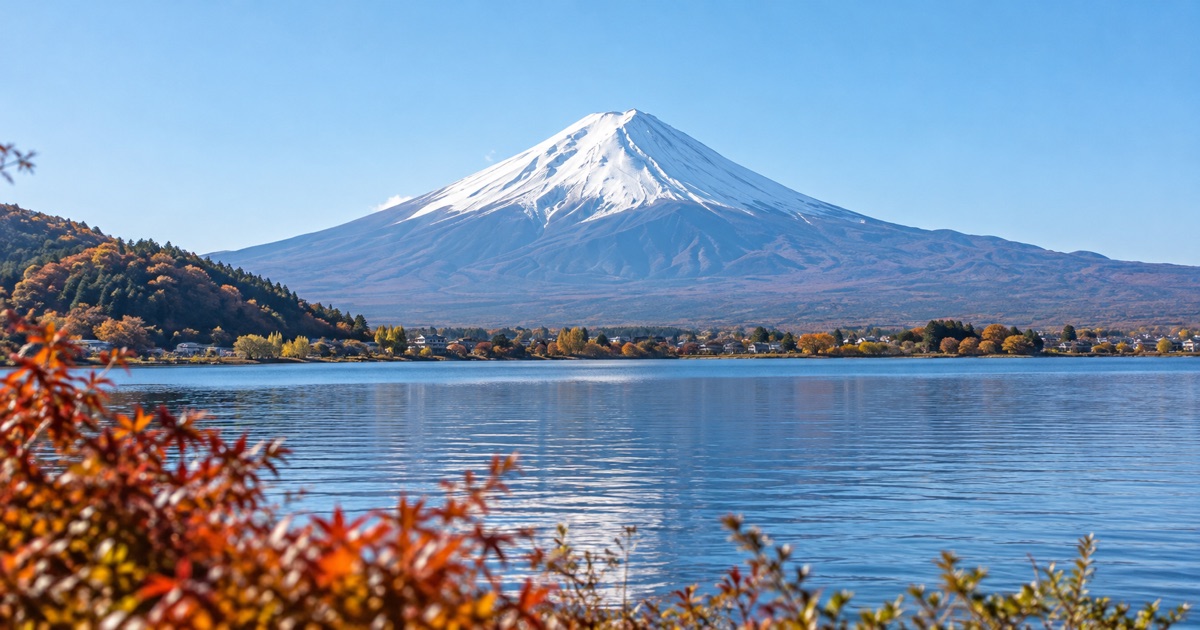
Autumn, roughly October through November, offers similar advantages: dry air, cooler temperatures, and often some autumn color in the island's hills. Both seasons avoid the most intense heat of summer and the occasional disruption of typhoon season, which can affect ferry schedules in late summer and early autumn.
Because these months are popular with both domestic and international travelers, expect moderate crowds at well-known spots like the Chichu Art Museum and the Yayoi Kusama pumpkin sculptures. Booking timed-entry tickets in advance, where required, becomes more important during these peak windows.
We are working to carry Japanese craft and everyday culture beyond Japan, by building Japan Towns with local partners.
Read the Japan Town plan →Summer: Hot, Humid, but Lively
June brings the rainy season, with frequent rain and high humidity across the Seto Inland Sea region. July and August turn hot and humid, with temperatures that can make extended outdoor walking tiring, especially around midday. On the plus side, summer often means longer daylight hours and, in some years, extended evening access at certain sites, along with a beach atmosphere near Tsutsuji-so on the island's southern coast.
Typhoon season typically runs from around August into October, and storms can disrupt or cancel ferry services with little notice. If you travel in this window, build flexibility into your schedule and check ferry operator announcements the day before you travel.
Winter: Quiet and Comfortable Indoors
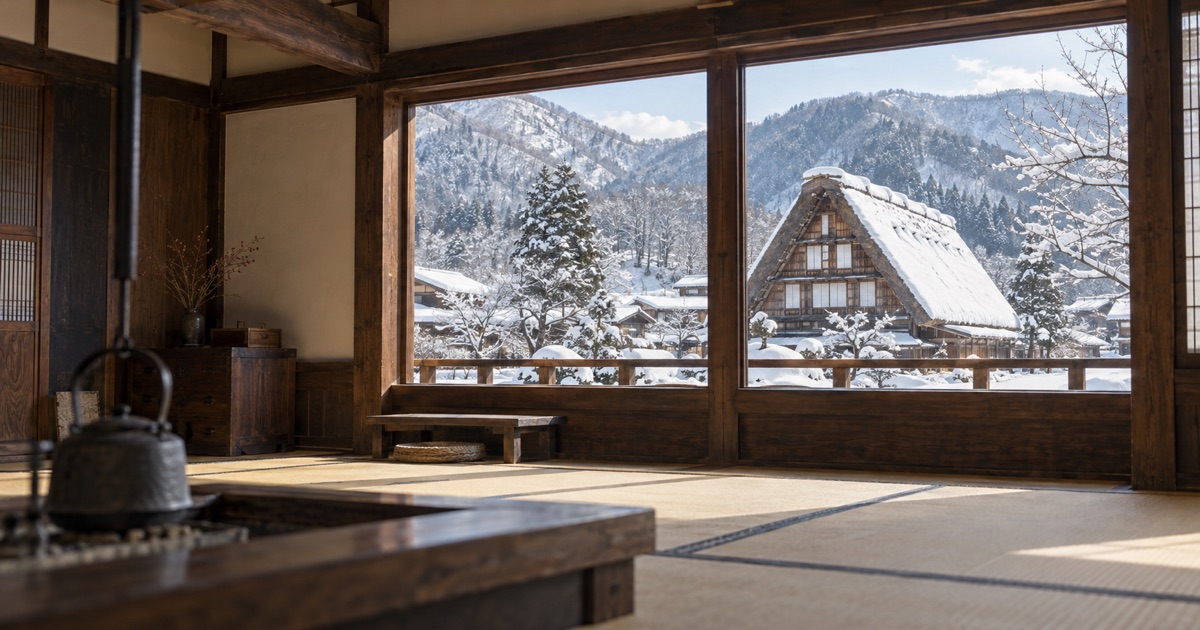
December through February is Naoshima's quietest season. Winters in this part of Japan are mild compared to northern regions, though sea winds can feel cold while waiting for ferries. Crowds thin out considerably, which means shorter queues at museums and a calmer pace overall.
The trade-off is shorter daylight hours and the possibility that some facilities reduce their operating days or close temporarily for maintenance in winter. Always check official sites before finalizing a winter itinerary, since hours and closures can change with little warning.
The Setouchi Triennale Factor
Naoshima is one of the main venues for the Setouchi Triennale, a large contemporary art festival held across several Seto Inland Sea islands in specific years, typically divided into spring, summer and autumn sessions. During Triennale periods, the island draws significantly larger crowds, ferries run fuller, and accommodation on Naoshima and nearby Uno (宇野) fills up well in advance.
If your goal is a quieter visit with shorter lines, it may be worth avoiding Triennale dates. If you specifically want to see festival-only installations and a livelier atmosphere, traveling during the Triennale can be worthwhile, but plan transport and lodging far ahead of time.
How to Get to Naoshima by Train and Ferry
Most independent travelers reach Naoshima by combining a train journey with a short ferry crossing. The typical route starts from Okayama Station (岡山駅), a major stop on the Sanyo Shinkansen line reachable from Osaka, Kyoto or Tokyo.
- From Okayama Station, take a local JR train on the Uno Line (宇野線) to Uno Station (宇野駅). This local ride takes roughly 50-60 minutes.
- From Uno Port, a short ferry crosses to Miyanoura Port (宮浦港) on Naoshima, usually taking around 15-20 minutes.
- Alternatively, some travelers connect via Takamatsu (高松) on Shikoku, which also has ferry service to Naoshima, useful if you're combining the trip with a Shikoku itinerary.
Check current train and ferry timetables before you travel, since schedules can change seasonally and services may reduce on weekdays or in winter. The Japan National Tourism Organization site is a reliable starting point for planning, and JR West covers Shinkansen and local train services to Okayama.
Practical Tips for Any Season
Bring cash. Some ferry ticket counters, small shops and even a few museum facilities on the island may not accept cards, so carry enough yen for the day.
Wear comfortable shoes. Distances between ports, museums and the Honmura art houses involve real walking, often on slopes, and rental bicycles are popular but not always available in large numbers, especially during peak seasons.
Check museum reservation rules. The Chichu Art Museum and some other venues sometimes require advance, timed-entry tickets, particularly in busy months. A common mistake is arriving without checking this and finding same-day entry unavailable.
Watch the last ferry time. It's easy to lose track of time while island-hopping between sites, and missing the final ferry back to Uno or Takamatsu can mean an unplanned overnight stay. Confirm the last departure as soon as you arrive.
Pack for sun and rain. Even in shoulder seasons, weather on the Seto Inland Sea can shift quickly. A light rain jacket and sun protection cover most conditions from spring through autumn.
A Quick Seasonal Summary
- Spring (April-May): Comfortable temperatures, moderate crowds, good scenery.
- Early summer (June): Rainy season; fewer crowds but frequent rain.
- Mid-to-late summer (July-August): Hot and humid, lively atmosphere, occasional typhoon risk.
- Autumn (September-November): Typhoon risk tapers off by late October; November offers reliable, comfortable conditions.
- Winter (December-February): Quiet, mild by Japanese standards, but shorter days and possible facility closures.
For most first-time visitors prioritizing comfortable walking weather and manageable crowds, late spring or mid-autumn remains the most reliable choice. Whichever month you choose, confirm ferry schedules, museum hours and any Triennale dates on official sources shortly before your trip, since all of these details can change with the season.
FAQ
- Q. Is Naoshima worth visiting in winter?
- A. Yes. Winters are mild for Japan and museums stay comfortable indoors, though days are short and some facilities may close for maintenance, so check official sites before you go.
- Q. Should I avoid Naoshima during the Setouchi Triennale?
- A. Not necessarily, but expect larger crowds and busier ferries during Triennale years and periods, so book accommodation and ferry times well ahead.
- Q. How many days do I need on Naoshima?
- A. A single long day trip covers the main museums, but an overnight stay gives you a calmer second morning before the day-trip crowds arrive.
Cite or share this article
Copy the link below. If you quote this article, please link to this page as the source.