Best Time to Visit Shirakawa-go: Seasons & Travel Guide
Key takeaways
- Winter offers iconic snowscapes from January to February, but autumn and late spring provide far easier walking conditions.
- No train runs directly to the village; travel by rail to Kanazawa, Toyama, or Takayama, then switch to a reserved highway bus.
- The famous winter evening illuminations require advance lottery reservations and cannot be entered on regular day-trip bus tickets.
The best time to visit Shirakawa-go is from mid-January through late February for heavy snow, or late October through early November for vivid autumn foliage. Each season alters the mountain valley entirely, meaning the ideal travel window depends on whether you prioritize dramatic scenery, manageable temperatures, or smaller crowds.
Tucked into the remote mountains of Gifu Prefecture, the historic village of Ogimachi in Shirakawa-go (白川郷) is famous for its steep, thatched-roof gassho-zukuri (合掌造り) farmhouses. Because it is surrounded by high peaks, weather conditions can be severe, and reaching the village requires careful transit planning from major rail hubs like Tokyo, Kyoto, or Osaka.
Shirakawa-go by Season: When Should You Go?
Choosing when to travel shapes everything from what shoes you pack to how early you must book your bus seat.
Winter (December to March): Deep Snow and Fairy-Tale Scenes
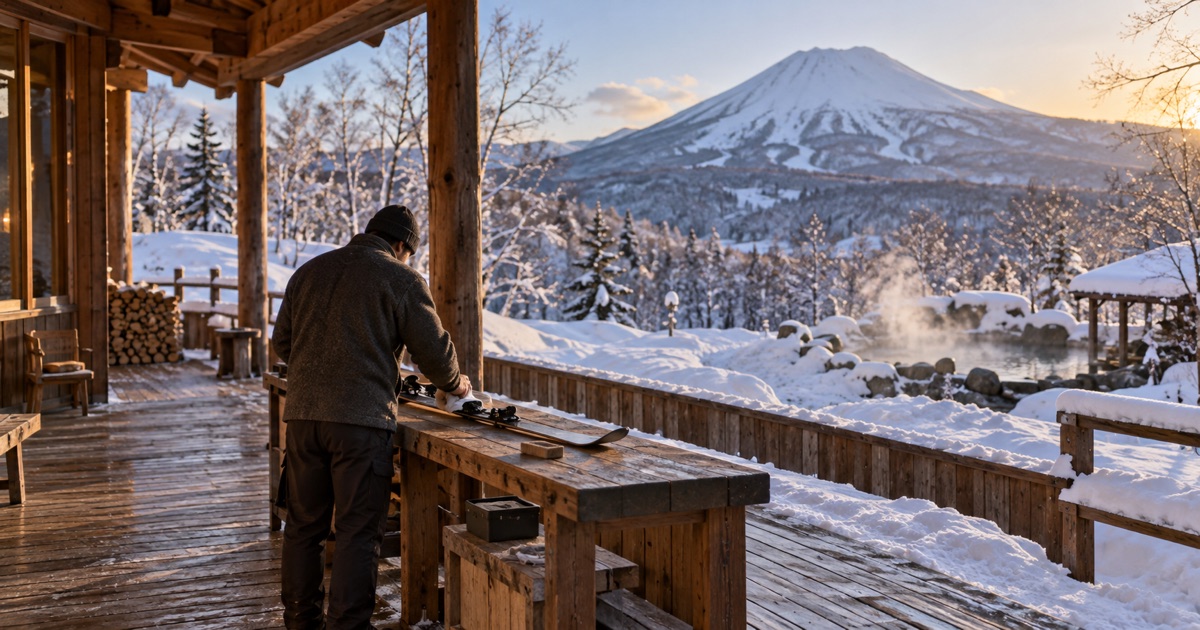
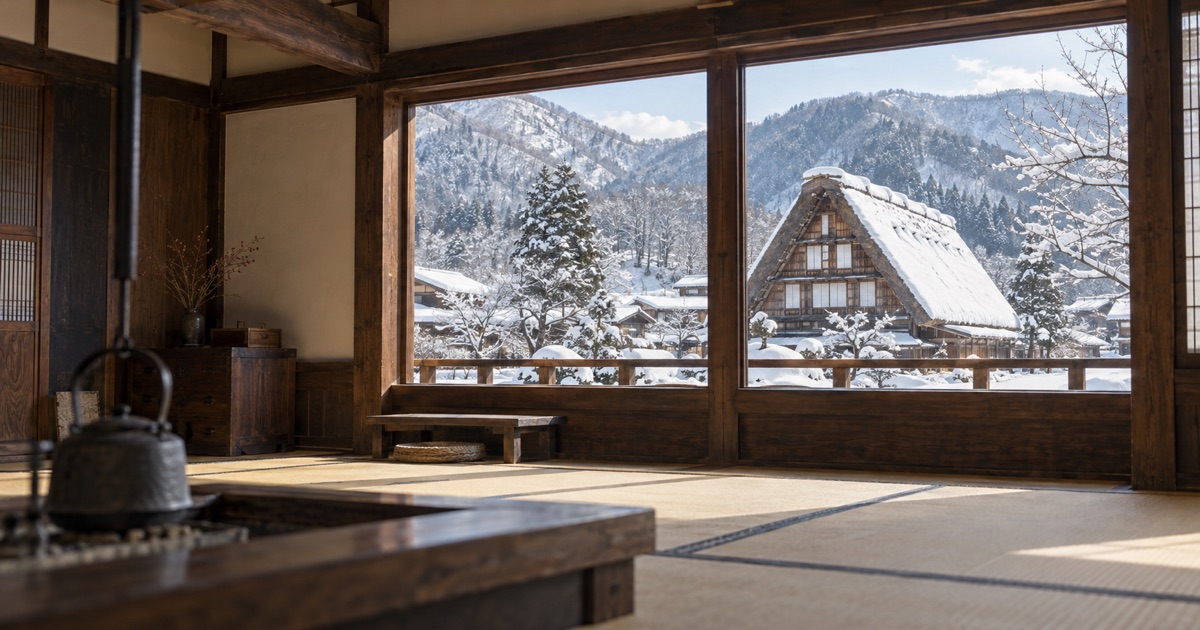
Winter creates the classic postcard view of Shirakawa-go. Thick blankets of powder rest on the steeply pitched thatch roofs, designed centuries ago to withstand heavy snowfall without collapsing.
- Snow conditions: Snow typically begins falling in December, but the deepest, most reliable snow cover lasts from mid-January to mid-February. By March, snow starts melting, often turning slushy.
- The Winter Light-Up: On select weekend evenings in January and February, the village illuminates several farmhouses after dark. You cannot simply walk in or take a standard scheduled bus to see this event; it operates on a strict advance reservation and lottery system through the official Shirakawa-go tourism authority. Unauthorized vehicles and standard tourists without evening permits are turned away.
- Challenges: Sub-zero temperatures, icy roads, and delayed highway buses are common. Footpaths become slippery, requiring winter boots with sturdy tread.
Spring (April to June): Melting Snow and Fresh Greenery
Spring is a peaceful transition period in the valley.
- Cherry blossoms: Because of the mountain elevation, cherry blossoms (sakura) bloom later here than in Tokyo or Kyoto, typically opening around mid-to-late April.
- Atmosphere: The surrounding peaks still carry white snowcaps while the valley floor turns vivid green. Agricultural canals throughout the village rush with crystal-clear snowmelt.
- Visitor levels: Outside of the nationwide Golden Week holiday in late April and early May, spring sees lighter foot traffic than the peak winter months.
Summer (July to August): Lush Fields and Alpine Air
Summer covers Shirakawa-go in brilliant emerald greens. Rice paddies fill the spaces between historic houses, and mountain breezes offer relief from the sweltering heat found in coastal cities like Osaka or Tokyo.
- Scenery: Expect bright green paddies, water lilies, and sunflowers lining wooden farmhouses. The rustic cedar siding of the buildings contrasts sharply against the green valley.
- Walking conditions: Paved lanes and gravel paths are completely clear of ice, making summer the easiest season for self-guided exploration and photography.
- Hydration: Mountain sun can be intense. Bring a sun hat and carry plenty of water, as shade across open fields is limited.
Autumn (September to November): Harvest Gold and Fall Colors
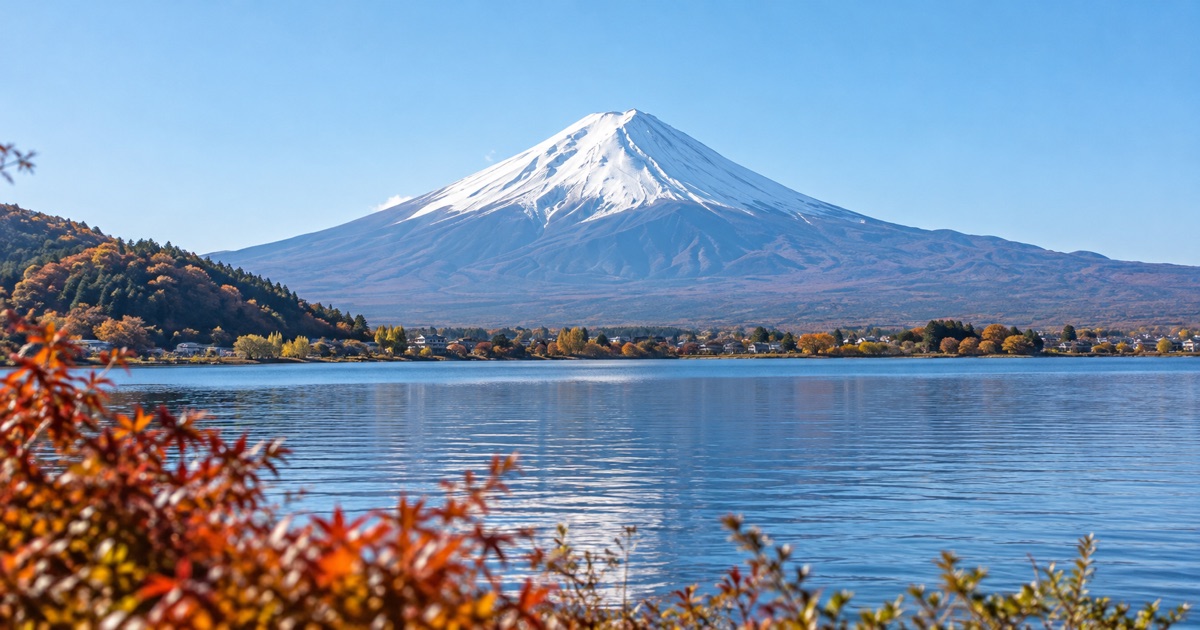
Autumn brings crisp, dry air and stunning color palettes to the Sho River valley.
- Fall foliage: The deciduous mountain forests surrounding the village begin shifting colors in mid-October, reaching peak shades of crimson, orange, and gold from late October through early November.
- Harvest views: In late September and early October, rice paddies turn golden just before harvest. Drying persimmons often hang under the eaves of farmhouses.
- Temperatures: Days are comfortable for walking in light layers, though mornings and evenings drop close to freezing by November.
Key Vocabulary for Independent Travellers
Understanding a few local travel terms makes navigation across transport hubs easier:
Gassho-zukuri (合掌造り) describes traditional Japanese farmhouses built with steep, triangular thatched roofs resembling hands pressed together in prayer.
Nohi Bus (濃飛バス) is the primary regional highway bus company operating connecting routes between Takayama, Kanazawa, Toyama, and Shirakawa-go.
Shiroyama Tenbodai (城山展望台) refers to the elevated castle-site viewpoint north of the village offering the classic panoramic vista over Ogimachi.

We are working to carry Japanese craft and everyday culture beyond Japan, by building Japan Towns with local partners.
Read the Japan Town plan →How to Get to Shirakawa-go Independently
No train tracks lead directly into Shirakawa-go. To reach the village, you take a train from your departure city to a gateway rail hub, then transfer to a scheduled highway bus.
Gateway Hubs: Where to Catch the Bus
The three main transit hubs serving Shirakawa-go are:
- Kanazawa Station (金沢駅): Ideal if coming from Kyoto, Osaka, or Tokyo via high-speed rail. Highway buses from Kanazawa to Shirakawa-go take roughly 75 to 85 minutes.
- Takayama Station (高山駅): Ideal if exploring the Hida region. Buses depart from the adjacent Takayama Nohi Bus Center and take around 50 minutes.
- Toyama Station (富山駅): Another convenient Shinkansen stop; buses run directly to Shirakawa-go in about 80 minutes.
Bus operators include Nohi Bus and Hokutetsu Bus. Most seats require advance seat reservations, especially during peak foliage and winter seasons. Check schedules and ticketing policies via the Japan National Tourism Organization or direct regional bus booking portals before setting out.
Sample Route from Tokyo Station
- Board the Hokuriku Shinkansen from Tokyo Station (東京駅) to Kanazawa Station (金沢駅). High-speed trains like the Kagayaki make this run in around 2 hours and 30 minutes. You can review route options on the JR East network map.
- Exit Kanazawa Station via the East (Kenrokuen) Exit and head to the bus terminal.
- Board the reserved highway bus to Shirakawa-go (Ogimachi bus stop).
Sample Route from Kyoto or Osaka
- From Shin-Osaka Station (新大阪駅) or Kyoto Station (京都駅), take the JR Limited Express Thunderbird to Tsuruga Station (敦賀駅). Travel time is roughly 50 minutes from Kyoto or 80 minutes from Osaka.
- At Tsuruga, transfer to the Hokuriku Shinkansen continuing to Kanazawa Station (about 45 to 60 minutes).
- Board the reserved highway bus from Kanazawa directly to Shirakawa-go.
Alternatively, take a JR Limited Express Hida train running north from Nagoya directly into Takayama Station, then board the highway bus.
Practical Advice for First-Time Visitors
Navigating a protected heritage village requires extra preparation compared to exploring a modern Japanese city.
Footwear and Clothing
- In winter: Wear waterproof snow boots with deep rubber treads. Paved areas alternate between packed ice and deep slush. Avoid running shoes or smooth leather soles. Slip-on traction cleats (microspikes) bought at outdoor shops provide extra stability.
- In summer and autumn: Comfortable walking shoes are sufficient, as you will cover several kilometers on unpaved village lanes.
Luggage Storage
The village bus terminal has coin lockers, and nearby tourist information centers offer temporary luggage storage services for a small fee (typically around 500 to 1,000 yen per bag). However, locker space fills quickly during mid-day arrivals. Whenever possible, forward large suitcases between your main hotels using luggage courier services (takkyubin) and bring only a daypack.
Respecting a Living Village
Shirakawa-go is a designated UNESCO World Heritage site, but it is also an active farming community where residents live and work:
- Stay on paved roads and marked walking tracks; do not step into private residential gardens or active farm fields.
- Smoking is strictly prohibited outside of small, designated smoking booths to protect the historic thatch from fire.
- Take all rubbish back to your hub city. Public trash cans are deliberately rare throughout the village.
Common Mistakes to Avoid
- Assuming you can catch any bus: Arriving at Kanazawa or Takayama Station expecting to buy a ticket on the spot frequently results in stranded travel days. Most midday buses sell out days or weeks in advance during winter and autumn peaks.
- Attempting to stay late without a reservation: If you do not hold an official overnight stay booking inside the village or a confirmed seat on an evening tour bus, you must depart before dusk. Return buses stop running by late afternoon or early evening.
- Rushing through in one hour: Allow at least 3 to 4 hours in the village. This provides ample time to walk up to the Shiroyama Viewpoint, tour an open farmhouse museum like Wada House (和田家), and enjoy local soba noodles without checking your watch constantly.
- Relying solely on credit cards: Several snack vendors, small craft shops, and farmhouse entry gates accept only cash. Bring sufficient Japanese yen in paper bills and coins.
FAQ
- Q. What is the single best month to see snow in Shirakawa-go?
- A. Late January through mid-February provides the thickest snow cover, transforming the thatched farmhouses into dramatic winter scenes.
- Q. Can you do a day trip to Shirakawa-go without booking buses in advance?
- A. While a few unreserved bus departures exist, seats sell out quickly; reserving your highway bus weeks ahead is strongly recommended.
- Q. Is Shirakawa-go worth visiting during the summer?
- A. Yes, summer brings vibrant green rice paddies, blooming sunflowers, and cooler alpine breezes, with far fewer transit disruptions than winter.
Cite or share this article
Copy the link below. If you quote this article, please link to this page as the source.