Things to Do in Niseko in June: Green Season Guide
Key takeaways
- June brings snow-free trails, active river sports, and mild temperatures averaging 14°C to 21°C.
- Experience top attractions like Mount Yotei and local onsen without winter ski resort crowds.
- Direct train journeys from Sapporo take roughly 2 to 2.5 hours via the JR Hakodate Main Line.
The best things to do in Niseko in June include hiking the volcanic slopes of Mount Yotei, rafting down the swollen Shiribetsu River, and soaking in peaceful hot springs completely free of winter ski crowds. Visiting during this early green season lets you experience Hokkaido's premier alpine hub in lush bloom, with mild daytime temperatures generally hovering between 14°C and 21°C.
While internationally famous for winter powder, Niseko transforms into an outdoor sports and agricultural paradise as soon as the snow melts. June is particularly special: mainland Japan endures the humid tsuyu (rainy season), but Hokkaido sits north of this weather front, enjoying significantly drier and clearer skies.
Outdoor Adventures in Early Summer
Rafting on the Shiribetsu River (尻別川)
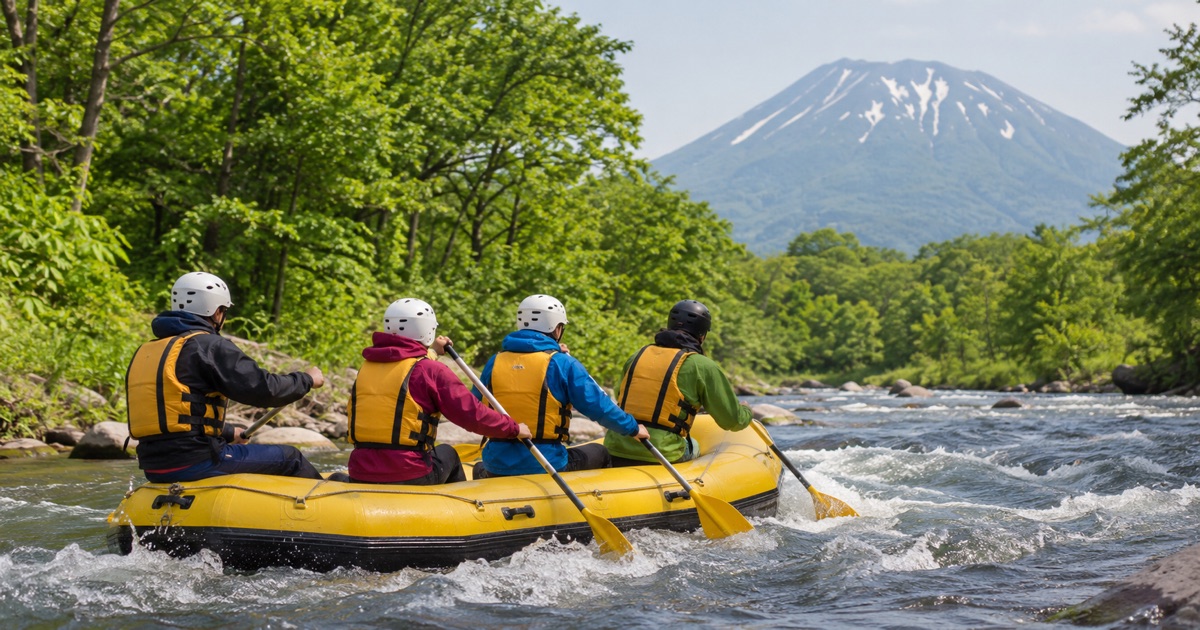
Snowmelt running off the surrounding peaks feeds the Shiribetsu River throughout spring, making June one of the most exciting months for whitewater rafting. The water levels run brisk and high, creating fun class II and III rapids that wind through forested valleys with views of Mount Yotei.
Local adventure outfits operate out of the Hirafu and Hanazono areas. Tours generally provide full drysuits or thick wetsuits, booties, and life jackets. Expect to spend around ¥6,000 to ¥9,000 per adult for a half-day trip. Book ahead online, as tour departures run on set morning and afternoon schedules.
Hiking Mount Yotei (羊蹄山) and Mount Annupuri (アンヌプリ)
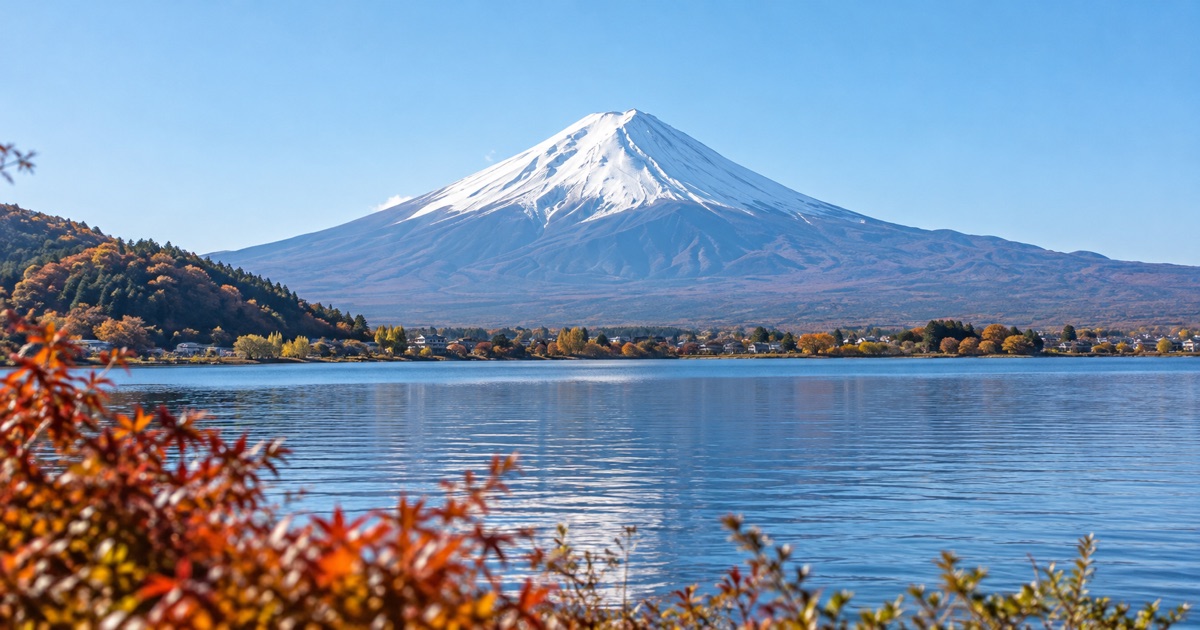
For serious hikers, June opens the official climbing season for Mount Yotei, the near-symmetrical stratovolcano often called "Ezo Fuji."
- Mount Yotei: The main trails (such as the Kutchan or Makkari routes) take roughly 4 to 6 hours up and 3 to 4 hours down. Residual snow patches often linger near the crater rim until late June, so sturdy trekking boots and trekking poles are mandatory.
- Mount Niseko Annupuri: If you want panoramic views without an intense full-day trek, Annupuri offers a gentler climb of about 1.5 to 2.5 hours from the Goshiki Onsen trailhead. On clear days, the summit delivers sweeping 360-degree views of the Sea of Japan and the Shakotan Peninsula.
Before setting out on any alpine trail in Hokkaido, carry bear bells and pack out all food waste. Brown bears inhabit these mountains, and basic wildlife precautions are standard practice.
Cycling and Road Biking
With quiet rural roads connecting sweeping farmland, June is peak road-cycling season in the Niseko basin. Popular circuits loop around the base of Mount Yotei or head through the scenic Panorama Line (Route 66) toward the coast. Rental shops in Kutchan and Hirafu offer performance road bikes, gravel bikes, and electric-assist models for around ¥4,000 to ¥8,000 per day.
Farm-Fresh Food and Dairy Experiences
June marks the emergence of fresh Hokkaido produce. Asparagus is the standout vegetable of early summer, known for its sweet flavor and crisp texture, served at local bistros and roadside farm stands.
Takahashi Dairy Farm (Milk Kobo)
Located in the Soga district with direct views of Mount Yotei, Takahashi Dairy Farm (高橋牧場 / Milk Kobo) is an essential stop. The farm uses milk from its own herd to produce fresh soft-serve ice cream, cream puffs, cheese tarts, and drinkable yogurt. Prices for treats range from roughly ¥300 to ¥600. The surrounding grounds feature open grass lawns, blooming flower beds, and rustic photo spots that are quiet and easy to enjoy on a June morning.
Local Soba and Mountain Dining
The pristine spring water filtering through the volcanic soil makes Niseko a notable region for handmade soba (buckwheat noodles). In early summer, cold zaru soba served with crisp vegetable tempura is a staple lunch. You will find small soba shops scattered between Kutchan Town and Niseko Village; most operate between 11:00 and 15:00 and close as soon as their daily batch of fresh noodles runs out.

We are working to carry Japanese craft and everyday culture beyond Japan, by building Japan Towns with local partners.
Read the Japan Town plan →Relaxing in Historic Onsen
Winter visitors often face crowded baths, but in June you can soak in Niseko’s mineral waters in near-total tranquility. The region boasts several distinct natural spring sources, each with different mineral profiles.
Goshiki Onsen (五色温泉)
Perched high in the mountain pass between Annupuri and Iwaonoko, Goshiki Onsen features sulfur-rich, milky-blue waters. The outdoor wooden baths face rugged alpine scrub that greens up rapidly through June. Day-use entry typically costs around ¥800 to ¥1,000.
Yugokorotei (湯心亭)
Located closer to the base near Annupuri, this facility offers a classic rock-lined outdoor bath (rotenburo) surrounded by trees. The water is 100% natural and free-flowing without added tap water. Day-use admission generally runs around ¥1,000 and includes free rest lounges.
Note: Bring your own small towel from your hotel, or purchase one at the front desk for roughly ¥200 to ¥300.
How to Get to Niseko by Train
Independent travel to Niseko begins at Sapporo Station (札幌駅) or New Chitose Airport (新千歳空港).
Sapporo Station
  │  JR Hakodate Main Line (Rapid Airport or Semi-Rapid)
  │  Roughly 35 to 45 mins
  ▼
Otaru Station (小樽駅)
  │  JR Hakodate Main Line (Local diesel train)
  │  Roughly 75 to 90 mins
  ▼
Kutchan Station (倶知安駅) or Niseko Station (ニセコ駅)- Board at Sapporo: Take a frequent JR train heading west to Otaru Station.
- Transfer at Otaru: Switch to the single-track local train running inland toward Oshamambe. This section is operated by classic local railcars.
- Arrive at Kutchan or Niseko: Kutchan is the commercial center with access to Hirafu and Hanazono. Niseko Station serves the southern half of the valley. Total one-way train fare from Sapporo is approximately ¥2,100 to ¥2,500.
You can plan train routes and check rail conditions via the Japan National Tourism Organization and official regional transit portals.
Getting Around Locally in June
The winter ski shuttles do not run in June. Local public buses run between Kutchan Station, Hirafu, and Niseko Station, but departures can be spaced 1 to 2 hours apart.
To maximize your day:
- Rent a car: Available near Kutchan Station or back in Sapporo/Otaru.
- Use local taxis: Station ranks usually have cars waiting during daylight hours, but you should ask your accommodation or the station tourist counter to help call a taxi for return legs from remote trailheads.
- Rent an e-bike: Ideal for the central farmlands if the weather is fair.
What to Pack for June in Hokkaido
Hokkaido’s northern latitude means conditions change rapidly:
- Layered clothing: A light windbreaker or fleece over a T-shirt is ideal for midday.
- Warm evening wear: Temperatures drop quickly after sunset, sometimes falling to 8°C to 12°C.
- Insect repellent: Early summer brings mountain gnats and mosquitoes to forested paths.
- Sun protection: High UV levels off the mountain clearings require sunscreen and a hat.
- Cash: Smaller farm stands, rural soba restaurants, and mountain hot springs often accept cash only.
Common Mistakes to Avoid
- Expecting winter resort infrastructure to be open: Many winter-only restaurants, international coffee bars, and gondolas shutter between May and late June. Stick to locally owned year-round businesses in Kutchan and Niseko Town.
- Missing the last local train: Local connections between Kutchan and Otaru are infrequent. Always check the departure board for your evening return train back to Sapporo before leaving the station.
- Underestimating mountain weather: Mount Yotei stands at 1,898 meters. Even if it is 20°C and sunny at the base, the peak can be near freezing with gale-force winds. Always check local mountain forecasts before setting out.
FAQ
- Q. Is Niseko worth visiting in June?
- A. Yes. June marks the start of Niseko's green season, offering comfortable weather, active hiking trails, river sports, and zero ski crowds.
- Q. Do you need a car in Niseko during June?
- A. While trains connect Sapporo to Kutchan and Niseko stations, renting a car or booking local taxis makes reaching trailheads and isolated onsen far easier.
- Q. What should you wear in Niseko in June?
- A. Pack versatile layers. Daytime temperatures often reach 18°C to 22°C, but early mornings and mountain elevations can drop below 10°C.
Cite or share this article
Copy the link below. If you quote this article, please link to this page as the source.