Shirakawa-go in Winter: A Day Trip Guide for Visitors
Key takeaways
- Shirakawa-go in winter means snow-covered thatched-roof houses, best visited on a clear day between January and February.
- Direct buses run from Takayama (around 50 minutes) and Kanazawa (around 75 minutes); reservations are strongly recommended in winter.
- Roads and paths can be icy, so waterproof boots with good grip matter more than a heavy coat.
Is Shirakawa-go Worth Visiting in Winter?
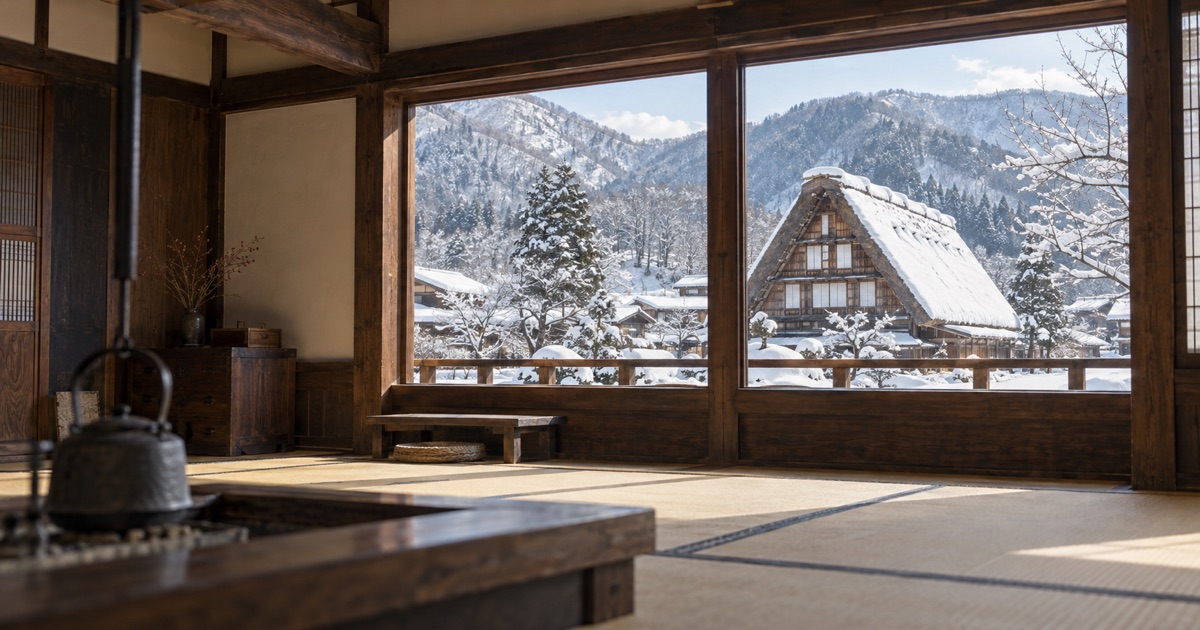
Shirakawa-go (白川郷) in winter is widely considered one of the most beautiful times to see this UNESCO World Heritage village, when its steep thatched gassho-zukuri (合掌造り) rooftops are blanketed in snow. The trip requires some planning around buses and weather, but for travelers willing to bundle up, it's one of the most photogenic day trips accessible from both Takayama and Kanazawa.
Unlike many Japanese destinations, Shirakawa-go has no train station. Visitors reach it by bus, and in winter that bus is really the only practical way in for independent travelers without a car. This guide covers how to get there, what to expect on the ground, and how to avoid the most common mistakes people make visiting in cold weather.
Where to Start: Takayama or Kanazawa
Most independent travelers approach Shirakawa-go from one of two gateway cities, and the choice usually comes down to your overall itinerary rather than the trip to Shirakawa-go itself.
From Takayama Station
Takayama (高山) is the more common base, especially for travelers coming from Tokyo or Nagoya via the JR limited express trains covered by JR Central and JR West networks. From Takayama's bus terminal, direct highway buses to Shirakawa-go take roughly 50 minutes each way. Buses run multiple times a day, though winter schedules tend to be thinner than in peak autumn or summer, so checking the operator's current timetable before you go is essential.
From Kanazawa Station
Kanazawa (金沢) is reachable from Tokyo via the Hokuriku Shinkansen, a route operated in part by JR East and JR West. From Kanazawa, direct buses to Shirakawa-go take roughly 75 minutes. This option works well if your trip is centered on Kanazawa and the Hokuriku region rather than Takayama and the Hida area.
Either way, the round trip plus a few hours exploring the village makes for a comfortable full-day outing. Trying to combine both Takayama and Kanazawa with Shirakawa-go in a single day is possible for some travelers, but it makes for a very long, tightly scheduled day in winter conditions.
We are working to carry Japanese craft and everyday culture beyond Japan, by building Japan Towns with local partners.
Read the Japan Town plan →Booking Your Bus Seat
In winter, seat reservations are strongly recommended for the Takayama–Shirakawa-go and Kanazawa–Shirakawa-go routes. Unlike city buses, these are limited-capacity highway buses, and seats can sell out during weekends, holidays, and the village's winter illumination events. Reservations can typically be made online in advance through the relevant bus company website, and it's worth booking your return trip at the same time as your outbound trip, since return buses in the late afternoon are popular with day-trippers heading back before dark.
A common mistake is assuming you can simply walk up and buy a ticket on the day. This sometimes works on quiet weekdays, but during winter weekends or illumination periods, same-day seats may not be available at all.
What the Village Looks Like in Winter
Snowfall in the Shirakawa-go area is heavy and reliable through most of January and February, less consistent in early December and March. The gassho-zukuri farmhouses, some over a century old, have steeply pitched roofs specifically engineered to shed heavy snow, which is part of why the village looks so striking in this season.
A popular viewpoint above the village (reachable via a short uphill walk or a shuttle bus from near the village) gives a wide panorama over the snow-covered rooftops. In clear weather this is one of the best photo spots in the region, though visibility depends entirely on the day's weather, and heavy snow or fog can limit the view.
Some winters, the village holds evening illumination events where select houses are lit up after dark. These are extremely popular, require advance reservations for transport and sometimes for entry, and are only held on specific pre-announced dates. Details change from year to year, so check official tourism sources for current dates before building a trip around this.
What to Bring
Winter in Shirakawa-go is genuinely cold, and preparation matters more here than in most other Japan day trips.
- Waterproof, grippy footwear. Regular sneakers are a common mistake; paths in and around the village get packed with snow and ice, and proper winter boots make a real difference.
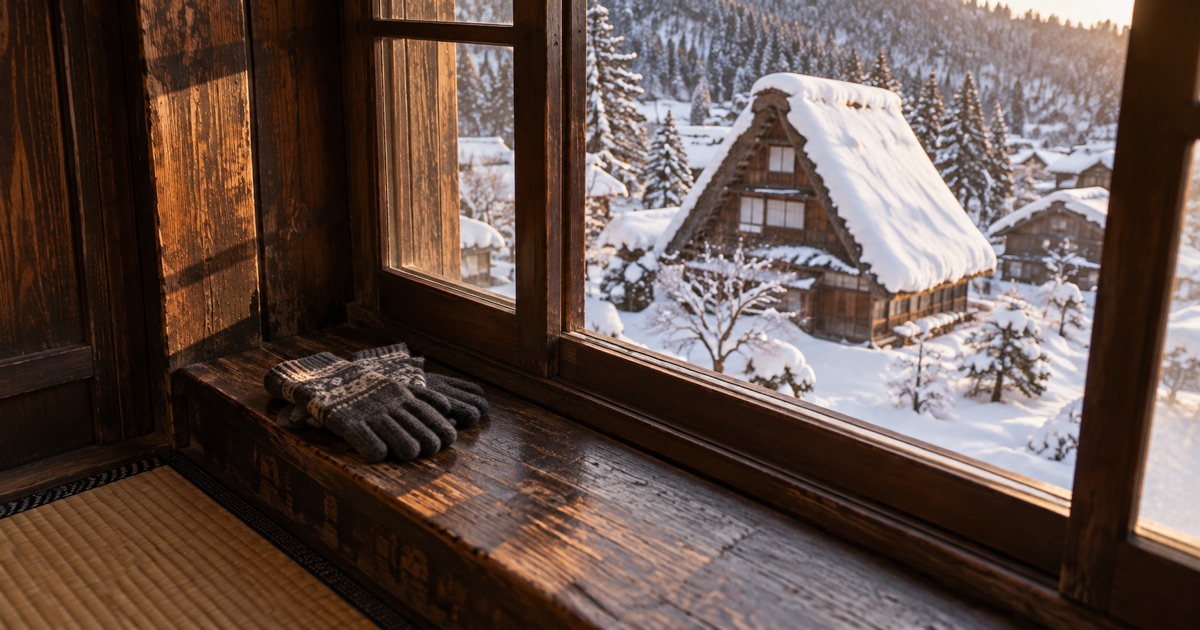
- Warm, layered clothing. Thermal base layers, a proper winter coat, gloves, and a hat are all worth packing, since you'll be outdoors most of the visit.
- A small bag for wet items. Snow gets tracked in everywhere; a dry bag or plastic bag for wet gloves or boots helps.
- Cash. Smaller shops and eateries in the village may not accept cards, and this is true for some bus ticket counters as well.
Common Mistakes to Avoid
Not reserving bus seats in advance. This is the single biggest risk to a winter day trip, particularly around weekends and illumination dates.
Underestimating the cold. Shirakawa-go sits in a mountain basin that holds snow longer and colder than nearby cities; dressing as you would for Tokyo or Osaka in winter usually isn't enough.
Planning too tight a schedule. Winter road conditions can delay buses. Building in some buffer time, especially for your return journey, helps avoid missed onward trains from Takayama or Kanazawa.
Assuming there's a train. There isn't one, and taxis for the full distance from either city are expensive; the direct bus is the standard, practical option for independent travelers.
Planning Your Visit
Because road and weather conditions directly affect bus schedules and village access, it's worth checking conditions close to your travel date rather than relying on information from months earlier. The Japan National Tourism Organization is a reliable starting point for general seasonal travel information, and bus operators' own sites will have the most current reservation and timetable details.
For a straightforward winter day trip, basing yourself in Takayama or Kanazawa, booking your bus seats ahead of time, and dressing properly for mountain cold will cover most of what you need to enjoy Shirakawa-go's snow season without major surprises.
FAQ
- Q. Is Shirakawa-go worth visiting in winter?
- A. Yes, many visitors consider winter the most atmospheric season, since the steep thatched roofs (gassho-zukuri) are designed to shed heavy snow and look their best covered in it. Just be aware that cold temperatures and icy paths require extra preparation.
- Q. Do I need to book the bus to Shirakawa-go in advance?
- A. It's strongly recommended, especially in winter and around weekends or holidays, since buses from Takayama and Kanazawa can sell out. Reservations can usually be made online through the bus operators' websites in advance of your travel date.
- Q. Can I visit Shirakawa-go as a day trip from Tokyo or Osaka?
- A. It's possible but long, since there's no direct train to Shirakawa-go; most travelers base themselves in Takayama or Kanazawa and treat Shirakawa-go as a side trip from there. Starting very early from Tokyo or Osaka and returning late the same day is physically possible but tiring.
Cite or share this article
Copy the link below. If you quote this article, please link to this page as the source.