Hiroshima Itinerary 3 Days: Complete Train Travel Guide
Key takeaways
- Day 1 covers Hiroshima Peace Memorial Park and downtown cuisine via local streetcars.
- Day 2 explores Miyajima Island, Itsukushima Shrine, and Mount Misen by JR train and ferry.
- Day 3 takes a regional day trip to scenic Onomichi or historic Saijo sake breweries.
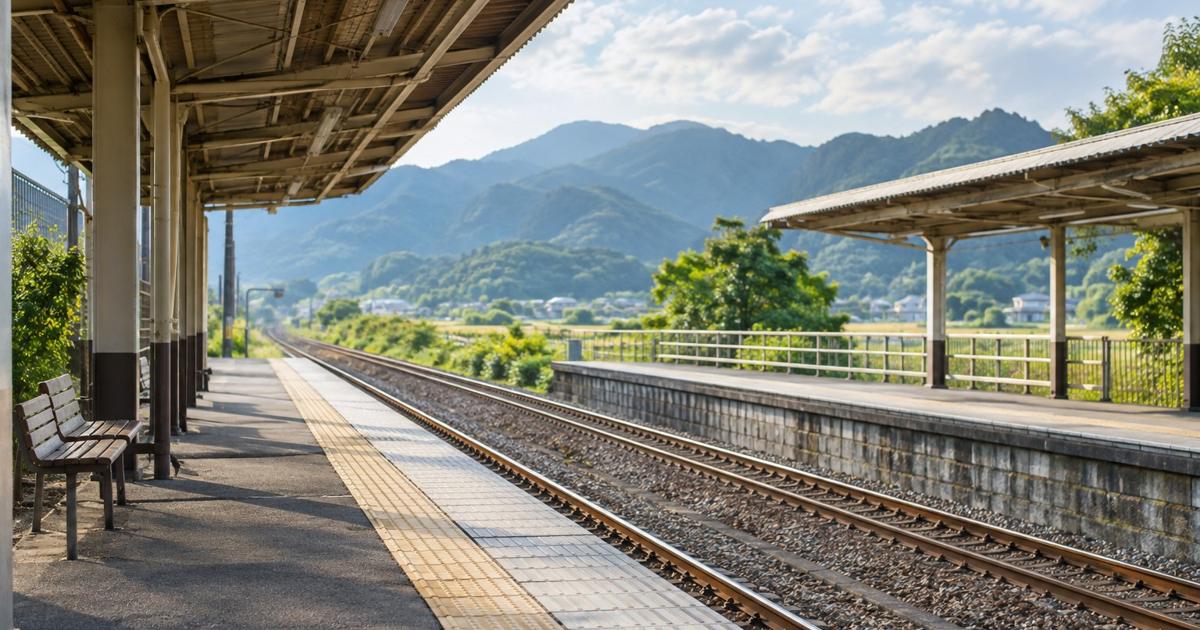
An ideal Hiroshima itinerary for 3 days balances central historic landmarks, the sacred coastal beauty of Miyajima (宮島), and a charming regional excursion along the Seto Inland Sea. With a base in downtown Hiroshima or near Hiroshima Station (広島駅), travelers can seamlessly navigate every leg using Japan's efficient regional train networks and local streetcars.
Hiroshima is one of Western Japan's most rewarding destinations. Whether arriving directly from Tokyo, Kyoto, or Osaka via the Sanyo Shinkansen bullet train, this three-day plan provides a structured, stress-free route designed specifically for independent travelers who do not read Japanese.
Day 1: Central Hiroshima and Historic Memorials
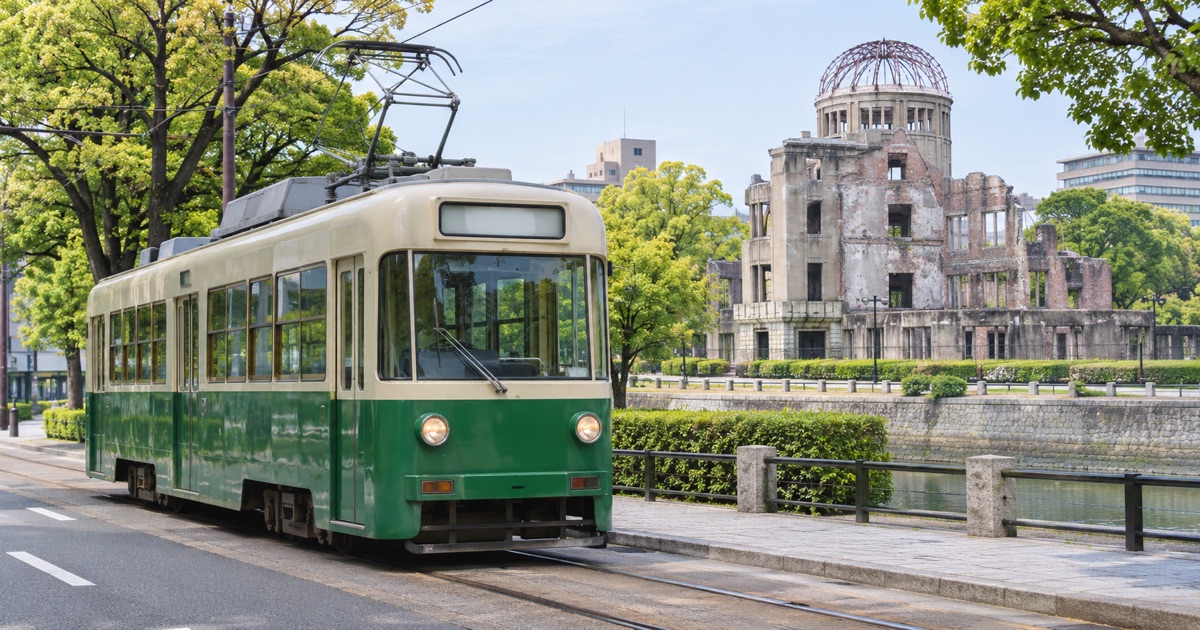
Your journey begins at Hiroshima Station (広島駅), the primary transit hub connecting bullet trains with regional JR lines and the city's extensive streetcar network, known locally as the Hiroden (広電).
Morning: Arrival and Navigating to the Peace Memorial Park
After arriving and dropping your luggage at your hotel or station lockers, head to the south exit of Hiroshima Station to access the streetcars. Board Route 2 or Route 6 bound for Genbaku Dome-mae (原爆ドーム前). The ride takes roughly 15 to 20 minutes.
Step off directly in front of the Atomic Bomb Dome (原爆ドーム), the preserved industrial exhibition hall that stands as a stark visual testament to the events of August 6, 1945. From there, cross the Motoyasu River via the Motoyasu Bridge into the Hiroshima Peace Memorial Park (平和記念公園). Stroll through the park grounds to view the Children’s Peace Monument and the Cenotaph for the Atomic Bomb Victims.
Afternoon: Hiroshima Peace Memorial Museum
Head inside the Hiroshima Peace Memorial Museum (広島平和記念資料館). The museum exhibits personal belongings, photographs, and eyewitness testimonies documenting the human impact of the atomic bombing.
Planning notes for visitors:
- Admission is modest (usually around a few hundred yen), but lines can form during peak travel seasons. Check the Japan National Tourism Organization website for broader seasonal travel advice.
- Allow at least two hours to walk through the exhibits respectfully.
- Signage throughout the museum and park is presented clearly in English alongside Japanese.
Evening: Okonomiyaki in Hondori
In the late afternoon, take a ten-minute walk east from the park into the Hondori Shopping Arcade (本通商店街), a pedestrian shopping street. For dinner, seek out Hiroshima-style okonomiyaki. Unlike the mixed-batter Osaka style, Hiroshima okonomiyaki features layers of thin batter, cabbage, pork slices, yakisoba noodles, and a fried egg, topped with savory sauce.
A popular spot to sample this dish is Okonomimura (お好み村), a multi-story building housing dozens of independent stalls. Order by pointing to the menu, and watch the chef prepare your meal on the flat-top griddle in front of you.
Day 2: Miyajima Island and Itsukushima Shrine
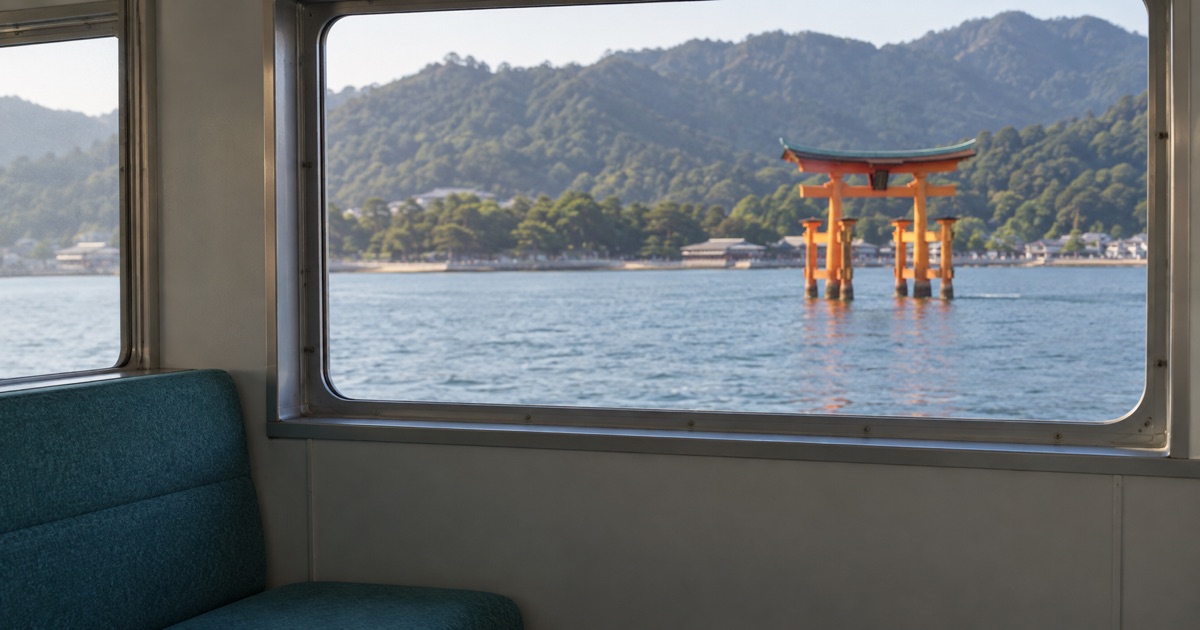
Day 2 takes you to Miyajima, formally known as Itsukushima (厳島), celebrated for its floating torii gate, tame sika deer, and forested walking paths.
Morning: Train and Ferry to Miyajima
Start early from Hiroshima Station to beat the afternoon crowds.
- Board the JR Sanyo Line train to Miyajimaguchi Station (宮島口駅). The train ride takes roughly 25 to 30 minutes.
- From Miyajimaguchi Station, follow the clear English pedestrian signs for about five minutes down to the ferry piers.
- Board either the JR West Ferry or the Miyajima Matsudai Ferry for the 10-minute crossing. If traveling with a nationwide Japan Rail Pass or regional JR West rail pass, check pass rules, as the JR-operated ferry is often covered. You can verify current rail pass coverage directly on the JR West official site.
- Note that a small local tourist visitor tax (roughly 100 yen per person) is typically added to ferry tickets or charged upon departure.
Midday: Itsukushima Shrine and the Floating Torii Gate
Upon stepping off the ferry, walk along the coastline toward Itsukushima Shrine (厳島神社). The shrine complex is built over tidal flats on stilts, giving the impression that it floats on water during high tide. At low tide, the water recedes completely, allowing visitors to walk directly out onto the sand to stand beneath the massive vermilion Grand Torii Gate.
Check local tide tables online before your trip. Experiencing both high and low tide offers two distinct perspectives of the shrine.
Afternoon: Mount Misen or Momijidani Park
Continue past the shrine into Momijidani Park (紅葉谷公園), known for its maple trees. From here, you have two choices depending on your fitness level and timing:
- Miyajima Ropeway: Take the ropeway toward the summit of Mount Misen (弥山). The ropeway consists of two stages and leaves you roughly a 20-to-30-minute hike away from the actual summit observation deck, which provides panoramic views over the Seto Inland Sea.
- Daisho-in Temple (大聖院): If you prefer to stay closer to sea level, walk to this atmospheric Shingon Buddhist temple at the base of the mountain. It features intricate stone gardens, hundreds of small statues, and peaceful forest pathways.
Before catching the ferry back to the mainland, stop along the Omotesando shopping street to try local snacks, such as freshly grilled Hiroshima oysters and momiji manju (maple leaf-shaped sponge cakes filled with sweet red bean paste, custard, or chocolate). Return by train to Hiroshima in the evening.
We are working to carry Japanese craft and everyday culture beyond Japan, by building Japan Towns with local partners.
Read the Japan Town plan →Day 3: Coastal Onomichi or Historic Saijo
For your final day, venture beyond Hiroshima city along the JR Sanyo Line to experience the historic towns of Hiroshima Prefecture.
Option A: The Hillside Temple Walk of Onomichi
Onomichi (尾道) is a nostalgic port town built across steep hillsides overlooking the Seto Inland Sea channels.
- Getting there: From Hiroshima Station, board the JR Sanyo Shinkansen to Mihara or Fukuyama Station, then transfer to the local JR Sanyo Line to Onomichi Station (尾道駅). The journey takes approximately 45 to 60 minutes depending on train connections. Alternatively, local JR trains run the route in about 80 to 90 minutes.
- What to do: Take the Mt. Senkoji Ropeway up the hill, visit Senkoji Temple (千光寺), and wander down the stone paths of the Cat Alley (Neko no Hosomichi). Onomichi is famous for narrow stairways, historic wooden homes, and coastal views.
- What to eat: Stop for a bowl of Onomichi ramen, characterized by a savory soy-sauce broth infused with local fish stock and topped with pork back-fat pebbles.
Option B: Sake Breweries in Saijo
If you prefer a shorter trip focused on traditional craftsmanship, visit Saijo (西条).
- Getting there: Take the JR Sanyo Line directly from Hiroshima Station to Saijo Station (西条駅). The ride takes roughly 35 minutes.
- What to do: Saijo is one of Japan’s primary sake brewing centers. Just outside the station lies Sakagura-dori (Sake Brewery Street), characterized by white-walled storehouses and distinct red-brick chimneys. Several active breweries offer tasting rooms and historic display areas open to the public.
After finishing your Day 3 excursion, head back to Hiroshima Station to retrieve your bags and catch your onward bullet train to Kansai or Tokyo.
Practical Transit Tips and Common Mistakes
To ensure smooth travel throughout the three days, keep these practical points in mind:
- Streetcar Boarding Procedure: On Hiroshima Hiroden trams, you board through the center doors and exit through the front doors beside the driver. If using an IC card (such as Suica, Pasmo, or Icoca), tap your card against the reader upon boarding, and tap again at the front reader when exiting. If paying cash, take a numbered paper slip upon boarding and pay the exact fare into the fare box next to the driver when exiting.
- Avoid Tight Peak-Hour Connections: Commuter streetcars between Hiroshima Station and the Peace Park get crowded during morning and evening rush hours. Allow extra transit time if catching a scheduled bullet train.
- Walking on Miyajima: Wear sturdy walking shoes on Day 2. Even if using the ropeway on Mount Misen, reaching the highest viewing platforms requires navigating uneven stone steps.
- Carrying Luggage to Miyajima: Avoid bringing large suitcases onto the Miyajima ferry. Utilize coin lockers or hotel luggage delivery services at Hiroshima Station instead, as streets on the island are narrow, crowded, and largely pedestrian-only.
FAQ
- Q. Can I use an IC card like Suica or Pasmo on Hiroshima streetcars and ferries?
- A. Yes, major nationwide IC cards like Suica and Pasmo work on Hiroshima electric streetcars and the JR West Miyajima Ferry.
- Q. How long does the train take from Osaka or Kyoto to Hiroshima?
- A. The Sanyo Shinkansen bullet train takes roughly 85 to 100 minutes from Shin-Osaka Station to Hiroshima Station.
- Q. Do I need to buy ferry tickets to Miyajima in advance?
- A. Advance reservations are generally not required for standard passenger ferries running between Miyajimaguchi and Miyajima Island.
Cite or share this article
Copy the link below. If you quote this article, please link to this page as the source.