How to Get to Miyajima from Hiroshima: Complete Guide
Key takeaways
- The fastest route is taking the JR Sanyo Line to Miyajimaguchi Station, then boarding the 10-minute ferry.
- JR West rail passes cover the JR West ferry, but all visitors must pay a local visitor tax of around 100 yen.
- Direct high-speed boats connect the Hiroshima Peace Memorial Park directly to Miyajima in roughly 45 minutes.
To get to Miyajima from Hiroshima, take a local train on the JR Sanyo Line from Hiroshima Station (広島駅) to Miyajimaguchi Station (宮島口駅) in roughly 30 minutes, then walk two minutes to the pier and board a ferry for a 10-minute crossing to the island. In total, the classic train-and-ferry journey takes around 45 minutes door-to-door and costs under 700 yen one way.
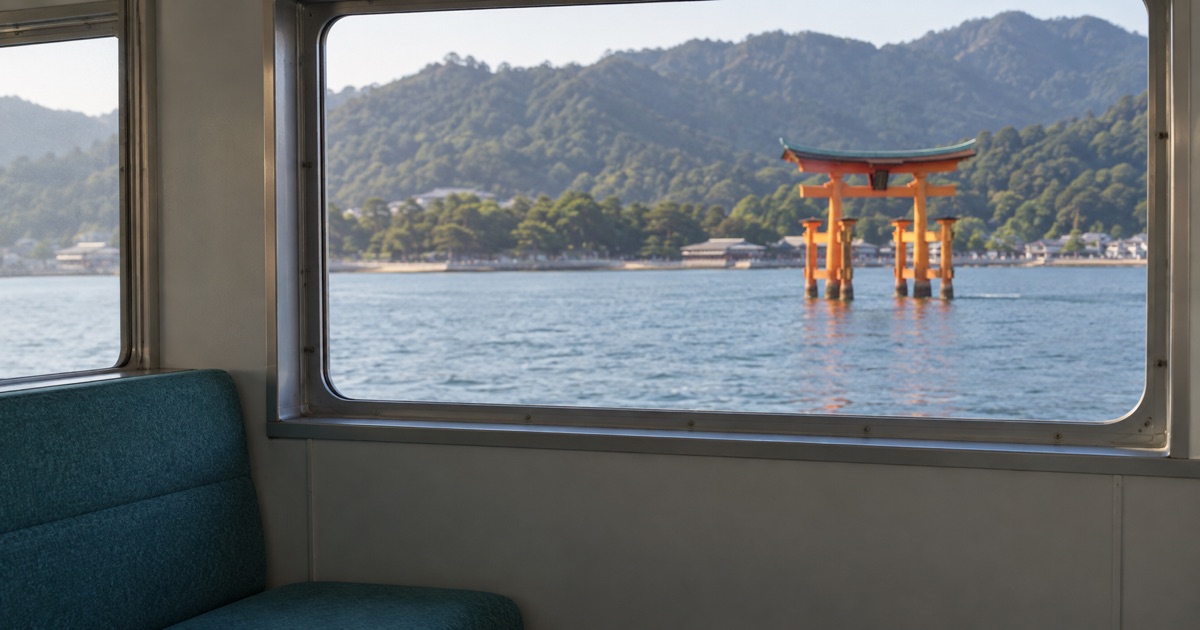
Miyajima (宮島), officially named Itsukushima (厳島), is famous for its forested peaks, friendly wild deer, and the iconic "floating" torii gate of Itsukushima Shrine (厳島神社). Located just off the coast of mainland Hiroshima Prefecture, it is one of the easiest and most rewarding excursions you can make in western Japan. Here is everything you need to know to navigate the route smoothly without speaking or reading Japanese.
The Fastest and Most Popular Route: JR Train and Ferry
For most travellers—especially those holding a rail pass—the standard combination of a JR local train and the JR ferry provides the best balance of speed, cost, and convenience.
Step 1: Hiroshima Station to Miyajimaguchi Station
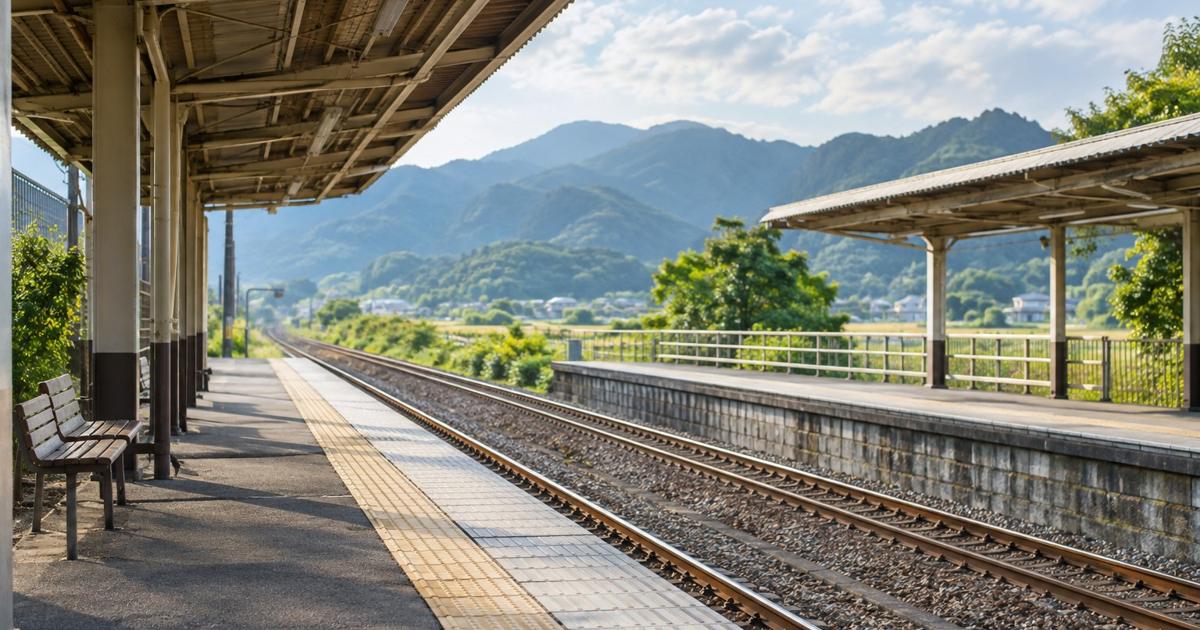
Head to Hiroshima Station, the main transit hub in the city. Look for overhead signage in English pointing toward the JR local lines. You will want the JR Sanyo Line (JR山陽本線) departing toward Iwakuni (岩国).
Trains leave frequently throughout the day, usually every 10 to 15 minutes. Board a local or rapid service; both stop at Miyajimaguchi Station. The rail journey takes between 25 and 30 minutes and costs roughly 420 yen for a standard one-way adult fare if you are not using a pass.
Step 2: Walk from the Station to the Ferry Terminal
Upon arriving at Miyajimaguchi Station, follow the clear signs written in English and marked with ferry pictograms. Exit through the ticket gates and walk straight ahead through the underpass toward the waterfront. The walk takes about two to three minutes. You will arrive at a modern, open ferry terminal complex housing ticket vending machines, waiting areas, and boarding docks.
Step 3: Boarding the Ferry to Miyajima
At the terminal, two separate companies run passenger ferries across the narrow Onoseto Strait to Miyajima:
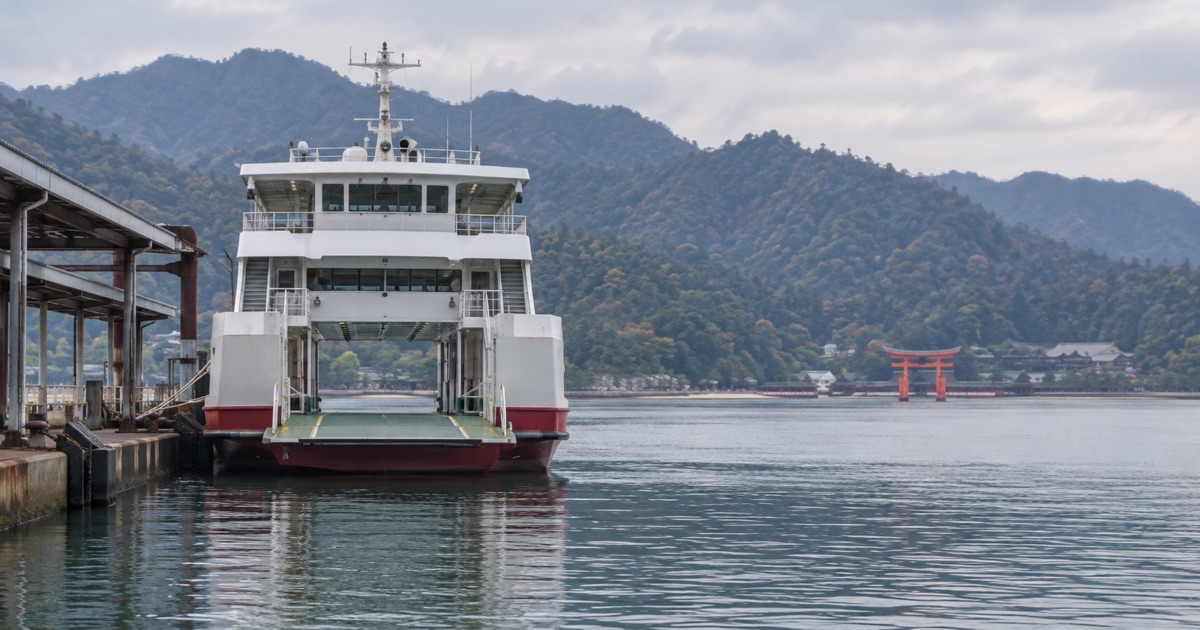
- JR West Miyajima Ferry (JR西日本宮島フェリー): The red-and-white boats. If you carry an active nationwide Japan Rail Pass or an eligible regional pass from JR West, your sea crossing is fully covered on this line. During daytime hours, JR ferries typically take a slight detour closer to the floating torii gate, giving passengers an excellent vantage point for photos from the upper deck.
- Miyajima Matsudai Ferry (宮島松大汽船): The blue-and-white boats. This private operator runs on a virtually identical schedule and reaches the island in the same amount of time. It is not covered by the standard JR Pass, but it accepts major IC cards like Suica and Pasmo.
Ferry crossings take about 10 minutes. Boats from both operators run back and forth every 10 to 15 minutes for most of the morning and afternoon. Fares are roughly 200 yen each way for adults, excluding the municipal visitor tax.
Alternative Route: The Hiroshima Peace Park Direct Boat
If you are starting your morning sightseeing at the Hiroshima Peace Memorial Park (平和記念公園) and the Atomic Bomb Dome (原爆ドーム), you do not need to backtrack to Hiroshima Station.
An express boat service, commonly called the Miyajima World Heritage Route, departs from a pier situated along the Motoyasu River, just steps from the Atomic Bomb Dome.
- Travel Time: Roughly 45 minutes one-way.
- Cost: Roughly 2,200 yen for a one-way adult ticket, or around 4,000 yen for a round-trip ticket.
- Pass Validity: This is a privately operated boat; JR passes and city streetcar passes are not valid.
The vessel cruises down the river and out into Hiroshima Bay before docking at Miyajima Pier. Because departures can be restricted by water levels, tides, or rough weather in the bay, seats are limited. If you plan to take this boat, consider stopping by the riverside pier earlier in the day to check departure boards and reserve a boarding slot.
We are working to carry Japanese craft and everyday culture beyond Japan, by building Japan Towns with local partners.
Read the Japan Town plan →Alternative Route: Hiroshima Electric Railway (Streetcar)
Another scenic option is the local streetcar, known locally as the Hiroden (広電). Line 2 runs all the way from Hiroshima Station, through downtown Hiroshima and past the Peace Memorial Park, out to the coastal terminus at Hiroden-Miyajimaguchi Station (広電宮島口駅).
- Travel Time: Around 60 to 70 minutes from Hiroshima Station to the ferry port.
- Cost: Roughly 270 yen one-way.
- Best For: Travellers holding a Hiroden 1-Day Streetcar and Ferry Pass, or those who enjoy a slower, street-level view of the suburbs.
Hiroden-Miyajimaguchi Station sits right beside the ferry terminal, making the transfer to the boat effortless. However, because streetcars make frequent stops and encounter city traffic, this route takes more than twice as long as the JR train.
Understanding the Miyajima Visitor Tax
Visitors entering the island must pay the Miyajima Visitor Tax (宮島訪問税), a municipal fee introduced by Hatsukaichi City to help maintain local infrastructure, trails, and cultural heritage.
- Amount: Around 100 yen per person per visit (or a 500 yen yearly pass for frequent visitors).
- Payment: If you buy an individual paper ferry ticket, the tax is bundled into the vending machine purchase. If you use an IC card (such as ICOCA, Suica, or Pasmo), the 100 yen tax is deducted automatically at the terminal gate.
- For JR Pass Holders: While the JR ferry ride itself is covered by your pass, the 100 yen visitor tax is not. Pass holders must purchase a visitor tax ticket at the counter or ticket machines before passing through the ticket barriers.
Practical Tips for First-Time Visitors
Luggage Storage
Miyajima is best explored on foot, and its hilly streets, gravel paths, and shrine corridors are poorly suited for rolling suitcases. Leave large luggage in hotel storage in Hiroshima, or use the coin lockers located inside Hiroshima Station or Miyajimaguchi Station. A limited number of lockers are also available at the Miyajima Pier terminal building.
Tides and the Floating Torii Gate
Itsukushima Shrine was built over tidal flats by Taira no Kiyomori (1118–1181) to avoid disturbing the sacred ground of the island. Because of this design, your view of the shrine and the giant vermilion torii gate changes dramatically throughout the day:
- High Tide: Water surrounds the shrine piers and the torii gate appears to float on the bay.
- Low Tide: Water recedes completely from the bay bed, allowing visitors to walk across the sand right up to the base of the torii gate.
Tide tables vary every day. Check local tide forecasts online or review the information board at Miyajima Pier when you arrive to plan your visit around your preferred viewing conditions.
Respecting the Wild Deer
Japanese sika deer roam freely along the island's coastal paths and shopping streets. Unlike the deer in Nara Park, feeding the deer on Miyajima is strictly prohibited. Keep food, plastic wrappers, paper maps, and train tickets tucked inside a zipped bag, as hungry deer will attempt to chew on paper and packaging.
Returning to Hiroshima in the Evening
Ferries run well into the evening, but service becomes less frequent after sunset. Most restaurants, souvenir stands along Omotesando Shopping Street, and temple complexes close by late afternoon. Plan to catch a ferry back to the mainland before late evening unless you are staying overnight at a local ryokan. For broader trip ideas across the Chugoku region, refer to the Japan National Tourism Organization.
FAQ
- Q. Does the Japan Rail Pass cover the ferry to Miyajima?
- A. The JR Pass covers the JR West Miyajima Ferry from Miyajimaguchi, but not the Matsudai Ferry or the direct Peace Park boat.
- Q. How long does the trip take from Hiroshima Station to Miyajima?
- A. The journey takes roughly 40 to 50 minutes total via the JR train to Miyajimaguchi Station and the 10-minute ferry crossing.
- Q. Is there a tourist tax when visiting Miyajima?
- A. Yes, a Miyajima visitor tax of around 100 yen per person applies, usually added automatically to your ferry ticket price.
Cite or share this article
Copy the link below. If you quote this article, please link to this page as the source.