Nakasendo Itinerary: Magome to Tsumago in a Day or Two
Key takeaways
- The classic Nakasendo day trip is the roughly 8 km walk between Magome (馬籠) and Tsumago (妻籠), doable in about 3 hours.
- Nagoya is the main gateway station; reaching the trailhead takes around 1.5–2 hours by train and bus from there.
- A day trip is possible from Tokyo, Kyoto or Osaka, but an overnight stay nearby lets you explore both villages without rushing.
Nakasendo Itinerary: How to Plan Your Trip
The most practical Nakasendo itinerary for a first-time visitor centers on walking the preserved post-town section between Magome (馬籠) and Tsumago (妻籠) in the Kiso Valley, a route of roughly 8 km that takes about 3 hours on foot. This can be done as a long day trip from Nagoya, or combined with an overnight stay for a more relaxed two-day version that includes extra time in both villages.
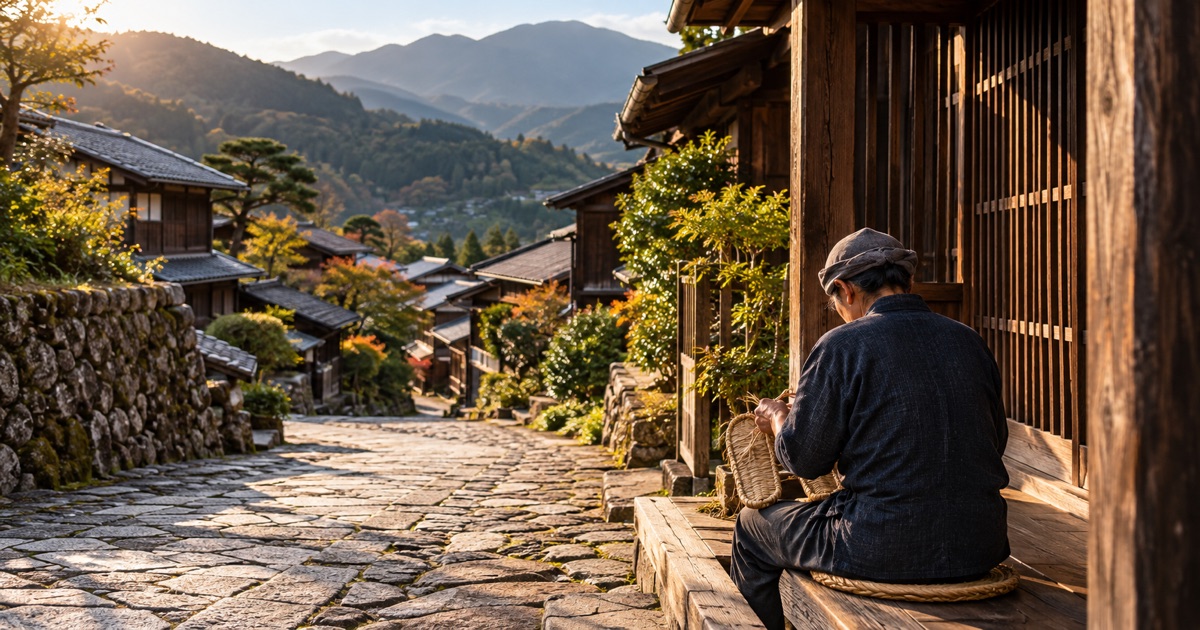
The Nakasendo (中山道) was one of the main highways connecting Edo (old Tokyo) and Kyoto during the Edo period. Today, only a few sections retain their historic atmosphere, and the Magome-Tsumago stretch is by far the most popular and accessible for visitors without a car.
Where This Trip Starts
Nagoya Station is the main gateway for this itinerary, whether you're coming from Tokyo, Kyoto or Osaka. From Nagoya, you'll transfer to a local JR line and then a bus to reach the trailhead. Because of these connections, plan for a full day if doing this from Tokyo or Kansai, or consider breaking up the trip with a night in the Kiso Valley region.
Travelers can check train schedules and route options in advance through JR Central, since the Tokaido Shinkansen connects Tokyo, Kyoto, Osaka and Nagoya.
Getting to Magome and Tsumago
From Tokyo
- Take the Tokaido Shinkansen from Tokyo Station to Nagoya (around 1.5–2 hours).
- At Nagoya, transfer to a limited express or local train bound for Nakatsugawa (中津川) on the JR Chuo Line (roughly 50–80 minutes depending on the train).
- From Nakatsugawa Station, take a local bus to Magome (around 25–30 minutes).
Total one-way travel time from Tokyo is typically around 4–5 hours including waits, so an early start is important if attempting this as a day trip.
From Kyoto or Osaka
- Take the Tokaido Shinkansen to Nagoya (around 35–55 minutes from Kyoto, slightly longer from Osaka).
- Follow the same steps above: train to Nakatsugawa, then bus to Magome.
Overall travel time from Kyoto or Osaka is roughly similar to or slightly shorter than from Tokyo, generally in the 3.5–4.5 hour range one-way.
Alternative Entry Point: Tsumago via Nagiso
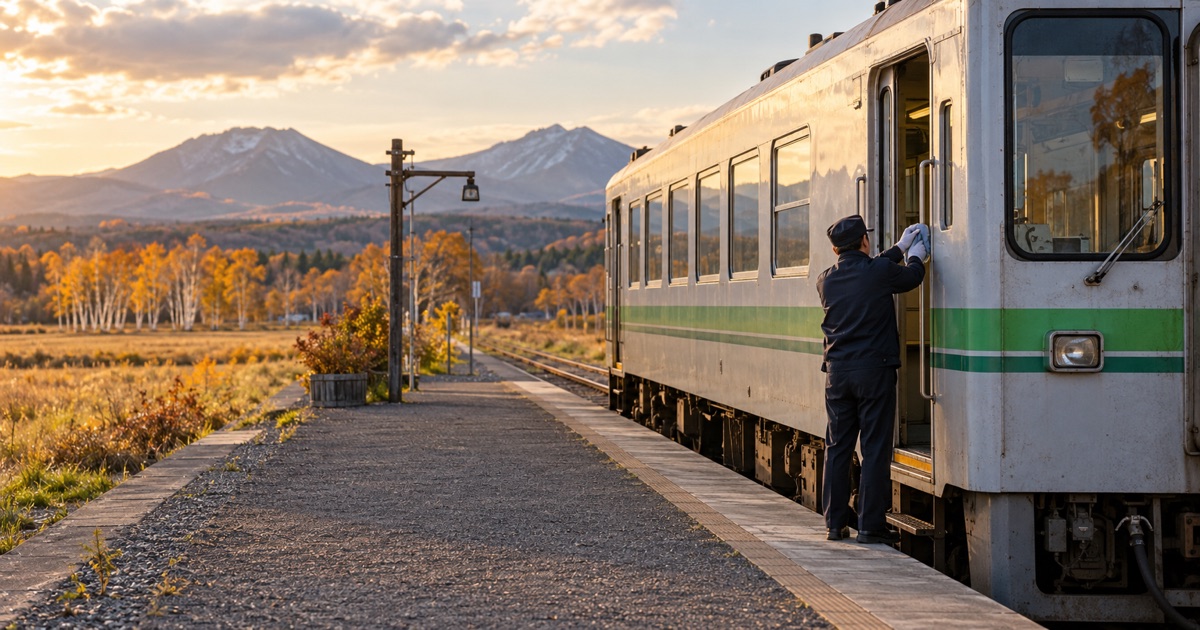
Some travelers prefer to start at Tsumago instead. In that case, take the JR Chuo Line to Nagiso Station (南木曽), then a short local bus ride to Tsumago itself. Walking from Tsumago to Magome is just as valid as the reverse direction, and some say it feels slightly easier due to the direction of the uphill sections.

We are working to carry Japanese craft and everyday culture beyond Japan, by building Japan Towns with local partners.
Read the Japan Town plan →A Sample One-Day Itinerary
- Morning: Depart from your home base (Tokyo, Kyoto or Osaka) via Shinkansen to Nagoya, then transfer toward Nakatsugawa.
- Late morning: Arrive in Magome, browse the sloped main street lined with wooden buildings, shops and small cafes.
- Midday: Begin the walk toward Tsumago. The trail passes through forest, small waterfalls and a couple of rural hamlets before descending into Tsumago.
- Afternoon: Explore Tsumago's main street, which has restricted car access and retains a strong Edo-period atmosphere.
- Late afternoon: Take the local bus back to Nagiso Station, then the train back to Nagoya and onward Shinkansen home.
This schedule is tight if starting from Tokyo, so check the first available Shinkansen departure times and build in buffer time for bus connections, which may run on an infrequent schedule.
A Sample Two-Day Itinerary
For a more comfortable pace:
- Day 1: Travel to the Kiso Valley area in the morning, walk from Magome to Tsumago in the afternoon, and stay overnight in or near Tsumago or nearby Nagiso.
- Day 2: Spend the morning exploring Tsumago more thoroughly, then take the bus and train back toward Nagoya and your return journey.
Staying overnight allows you to see the villages in quieter early morning or evening light, before and after the day-trip crowds arrive.
What to Bring
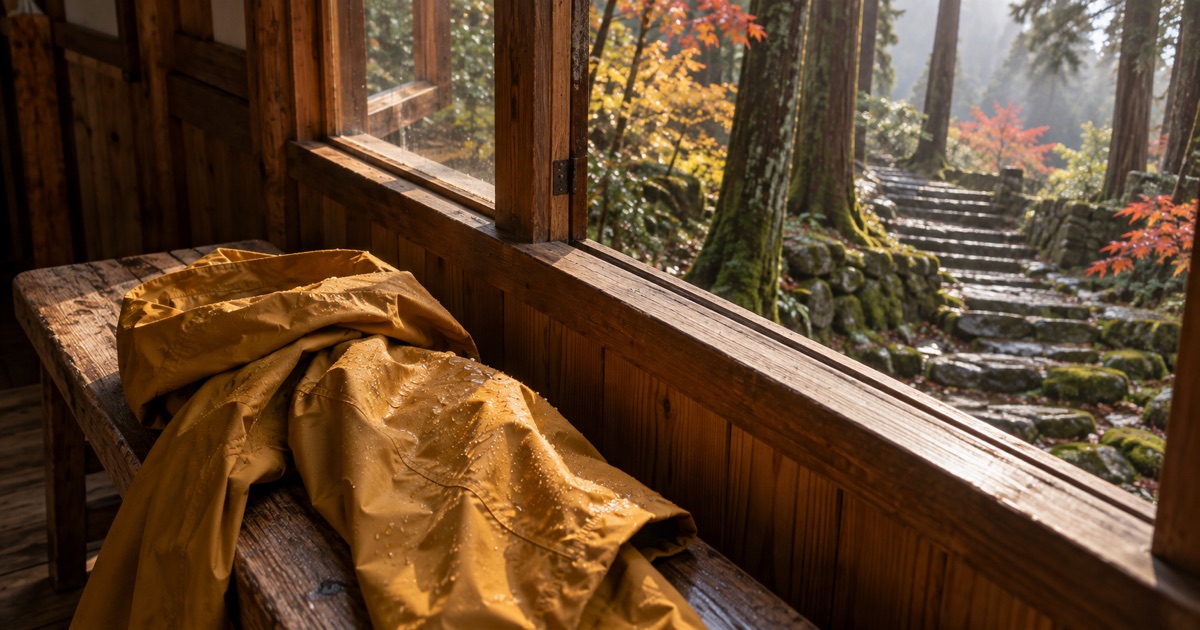
- Comfortable walking shoes: The trail includes paved sections, dirt paths and some uneven stone steps, particularly near the Magome Pass.
- Water and a light snack: There are rest points along the way, but it's wise not to rely entirely on them.
- Cash: Many small shops, cafes and bus services in this rural area may not accept cards.
- Layered clothing: Weather in the valley can shift during the day, and the walk includes both sun-exposed and shaded sections.
- A physical or offline map: Mobile signal can be unreliable in parts of the trail.
Common Mistakes to Avoid
- Underestimating travel time. The train and bus connections from Nagoya take longer than many visitors expect, especially with infrequent bus schedules.
- Starting too late in the day. Missing the last bus back from Nagiso or Nakatsugawa can disrupt your return trip, so check bus times as soon as you arrive.
- Assuming the whole Nakasendo is walkable in a day. The historic road once stretched between Kyoto and Tokyo; only the Magome-Tsumago section is realistic for most visitors.
- Not checking for seasonal closures. Some facilities along the route may close on specific days or reduce hours outside peak travel seasons, so confirm details locally or via official sources before traveling.
Best Time to Walk the Nakasendo
Spring (April–May) and autumn (October–November) are generally considered the most comfortable seasons, with milder temperatures and, in autumn, colorful foliage along the trail. Summer can be humid, and winter walks are possible but may involve icy patches on shaded sections, so proper footwear becomes even more important. Conditions vary year to year, so check recent updates before a winter visit.
Planning Resources
Because train schedules, bus frequencies and facility hours can change, it's worth checking current information before your trip. The Japan National Tourism Organization offers general trip-planning resources, and JR Central provides Shinkansen timetable tools for the Tokyo-Nagoya-Kyoto-Osaka corridor that forms the backbone of this itinerary.
With the right timing and a bit of planning around bus connections, the Magome-Tsumago walk offers a rewarding glimpse into Japan's Edo-period travel history, accessible to independent travelers without a car.
FAQ
- Q. Can I do the Nakasendo Trail as a day trip from Tokyo?
- A. Yes, it's possible but long. Expect roughly 5-6 hours of total travel time each way including local buses, so most of the day is spent in transit. An overnight stop in the Kiso Valley area makes the trip more relaxed.
- Q. Do I need to walk the entire Nakasendo Trail?
- A. No. Almost all visitors walk only the Magome-Tsumago section, which is around 8 km and takes about 3 hours at a relaxed pace. The full historic Nakasendo route between Kyoto and Tokyo covers hundreds of kilometers and is not practical for a day trip.
- Q. Is the Magome-Tsumago walk difficult?
- A. It includes some uphill sections, especially near the Magome Pass, but it is generally considered manageable for people with average fitness and comfortable shoes. Trail conditions can vary with weather, so check for any posted notices locally.
Cite or share this article
Copy the link below. If you quote this article, please link to this page as the source.