Naoshima Itinerary: The Perfect One Day Art Island Trip
Key takeaways
- A one-day Naoshima trip works best if you start from Okayama Station and catch an early ferry from Uno Port.
- Prebooking tickets for the Chichu Art Museum is strongly recommended since entry is time-controlled and numbers are limited.
- Renting a bicycle or using the island's loop bus is the most realistic way to cover both the Miyanoura and Honmura areas in a day.
Naoshima in One Day: Is It Possible?
Yes, a one-day Naoshima itinerary is realistic if you start early from Okayama Station and plan your route in advance. With careful timing you can see one or two of the island's major art museums, walk through part of the Art House Project in Honmura, and photograph Yayoi Kusama's famous pumpkin sculptures, all in a single day trip.
Naoshima (直島) is a small island in the Seto Inland Sea known for contemporary art museums, outdoor installations, and a handful of villages that have been quietly transformed by art projects over the past few decades. It sits between Okayama and Kagawa prefectures, and it is doable as a day trip from Osaka, Kyoto, or even Tokyo if you are willing to start early and come back late.
Getting to Naoshima from Osaka, Kyoto or Tokyo
The gateway to Naoshima is Okayama Station (岡山駅). From there:
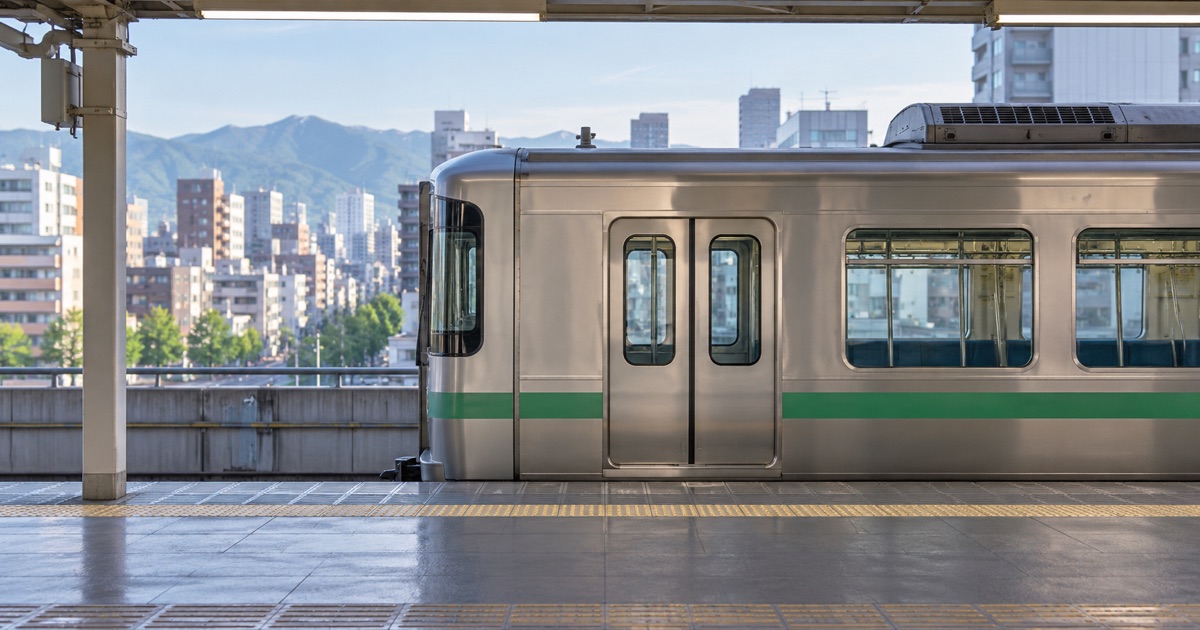
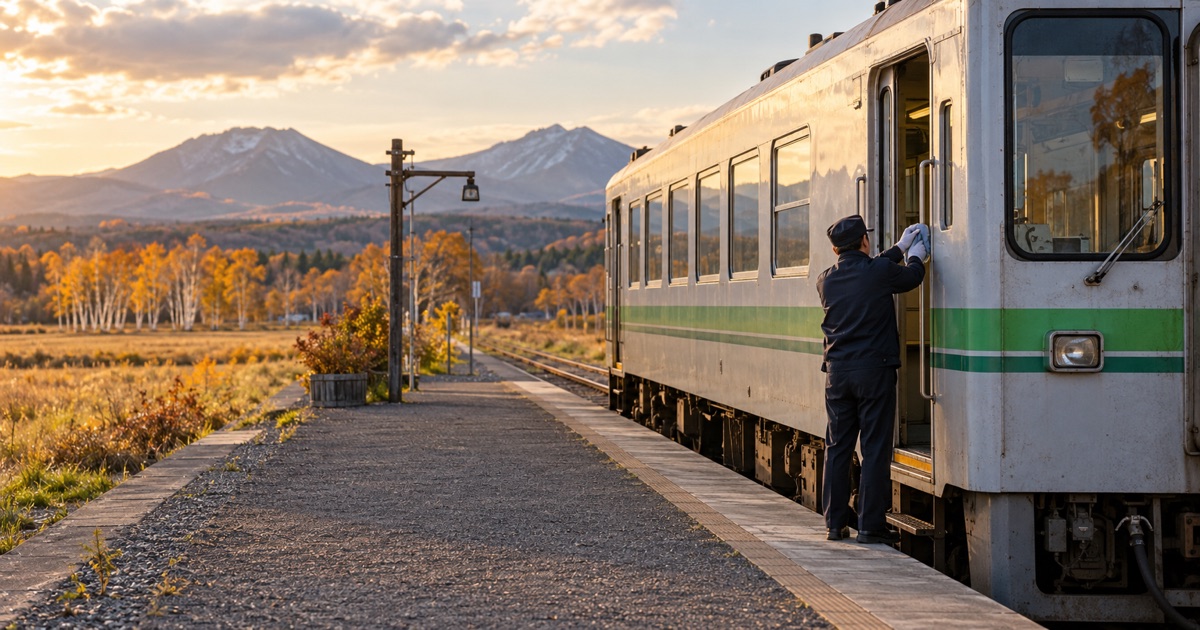
- From Okayama Station, take a local JR train on the Uno Line to Uno Station (宇野駅), which is the port town. The ride takes roughly 40 to 50 minutes.
- From Uno Port, walk a few minutes to the ferry terminal and take a ferry to Miyanoura Port (宮浦港) on Naoshima. The crossing takes around 15 to 20 minutes.
To reach Okayama Station in the first place:
- From Osaka, take the Sanyo Shinkansen to Okayama Station, a ride of roughly 45 minutes.
- From Kyoto, the Shinkansen to Okayama takes roughly 1 hour.
- From Tokyo, the Tokaido and Sanyo Shinkansen combined takes roughly 3.5 to 4 hours, which makes a one-day round trip very tight. If you are coming from Tokyo, consider staying overnight in Okayama or on the island itself rather than attempting a same-day return.
Shinkansen schedules, ferry timetables and fares change, so check current times on JR West and confirm ferry departures before you travel, since the Uno-Naoshima ferry is run by a separate operator and does not appear on JR timetables.
A note on passes: if you already hold a Japan Rail Pass or a regional JR West pass that covers the Sanyo Shinkansen and the Uno Line, your Okayama leg may be covered, but the ferry itself is not a JR service and will need to be paid separately.
We are working to carry Japanese craft and everyday culture beyond Japan, by building Japan Towns with local partners.
Read the Japan Town plan →Planning Your Route Around the Island
Naoshima has three main areas to think about: Miyanoura, the port town where ferries arrive and where you will likely start and end your day; Honmura, a traditional village on the east side known for the Art House Project; and the Benesse Art Site area to the south, home to the Chichu Art Museum, the Benesse House Museum, and the beach where one of the large Kusama pumpkin sculptures stands.
Because these areas are spread out and the island has real hills, walking between all of them in one day is not practical. Most visitors rely on one of the following:
- The island's community loop bus, which connects Miyanoura, Honmura, and the museum area. It is affordable but can get crowded, especially around midday.
- Rental bicycles, available near Miyanoura Port, including electric-assist models that make the hillier southern route more manageable.
- Taxis, which exist in limited numbers and should not be relied on as your main transport.
For a one-day visit, renting an electric bicycle near the port is often the most flexible option, since it lets you move between areas on your own schedule rather than waiting for a bus.
A Sample One-Day Naoshima Itinerary
Morning: Arrival and the Art House Project
Arrive at Miyanoura Port in the morning and pick up a rental bicycle if you plan to use one. Head toward Honmura to explore the Art House Project, a set of old houses and a former dentist's building that have been reimagined by artists while keeping much of their original structure. You buy a ticket that covers multiple houses, and you can walk between them in any order within the village.
Midday: Chichu Art Museum or Benesse House
After lunch, move toward the Benesse Art Site area for either the Chichu Art Museum, built mostly underground and known for its James Turrell and Claude Monet rooms, or the Benesse House Museum, which combines a museum and lodging facility surrounded by outdoor sculpture. Both require paid admission, and the Chichu Art Museum in particular limits the number of visitors allowed in at a time, so advance online booking is strongly recommended rather than assumed.
If you only have time for one museum, decide in advance based on your interest: Chichu for a quieter, architecture-focused experience, or Benesse House for a broader mix of museum and outdoor art along the coast.
Afternoon: Kusama Pumpkins and the Coast
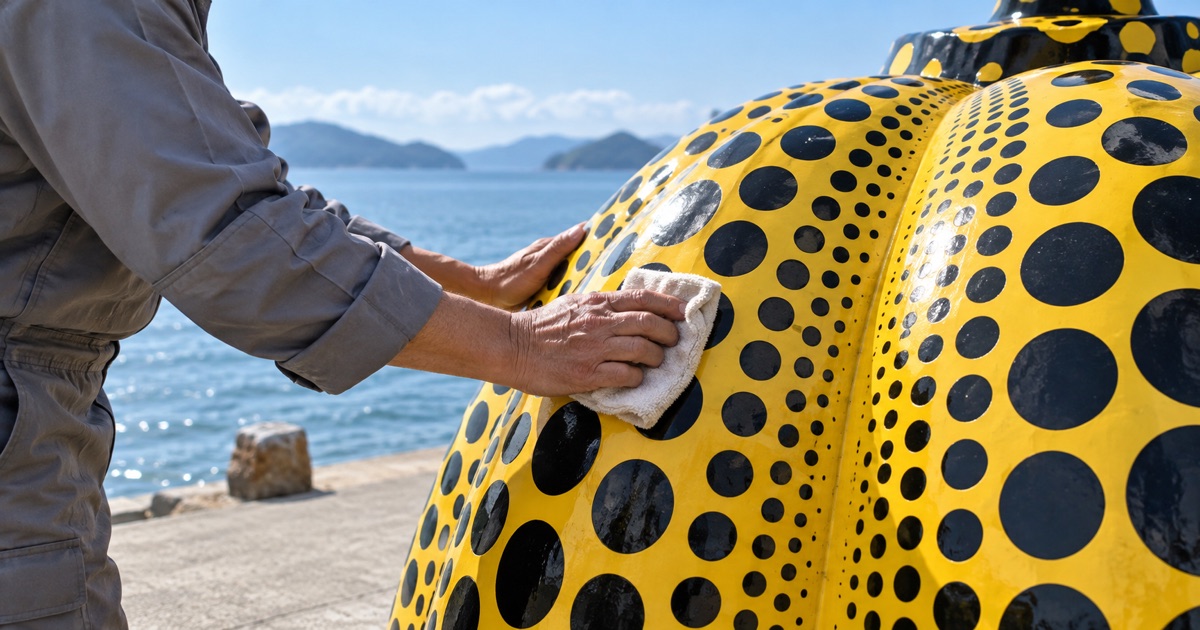
Nearby, you will find one of Yayoi Kusama's yellow pumpkin sculptures on a small pier, one of the most photographed spots on the island. There is also a black pumpkin sculpture near Miyanoura Port, so if your ferry schedule allows, save a little time to see both rather than assuming they are in the same place.
Evening: Return Ferry to Uno Port
Build in extra time before your planned return ferry, since island buses and even taxis can run behind schedule during busy periods. From Miyanoura Port, take the ferry back to Uno Port, then the JR local train back to Okayama Station, where you can connect to the Shinkansen toward Osaka, Kyoto, or Tokyo.
What to Bring and Common Mistakes
- Bring cash. Some ferry ticket counters, small shops, and food stalls on the island may not accept cards.
- Book Chichu Art Museum tickets online in advance rather than assuming you can buy them on arrival, especially on weekends, holidays, and during art festival periods.
- Check the ferry schedule for your return trip before you start sightseeing, so you are not caught out by a gap between departures.
- Wear comfortable shoes. Honmura's streets and the museum area both involve walking on slopes and uneven ground.
- Do not try to see everything. Naoshima rewards a slower pace, and rushing between every museum in one day usually means seeing less of each.
- Confirm museum closing days, since some facilities close on specific weekdays, and this can vary by season. Always check official sources before finalizing your plan.
Before You Go
Because ferry schedules, museum hours, and ticket systems change from time to time, confirm the latest details directly with official sources before your trip. The Japan National Tourism Organization offers general trip-planning information for the Setouchi region, and JR West can help you check current Shinkansen and local train timetables for the Okayama route.
With an early start from Okayama Station, a booked museum ticket, and a loose plan rather than a packed one, a one-day Naoshima itinerary is a genuinely workable way to experience one of Japan's most distinctive art destinations.
FAQ
- Q. Is one day enough to see Naoshima?
- A. One day is enough to see the main highlights, such as one or two major museums, the Art House Project, and the Yayoi Kusama pumpkins, but you will not see everything the island offers.
- Q. Do I need to book tickets in advance for Naoshima?
- A. It is strongly recommended to book the Chichu Art Museum online in advance, since it limits visitor numbers and can sell out, especially on weekends and holidays.
- Q. How do I get to Naoshima from Osaka or Kyoto?
- A. Take a Shinkansen or regular train to Okayama Station, transfer to a local train bound for Uno Port, then take a ferry to Naoshima's Miyanoura Port.
Cite or share this article
Copy the link below. If you quote this article, please link to this page as the source.