Okinawa Itinerary: How to Plan Your Trip by Train and Bus
Key takeaways
- Okinawa is reached by air, not by Japan Rail Pass routes, so budget flight time and cost separately from the rest of your Japan trip.
- A realistic first-time itinerary is 4-6 days: 1-2 days in Naha, then 2-4 days exploring the central and northern main island or a nearby outer island.
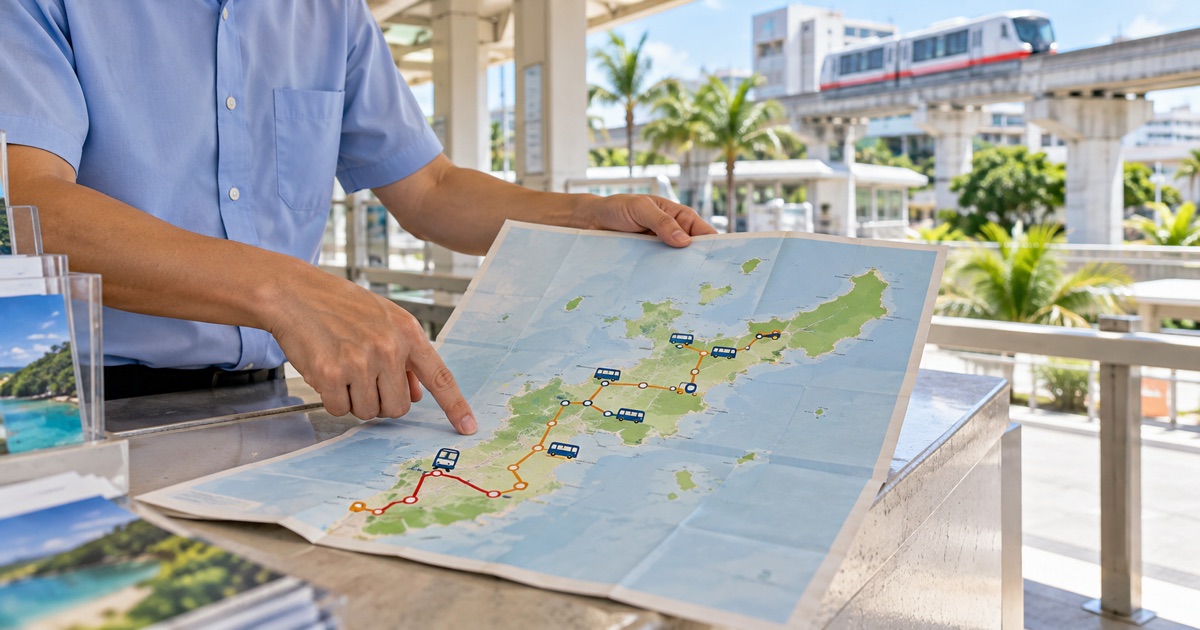
- Naha's Yui Rail monorail covers the city center, but a rental car or bus is needed for most beaches, Churaumi Aquarium and northern Okinawa.
Okinawa Itinerary: The Short Answer
For a first-time visit, plan on 4 to 6 days, flying into Naha (那覇) and splitting your time between the city, the central/northern main island, and possibly one outer island. Okinawa is a subtropical island chain in southern Japan with its own culture, food and pace, so it works best as a standalone trip rather than a quick add-on to Tokyo, Kyoto or Osaka.
Because Okinawa sits far south of the rest of Japan, this itinerary starts from an airport, not a mainland train station. Flights depart from Tokyo (Haneda or Narita), Osaka (Kansai or Itami) and other major cities, with flight time to Naha Airport (那覇空港) of roughly 2.5 to 3 hours from Tokyo and a bit less from Osaka.
Before You Go: What Makes Okinawa Different
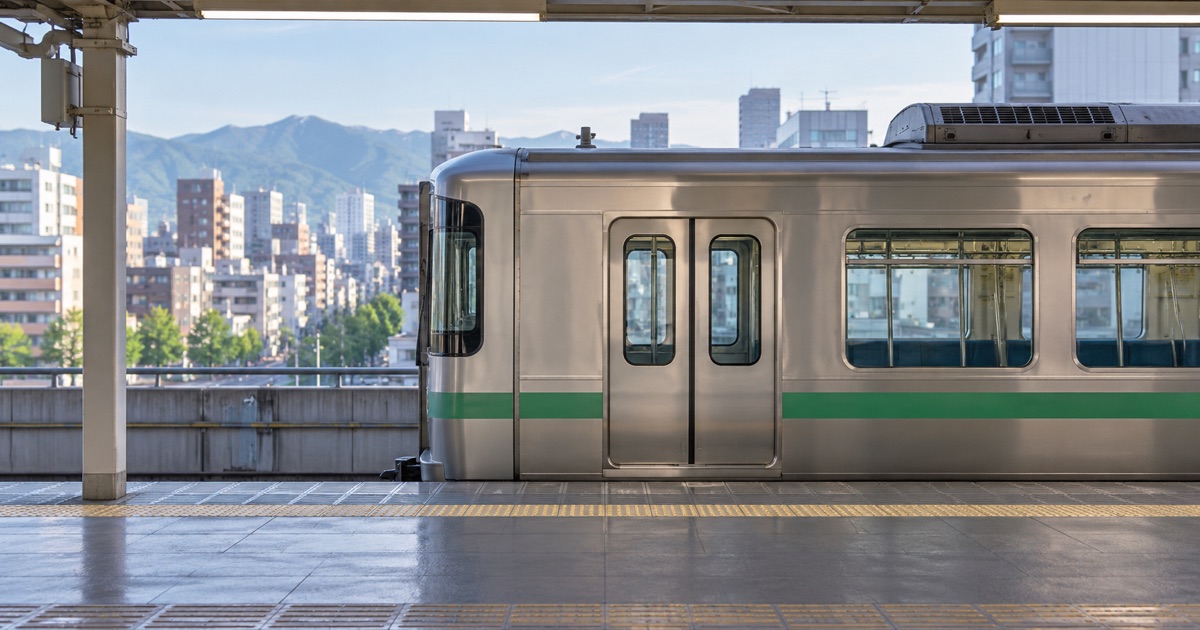
Okinawa has no Shinkansen or JR network, so a Japan Rail Pass is not valid there. Getting around relies on a monorail in Naha, local buses, and — for most visitors — a rental car. If you don't plan to drive, it's worth building your itinerary around Naha and tour options that include transport, since bus coverage outside the city is limited and infrequent in places.
The climate is subtropical. Summer (June to September) is hot, humid and occasionally affected by typhoons, which can disrupt flights and ferries with little notice. Many visitors find spring (April-May) and autumn (October-November) more comfortable for sightseeing, though the sea stays swimmable for longer than on the Japanese mainland. Always check forecasts and flight status close to your travel dates, since conditions can change quickly.
What to Bring
- Sun protection: hat, sunglasses and reusable water bottle — the sun is strong even on cloudy days
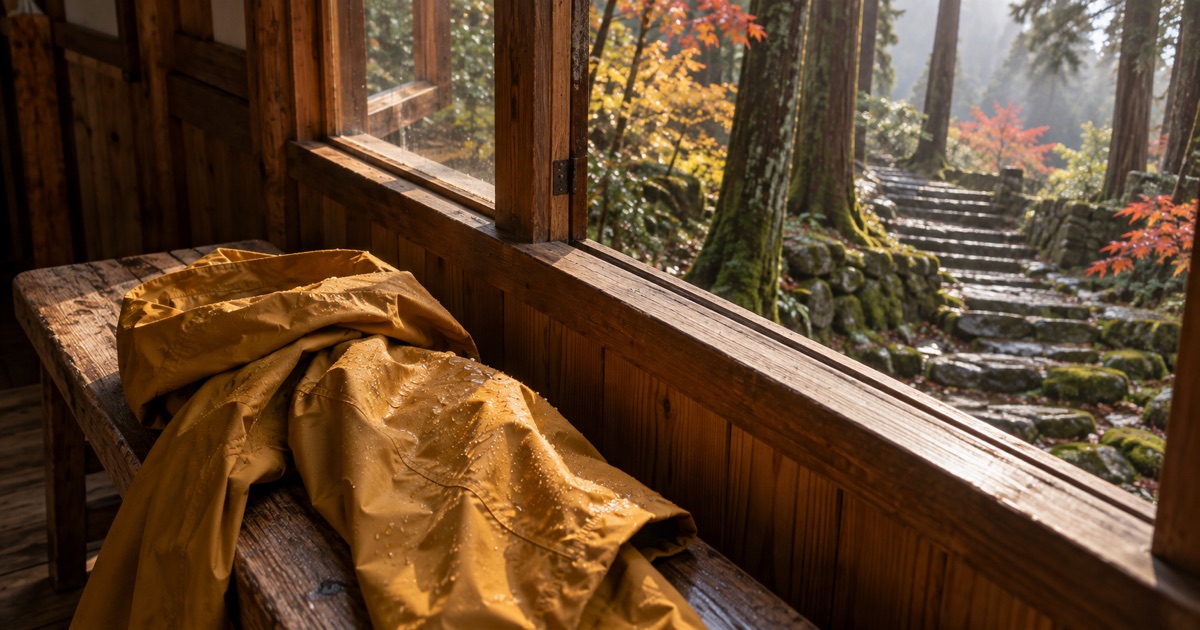
- A light rain jacket, since showers can be sudden
- A Japanese driver's license translation or International Driving Permit if you plan to rent a car (requirements depend on your home country, so check current rules before booking)
- Swimwear and reef-safe sunscreen if you plan to swim or snorkel
- Cash, as some smaller shops and guesthouses outside central Naha may not accept cards
We are working to carry Japanese craft and everyday culture beyond Japan, by building Japan Towns with local partners.
Read the Japan Town plan →Day 1-2: Naha and Central Okinawa
Most itineraries begin in Naha, the prefectural capital. From Naha Airport, the Yui Rail (ゆいレール) monorail connects directly to central Naha and onward toward Shuri, making it an easy way to reach your accommodation without a car.
Suggested focus for the first couple of days:
- Shuri Castle area (首里城): the former royal castle of the Ryukyu Kingdom. The main structures have been affected by fire in the past and restoration work continues, so check the official status before visiting and treat any description of current buildings as subject to change.
- Kokusai-dori (国際通り): Naha's main shopping and dining street, good for trying Okinawan dishes such as goya champuru (bitter melon stir-fry) and Okinawa soba.
- Makishi Public Market area: a lively covered market good for a casual lunch and local produce.
Naha is walkable in the center, and the Yui Rail makes a reasonable one-day pass worth considering if you're moving between several stops along the line. Confirm current fares and pass options on arrival, as these are adjusted periodically.
Day 3-4: Central and Northern Main Island
This is where a rental car becomes genuinely useful. Central and northern Okinawa hold some of the island's best-known attractions, and public transport between them is sparse.
- Churaumi Aquarium (美ら海水族館): one of Okinawa's most popular attractions, roughly a 1.5 to 2-hour drive north from Naha. Direct bus services also run from Naha, though journey times are longer than driving and schedules should be checked in advance.
- American Village (美浜アメリカンビレッジ) in Chatan: a shopping and dining area with a distinct mixed Okinawan-American atmosphere, reflecting the island's history and the presence of US military bases.
- Beaches along the west coast, such as those around Onna Village, which tend to have calmer, clearer water than beaches closer to Naha.
If driving, note that Okinawa traffic moves on the left, as on the mainland, but rental agencies are used to overseas visitors and most provide English-language support and GPS units. Allow extra time for unfamiliar roads and for stopping at roadside "michi no eki" rest stops, which are good for local snacks and produce.
Day 5-6 (Optional): An Outer Island
With extra time, many visitors add a day trip or overnight stay on a nearby island. The Kerama Islands (慶良間諸島), roughly 30-50 minutes from Naha by high-speed ferry, are known for clear water and snorkeling, and can realistically be done as a long day trip from Naha. Further-flung islands such as Ishigaki or Miyako require a separate flight from Naha and suit travelers with more time, rather than a quick add-on.
If a day trip to Kerama interests you, book ferry tickets a day ahead where possible, especially in peak summer months, and confirm the return schedule carefully — missing the last boat back means an unplanned overnight stay.
Sample 5-Day Okinawa Itinerary
- Day 1: Fly into Naha, settle in, evening on Kokusai-dori
- Day 2: Shuri Castle area, Naha market, relaxed city sightseeing
- Day 3: Pick up rental car, drive north, Churaumi Aquarium, overnight near Onna or Nago
- Day 4: West coast beaches, American Village on the way back, return car in Naha
- Day 5: Ferry day trip to the Kerama Islands, or a final morning in Naha before flying out
Adjust the order depending on your flight times and whether typhoon season affects ferry schedules during your visit.
Common Mistakes to Avoid
- Assuming the Japan Rail Pass works in Okinawa. It doesn't — there's no JR network on the islands, so factor flight costs into your budget separately.
- Underestimating driving distances. Okinawa's main island looks small on a map, but winding coastal roads mean northern attractions take longer to reach than straight-line distance suggests.
- Skipping a rental car and relying only on buses. This works for Naha but will make the north frustrating; consider a guided tour or private transfer if you'd rather not drive.
- Traveling in peak typhoon season without flexibility. If visiting in summer or early autumn, build a buffer day into your itinerary in case of flight or ferry delays.
Planning Resources
Before booking, check current flight routes, seasonal weather patterns and any travel advisories through the Japan National Tourism Organization, which maintains updated information for visitors planning trips to Okinawa and other regions. If your trip to Okinawa connects with mainland travel by Shinkansen, confirm route and pass details through JR Central or the relevant JR operator for your route, since Okinawa itself falls outside the JR network.
FAQ
- Q. How many days do you need for an Okinawa itinerary?
- A. Most first-time visitors are comfortable with 4 to 6 days, which allows a day or two in Naha plus time to explore the central or northern part of the main island, or add a short trip to a nearby island such as Kerama.
- Q. Do you need a car to get around Okinawa?
- A. A rental car is strongly recommended outside of Naha, since beaches, the aquarium and northern attractions have limited or infrequent bus service; within Naha, the Yui Rail monorail and buses are enough.
- Q. Can you use the Japan Rail Pass in Okinawa?
- A. No, Okinawa has no JR train network, so the Japan Rail Pass cannot be used there; you will need to fly to Okinawa and budget separately for getting around once you arrive.
Cite or share this article
Copy the link below. If you quote this article, please link to this page as the source.