Okinawa Itinerary Without a Car: A Realistic Train & Bus Guide
Key takeaways
- Naha Airport connects directly to the Yui Rail monorail, making central Naha and Shuri easy without a car.
- Beyond Naha, Okinawa relies mainly on buses, so build in extra time and check routes the day before.
- A 3-4 day itinerary focused on Naha, Shuri, and nearby coastal spots works well without driving; the far north is harder without a car.
Can You Do an Okinawa Itinerary Without a Car?
Yes, a car-free Okinawa itinerary is realistic if you base yourself in Naha (那覇) and focus on the monorail-connected sights plus a few well-served bus routes. It takes more planning than driving yourself, but first-time visitors without a Japanese driving background, or those who simply prefer trains and buses, can still cover Shuri Castle, central Naha, and several coastal and cultural spots over three to four days.
Okinawa is different from Tokyo, Kyoto, or Osaka in one important way: there is no train network outside the Yui Rail (ゆいレール) monorail in Naha. Everything beyond that line depends on buses, which run less frequently and are not always easy to navigate without Japanese reading ability. This guide focuses on what is genuinely workable without a car, and is honest about where a car-free trip gets harder.
Where This Trip Starts
Almost every car-free Okinawa itinerary starts at Naha Airport (那覇空港), which has its own Yui Rail station directly inside the terminal building. This is the only airport in Okinawa with a rail link, so flying into Naha is the natural starting point for this kind of trip. Most visitors arrive via a domestic flight from Tokyo (Haneda or Narita), Osaka (Kansai or Itami), or other major Japanese cities, since there is no rail or ferry connection from mainland Japan that makes sense for a short trip.
Getting Around: The Yui Rail and Buses
The Yui Rail Monorail
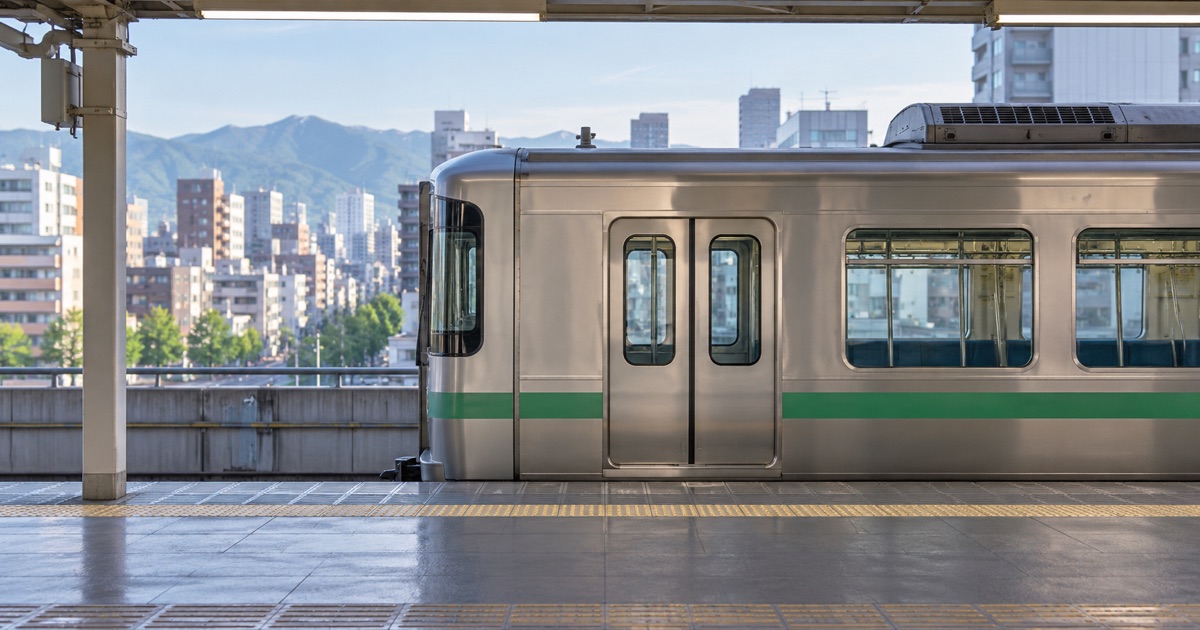
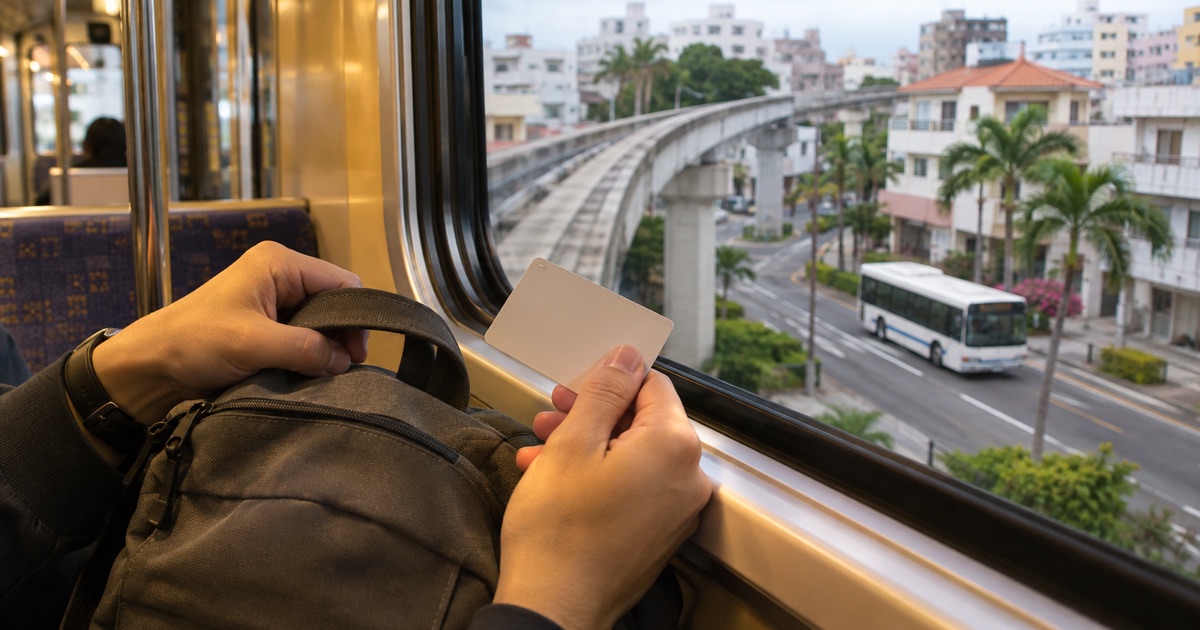
The Yui Rail is a single monorail line running from Naha Airport through central Naha up to Shuri, with around fifteen stations along the route. A one-way ride across most of the line takes roughly 30 to 40 minutes, and trains run at intervals of several minutes during the day, thinning out at night. This is the only rail-based public transport on the islands, so it's worth building your base and first couple of days around it.
A day pass for the Yui Rail is sold at stations and can be worthwhile if you're moving back and forth between Naha and Shuri more than two or three times in a day. Prices and pass details can change, so check current fares at the station or on official tourism information before you travel.
Buses: The Main Way to Reach Everything Else
Once you leave the monorail's reach, Okinawa's public transport is almost entirely bus-based. Several bus companies operate routes connecting Naha with central and northern Okinawa, including highway buses to areas like Nago (名護) in the north. These buses are usable by non-Japanese speakers, but:
- Route numbers and destinations are often displayed in Japanese first, with English signage inconsistent between buses and stops.
- Schedules can be infrequent, sometimes with an hour or more between departures outside peak times.
- Exact fares depend on distance traveled and are usually paid when you get off, either in cash or with an IC card.
It's common for first-time visitors to underestimate how long bus journeys take in Okinawa. A trip that looks short in kilometers on a map can take over an hour by bus because of traffic and indirect routing. Always build in extra time, especially for anything with a flight or ferry connection afterward.
Practical tip: A Japan-issued IC card (such as Suica or similar) often works on Okinawa's monorail and many buses, which saves fumbling for exact change. Carry some cash as backup anyway, since not every bus route accepts IC cards reliably.

We are working to carry Japanese craft and everyday culture beyond Japan, by building Japan Towns with local partners.
Read the Japan Town plan →A Car-Free Okinawa Itinerary: Day by Day
Day 1: Arrival and Naha City
Land at Naha Airport, take the Yui Rail into central Naha, and check into accommodation near a monorail station for convenience. Spend the afternoon around Kokusai-dori (国際通り), Naha's main shopping and dining street, which is walkable from several monorail stops. This is a low-key first day to adjust after travel, and almost everything is within walking distance once you're off the monorail.
Day 2: Shuri Castle and Historic Naha
Ride the Yui Rail to Shuri Station (首里駅) and walk up to the Shuri Castle (首里城) grounds, the former seat of the Ryukyu Kingdom. The castle complex has been rebuilt following a fire in 2019, and restoration work has continued since, so check the official status before visiting in case parts of the site are closed. Afterward, head back toward central Naha and explore nearby historic districts on foot or by local bus.
Day 3: A Coastal or Cultural Day Trip by Bus
This is the day where bus planning matters most. Depending on your interests, a bus from Naha can take you to:
- Southern Okinawa's war memorial sites and coastal viewpoints, generally a shorter bus ride than heading north.
- Central Okinawa's American Village (美浜アメリカンビレッジ) area in Chatan, a waterfront shopping and dining district reachable by bus from Naha in under an hour in good traffic.
Check bus schedules the evening before using information from your accommodation or official tourism resources, since timetables can be sparse on weekends and holidays.
Day 4 (Optional): Churaumi Aquarium by Highway Bus
Okinawa Churaumi Aquarium (沖縄美ら海水族館), one of the most visited attractions in Okinawa, sits in the far north near Motobu, roughly two hours or more from Naha by highway bus depending on traffic and route. This is doable without a car but works best as a dedicated full-day trip: take an early bus, allow time at the aquarium and surrounding Ocean Expo Park, and confirm the return bus schedule before you go, since services thin out later in the day. This is the single trip in this itinerary where a car genuinely saves the most time, so weigh whether the bus journey fits your schedule and patience for travel days.
Common Mistakes to Avoid
- Assuming buses run as frequently as Tokyo trains. They don't; always check timing in advance rather than showing up and expecting a bus soon.
- Not carrying cash. Some buses and smaller shops don't accept cards or IC cards reliably.
- Underestimating travel time to the north. Motobu and Nago are far from Naha by bus; don't pack two major northern sights into one day without a car.
- Skipping advance research on Shuri Castle's status. Reconstruction work has affected visitor areas in recent years, so check before building your day around it.
Planning Resources
For current transport information, fares, and any service changes, check the Japan National Tourism Organization site before your trip, and confirm flight and rail connections to Naha through your airline or travel agent, since schedules and passes can change without notice.
A car-free Okinawa trip rewards slower planning and a willingness to build buffer time around buses. Focus on Naha, Shuri, and one or two well-chosen bus day trips, and you'll come away with a solid first look at Okinawa without needing to drive.
FAQ
- Q. Can you really see Okinawa without renting a car?
- A. Yes, especially around Naha and the southern/central mainland, where the Yui Rail monorail and local buses cover most major sights, though services run less frequently than in Tokyo or Osaka.
- Q. Is public transport in Okinawa reliable for tourists?
- A. It's usable but limited compared to mainland Japan; buses can be infrequent, so check timings in advance and allow buffer time, especially for return trips in the evening.
- Q. Do I need a car to visit Churaumi Aquarium without driving?
- A. It's possible by highway bus from Naha, but the ride is long (roughly two hours or more each way), so it works best as a full-day trip with an early start.
Cite or share this article
Copy the link below. If you quote this article, please link to this page as the source.