Things to Do in Niseko: Winter and Summer Guide
Key takeaways
- World-class powder snow covers four interconnected resorts on Mount Annupuri every winter.
- Summer offers hiking on Mount Yotei, rafting down the Shiribetsu River, and local farm-to-table dining.
- Reach Niseko independently by JR Hokkaido train or seasonal express bus from Sapporo and Otaru.
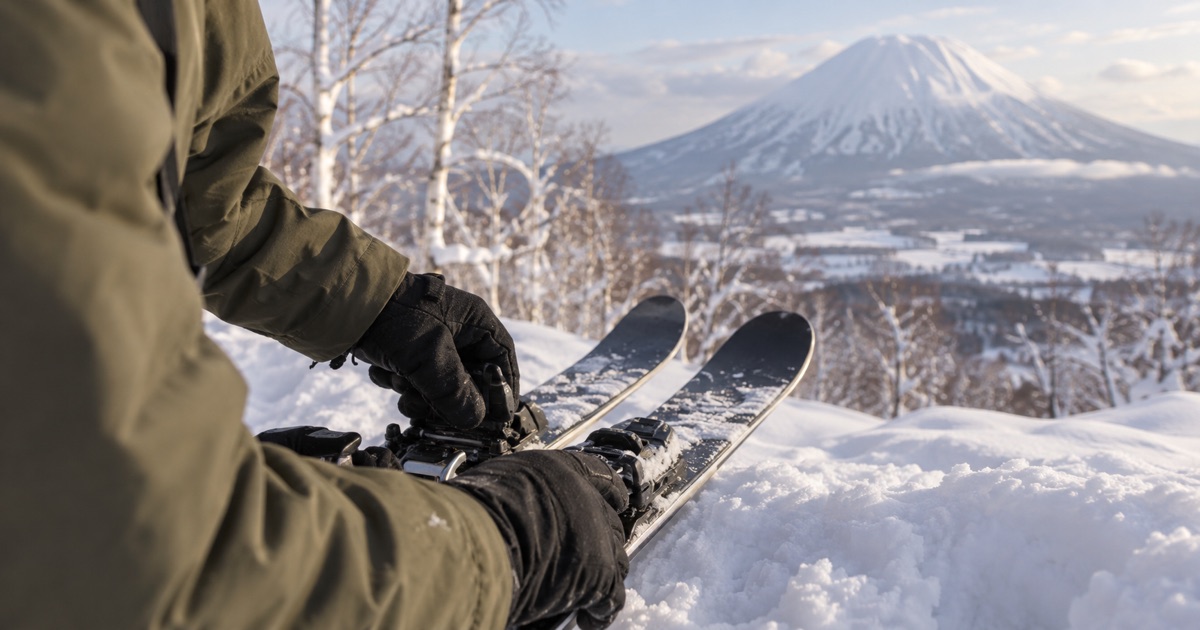
The best things to do in Niseko center on its legendary powder snow in winter and expansive outdoor adventures in green season. Located in southwestern Hokkaido, this resort area offers world-class skiing, volcanic hot spring baths, active river sports, and sweeping views of the iconic Mount Yotei (羊蹄山).
Whether you are planning a winter ski escape or a summer exploration of Hokkaido’s countryside, Niseko caters to active outdoor lovers, food enthusiasts, and travelers looking to unwind.
Winter Highlights: Powder Snow and Beyond
Winter in Niseko is famous for light, dry powder snow brought by weather systems traveling across the Sea of Japan from Siberia. Between December and April, deep snow blankets the slopes, creating ideal conditions for winter sports.
Ski and Snowboard at Niseko United
The centerpiece of the winter experience is Niseko United, an interconnected network of four distinct ski resorts covering Mount Annupuri (アンヌプリ):
- Grand Hirafu (グラン・ヒラフ): The largest resort, featuring extensive night skiing and direct access to the bustling Hirafu village, which contains the bulk of the area's dining and nightlife.
- Hanazono (花園): Known for spacious tree runs, wide beginner groomers, and modern lift infrastructure.
- Niseko Village (ニセコビレッジ): Offers long, scenic cruising trails and ski-in, ski-out lodging options.
- Annupuri (アンヌプリ): Features wide, gentle slopes that appeal to families, beginners, and snowboarders looking for mellow terrain.
You can purchase an all-mountain pass to access all four areas, or choose single-resort tickets if you prefer to stay in one zone. Lift ticket prices generally range from 8,000 to 11,000 yen per day depending on the season, though prices fluctuate, so check current rates online before your trip.
Non-Skiing Winter Activities
Skiing and snowboarding are not the only ways to enjoy the snow. Visitors can try several alternatives:
- Snowshoeing: Guided tours lead through snow-covered birch forests around Lake Hangetsu (半月湖) at the base of Mount Yotei.
- Snowmobiling: Courses operate in designated parks around Hanazono and Annupuri, offering a fast way to explore the terrain.
- Scenic Gondola Rides: Non-skiers can purchase foot-passenger tickets on select gondolas to reach mid-mountain lookout points for panoramic views of Mount Yotei.
Summer and Autumn: Green Season Adventures
When the snow melts in late spring, Niseko transforms into a haven for hiking, water sports, and cycling. The summer season runs roughly from June through September, with vibrant autumn foliage appearing across the mountains in October.
Hike Mount Yotei and Mount Annupuri
Often called "Ezo Fuji" due to its symmetrical volcanic shape, Mount Yotei is a prominent peak visible throughout the valley. The hike to the crater rim is demanding, taking roughly 5 to 7 hours round-trip, requiring sturdy hiking boots, weather-appropriate layers, and plenty of water.
For a gentler hike, take the summer gondola partway up Mount Annupuri and hike the remaining trail to the summit for vistas of the surrounding plains and the Sea of Japan in the distance.
River Rafting and Kayaking
The Shiribetsu River (尻別川), which flows through the valley, is renowned for exceptionally clean water. During the spring snowmelt in May and June, the river offers thrilling whitewater rafting runs. In the warmer summer months from July to August, the river calms down, creating peaceful conditions for guided family rafting, canoeing, and stand-up paddleboarding (SUP).
Cycling and Farm Tours
Paved rural roads and purpose-built mountain bike flow trails make Niseko an appealing cycling destination. E-bike and road bike rentals are available throughout Hirafu. The gentle rolling hills pass potato fields, dairy farms, and roadside farm stands selling seasonal produce like sweet corn and melons.

We are working to carry Japanese craft and everyday culture beyond Japan, by building Japan Towns with local partners.
Read the Japan Town plan →Relax and Recharge: Hot Springs and Local Food
Traditional Hot Springs (Onsen)
Geothermal activity around the surrounding volcanoes feeds numerous natural hot springs across the area. Many hotels and traditional inns offer daytime bathing access (日帰り温泉, higaeri onsen) for roughly 800 to 1,500 yen per entry.
- Goshiki Onsen (五色温泉): Located higher up the mountain pass, featuring sulfur-rich mineral water with sweeping alpine views.
- Yugokorotei (湯心亭): Known for its large outdoor stone bath surrounded by forest.
- Kombu Onsen (昆布温泉): A peaceful, traditional onsen pocket located west of the main ski villages.
When visiting an onsen, bring your own small towel or purchase one at the front desk. Wash and rinse thoroughly at the sit-down washing stalls before entering the communal soaking pools.
Local Dining and Fresh Produce
The Shiribetsu basin produces high-quality vegetables, dairy, and livestock. In Kutchan (倶知安), the administrative town next to the resort, local restaurants serve Kutchan potato ramen, made with noodles incorporating locally grown starch.
Throughout Hirafu, you will find options ranging from casual food-truck parks serving hot soup curry to lively izakaya featuring fresh seafood caught along the nearby Shakotan Peninsula. Reservations are essential during peak winter months from December to February.
How to Get to Niseko Independently
Niseko is situated approximately 100 kilometers southwest of Sapporo. Independent travelers can reach the resort area using public transport.
By Train from Sapporo and Otaru
- Sapporo to Otaru: Take a rapid service on the JR Hakodate Main Line (JR函館本線) from Sapporo Station (札幌駅) to Otaru Station (小樽駅), which takes about 35 minutes.
- Otaru to Kutchan: Transfer at Otaru to a local diesel train running south toward Kutchan Station (倶知安駅). This picturesque ride through mountain passes takes around 75 to 90 minutes.
- Kutchan to the Resorts: From Kutchan Station, board a local bus or take a taxi to your final resort base (roughly 15 to 20 minutes to Grand Hirafu).
Train schedules and fare details can be reviewed via official rail resources like Japan National Tourism Organization and JR East.
By Seasonal Highway Bus
During the winter ski season, direct highway express buses run from Sapporo Station and New Chitose Airport directly to Hirafu Welcome Center and Annupuri. The bus trip from Sapporo takes roughly 2.5 to 3.5 hours depending on road conditions and snowstorms.
Practical Tips and Common Mistakes
- Book Winter Dining Far in Advance: Walk-in space at Hirafu restaurants is extremely limited during peak winter weeks. Book popular dinner spots weeks ahead of your arrival.
- Cash Is Still Useful: While international card payments are widely accepted across Hirafu ski counters, local buses, smaller rural izakaya, and countryside onsen often accept only Japanese yen cash.
- Plan for Train Transfers: Local trains between Otaru and Kutchan run infrequently—sometimes only once every two hours. Always verify train departures before leaving Sapporo to avoid long waits on cold station platforms.
- Winter Footwear: Paved walkways in Hirafu and Kutchan can turn into slick, hard-packed ice. Bring winter boots with deep rubber treads or purchase slip-on boot crampons at airport convenience stores.
- Check Transport Windows: Direct ski buses run primarily between December and late March. If traveling during the shoulder seasons (spring or autumn), rely on standard JR train connections via Kutchan Station.
FAQ
- Q. Can I visit Niseko as a day trip from Sapporo?
- A. Yes, you can visit on a day trip using JR trains or express highway buses, though travel takes around 2.5 to 3 hours each way.
- Q. Is Niseko worth visiting if you do not ski or snowboard?
- A. Yes, non-skiers can enjoy snowshoe tours, traditional hot springs, panoramic gondola rides, and exceptional local dining year-round.
- Q. How do you get around Niseko without a car?
- A. During the ski season, local resort shuttle buses connect the villages, while regional buses link Kutchan Station to major hubs.
Cite or share this article
Copy the link below. If you quote this article, please link to this page as the source.