How to Get to Kawaguchiko from Tokyo: Train & Bus Guide
Key takeaways
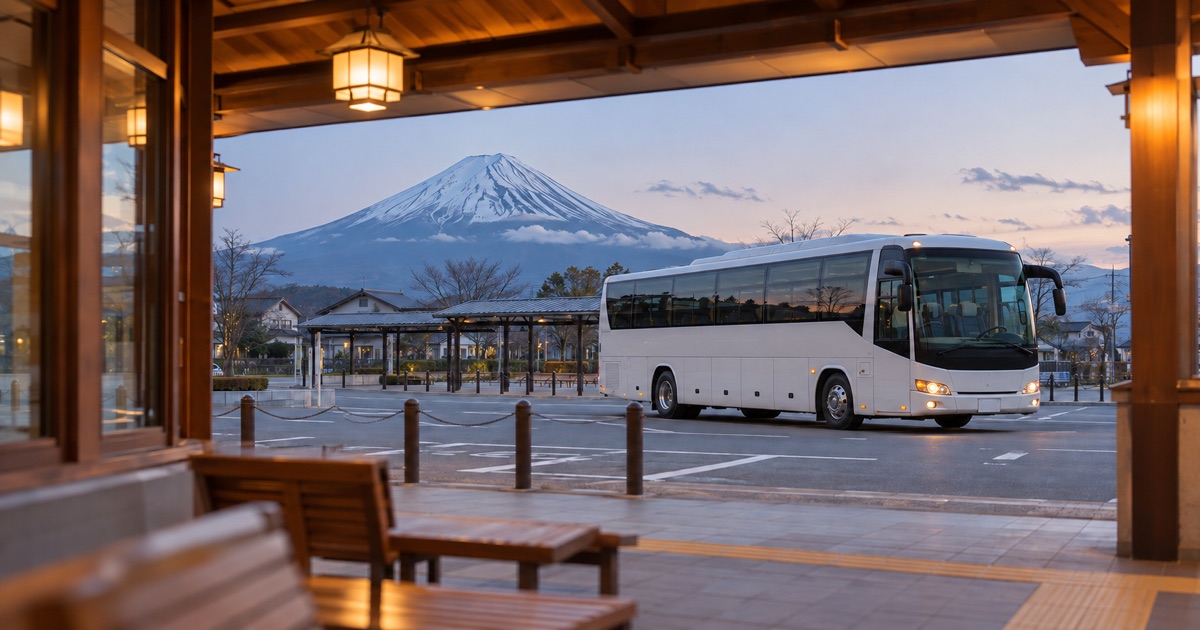
- The direct highway bus from Shinjuku (新宿) is usually the simplest option, taking roughly 1h45m–2h depending on traffic.
- The train route requires a transfer at Otsuki (大月) onto the Fujikyu Railway, with a total journey of around 2–2.5 hours.
- Reserve highway bus seats in advance, especially on weekends and during the Fuji Shibazakura and autumn foliage seasons.
How to Get to Kawaguchiko from Tokyo
The most straightforward way to reach Kawaguchiko (河口湖) from Tokyo is the direct highway bus departing from Shinjuku Station (新宿駅), which takes roughly 1 hour 45 minutes to 2 hours depending on traffic. Travelers who prefer rail can take a train from Shinjuku or Tokyo Station to Otsuki (大月), then transfer to the Fujikyu Railway line for the final stretch to Kawaguchiko, a trip that usually totals around 2 to 2.5 hours.
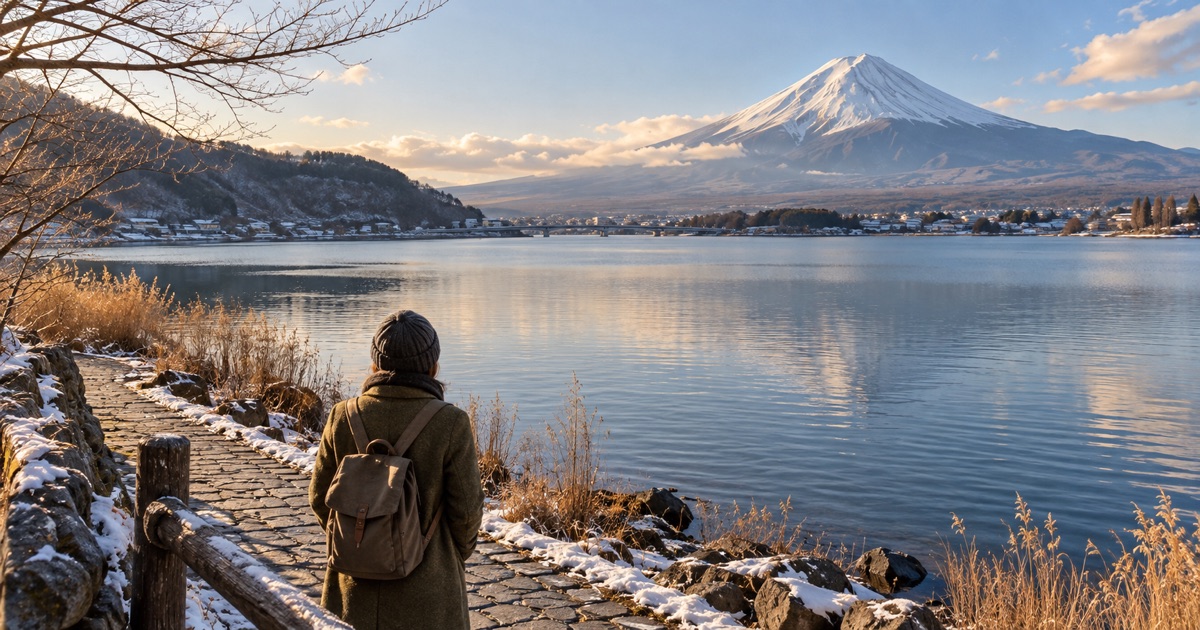
Kawaguchiko is one of the Fuji Five Lakes (富士五湖) and a popular base for viewing Mount Fuji, making it a common day trip or overnight stop from Tokyo. Both the bus and train options are manageable for first-time visitors without Japanese language skills, as signage at major stations is bilingual and bus companies serving this route typically offer English-language booking pages.
Option 1: Direct Highway Bus from Shinjuku
For most travelers, the highway bus is the easiest choice because it's a single seat all the way to Kawaguchiko Station, with no transfers or station navigation involved.
- Departure point: Shinjuku Station area, usually from the Shinjuku Expressway Bus Terminal (commonly called "Busta Shinjuku"), located right above Shinjuku Station's New South Exit.
- Travel time: Roughly 1 hour 45 minutes to 2 hours, though this can run longer during holiday traffic or bad weather.
- Booking: Reservations can usually be made online in advance. Walk-up tickets are sometimes available, but seats can sell out quickly during weekends, the Fuji Shibazakura flower season in spring, and the autumn foliage period in November.
- What to bring: Your booking confirmation (printed or on your phone), a form of ID, and small cash or an IC card for any snacks or drinks at the terminal.
Because the bus terminal is large and can be confusing on a first visit, it's worth arriving at Busta Shinjuku at least 20–30 minutes before departure to find the correct boarding gate.
Option 2: Train via Otsuki and the Fujikyu Railway
The train route is a good option if you have a relevant rail pass or simply prefer traveling by train, though it does involve at least one transfer.
- From Shinjuku or Tokyo Station, take a JR Chuo Line limited express or local train bound for Otsuki (大月). Limited express trains are faster but require an additional reserved-seat fee; local and rapid trains take longer but are cheaper.
- At Otsuki Station, change platforms to board the Fujikyu Railway (富士急行線), a private rail line that is not part of the JR network.
- Ride the Fujikyu line to Kawaguchiko Station, the line's terminus. This portion takes roughly 50 minutes.
Total journey time by train is typically around 2 to 2.5 hours, depending on which Chuo Line service you catch and connection waiting times at Otsuki.
A Note on Rail Passes
The Japan Rail Pass and other JR-specific passes cover the Chuo Line segment between Tokyo/Shinjuku and Otsuki, but they do not cover the Fujikyu Railway section from Otsuki to Kawaguchiko, since Fujikyu is a separate private company. Travelers using a JR Pass will need to purchase a separate ticket for that final leg. Some regional passes aimed at the Mount Fuji and Fuji Five Lakes area bundle train and bus travel together; check current offerings on the JR East website or official Fujikyu Railway information before your trip, as pass details and coverage can change.
Common Mistakes to Avoid
- Confusing Shinjuku's multiple bus terminals. Busta Shinjuku is the main terminal for highway buses, but Shinjuku Station itself has several exits and surrounding bus stops. Double-check your ticket or booking confirmation for the exact departure location.
- Forgetting that the JR Pass doesn't cover Fujikyu Railway. This is one of the most common points of confusion for first-time visitors relying on a rail pass.
- Not reserving the bus in advance during peak seasons. Cherry blossom season (typically early to mid-spring, timing varies yearly) and autumn foliage (roughly November) see high demand, and walk-up seats may not be available.
- Underestimating travel time due to traffic. The bus route uses expressways that can experience delays, especially on weekends and holidays, so it's wise to add some buffer time if you have a fixed schedule, such as a hotel check-in or scheduled activity near the lake.
Getting Around Once You Arrive
Kawaguchiko Station serves as the main hub for the area, with local "Kawaguchiko Retro Bus" and other sightseeing bus loops connecting the station to lakeside viewpoints, the Chureito Pagoda area, and nearby attractions. These local buses typically accept IC cards (such as Suica or Pasmo) as well as cash, and day-pass tickets are often available at the station's tourist information counter, which can be useful if you plan to visit multiple spots around the lake.
Planning Your Day
Because Mount Fuji's visibility depends heavily on weather, many visitors choose to check the forecast before finalizing travel dates, though no method guarantees a clear view on any given day. Morning hours are often considered a better chance for clearer skies before clouds build up later in the day, but this varies by season.
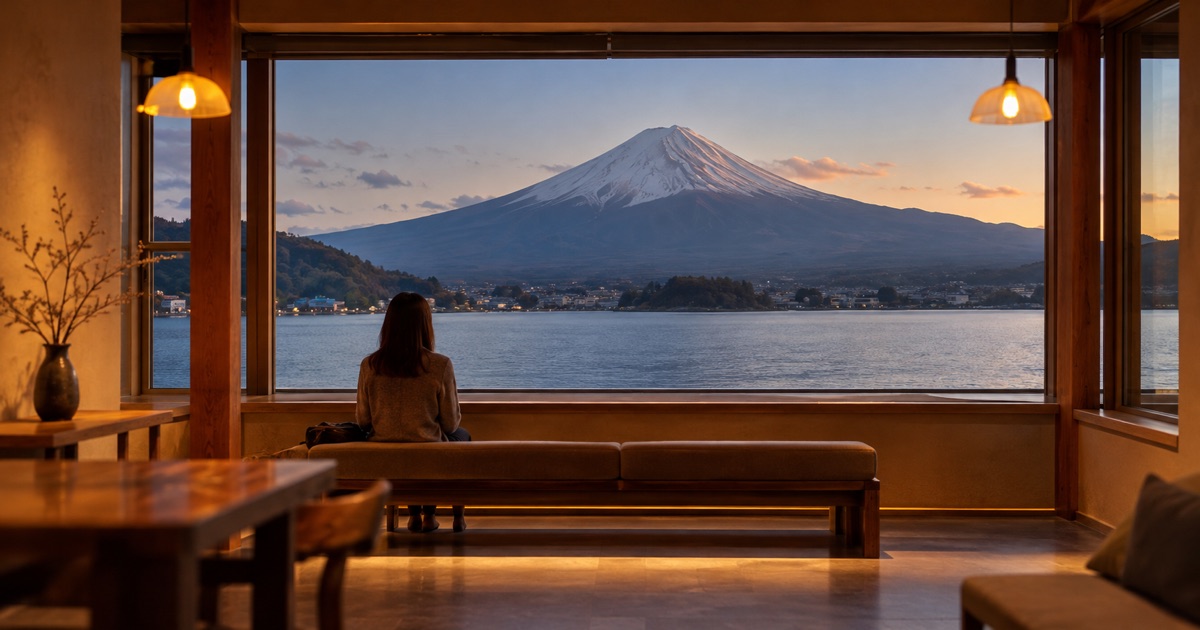
If you're combining Kawaguchiko with other Fuji Five Lakes or considering an overnight stay to catch sunrise or sunset views, allow extra flexibility in your itinerary, since weather and seasonal conditions can affect visibility and local bus schedules.
Before You Go
Always confirm current fares, schedules, and any service changes directly with the bus operator or JR East, as timetables and prices are subject to change, particularly around major holidays such as Golden Week, Obon, and the New Year period. Booking your outbound and return bus tickets together in advance can help avoid last-minute availability issues, especially if you're visiting during a popular season.
Whether you choose the direct bus for simplicity or the train route for flexibility, both options from Tokyo are manageable within a single morning, making Kawaguchiko a realistic day trip or a relaxed overnight getaway from the city.
FAQ
- Q. Is the train or the bus faster to Kawaguchiko from Tokyo?
- A. The bus is usually faster and more convenient since it's a single direct ride, while the train requires changing at Otsuki and sometimes again at Otsuki for the Fujikyu line.
- Q. Can I use the Japan Rail Pass to get to Kawaguchiko?
- A. The JR Pass covers the Chuo Line portion to Otsuki, but the Fujikyu Railway section from Otsuki to Kawaguchiko is not a JR line, so a separate ticket is needed.
- Q. Do I need to reserve seats for the Kawaguchiko highway bus in advance?
- A. Reservations are strongly recommended, particularly on weekends, holidays, and during cherry blossom or autumn leaf season, since buses can sell out.
Cite or share this article
Copy the link below. If you quote this article, please link to this page as the source.