One-Day Kawaguchiko Itinerary: Mt. Fuji Views from Tokyo
Key takeaways
- Depart early from Shinjuku Station via the direct Fuji Excursion train to reach Lake Kawaguchi in under two hours.
- Combine Chureito Pagoda in the morning with Oishi Park and the Mount Fuji Panoramic Ropeway in the afternoon.
- Reserve limited express seats in advance, as direct train tickets sell out quickly during peak travel seasons.
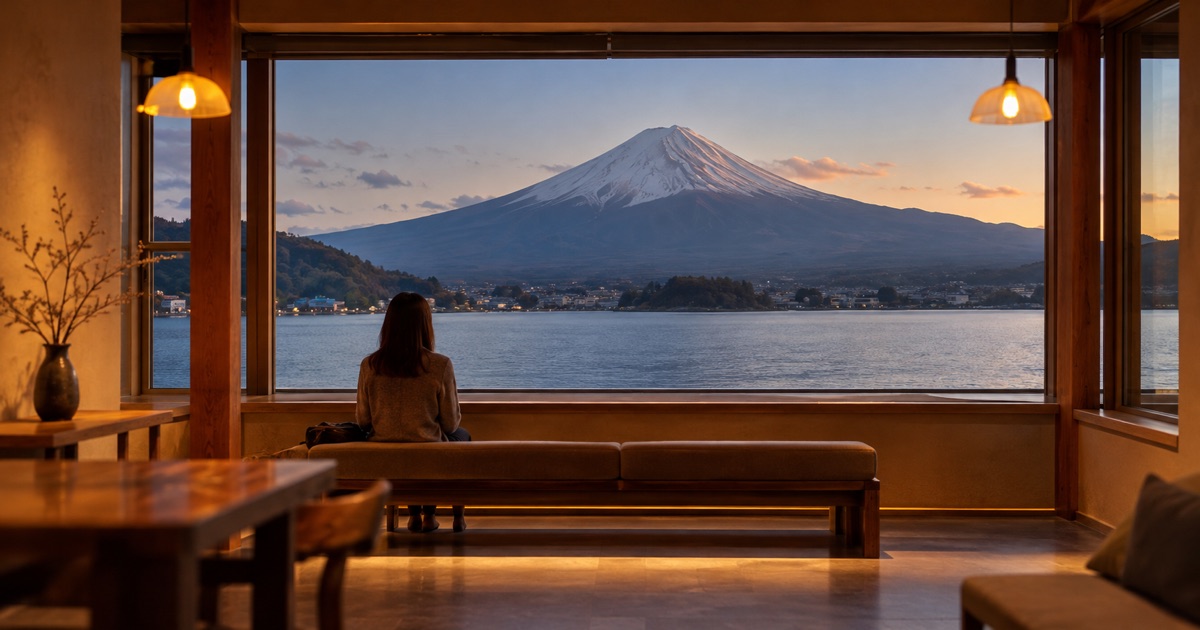
A one-day Kawaguchiko itinerary allows you to experience iconic views of Mount Fuji, historic shrines, and tranquil lakeside paths on an easy day trip from central Tokyo. By taking an early morning limited express train from Shinjuku Station (新宿駅), you can reach Lake Kawaguchi (河口湖, Kawaguchiko) in roughly two hours and return to the capital by evening.
Lake Kawaguchi is the most accessible of the Fuji Five Lakes (Fujigoko) and serves as the primary gateway for sightseeing around Japan's most famous peak. This guide covers a step-by-step, self-guided route designed for independent travelers relying entirely on public transit.
Overview: One-Day Kawaguchiko Itinerary Route
This route prioritizes Mount Fuji's visibility, which tends to be clearest in the early morning before cloud cover builds up around midday.
- 07:30 – 09:30: Depart Tokyo (Shinjuku Station) on the direct Fuji Excursion train to Shimoyoshida Station.
- 09:30 – 11:30: Visit the famous Chureito Pagoda (Arakurayama Sengen Park).
- 11:30 – 12:15: Train from Shimoyoshida Station to Kawaguchiko Station.
- 12:15 – 13:30: Lunch near Kawaguchiko Station (sampling local hoto noodles).
- 13:30 – 15:00: Omni Bus (Red Line) to Oishi Park for north-shore views.
- 15:15 – 16:30: Mount Fuji Panoramic Ropeway and lakeside walk.
- 17:00 onward: Return train from Kawaguchiko Station to Shinjuku.
How to Get to Kawaguchiko from Tokyo by Train
Independent rail travel is the most dependable way to reach the region without getting delayed by highway traffic jams, which are common on weekends and holidays.
The Direct Route: JR Fuji Excursion
The fastest option is the Fuji Excursion (Fuji Kaiyu), an express service operated jointly by East Japan Railway Company and the Fujikyuko Line.
- Board at Shinjuku Station (新宿駅) in central Tokyo.
- The train runs along the JR Chuo Line to Otsuki Station (大月駅), then transitions directly onto the Fujikyu Railway tracks without requiring you to switch seats.
- Journey time to Kawaguchiko Station (河口湖駅) is approximately 1 hour and 55 minutes.
All seats on the Fuji Excursion are reserved. Because this train is exceptionally popular with international visitors, booking your tickets several days or weeks ahead via the official JR East reservation portal is strongly advised.
If you hold an ordinary nationwide Japan Rail (JR) Pass, the section between Shinjuku and Otsuki is covered, but an additional fare is charged for the private railway section between Otsuki and Kawaguchiko. The regional JR Tokyo Wide Pass covers the entire journey.
Alternative Route via Otsuki Transfer
If direct morning departures are fully booked:
- Take the regular JR Chuo Line Limited Express (Azusa or Kaiji) from Shinjuku Station to Otsuki Station (roughly 60 minutes).
- Exit the JR gates at Otsuki Station (大月駅) and transfer to the private Fujikyu Railway Line (Fujikyuko-sen).
- Board either a local train (roughly 55 minutes) or a Fujisan Express train (roughly 45 minutes) to reach your destination.
We are working to carry Japanese craft and everyday culture beyond Japan, by building Japan Towns with local partners.
Read the Japan Town plan →Morning: Chureito Pagoda (Arakurayama Sengen Park)
To capture the classic postcard scene—a red five-story pagoda framed by cherry blossoms, autumn foliage, or blue skies with Mount Fuji in the background—stop at Shimoyoshida Station (下吉田駅) before heading all the way to the lake. The Fuji Excursion stops here directly.
Step-by-Step Directions
- Alight at Shimoyoshida Station. Luggage lockers are limited, so carry only a daypack.
- Follow the English-language street signage leading to Arakurayama Sengen Park (新倉山浅間公園). The walk takes approximately 10 to 15 minutes through a quiet residential neighborhood.
- Pass through the entrance torii gate of Arakura Fuji Sengen Shrine.
- Climb the stairs known as the Sakuya Hime Steps—a steep ascent of roughly 400 steps. A winding, ramped walking path runs alongside the steps for those seeking a gentler incline.
- Arrive at the viewing deck behind the Chureito Pagoda (忠霊塔).
Plan to spend roughly 60 to 90 minutes here to enjoy the views and walk back down.
Midday: Kawaguchiko Station & Local Lunch
Return to Shimoyoshida Station and board a local Fujikyu Line train bound for Kawaguchiko Station (approximate travel time: 15 to 20 minutes).
Kawaguchiko Station serves as the transit hub for local buses, taxis, and luggage storage. The station building features traditional alpine-style wooden architecture and houses a souvenir shop and café.
Try Local Hoto Noodles
For lunch, seek out hoto (ほうとう), the regional specialty of Yamanashi Prefecture. This hearty dish consists of wide, flat wheat noodles stewed in a rich, miso-based broth packed with seasonal vegetables, particularly kabocha squash, mushrooms, and leeks. Several restaurants specializing in hoto operate directly across the street from Kawaguchiko Station. Prices generally range between 1,200 JPY and 2,000 JPY per bowl.
Afternoon: Exploring Lake Kawaguchi
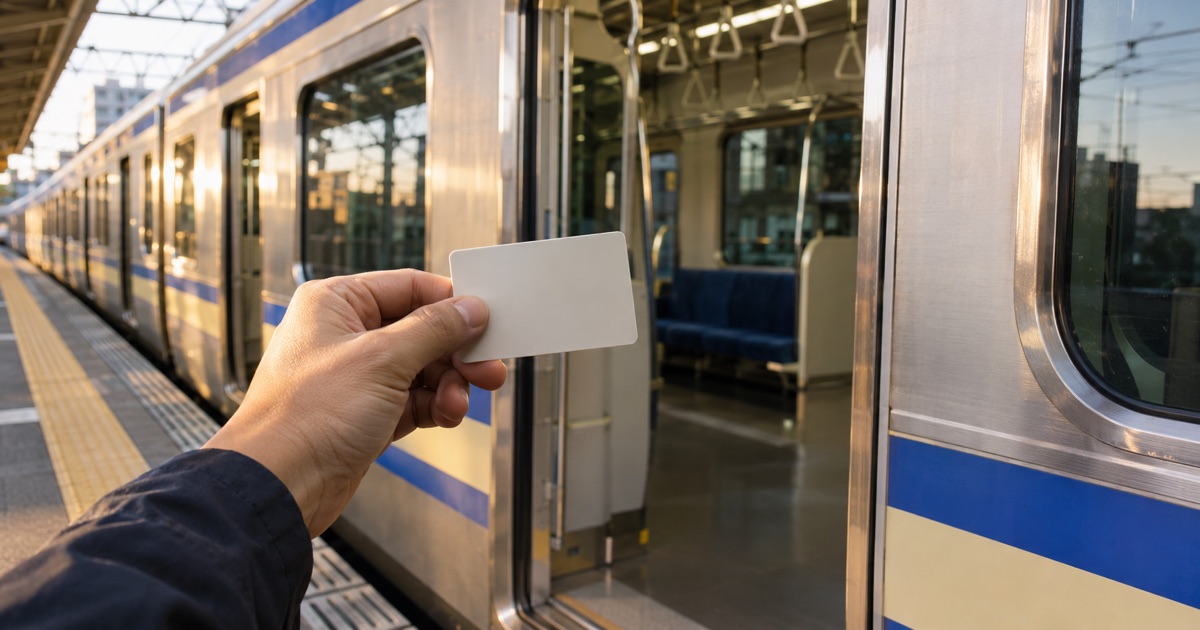
Local transit around the lake is managed primarily by the Kawaguchiko Sightseeing Bus (often referred to as the "Omni Bus"). The Red Line services the eastern and northern shores of Lake Kawaguchi, departing outside Kawaguchiko Station every 15 minutes throughout the day. You can pay per ride using standard contactless IC cards (such as Suica or Pasmo), or buy a two-day sightseeing pass at the bus ticket counter.
Stop 1: Oishi Park (Omni Bus Red Line, Stop 20)
Ride the Red Line bus to its final stop, Oishi Park (大石公園), situated on the northern shore (roughly 30 minutes from the station).
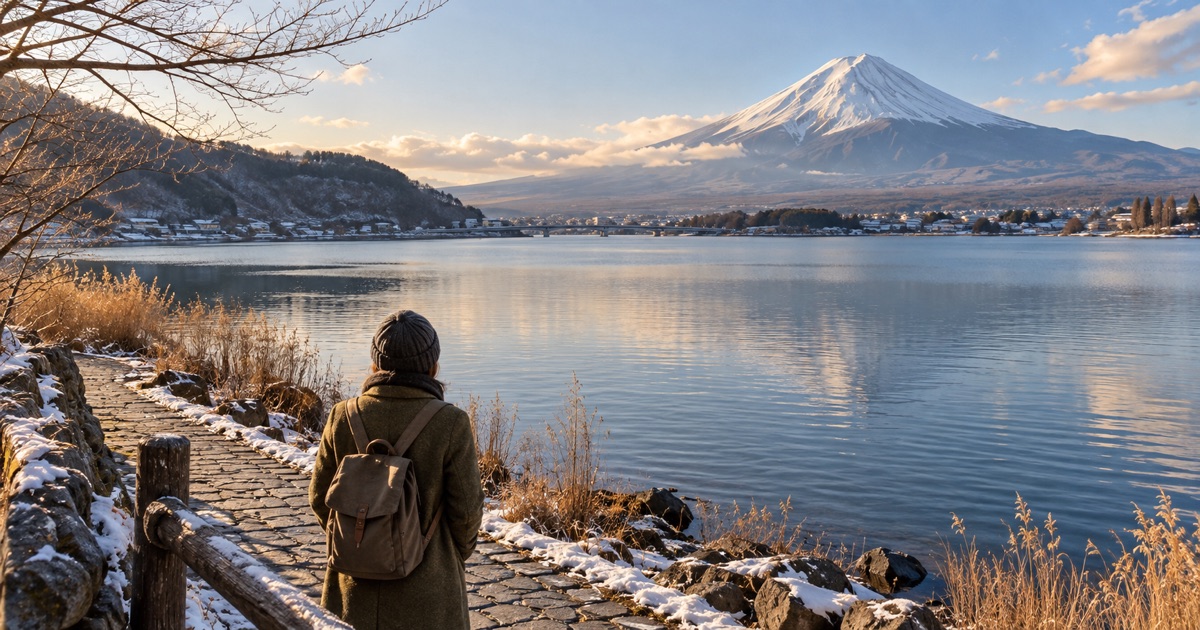
Because Oishi Park faces south across the water, it offers unobstructed panoramic views of Mount Fuji rising directly over the lake. The park features a lakeside walking path lined with seasonal flowers:
- Late April to May: Pink moss phlox and tulips
- June to mid-July: Purple lavender fields
- Autumn (October to November): Crimson kochia bushes and vivid fall foliage
Next to the park, the Kawaguchiko Natural Living Center sells local berry jams, soft-serve ice cream, and handicrafts.
Stop 2: Mount Fuji Panoramic Ropeway (Omni Bus Red Line, Stop 9)
Take the Red Line bus back toward the center of town and alight at the Sightseeing Boat / Ropeway stop.
The Mount Fuji Panoramic Ropeway (formerly known as the Kachi Kachi Ropeway) whisks visitors 400 meters up the side of Mount Tenjo to an observation platform roughly 1,075 meters above sea level.
- The ascent takes around 3 minutes.
- From the upper deck, you get a bird's-eye perspective over Lake Kawaguchi on one side and a commanding view of Mount Fuji on the other.
- Round-trip ropeway tickets typically cost around 900 JPY to 1,000 JPY for adults. In peak travel periods, wait times for the cable car can exceed 30 to 45 minutes; if lines are long, you can opt for the lakeside promenade walk instead.
Late Afternoon: Return to Tokyo
Make your way back to Kawaguchiko Station on foot (around 15 minutes from the ropeway area) or via the Red Line bus.
Board your pre-booked Fuji Excursion train or the Fujikyu Line transfer to Otsuki, connecting back to Shinjuku. Evening services back into Tokyo fill up quickly, particularly on Sundays and public holidays, so having a seat reserved before you begin your day is vital.
For official updates on nationwide rail travel, regional weather disruptions, and ticketing rules, refer to the Japan National Tourism Organization portal.
Practical Tips for First-Time Visitors
- Monitor the Weather: Mount Fuji is notoriously shy. Before leaving Tokyo, review live webcams hosted by regional tourism bodies to check mountain visibility.
- Bring Layers: Because Lake Kawaguchi sits over 800 meters above sea level, temperatures are consistently 3°C to 6°C cooler than downtown Tokyo, with biting winds during winter and spring.
- IC Cards and Cash: While local sightseeing buses accept IC cards (Suica/Pasmo), some small street vendors, shrine stalls, and coin lockers only take Japanese yen cash.
- Avoid Road Transport on Weekends: Highway buses run between Shinjuku or Tokyo Station and Kawaguchiko, but return traffic on the Chuo Expressway on weekend afternoons often adds 1 to 2 hours of delays. Trains on dedicated tracks provide a far more predictable schedule.
FAQ
- Q. What is the best way to travel from Tokyo to Kawaguchiko?
- A. The most convenient route is the direct JR Fuji Excursion limited express train from Shinjuku Station, taking roughly two hours.
- Q. Can I use the Japan Rail Pass for the trip to Kawaguchiko?
- A. The JR Pass covers the JR portion between Shinjuku and Otsuki, but you must pay a surcharge for the private Fujikyu Railway section.
- Q. What should I do if Mt. Fuji is hidden by clouds?
- A. You can still enjoy lakeside walking trails, museum visits like the Kubota Itchiku Art Museum, local craft shops, and hot spring baths.
Cite or share this article
Copy the link below. If you quote this article, please link to this page as the source.