Lake Kawaguchiko in Winter: A First-Timer's Train Day Trip
Key takeaways
- Winter (roughly December to February) gives the highest chance of clear, snow-capped Mt. Fuji views all year.
- Direct highway buses and train-plus-bus combinations both run from Tokyo in around 2 to 2.5 hours.
- Mornings tend to have clearer skies than afternoons, so early arrival improves your odds of seeing Fuji unobstructed.
Is Lake Kawaguchiko Worth Visiting in Winter?
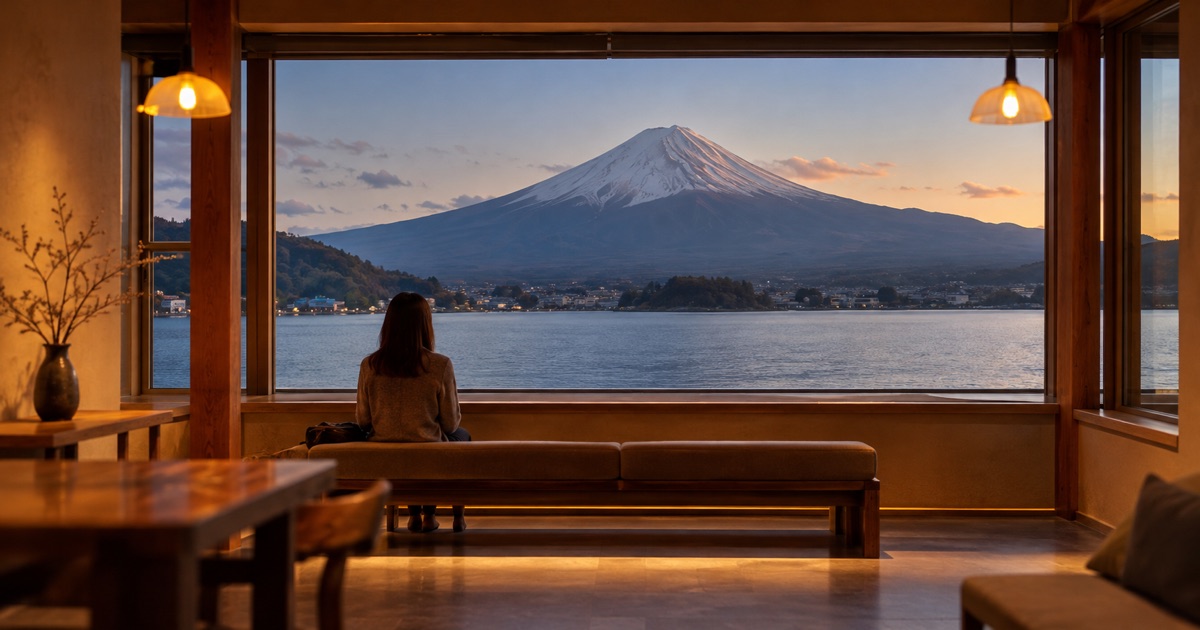
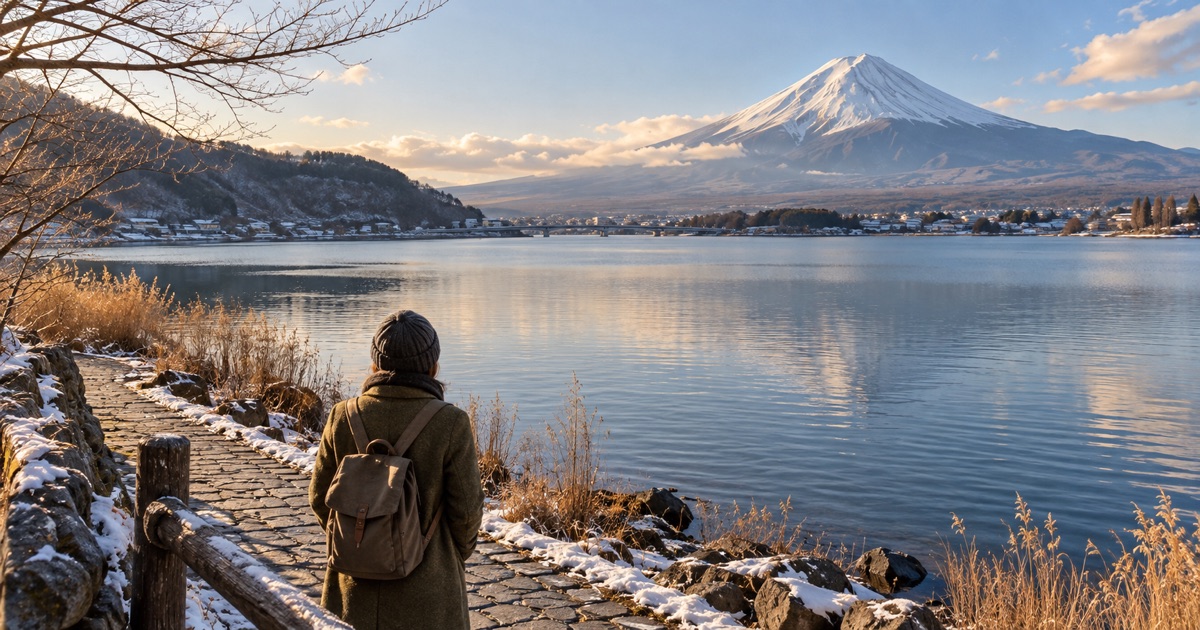
Lake Kawaguchiko (河口湖) in winter offers some of the clearest, most reliable views of Mt. Fuji all year, thanks to dry air and low humidity typical of the season. For a first-time visitor without a car, it's an easy train-and-bus day trip from Tokyo, with the whole round trip comfortably doable in a single day.
Winter here runs roughly from December through February, and it's widely considered the best season for Fuji-viewing precisely because summer and early autumn skies are hazier. The trade-off is cold weather, shorter daylight hours, and the chance that heavy snow could occasionally disrupt bus schedules, so flexibility and good planning matter.
How to Get to Lake Kawaguchiko From Tokyo
The trip starts from Shinjuku Station in Tokyo, which is the main departure point for both train and bus options.
Option 1: Direct Highway Bus
The simplest option for first-timers is the direct highway bus from Shinjuku Station (new south exit area, Shinjuku Expressway Bus Terminal, also called Busta Shinjuku) to Kawaguchiko Station. The ride takes roughly 2 hours depending on traffic, and reservations are recommended, especially on weekends and holidays. Buses can be booked online in advance through operators serving this route; search "Kawaguchiko highway bus" to find current operators and fares, since schedules and prices change seasonally.
Option 2: Train via Otsuki
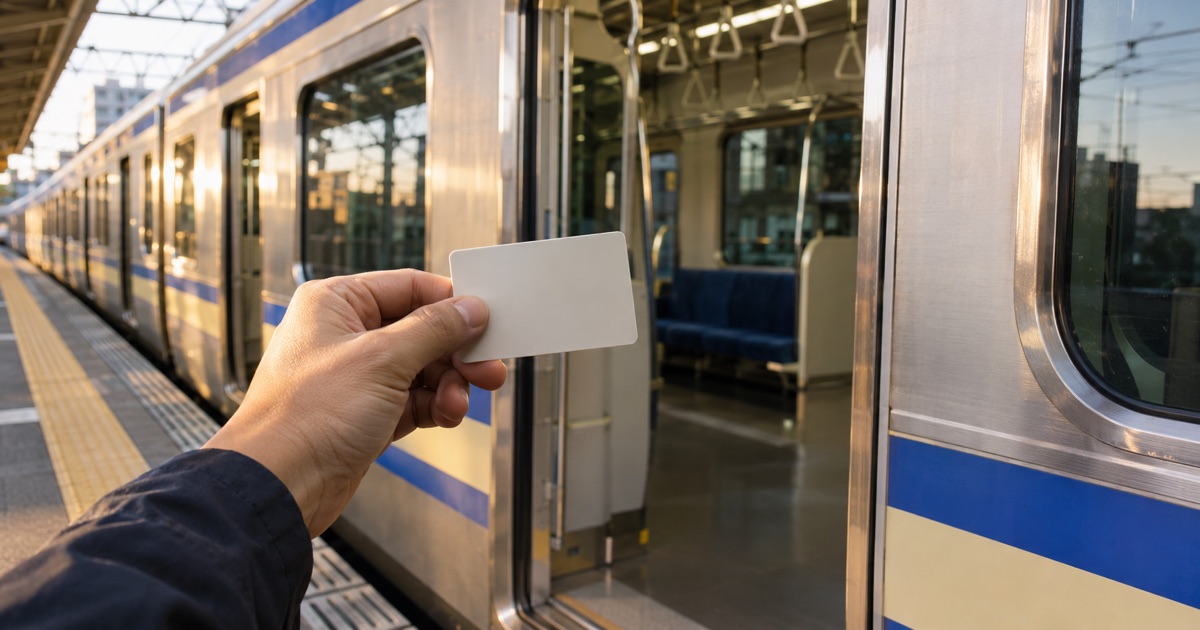
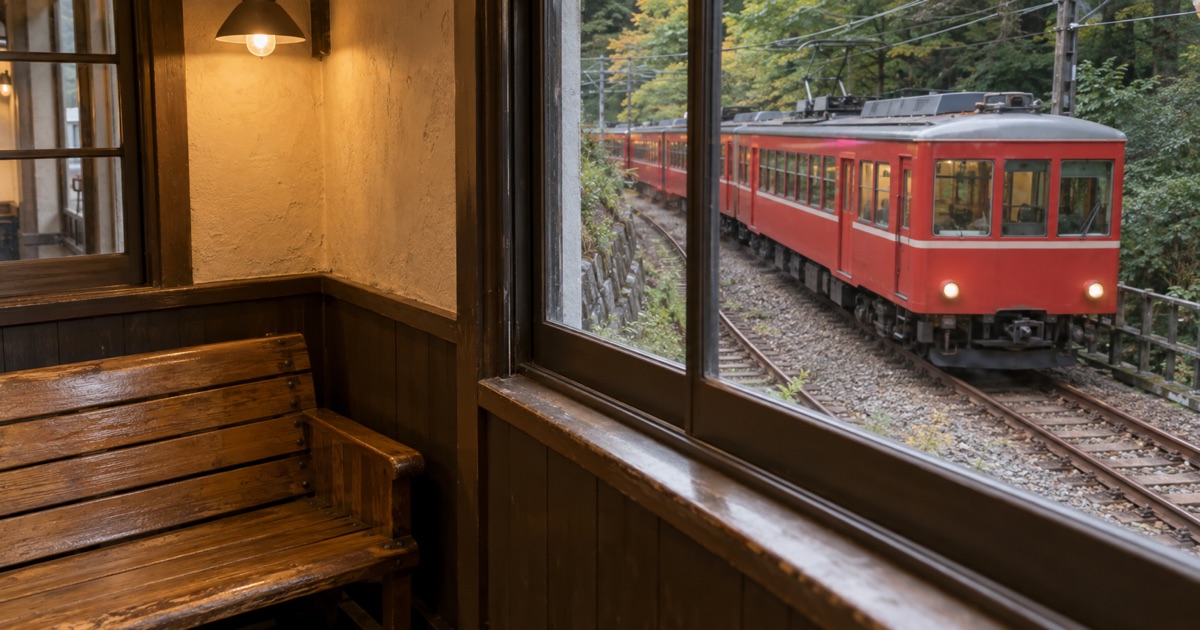
If you prefer rail travel or hold a relevant rail pass, take a JR line from Shinjuku to Otsuki Station (大月), then transfer to the Fujikyu Railway line, which runs directly to Kawaguchiko Station. The JR portion takes around 1 hour, and the Fujikyu Railway portion adds another 50 minutes or so, making the total journey roughly 2 to 2.5 hours including the transfer. Check current fares and connections on the JR East website before you travel, since the Fujikyu Railway is a separate private line not fully covered by all JR passes.
Which Option Should You Choose?
Budget-conscious travelers and those who want a guaranteed seat with no transfers often prefer the direct bus. Travelers with a compatible JR pass, or those who enjoy scenic train rides through the Fuji foothills, may prefer the train route. Both are reliable, but during winter weekends it's worth booking bus seats in advance, as seats can sell out.
We are working to carry Japanese craft and everyday culture beyond Japan, by building Japan Towns with local partners.
Read the Japan Town plan →What to Bring in Winter
Dress in warm layers: a base layer, an insulating mid-layer, and a windproof outer layer are usually enough for a day outdoors. Lake Kawaguchiko sits at higher elevation than Tokyo, so it's noticeably colder, and wind off the lake can make it feel colder still.
Other essentials to pack:
- Gloves and a hat, since wind chill near the lake can be significant
- Comfortable, non-slip shoes, as paths can be icy after snow or overnight frost
- A portable charger, since phone batteries drain faster in cold weather
- Cash in small denominations, as some smaller shops and food stalls near the lake don't accept cards
A common mistake is underestimating the cold because Tokyo itself feels mild. Many visitors arrive without gloves or a warm hat and regret it within the first hour outdoors.
Best Spots for Mt. Fuji Views in Winter
Around the Lake Shore
Several points along the northern shore of Lake Kawaguchiko, within walking distance or a short bus ride from Kawaguchiko Station, offer classic views of Mt. Fuji reflected in the lake on calm days. Early morning, before wind picks up and before clouds tend to build later in the day, usually offers the stillest water and clearest air.
Using the Retro Bus
The Kawaguchiko Retro Bus is a tourist loop bus that circles the lake and stops near major viewpoints and attractions. It's a practical way to reach multiple spots without walking long distances in the cold, and day passes are typically available at or near Kawaguchiko Station. Check current routes and fares locally when you arrive, as they can be adjusted seasonally.
Chureito Pagoda
A short distance from Kawaguchiko, near Shimoyoshida, the Chureito Pagoda is one of the most photographed Fuji viewpoints in Japan, especially in combination with cherry blossoms in spring or autumn leaves — but it's also a worthwhile winter stop if you don't mind climbing a few hundred stone steps for the view. In winter, steps can be icy, so sturdy shoes matter here more than ever.
A Note on Winter Illuminations
Depending on the year, the Kawaguchiko area sometimes hosts winter illumination events near the lake, adding color to the evening scenery with Mt. Fuji as a backdrop when skies are clear. Dates and locations for these events vary year to year, so check local tourism information or the Japan National Tourism Organization site for current details before planning an evening visit.
Planning Your Day Trip Timing
Because winter days are short, with sunset arriving in the late afternoon, it's worth leaving Tokyo early, ideally on a morning bus or train, to maximize daylight for sightseeing. Mornings also tend to have clearer skies than afternoons, since clouds often build around Mt. Fuji as the day warms up, so an early start genuinely improves your chances of a clear view.
A realistic one-day itinerary might include a morning arrival, a few hours walking or riding the Retro Bus around the lake's viewpoints, lunch near the station area, and a mid-to-late afternoon return bus or train back to Shinjuku. Trying to combine Kawaguchiko with other distant destinations in the same day is a common mistake; the travel time alone makes that tight, and rushing reduces your time for the views that are the whole point of the trip.
Common Mistakes to Avoid
- Assuming Mt. Fuji will definitely be visible: even in winter, clouds can obscure the summit, so build in flexibility and don't treat a sighting as guaranteed.
- Not booking bus seats ahead on weekends and holidays, which can mean long waits or sold-out services.
- Underpacking for cold and wind, especially near the lake shore where there's little shelter.
- Forgetting that opening hours for shops, boats, and some attractions may be shorter in winter, so check current hours locally rather than assuming summer schedules apply.
Winter remains one of the most rewarding times to see Lake Kawaguchiko and Mt. Fuji together, provided you dress for the cold, start early, and build some flexibility into your plans.
FAQ
- Q. Is Lake Kawaguchiko worth visiting in winter?
- A. Yes. Winter generally has lower humidity and fewer clouds than other seasons, which means a better chance of seeing Mt. Fuji clearly, often with fresh snow on its summit.
- Q. How cold does it get at Lake Kawaguchiko in winter?
- A. Daytime temperatures often hover around freezing or slightly above, and mornings and evenings can drop well below freezing, so warm layers are essential.
- Q. Can I see Mt. Fuji from Lake Kawaguchiko without a car?
- A. Yes. Many well-known viewpoints around the lake, including the shoreline near Kawaguchiko Station, are reachable on foot or by the local Retro Bus.
Cite or share this article
Copy the link below. If you quote this article, please link to this page as the source.