Kyoto Itinerary 2 Days: Perfect First-Timer Guide
Key takeaways
- Split the city geographically into East and West to minimise travel time and avoid Kyoto's notorious road traffic.
- Use local train lines like JR, Keihan, and Hankyu instead of buses to travel reliably across the city on schedule.
- Start before 8:00 AM at top sights like Fushimi Inari-Taisha to avoid massive tour groups and midday bottlenecks.
A realistic Kyoto itinerary for 2 days requires grouping sights by geographic area to prevent wasting hours in transit. By dedicating Day 1 to the southern shrines and eastern historic districts, and Day 2 to western Arashiyama and the northern landmarks, you can see Kyoto's most iconic temples, bamboo groves, and traditional streets without rushing.
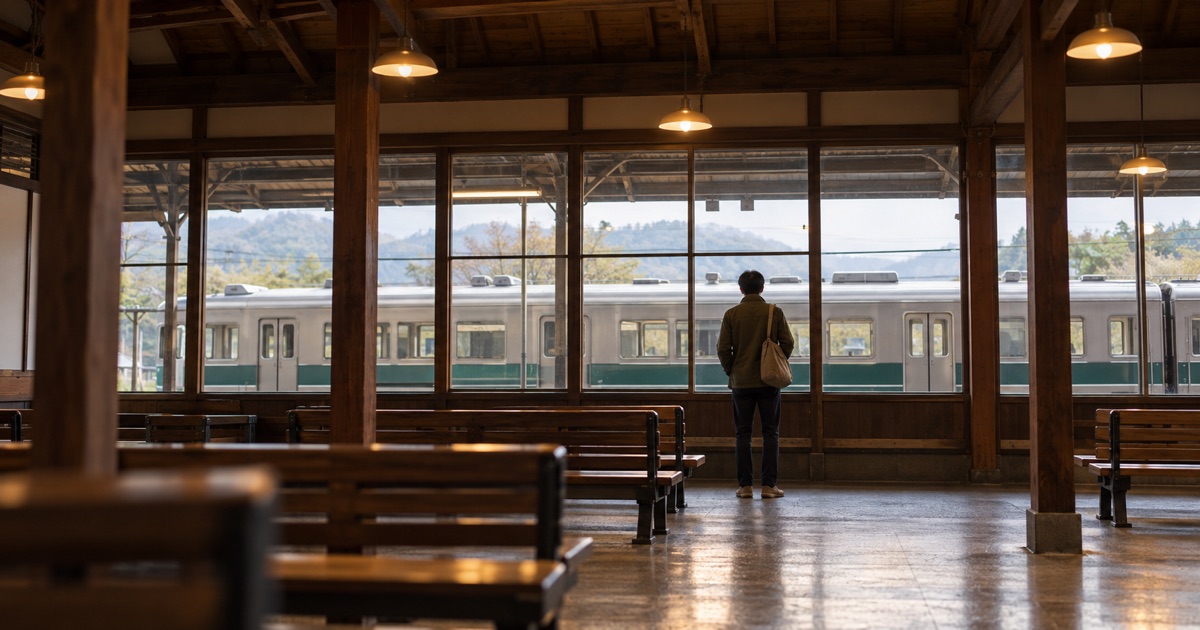
Kyoto is a large, spread-out city with ancient infrastructure. The biggest mistake first-time visitors make is attempting to cross the city multiple times in a single day using city buses. Buses often sit trapped in heavy traffic, turning a 20-minute trip into an hour-long ordeal. This itinerary relies primarily on Kyoto's efficient railway network, including JR lines, private railways, and the city subway, starting from Kyoto Station (京都駅).
Day 1: Southern Shrines and Historic Eastern Kyoto
Day 1 focuses on Kyoto's spiritual roots and preserved merchant quarters along the eastern hills (Higashiyama).
7:30 AM – Fushimi Inari-Taisha (伏見稲荷大社)
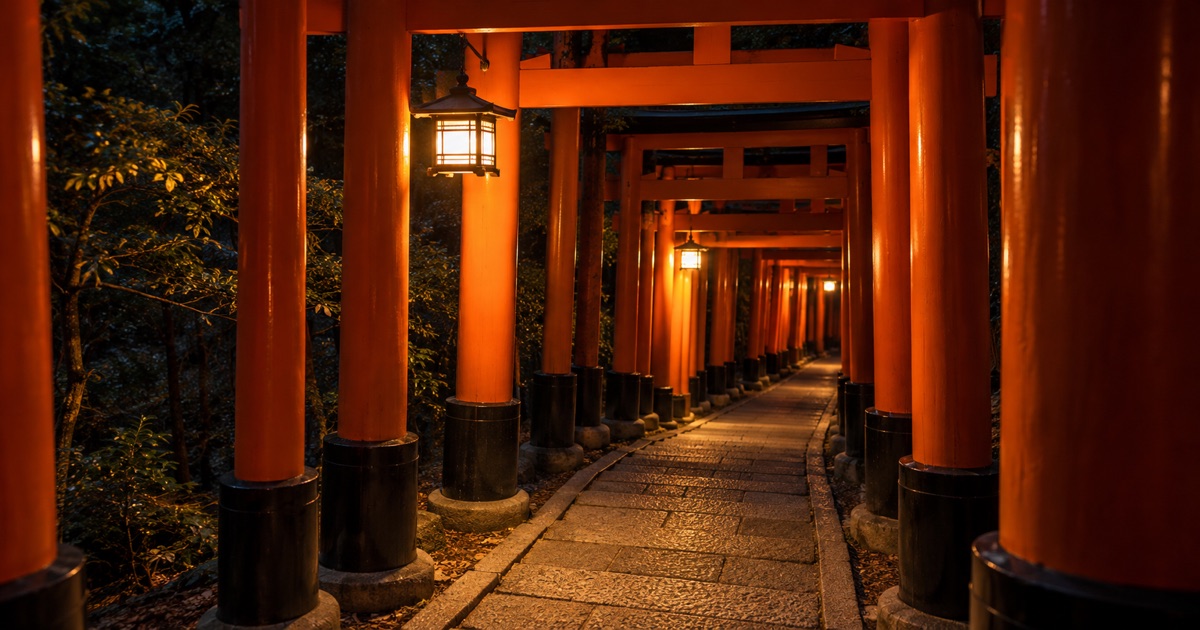
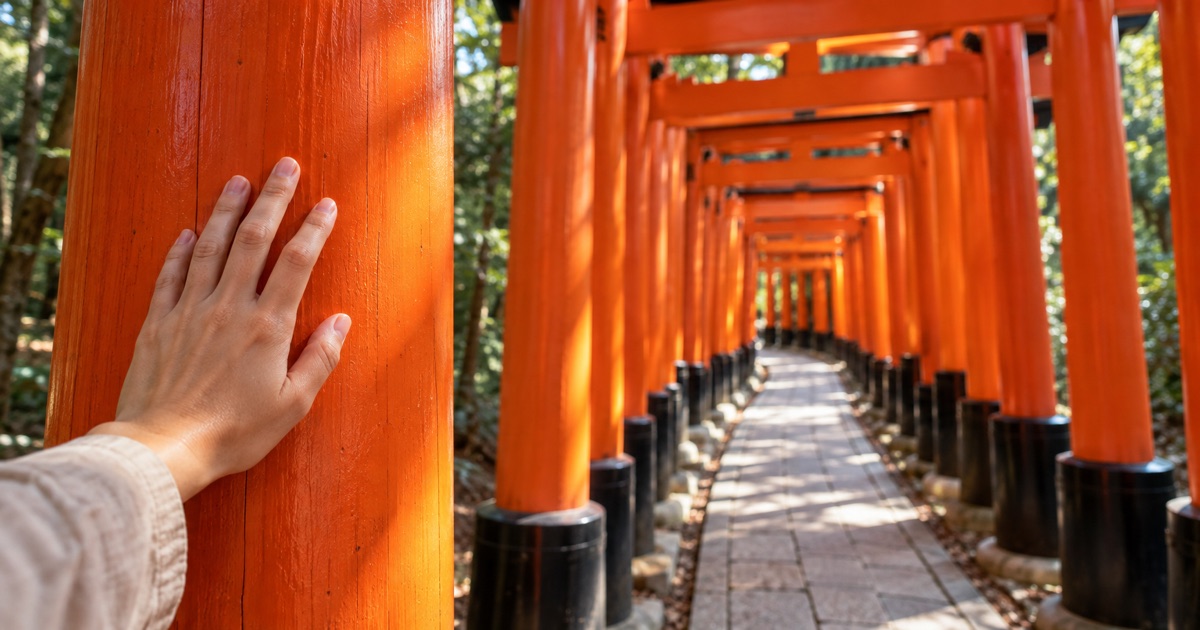
Start your morning as early as possible at Fushimi Inari-Taisha, the famous shrine dedicated to the Shinto deity of rice and business. The shrine's most famous feature is the Senbon Torii, a path lined with thousands of vibrant vermilion gates winding up Mount Inari.
- Route: From Kyoto Station, take the JR Nara Line to Inari Station (稲荷駅). The ride takes roughly 5 minutes. The shrine entrance is directly across from the station exit.
- On-the-ground advice: The lower paths become overwhelmingly crowded by 9:00 AM. If you want quiet photos and an atmospheric walk, arrive before 8:00 AM. Walking the full mountain loop takes roughly 2 to 3 hours, but walking up to the Yotsutsuji intersection (四ツ辻) and back takes about 60 to 75 minutes, offering sweeping views of the city.
10:30 AM – Kiyomizu-dera (清水寺)
Next, travel north to one of Kyoto’s most celebrated Buddhist temples, perched high on the slopes of Mount Otowa. Kiyomizu-dera is famous for its massive wooden stage, built entirely without nails, which overlooks cherry blossoms in spring and fiery maples in autumn.
- Route: Return to Inari Station or walk 5 minutes to Fushimi-Inari Station (伏見稲荷駅) on the Keihan Main Line. Take the Keihan train northbound to Kiyomizu-Gojo Station (清水五条駅). From there, walk uphill toward the temple for roughly 20 to 25 minutes.
- Tip: The approach passes through Gojozaka and Chawan-zaka, streets known for traditional Kiyomizu pottery. Take your time climbing the hill, and drink from the Otowa Waterfall beneath the main hall.
1:00 PM – Ninenzaka, Sannenzaka, and Lunch
After leaving Kiyomizu-dera, descend through the preserved stone-paved pedestrian alleys of Sannenzaka (産寧坂) and Ninenzaka (二年坂). These historic lanes are lined with traditional wooden machiya townhouses, tea shops, and craft stores.
- Lunch: Stop at one of the noodle shops or casual teahouses along the slopes. Try local Kyoto specialties like yudofu (simmered tofu) or cold cha-soba (green tea buckwheat noodles).
- Tip: Watch your step on the stone stairs, especially in wet weather, as the smooth slate can be slippery.
3:00 PM – Kodai-ji Temple (高台寺) and Yasaka Shrine (八坂神社)
Continue walking north through the quiet lanes toward Kodai-ji, an exquisite Zen temple established in 1606. It features Zen rock gardens, two historic tea houses designed by tea master Sen no Rikyu, and a small, quiet bamboo grove that offers an alternative to Arashiyama's crowds.
From Kodai-ji, follow the pedestrian paths past Maruyama Park to Yasaka Shrine, the vibrant heart of the Gion district.
5:00 PM – Gion (祇園) and Pontocho Alley (先斗町)
End your first day wandering through Gion, Kyoto's premier geisha entertainment district. Walk along Hanami-koji Street (花見小路), where traditional ochaya (teahouses) stand behind dark wooden lattices.
Cross the Kamogawa River (鴨川) via Shijo Bridge into Pontocho Alley, a narrow, lantern-lit corridor running parallel to the river. Packed with yakitori stalls, modern bistros, and high-end dining, it is one of the most atmospheric places in Japan for dinner.
- Important rule: Kyoto enforces strict photography bans in the private residential side streets of Gion. Respect all posted signs; photographing working geiko or maiko on private streets is strictly prohibited and carries fines.
Day 2: Western Bamboo, Golden Zen, and Central Markets
Day 2 takes you to the scenic western foothills of Arashiyama before cutting across the north to see the iconic Golden Pavilion and downtown food markets.
8:00 AM – Arashiyama Bamboo Grove (嵐山竹林の小径)
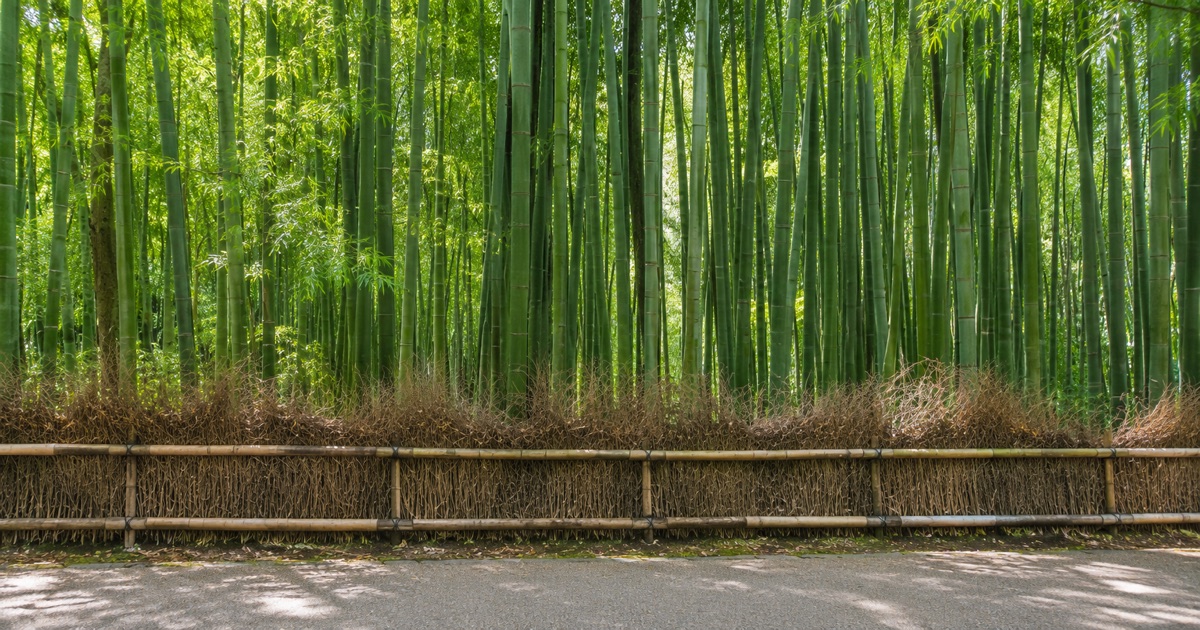
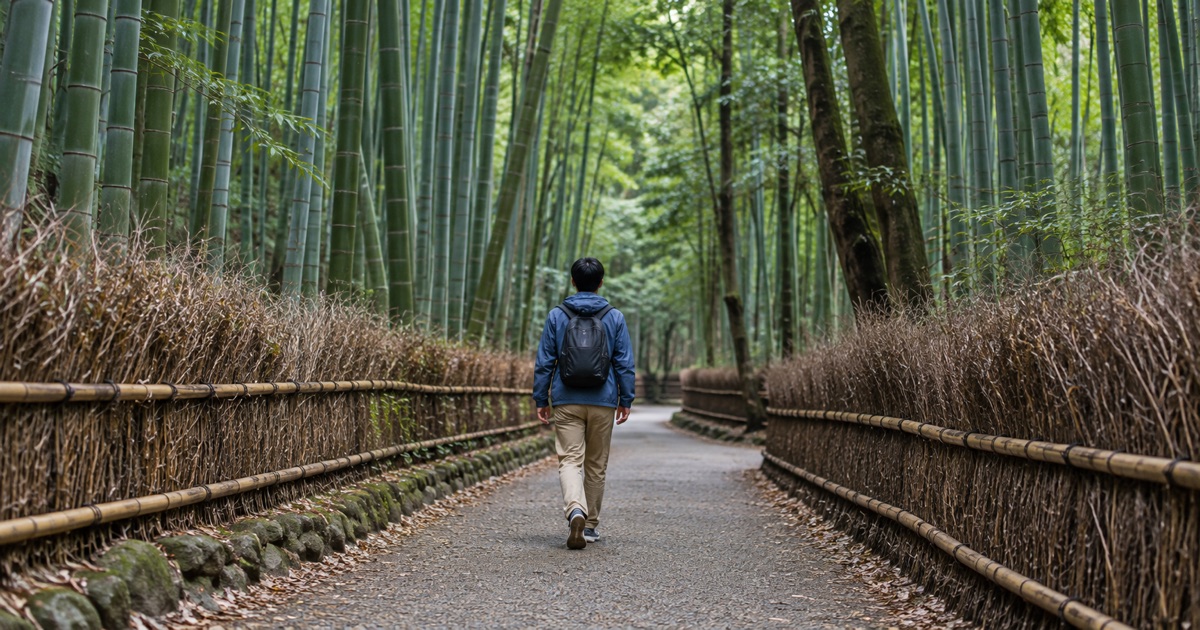
Begin your second day in Arashiyama, located on Kyoto's western edge. The towering stalks of the Sagano Bamboo Forest create a distinct natural canopy that rustles in the wind.
- Route: From Kyoto Station, take the JR San-in Line (Sagano Line) to Saga-Arashiyama Station (嵯峨嵐山駅). The ride takes roughly 15 to 20 minutes. From the station, walk west for roughly 10 minutes to reach the grove.
- Crowd management: Arashiyama is one of Japan's most popular sights. Arriving around 8:00 AM lets you experience the natural sounds of the grove before large tour buses arrive around 9:30 AM.
9:30 AM – Tenryu-ji Temple (天龍寺)
Directly adjacent to the bamboo grove is Tenryu-ji, a world-renowned Zen temple founded in 1339. Its Sogenchi Garden is a designated Special Place of Scenic Beauty, retaining the same design created by master Muso Soseki over six centuries ago. The pond reflects the surrounding Arashiyama mountains, blending natural and sculpted scenery.
After touring the garden, walk down to the Katsura River and cross the Togetsukyo Bridge (渡月橋), an iconic timber-clad bridge that has defined Arashiyama’s landscape for hundreds of years.
12:00 PM – Kinkaku-ji: The Golden Pavilion (金閣寺)
Head northeast toward Kinkaku-ji, the Zen temple whose top two floors are completely covered in brilliant gold leaf. The structure stands reflected over the Kyoko-chi (Mirror Pond), creating one of Japan's most recognizable vistas.
- Route: From Arashiyama, walk to Keifuku Randen Saga Station. Take the Randen tram line to Katabiranotsuji, transfer to the Kitano Line, and ride to Kitano-Hakubaicho Station (roughly 25 minutes total). From there, take a local city bus or a 10-minute taxi to Kinkaku-ji.
- Tip: Kinkaku-ji follows a strictly one-way walking route. Have your camera ready as you enter, because the best viewpoint across the pond appears immediately after passing the ticket gate.
3:00 PM – Nishiki Market (錦市場)
Take a city bus or taxi from Kinkaku-ji down to the Karasuma or Kawaramachi area to explore Nishiki Market, known locally as "Kyoto's Kitchen." This narrow, five-block shopping street features over a hundred stalls selling seasonal seafood, pickled vegetables (tsukemono), dried bonito, knives, and street snacks.
- Local etiquette: To prevent congestion and waste problems, eating while walking through the market street is discouraged. When you buy street food from a stall—such as soy milk doughnuts, octopus skewers, or tamagoyaki (rolled omelet)—eat it in the designated space provided beside that specific vendor.
5:30 PM – Kyoto Station Skyway and Modern Architecture
Return to Kyoto Station to wrap up your 48 hours. Designed by architect Hiroshi Hara, the station building is a massive, futuristic complex of glass and steel that contrasts sharply with Kyoto's ancient temples. Take the grand staircase up to the Skyway observation corridor on the 10th floor for an open-air view across the city grid toward the mountains.
We are working to carry Japanese craft and everyday culture beyond Japan, by building Japan Towns with local partners.
Read the Japan Town plan →Essential Practical Advice for Kyoto
Getting Around Without Delays
Kyoto's bus network is comprehensive, but road congestion often doubles travel times during peak tourist seasons (spring and autumn).
- Use the JR Sagano Line for Arashiyama.
- Use the JR Nara Line or Keihan Main Line for Fushimi Inari and southern areas.
- Use the Hankyu Line to travel quickly between Arashiyama and downtown Kawaramachi.
- Use the Kyoto Municipal Subway to travel north-south and east-west under the city centre.
You do not need a specialized transit pass for this two-day route. Standard IC cards—such as ICOCA, Suica, or Pasmo—are accepted on all train, subway, and bus operators in the city. Simply tap in and tap out at the ticket barriers. For train updates and route planning, consult JR West.
Luggage and Packing
Kyoto involves extensive walking across cobblestones, steep temple steps, and gravel pathways.
- Footwear: Wear broken-in walking shoes that slip off easily, as you will need to remove your shoes to enter temple halls.
- Baggage: Avoid bringing large suitcases onto city buses or crowded trains. Use the coin lockers at Kyoto Station, or arrange baggage forwarding (ta-q-bin) between your hotels in Tokyo or Osaka.
- Cash: While modern convenience stores, train stations, and department stores accept credit cards, many temple admission booths, small noodle shops, and market vendors remain strictly cash-only. Keep several thousand yen in cash on hand.
For current travel alerts, seasonal temple light-up schedules, and cultural guidelines, refer to the Japan National Tourism Organization before your trip.
FAQ
- Q. Is two days enough time to see Kyoto?
- A. Two days is enough to experience Kyoto's essential highlights, provided you focus on specific geographic zones and travel primarily by train.
- Q. Should I use buses or trains for a 2-day Kyoto itinerary?
- A. Trains and subways are strongly recommended over city buses because Kyoto's road traffic frequently causes severe delays for buses.
- Q. What transit card should I use in Kyoto?
- A. Major IC cards like ICOCA, Suica, and Pasmo work on virtually all trains, subways, and buses throughout Kyoto.
Cite or share this article
Copy the link below. If you quote this article, please link to this page as the source.