What to Do After Kumano Kodo: 5 Easy Next Stops
Key takeaways
- Connect directly from coastal Kii Peninsula trailheads to Osaka, Kyoto, or Mount Koya via reliable JR Limited Express trains.
- Rest trail-weary muscles in historic hot spring towns like Shirahama or Kawayu Onsen before travelling onward.
- Purchase regional rail passes to cover long-distance train segments back toward major Kansai transit hubs.
After finishing the Kumano Kodo (熊野古道), the best next step is to head to a relaxing regional destination like Mount Koya, Shirahama, Ise, or back to the Kansai hubs of Osaka and Kyoto. Most hikers finish their pilgrimage along the southeast coast near Kii-Katsuura or return west toward Kii-Tanabe, both of which offer direct train connections via the JR rail network.
Whether you have 1 extra day or a full week, the Kii Peninsula and surrounding Kansai region make onward travel straightforward. Here is how to plan your journey after completing your trek, step by step.
1. Understand Your Exit Hubs
Where you go next depends entirely on where your hike concludes. The ancient Kumano Kodo network has several routes, but most overseas walkers finish the popular Nakahechi route at either Kumano Hongu Taisha (熊野本宮大社) in the central mountains or Kumano Nachi Taisha (熊野那智大社) near the coast.
Departing from the East Coast: Kii-Katsuura Station
If you hike all the way through to Nachi Falls or Kumano Hayatama Taisha (熊野速玉大社) in Shingu (新宮), your primary departure hub is Kii-Katsuura Station (紀伊勝浦駅). From here, the JR Kuroshio Limited Express runs west along the southern coast straight toward Wakayama, Tennoji, Osaka, and Shin-Osaka stations. Alternatively, the JR Nanki Limited Express runs north toward Nagoya along the eastern coastline.
Departing from the West Coast: Kii-Tanabe Station
If you end your trek at Kumano Hongu Taisha without walking to the sea, you will take a local bus back to Kii-Tanabe Station (紀伊田辺駅) on the western coast. This bus ride takes roughly 1.5 to 2 hours. Kii-Tanabe is a major stop on the JR Kinokuni Line (part of the Main Kisei Line), with frequent Limited Express trains running north toward Osaka.
Before setting off on any onward leg, check route options and service notices directly on the official JR West website.
2. Top 5 Destinations to Visit After the Hike
Option 1: Mount Koya (Koyasan)
Continuing your spiritual journey from Kumano Kodo to Mount Koya (高野山) is the classic pilgrimage pairing. Koyasan is the mountaintop headquarters of Shingon Buddhism, founded by Kobo Daishi in 816. Visitors stay in working Buddhist temples (shukubo), eat vegetarian Buddhist cuisine (shojin ryori), and wander through Okunoin cemetery under ancient cedar trees.
- How to get there:
- Spring to Autumn (Direct Bus): A seasonal bus operated by Ryujin Bus runs directly between Kumano Hongu Taisha and Koyasan. This journey takes around 4 to 5 hours through winding mountain roads.
- Year-round (By Train): Take the JR Kuroshio Limited Express north from Kii-Katsuura or Kii-Tanabe to Wakayama Station. Transfer to the JR Wakayama Line to Hashimoto Station (橋本駅), then transfer to the private Nankai Koya Line up to Gokurakubashi Station (極楽橋駅). From Gokurakubashi, a 5-minute cable car connects to the top of the mountain. Total travel time is roughly 4.5 to 6 hours.
- Best for: Travellers wanting cultural immersion and temple stays.
Option 2: Shirahama Coastal Resort
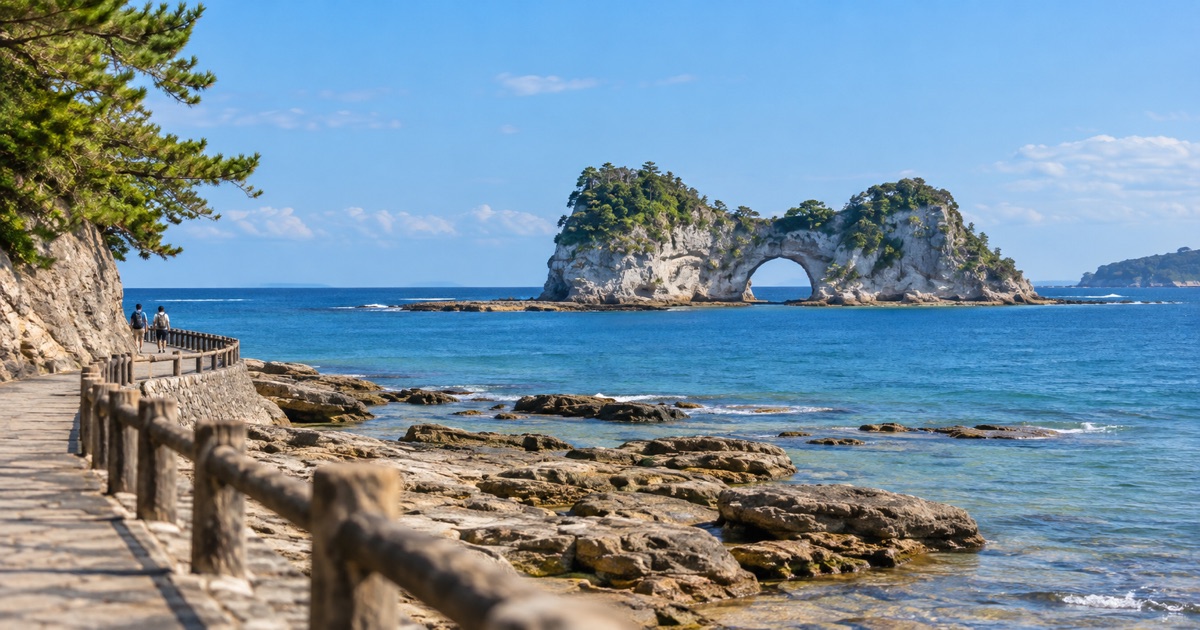
After multiple days of mountain hiking, Shirahama (白浜) provides an easy, low-effort beach-and-onsen break on the southwest coast of Wakayama Prefecture. Known for its crescent-shaped white sand beach and centuries-old hot springs overlooking the Pacific Ocean, it sits directly along the train line back to Osaka.
- How to get there: Take the JR Kuroshio Limited Express to Shirahama Station (白浜駅). The ride takes roughly 1.5 hours from Kii-Katsuura or around 15 minutes from Kii-Tanabe. Local buses connect the station to the beach and hot spring districts in 15 to 20 minutes.
- Best for: Hikers seeking rest, hot spring baths, and coastal views without extensive detour travel.
Option 3: Ise Grand Shrine
If you finish your hike on the eastern side near Shingu, you can continue along Mie Prefecture's coastline to Ise-Jingu (伊勢神宮), considered Japan's most sacred Shinto shrine. The shrine complex is divided into the Outer Shrine (Geku) and Inner Shrine (Naiku), set within peaceful, forested grounds.
- How to get there: From Kii-Katsuura Station or Shingu Station (新宮駅), take the JR Nanki Limited Express north to Taki Station (多気駅), then transfer to the JR Sangu Line toward Iseshi Station (伊勢市駅). The train trip takes roughly 2.5 to 3.5 hours. From Iseshi Station, you can easily access Nagoya or Kyoto by train.
- Best for: History enthusiasts and visitors heading toward Nagoya, Shizuoka, or Tokyo.
Option 4: Osaka (Food and City Life)
If you are ready to trade quiet mountain trails for neon lights, street food, and vibrant urban energy, head straight to Osaka. It serves as Kansai's culinary capital and central transit hub.
- How to get there: Board the JR Kuroshio Limited Express from either Kii-Tanabe (roughly 2 to 2.5 hours) or Kii-Katsuura (roughly 3.5 to 4 hours). Trains stop at Tennoji Station, Osaka Station (Umeda), and Shin-Osaka Station.
- Best for: Enjoying takoyaki, okonomiyaki, shopping, and easy connections to Kansai International Airport (KIX).
Option 5: Kyoto (Historic Temples and Gardens)
If your international itinerary allows, you can travel from the Kumano wilderness directly to Kyoto's historic districts. While it requires a slightly longer transit day, the connection is smooth.
- How to get there: Ride the JR Kuroshio Limited Express to Shin-Osaka Station, then make a simple 15-minute cross-platform transfer to the Tokaido Shinkansen or a 25-minute transfer to the JR Special Rapid train to Kyoto Station. Alternatively, select Kuroshio services run directly to Kyoto Station once or twice per day. Total travel time is approximately 4 to 4.5 hours from Kii-Katsuura.
- Best for: Continuing a traditional Japanese cultural itinerary.

We are working to carry Japanese craft and everyday culture beyond Japan, by building Japan Towns with local partners.
Read the Japan Town plan →3. Practical Transit Tips for Onward Travel
Train Passes to Consider
Travel along the Kii Peninsula can be costly using standard single-journey tickets. If you plan to head toward Osaka or Kyoto, look into regional passes such as the JR Kansai WIDE Area Pass. This pass covers the JR Kuroshio Limited Express line between Kii-Katsuura, Shirahama, Kii-Tanabe, and Osaka, and pays for itself with a single one-way trip plus a return leg. Always verify current prices and coverage rules with official ticket offices or regional transport authorities.
Seat Reservations
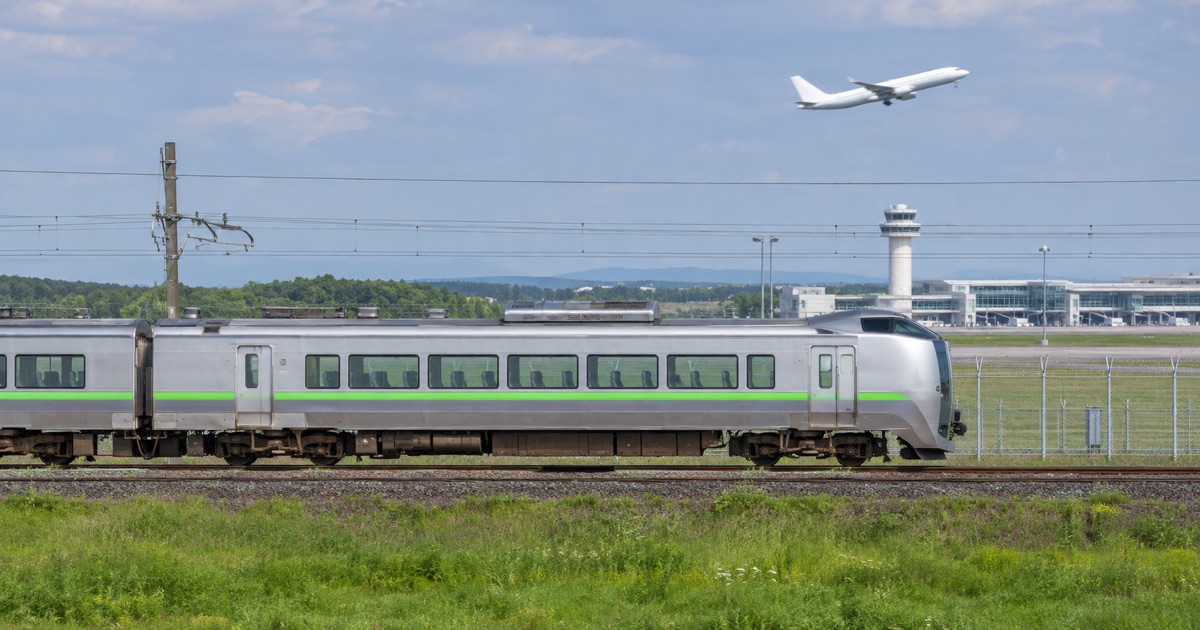
The JR Kuroshio Limited Express operates with reserved seating. Hikers should book seat tickets at station ticket machines or JR Midori-no-Madoguchi ticket counters before departure, especially during peak seasons like golden week, summer holidays, and the autumn leaf-viewing season.
Baggage Forwarding
If you sent large luggage ahead using baggage forwarding services (such as Yamato Transport) while trekking with a daypack, arrange for your delivery to arrive at your next hotel. Most Japanese business hotels and ryokan will hold forwarded luggage until you check in, provided the name on the delivery slip matches your reservation name.
Common Mistakes to Avoid
- Missing the last bus from Hongu: Local bus services between Kumano Hongu Taisha and coastal train stations run infrequently in the late afternoon. Missing your bus could leave you stranded in the interior mountains. Check daily schedules at visitor centers before hiking.
- Assuming all trains have food carts: JR Kuroshio and local trains do not have onboard food or trolley services. Buy lunch, snacks, and water at station convenience stores before boarding.
- Ignoring weather disruptions: The Kii Peninsula experiences heavy coastal rainfall and occasional typhoons. Coastal rail lines can temporarily close during intense storms. Keep an eye on local advisories through the Japan National Tourism Organization travel updates portal.
4. Suggested 2-Day Post-Hike Recovery Itinerary
- Day 1: Trail End to Hot Spring Stay
- Morning: Complete final trek section to Kumano Nachi Taisha and Nachi Falls.
- Midday: Take the local bus (around 30 minutes) to Kii-Katsuura Station. Enjoy a fresh tuna lunch near the harbour.
- Afternoon: Check into an oceanfront onsen hotel in Katsuura or take the train to Shirahama.
- Evening: Soak trail-weary muscles in thermal baths and rest.
- Day 2: Coastal Transit to City Hub
- Morning: Relaxed breakfast, stroll along the coastline.
- Midday: Board the JR Kuroshio Limited Express toward Osaka or Shin-Osaka.
- Afternoon: Arrive in Osaka, check in, and explore the Dotonbori entertainment district.
FAQ
- Q. How many hours does it take to get to Osaka after Kumano Kodo?
- A. Travel time takes roughly 2.5 to 4 hours via the JR Kuroshio Limited Express, depending on whether you depart from Kii-Tanabe or Nachi-Katsuura.
- Q. Can you travel directly from Kumano Kodo to Mount Koya?
- A. Yes, seasonal buses connect Hongu Taisha to Koyasan, or you can take trains via Hashimoto Station year-round in around 4 to 5 hours.
- Q. Which train station is the main departure hub after finishing the trail?
- A. Most hikers finish near Nachi-Katsuura Station on the east coast or return by local bus to Kii-Tanabe Station on the west coast.
Cite or share this article
Copy the link below. If you quote this article, please link to this page as the source.