How to Get to Hakone: Complete Train & Route Guide
Key takeaways
- The fastest direct route is the Odakyu Romancecar from Shinjuku Station to Hakone-Yumoto Station in about 75 to 85 minutes.
- JR Pass holders can take the Tokaido Shinkansen from Tokyo or Shinagawa to Odawara, then switch to the local Hakone Tozan Line.
- The Odakyu Hakone Freepass covers round-trip transit from Shinjuku plus unlimited rides on local mountain transport.
The fastest and most straightforward way to get to Hakone from Tokyo is taking the Odakyu Electric Railway Romancecar limited express train directly from Shinjuku Station (新宿) to Hakone-Yumoto Station (箱根湯本), which takes around 75 to 85 minutes. Alternatively, travellers using a nationwide Japan Rail Pass can ride the JR Tokaido Shinkansen from Tokyo Station (東京) or Shinagawa Station (品川) to Odawara Station (小田原) in roughly 30 to 35 minutes, transferring there to local Hakone transit.
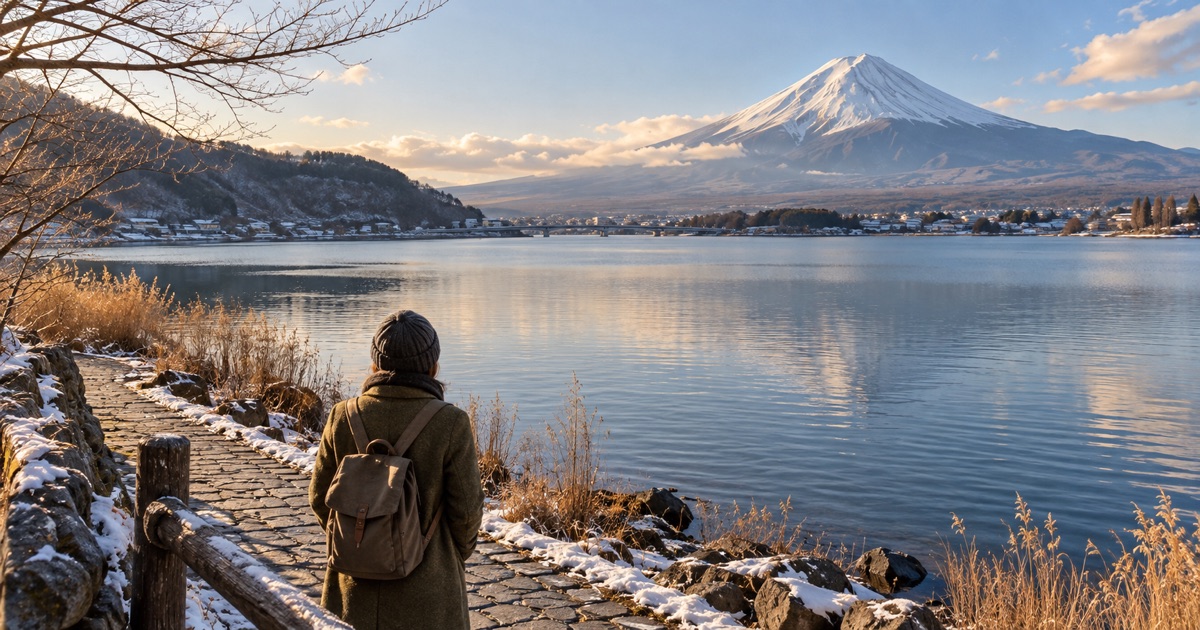
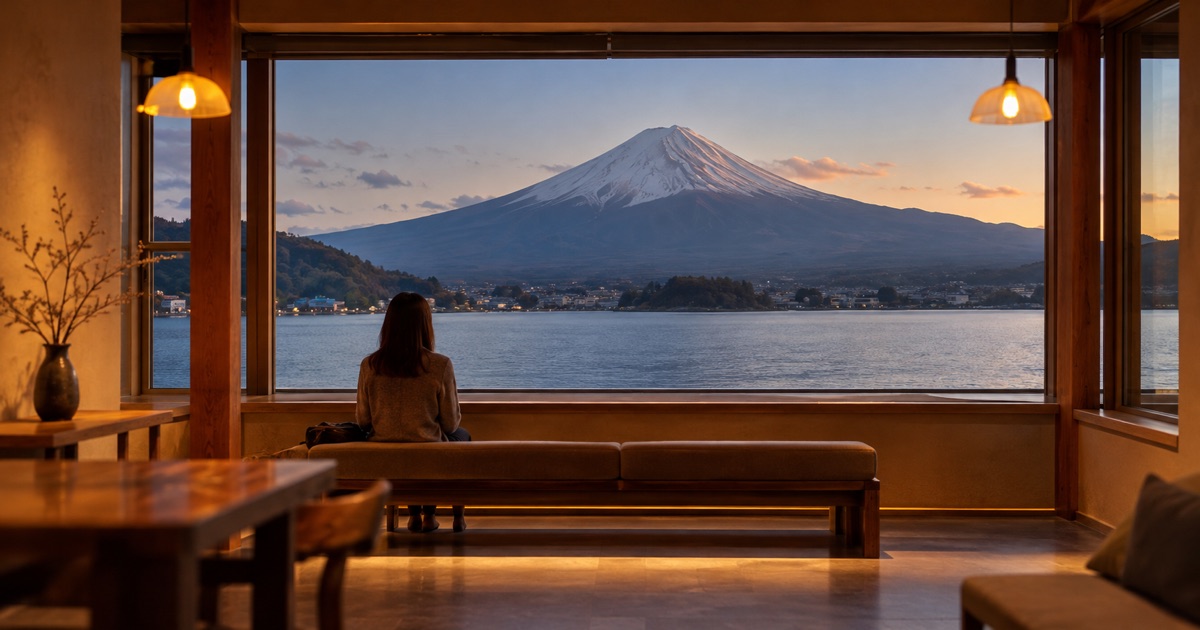
Hakone is one of Japan's most famous mountain escapes, renowned for views of Mount Fuji across Lake Ashi (芦ノ湖), volcanic valleys, open-air art museums, and historic hot spring bathhouses. Reaching this scenic mountainous region is simple once you understand the two primary train hubs in Tokyo and the transit switch points along the way.
Prerequisites for Your Trip
Before heading to the ticket gates, prepare the following items to avoid delays at busy central Tokyo stations:
- Cash (Japanese Yen): While major train stations and ticket offices accept credit cards, smaller buses, lockers, and local snack vendors in Hakone often take cash or IC transit cards only.
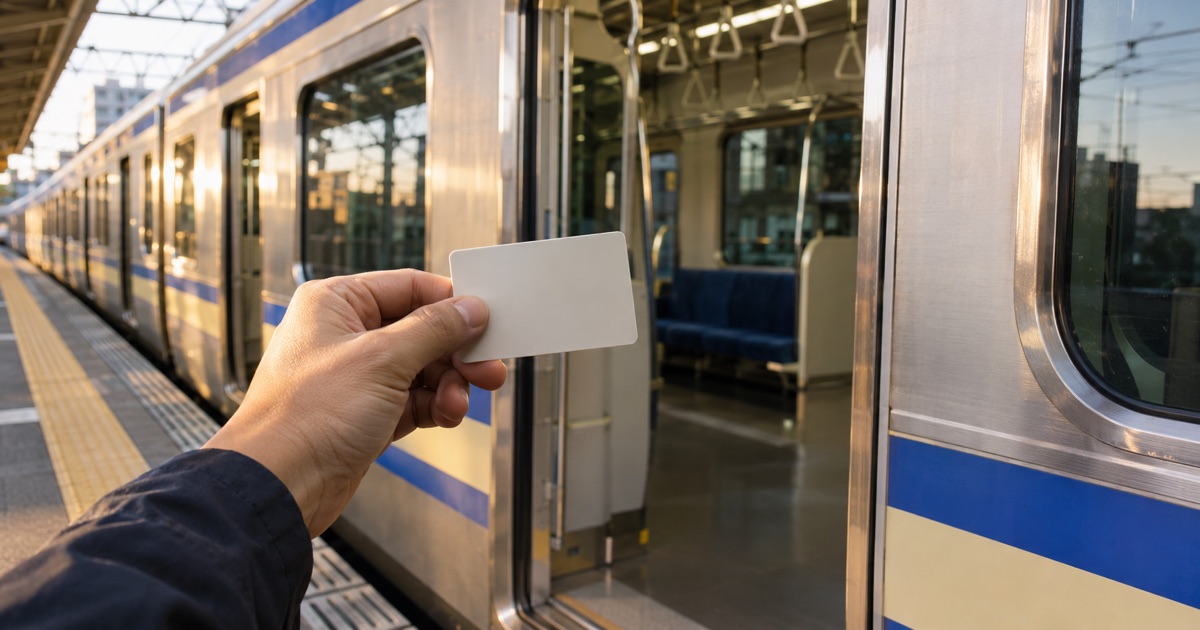
- Physical IC Card or Digital Pass: Have your Suica, Pasmo, or mobile transit card loaded, or purchase your train tickets in advance online.
- Luggage Strategy: Large suitcases are difficult to manoeuvre on mountain switchback trains, cable cars, and ropeways. Leave heavy bags at your Tokyo hotel and pack an overnight backpack, or use coin lockers at Odawara or Hakone-Yumoto.
- Weather Check: Views of Mount Fuji and the operation of the Hakone Ropeway depend heavily on clear skies and low wind. Check the forecast on the morning of departure via the Japan National Tourism Organization portal before you set out.
Option 1: Odakyu Romancecar from Shinjuku (Direct Route)
The Odakyu Railway offers the most popular and scenic route into the mountains. This option starts at Shinjuku Station on the western side of central Tokyo.
How the Route Works
The Odakyu Limited Express Romancecar runs directly from Shinjuku Station down through Kanagawa Prefecture and terminates right at Hakone-Yumoto Station (箱根湯本). There is no need to change trains.
- Departure Station: Shinjuku Station (Odakyu lines platform)
- Arrival Station: Hakone-Yumoto Station
- Travel Time: Roughly 75 to 85 minutes
- Approximate Fare: Around 2,400 to 2,600 yen one way (consisting of the base railway fare plus the mandatory Limited Express reserved seat surcharge).
Step-by-Step Boarding Process
- Locate the Odakyu line departure gates on the ground floor or underground level of Shinjuku Station.
- Purchase your base fare ticket and limited express surcharge at the Odakyu Sightseeing Service Center, via automated ticket machines, or book online in advance through Odakyu's official site.
- Pass through the ticket gates. Look for platforms dedicated to the Limited Express Romancecar.
- Board your assigned car and take your reserved seat. Food and non-alcoholic drinks are permitted on board, making this an excellent train for breakfast.
- Arrive at Hakone-Yumoto Station, where steps and walkways lead directly to local mountain buses and the Hakone Tozan Railway.
Slower Budget Alternative: Odakyu Rapid Express
If you wish to save money or cannot secure a Romancecar seat, you can take a standard Odakyu Rapid Express train from Shinjuku to Odawara Station, then switch to the local Hakone Tozan Line to reach Hakone-Yumoto. This option costs around 1,200 to 1,400 yen total one way and takes roughly 110 to 120 minutes. Regular commuter trains do not feature reserved seating.

We are working to carry Japanese craft and everyday culture beyond Japan, by building Japan Towns with local partners.
Read the Japan Town plan →Option 2: Shinkansen via Odawara (Best for JR Pass Holders)
If you hold an active whole-Japan JR Pass or plan to start your journey from eastern Tokyo (near Tokyo Station, Ueno, or Ginza), taking the bullet train is the fastest transit mode.
How the Route Works
Japan Railways (JR) operates the Tokaido Shinkansen south towards Nagoya and Kyoto. Odawara Station (小田原) is the gateway Shinkansen stop closest to Hakone. Because JR does not operate the mountain trains inside Hakone, this journey requires a transfer at Odawara. Learn more about Shinkansen networks directly through JR Central.
- Departure Station: Tokyo Station or Shinagawa Station
- Transfer Station: Odawara Station
- Arrival Station: Hakone-Yumoto Station
- Travel Time: Roughly 30 to 35 minutes on the Shinkansen, followed by a 15-minute connection on the local Hakone Tozan train (about 55 to 65 minutes total travel time, excluding transfer waiting periods).
- Approximate Fare: Roughly 3,300 to 4,000 yen for the Shinkansen portion (free with valid JR Pass), plus about 330 to 360 yen for the local non-JR train between Odawara and Hakone-Yumoto.
Step-by-Step Transfer at Odawara
- Board a Kodama or select Hikari Shinkansen train at Tokyo Station or Shinagawa Station. Ensure the specific train stops at Odawara, as the fastest Nozomi trains bypass it entirely.
- Disembark at Odawara Station.
- Exit through the JR Shinkansen ticket gates and follow the clear English signs toward the Hakone Tozan Line / Odakyu Line platforms.
- If you plan to tour the region, stop by the Odawara station travel center to buy a local Hakone Freepass starting from Odawara.
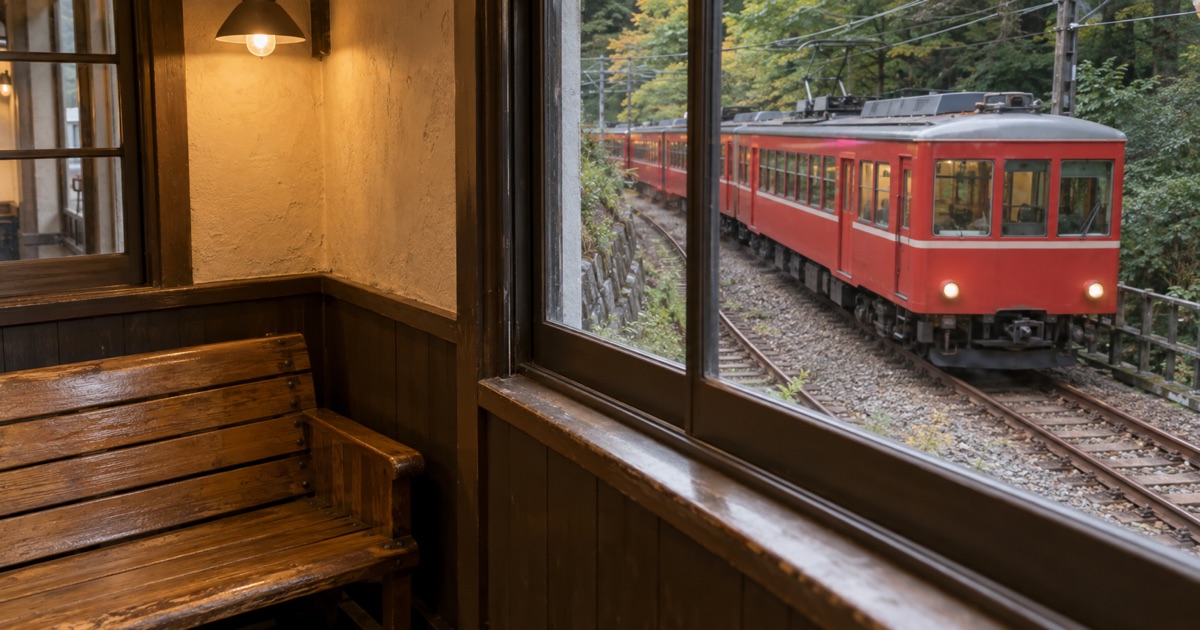
- Board the red Hakone Tozan train bound for Hakone-Yumoto Station.
Navigating Beyond Hakone-Yumoto
Hakone-Yumoto is only the entryway to the region. Most day-trippers continue higher into the mountains to complete the famous "Hakone Loop." From Hakone-Yumoto, you can branch out into the regional transit network:
- Hakone Tozan Railway (箱根登山電車): Scenic mountain switchback trains connecting Hakone-Yumoto to Gora Station (強羅).
- Hakone Tozan Cable Car (箱根登山ケーブルカー): Climbs steeply from Gora to Sounzan Station (早雲山).
- Hakone Ropeway (箱根ロープウェイ): Aerial cable cars sweeping past the sulfur vents of Owakudani (大涌谷) and down to Togendai (桃源台) on the shores of Lake Ashi.
- Hakone Sightseeing Cruise (箱根海賊船): Pirate-themed boats sailing across Lake Ashi between Togendai, Moto-Hakone, and Hakone-machi.
- Hakone Tozan Buses: Direct highway and local buses running back down from Lake Ashi to Hakone-Yumoto and Odawara stations.
The Hakone Freepass: Is It Worth It?
The Hakone Freepass, issued by the Odakyu Group, is a discount travel pass designed for visitors exploring the region.
What It Covers
- Unlimited rides on eight transport systems within the designated zone, including the Hakone Tozan Railway, Hakone Cable Car, Hakone Ropeway, Lake Ashi pirate ships, and Hakone Tozan Buses.
- Optional round-trip base fare between Shinjuku Station and Odawara Station (if purchased in Tokyo).
- Discounts at select regional hot springs, gardens, and museums.
Important Details
- Available in 2-day and 3-day versions (even day-trippers frequently buy the 2-day pass because doing the full sightseeing loop on individual tickets often costs more than the pass price).
- The pass covers standard base train fares. If you ride the Romancecar, you must purchase a separate limited express reserved-seat surcharge ticket (roughly 1,150 to 1,300 yen each way).
- Passes can be bought at Odakyu stations in Tokyo, at Odawara Station, or digitally via smartphone apps.
Common Mistakes to Avoid
- Boarding the Wrong Shinkansen: Not all bullet trains stop at Odawara. Nozomi services do not stop there; always check the display boards for Kodama or designated Hikari services.
- Ignoring Weather Alerts for Owakudani: The Hakone Ropeway occasionally shuts down due to strong winds or elevated volcanic gas emissions. Check station message boards at Hakone-Yumoto before buying single ropeway tickets.
- Travelling Late on Weekends: The mountain buses heading back to Hakone-Yumoto from Lake Ashi encounter significant road traffic on Saturday and Sunday afternoons. Plan your descent earlier in the afternoon or take the train network down via Gora to avoid sitting in highway traffic.
- Assuming the JR Pass Covers Everything: The JR Pass is valid only up to Odawara Station. All mountain lines, ropeways, and regional buses in Hakone are operated by private transport companies. Ensure you have an alternative payment method ready once you arrive at Odawara.
FAQ
- Q. Which train station is the main gateway to Hakone?
- A. Hakone-Yumoto Station (箱根湯本) is the primary gateway station where mountain trains, buses, and sightseeing routes connect.
- Q. Can I use the Japan Rail Pass to travel all the way to Hakone?
- A. The JR Pass covers travel only as far as Odawara Station; you must buy a separate ticket or local pass for transport within Hakone.
- Q. How far in advance should I reserve seats on the Odakyu Romancecar?
- A. Romancecar seats can typically be reserved online up to one month in advance, which is highly recommended for weekend travel.
Cite or share this article
Copy the link below. If you quote this article, please link to this page as the source.