How to Get to Naoshima from Tokyo: Step-by-Step Guide
Key takeaways
- Take the Tokaido-Sanyo Shinkansen from Tokyo to Okayama, then continue by train and ferry.
- Total one-way travel takes around 5 to 6 hours from central Tokyo to Miyanoura Port.
- Reserve art museum tickets well in advance, as same-day admissions are rarely available.
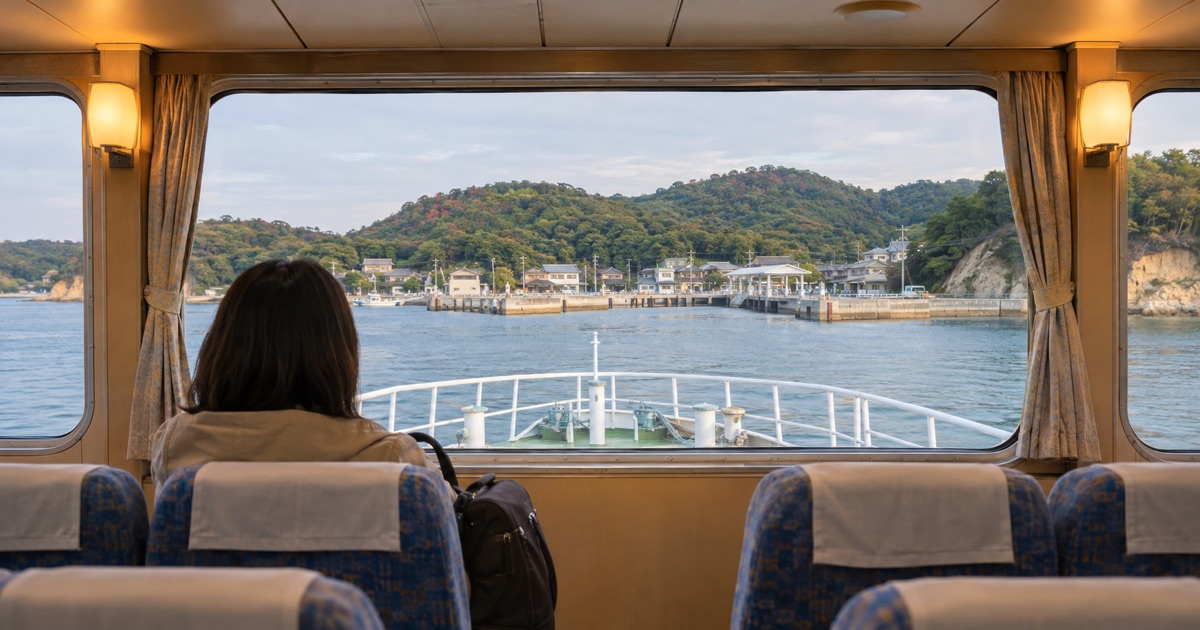
To get to Naoshima from Tokyo, ride the Tokaido-Sanyo Shinkansen to Okayama Station, transfer to a local JR train to Uno Station, and board a 20-minute ferry to Naoshima’s Miyanoura Port. The entire one-way journey typically takes between 5 and 6 hours depending on your connection times.
Naoshima (直島) is world-renowned for its contemporary art museums, outdoor sculptures, and traditional coastal architecture integrated into the Seto Inland Sea. Because the island sits far to the southwest of Tokyo, navigating the route independently requires transitioning smoothly from Japan's high-speed rail network to local trains and maritime transit. This guide outlines every leg of the trip, common pitfalls to avoid, and essential advice for English-speaking visitors making their first journey.
The Standard Route: Tokyo to Naoshima by Rail and Ferry
The vast majority of independent travelers reach Naoshima by rail via Okayama Prefecture, which offers the most frequent and reliable ferry access to the island.
Step 1: Shinkansen from Tokyo Station to Okayama Station
Your journey begins at Tokyo Station (東京駅) or Shinagawa Station (品川駅). Board the Tokaido-Sanyo Shinkansen heading west toward Hakata or Hiroshima.
- Train Type: The fastest service is the Nozomi (のぞみ), which completes the run to Okayama Station (岡山駅) in roughly 3 hours and 15 to 30 minutes. If you are using a standard Japan Rail Pass without paying the supplemental ticket, you will need to take the Hikari (ひかり) service and transfer at Shin-Osaka or Shin-Kobe to a Sakura (さくら), which adds about 45 to 60 minutes to the ride.
- Seat Reservations: During peak travel seasons—such as Golden Week, mid-August Obon, and New Year holidays—all seats on certain high-speed trains become reserved-only. Booking your ticket in advance at a station counter or online via the official railway portals is recommended.
For network overviews, schedules, and ticket reservations, visit the official website for JR Central or JR West.
Step 2: JR Train from Okayama Station to Uno Station
Once you arrive at Okayama Station, leave the Shinkansen platforms and follow the overhead English signs toward the local JR Uno Line (宇野線) platforms.
- Train Connections: Direct trains from Okayama to Uno Station (宇野駅) run roughly once per hour. If a direct train is not scheduled near your arrival time, board a train bound for Takamatsu or Kojima on the Seto-Ohashi Line, ride it to Chayamachi Station (茶屋町駅), and walk across the platform to change to a connecting local train bound for Uno.
- Travel Time: The train ride from Okayama Station to Uno Station takes approximately 45 to 60 minutes.
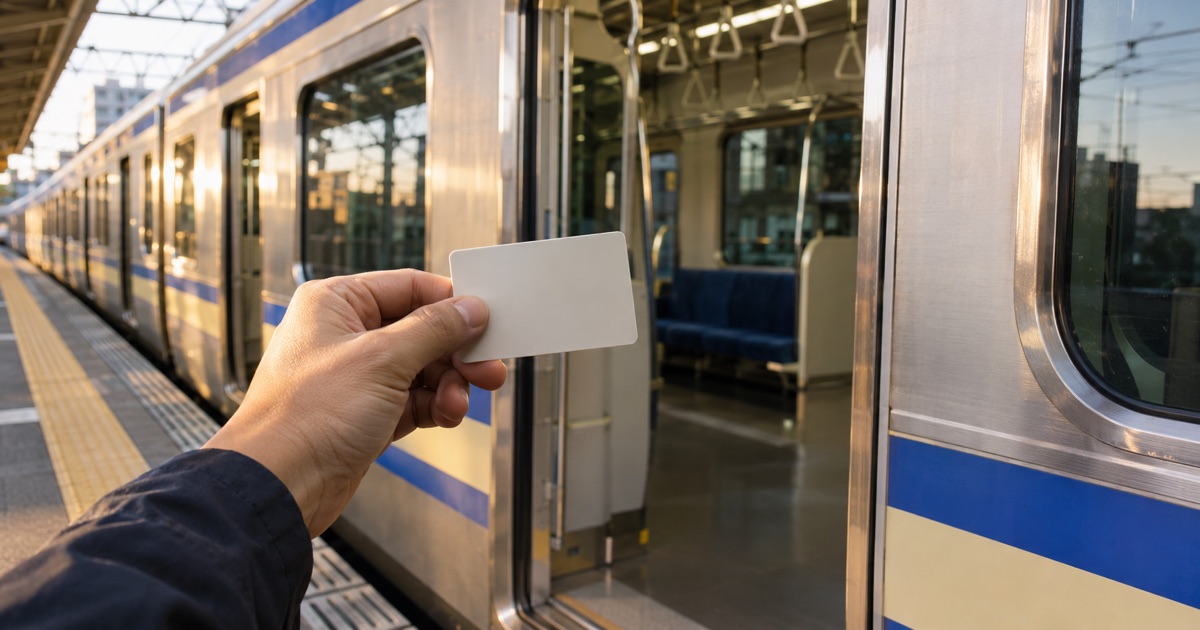
- Ticketing: You can use a standard JR paper ticket or tap an IC card (such as Suica, Pasmo, or ICOCA) at the automated ticket gates.
Step 3: Ferry from Uno Port to Miyanoura Port (Naoshima)
Uno Station is the terminus of the railway line. The port is directly across the street from the station exit.
- Walking to the Pier: Exit Uno Station and walk toward the waterfront. The walk to the Uno Ferry Terminal (宇野港) takes approximately 3 to 5 minutes on level ground.
- Buying Your Ferry Ticket: Look for the ticket counter for the passenger ferry to Miyanoura Port (宮浦港). Tickets cost around 300 to 400 yen for a one-way adult fare. Automated ticket vending machines are available with simple English prompts.
- The Crossing: The large passenger and vehicle ferry takes roughly 20 minutes to reach Miyanoura. Smaller high-speed passenger boats operate on select departures and take roughly 15 to 20 minutes, though they carry a slightly higher fare.
Total Travel Time and Estimated Costs
Because transit involves three distinct segments, keeping a realistic view of travel time and expense will help you organize your itinerary effectively.
- Total Travel Time: Expect roughly 5 to 6 hours from Tokyo Station to stepping foot onto Naoshima. This accounts for a 15-minute transfer in Okayama and arrival at Uno Port about 15 minutes before the ferry departure.
- Estimated Costs: A one-way adult ticket on the Shinkansen from Tokyo to Okayama costs roughly 17,000 to 19,000 yen for a reserved seat on a Nozomi train. The local train from Okayama to Uno is around 600 yen. The passenger ferry adds approximately 300 to 400 yen. Expect total one-way transit costs to fall in the range of 18,000 to 20,500 yen per adult. Prices can change depending on travel seasons and exchange rates.
We are working to carry Japanese craft and everyday culture beyond Japan, by building Japan Towns with local partners.
Read the Japan Town plan →Alternative Route: Flying to Takamatsu
If you prefer air travel, an alternative route exists using domestic flights from Tokyo's Haneda Airport (HND).
- Flight to Takamatsu Airport (TAK): Domestic carriers operate multiple flights daily from Haneda to Takamatsu on the island of Shikoku. The flight takes roughly 1 hour and 15 minutes.
- Airport Limousine Bus to Takamatsu Port: From Takamatsu Airport, an airport limousine bus connects to JR Takamatsu Station and Takamatsu Port (高松港) in roughly 40 to 45 minutes.
- Ferry from Takamatsu to Naoshima: Passenger ferries depart Takamatsu Port for Miyanoura Port, with the standard ferry taking around 50 to 60 minutes and high-speed boats taking around 30 minutes.
While flying sounds faster on paper, factoring in airport security, transit to Haneda, and bus connections makes the total door-to-door transit time comparable to taking the Shinkansen—around 4.5 to 5.5 hours.
Getting Around Naoshima Once You Arrive
Miyanoura Port is the arrival point for almost all visitors. The terminal building, known as the Marine Station Naoshima (海の駅「なおしま」), contains an information desk, public restrooms, coin lockers, and small cafes.
Local Buses
A town-run mini-bus connects Miyanoura Port with the Honmura (本村) area (where the Art House Project is located) and the Tsutsuji-so (つつじ荘) bus stop.
- Fares are around 100 yen for adults, paid in cash upon boarding or exiting.
- From Tsutsuji-so, a free shuttle bus operates exclusively within the Benesse House area, taking passengers to the Chichu Art Museum, Lee Ufan Museum, and Benesse House Museum.
Bicycle Rentals
Renting a bicycle is one of the most popular ways to see the island at your own pace. Several rental shops sit directly across from Miyanoura Port.
- Electric-Assist Bikes: Naoshima is quite hilly between Miyanoura, Honmura, and the southern museum district. Electric-assist bicycles are strongly recommended over standard city cruisers.
- Availability: Rental stock can run out by mid-morning on busy weekends and sunny days. Some shops allow advance reservations online.
What to Bring and How to Prepare
To make your trip smooth, keep these practical points in mind:
- Cash in Japanese Yen: While museum tickets are paid digitally and convenience stores accept cards, small island cafes, bicycle rental shops, local buses, and coin lockers often require physical coins or 1,000-yen notes. ATMs on the island are limited, primarily found at the post office or the 7-Eleven near Miyanoura Port.
- Light Luggage: Navigating trains, station stairs, and ferry gangways with large suitcases can be exhausting. Consider sending large luggage from Tokyo directly to your subsequent destination using a luggage forwarding service (takuhaibin), carrying only a small backpack for your days around the Seto Inland Sea.
- Comfortable Footwear: You will do substantial walking on paved hills, gravel paths, and inside sprawling museum complexes where shoes must occasionally be removed or replaced with slippers.
Common Mistakes to Avoid
- Attempting a Rushed Tokyo Day Trip: Traveling 10 to 12 hours round-trip in a single day leaves very little daylight to appreciate the art installations. If possible, stay overnight in Okayama, Uno Port, or on Naoshima itself.
- Showing Up Without Museum Reservations: Flagship destinations like the Chichu Art Museum require timed-entry online reservations. Peak dates sell out weeks in advance. Check official museum websites well ahead of your departure date.
- Visiting on Mondays: Many major museums and art houses on Naoshima are closed on Mondays. If Monday is a national holiday, museums usually open on Monday and close the following Tuesday instead. Always check current schedules before finalizing travel days.
- Missing the Last Ferry: While ferries run regularly throughout the day, schedules thin out significantly in the late evening. Note the final departure time from Miyanoura Port back to Uno or Takamatsu so you do not get stranded unexpectedly.
For broad transport guidelines and general travel advisories across Japan, consult the official guide at the Japan National Tourism Organization.
FAQ
- Q. Can I visit Naoshima as a day trip from Tokyo?
- A. While theoretically possible if you take the earliest bullet train around 6:00 AM, a day trip leaves you with only 3 to 4 hours on the island. Given the 10 to 12 hours of round-trip transit, staying at least one night in Okayama, Uno, or on Naoshima itself is strongly recommended.
- Q. Is the train journey to Naoshima covered by the Japan Rail Pass?
- A. The Japan Rail Pass covers the Shinkansen ride to Okayama (excluding the fastest Nozomi and Mizuho trains unless you purchase an extra surcharge ticket) and the local JR lines to Uno Station. However, the passenger ferry from Uno Port to Naoshima is operated by a private company and requires a separate ticket.
- Q. Which ferry port on Naoshima should I arrive at?
- A. Most ferries from Uno Port dock at Miyanoura Port (宮浦港), which is the island's main transit hub. Miyanoura has tourist information desks, local bus stops, luggage lockers, bicycle rental shops, and Yayoi Kusama's famous Red Pumpkin right next to the ferry terminal.
Cite or share this article
Copy the link below. If you quote this article, please link to this page as the source.