Yokohama Itinerary: The Ultimate One-Day Trip from Tokyo
Key takeaways
- Reach Yokohama from central Tokyo stations in just 30 to 45 minutes by direct commuter train lines.
- Experience a balanced day trip combining historic Japanese gardens, lively Chinatown dining, and modern harbor views.
- Navigate easily without speaking Japanese by following pedestrian paths, waterfront walkways, and bilingual signage.
The ideal Yokohama itinerary takes you from traditional Japanese gardens to historic seaside streets and glittering modern skylines in a single, well-paced day. Located just south of the capital, Yokohama (横浜) is reachable in roughly 30 to 45 minutes from central Tokyo, making it one of the easiest and most rewarding day trips in the Kanto region.
This step-by-step route is designed specifically for independent travelers and first-time visitors who want clear transit directions, realistic walking times, and essential local tips without needing to read Japanese.
Getting from Tokyo to Yokohama
Traveling to Yokohama is straightforward because multiple direct train lines connect Tokyo's major transit hubs to the port city. You do not need to reserve seats or ride the Shinkansen; standard commuter lines are cheap, frequent, and fast.
From Tokyo Station (東京駅) or Shinagawa Station (品川駅), take the JR Tokaido Line (東海道線) or the JR Keihin-Tohoku Line (京浜東北線) directly to Yokohama Station. The Tokaido Line is faster, taking roughly 25 to 30 minutes from Tokyo Station.
From Shibuya Station (渋谷駅), take the Tokyu Toyoko Line (東急東横線). Most express trains on this line run directly into the Minatomirai Line (みなとみらい線) underground, carrying you to central sights like Motomachi-Chukagai Station (元町・中華街駅) in roughly 35 to 40 minutes without requiring a transfer.
For current rail maps, passes, and updates, consult the official English portal for JR East.
Morning: Sankeien Garden
Begin your day trip at Sankeien Garden (三溪園), a vast, classic Japanese landscape garden located in southern Yokohama. Starting here lets you enjoy tranquil ponds, historic wooden architecture, and peaceful walking trails before afternoon crowds arrive.
How to Get There
Take the train to JR Negishi Station (根岸駅) or JR Yokohama Station. From either station, municipal buses run directly to the garden entrance.
From Negishi Station, board municipal bus line 58, 99, or 101 from bus stop number 1, and ride roughly 10 minutes to the Honmoku (本牧) stop. From there, follow the clearly marked pedestrian signs for a gentle 7-minute walk to the main gate.
Bus fares can be paid by tapping a standard IC card (such as Suica or Pasmo) when boarding or exiting.
What to See
Sankeien was created by a wealthy silk merchant and features historic buildings relocated from Kyoto, Kamakura, and Gifu. Highlights include a three-story pagoda visible from across the central pond, thatched-roof farmhouses, and historic tea houses.
Plan to spend around 90 minutes strolling the loop trails. Wear sturdy walking shoes, as paths include packed dirt, stone steps, and slight inclines. Admission fees apply, and opening hours can vary by season, so check the official garden website before your trip.

We are working to carry Japanese craft and everyday culture beyond Japan, by building Japan Towns with local partners.
Read the Japan Town plan →Midday: Yokohama Chinatown (Chukagai)
After exploring Sankeien, take the municipal bus toward central Yokohama and alight near Chukagai (中華街), Japan's largest Chinatown. With over 160 years of history, this vibrant neighborhood features ornate entrance gates, narrow pedestrian alleys, and hundreds of dining options.
Lunch and Street Food
Chinatown is ideal for a flexible lunch. You can sit down for a formal dim sum meal or sample snacks as you wander the pedestrianized streets.
Popular items sold at street stalls include steamed soup buns (xiao long bao), pan-fried pork buns, and sweet egg tarts. Most vendors display plastic food models, photo menus, and English labels with clear pricing, making ordering simple even if you do not speak Japanese.
Keep in mind that eating while walking along crowded lanes is generally discouraged; look for marked standing zones near food stalls to enjoy your snacks.
Kanteibyo Temple
While in Chinatown, take a few minutes to view Kanteibyo (関帝廟), an elaborate temple dedicated to Guan Yu, the Chinese deity of business and prosperity.
The temple features intricate dragon carvings, vivid roof tiles, and large incense burners. Entry to the courtyard is generally free, though small fees apply if you purchase incense sticks to place in the burners.
Afternoon: Yamashita Park and the Red Brick Warehouse
From Chinatown, a short five-minute walk toward the sea brings you to Yamashita Park (山下公園), a wide public green space stretching along Yokohama Harbor.
Waterfront Stroll
Walk along the paved seaside promenade for open views of the bay, commercial ships, and the city skyline. Permanently moored along the pier is the Hikawa Maru (氷川丸), a historic 1930s passenger liner that survived ocean crossings during the golden age of steamship travel. You can view the ship from the path or purchase an entry ticket to tour the preserved passenger decks and engine room.
Continue walking west through the park toward the Red Brick Warehouse (Akarenga Soko, 赤レンガ倉庫). This route passes over the Kishamichi Promenade (汽車道), a scenic boardwalk built atop an abandoned historical freight railway line.
Red Brick Warehouse
These two restored early-20th-century customs buildings now house a collection of independent boutiques, lifestyle craft shops, and cafes. It is a pleasant spot to take a coffee break, browse Yokohama-made souvenirs, or enjoy seasonal outdoor markets held in the central brick plaza.
Late Afternoon to Evening: Minato Mirai 21
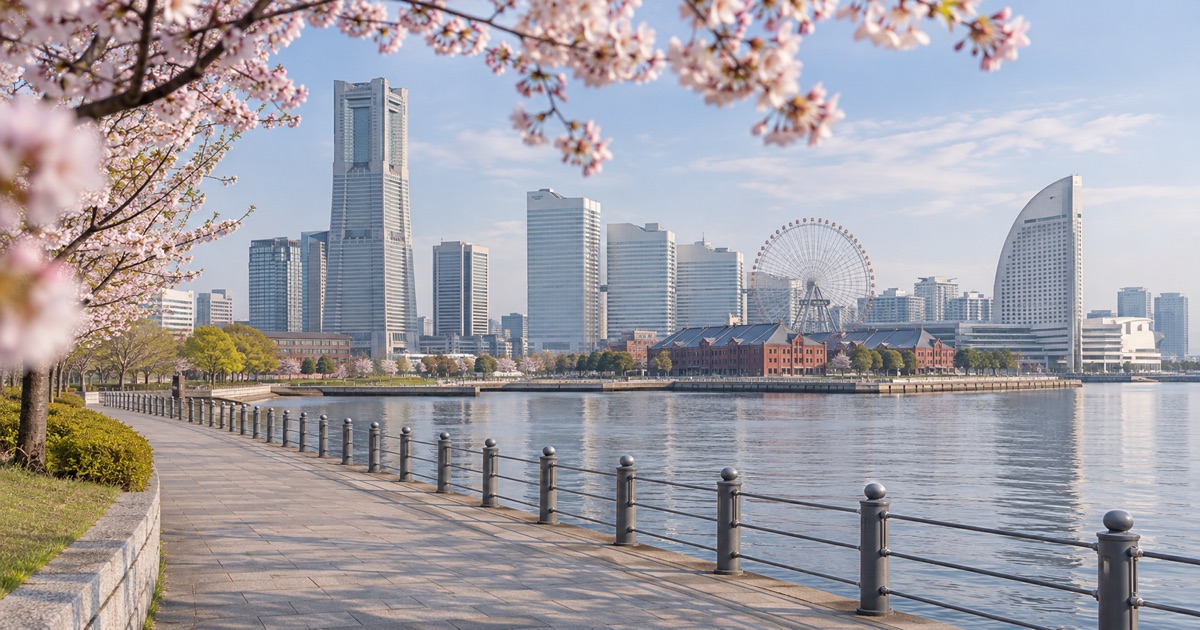
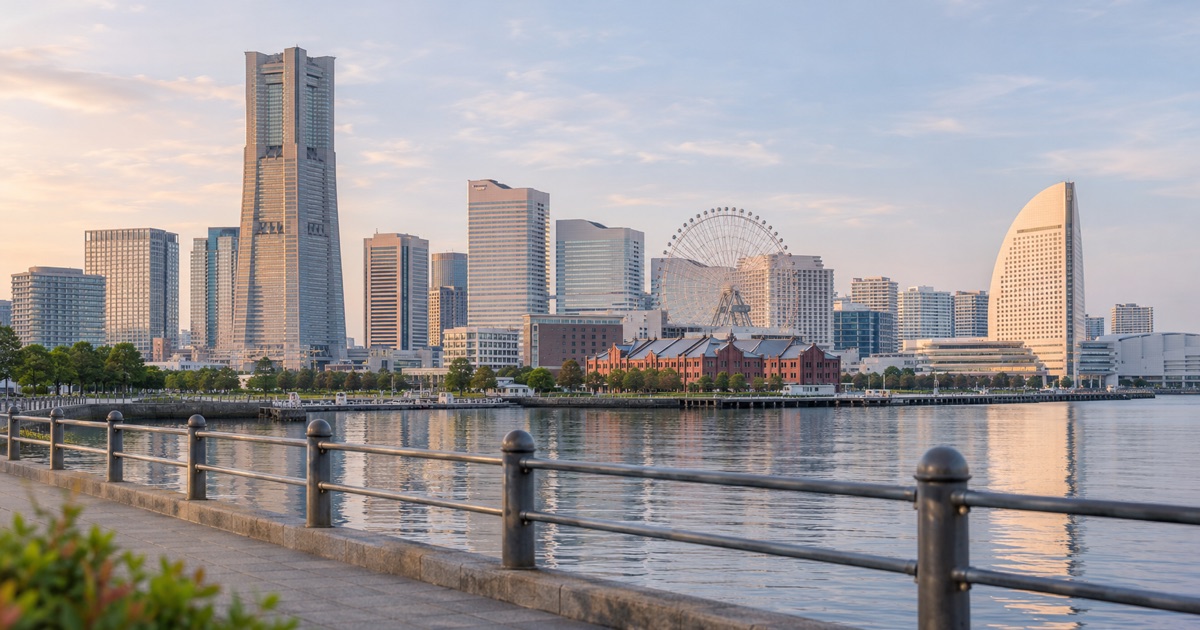
Finish your itinerary in Minato Mirai 21 (みなとみらい21), Yokohama's futuristic harbor district. As dusk approaches, the district's glass towers, waterfront attractions, and Ferris wheel illuminate the bay.
Yokohama Air Cabin and Cosmo World
For a unique view of the urban harbor, consider riding the Yokohama Air Cabin. This modern urban ropeway carries passengers between Sakuragicho Station (桜木町駅) and the canal area near the Red Brick Warehouse in roughly five minutes.
Nearby sits Yokohama Cosmo World, an amusement park famous for the giant Cosmo Clock 21 Ferris wheel. The park does not charge a general entrance admission fee; you simply purchase individual tickets for rides you wish to try.
Evening Skyline Views
For panoramic twilight views over the entire bay area and outward toward Tokyo, head to the Sky Garden observation deck on the 69th floor of the Yokohama Landmark Tower. Standard tickets cost roughly 1,000 yen, and high-speed elevators whisk visitors to the top in under a minute.
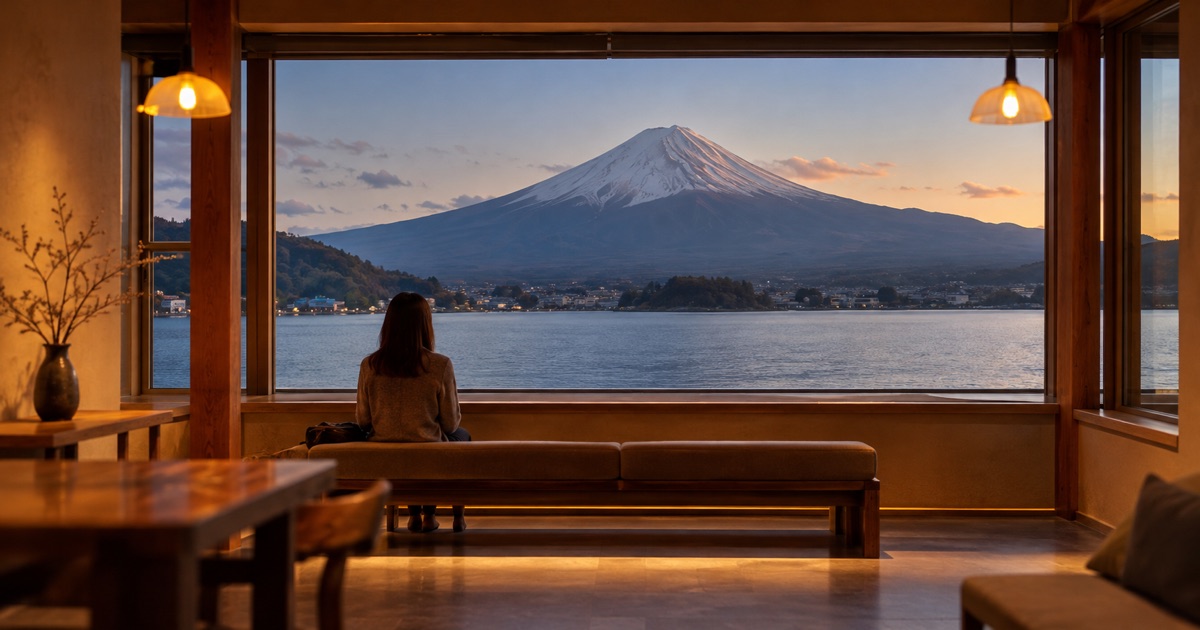
On exceptionally clear winter days, you can spot Mount Fuji silhouetted against the sunset toward the west.
Dinner Options
Minato Mirai offers an extensive range of casual dining inside connected shopping centers like Queen's Square and Mark Is. Here you will find ramen shops, conveyor-belt sushi, tonkatsu (pork cutlet) restaurants, and craft beer bars showcasing local Kanagawa brews.
Ordering is typically done via bilingual electronic tablets, making it easy to order dinner without Japanese language skills.
Returning to Tokyo
Departing Yokohama at the end of the day is simple. You can catch your return train directly from Sakuragicho Station, Minatomirai Station, or Yokohama Station.
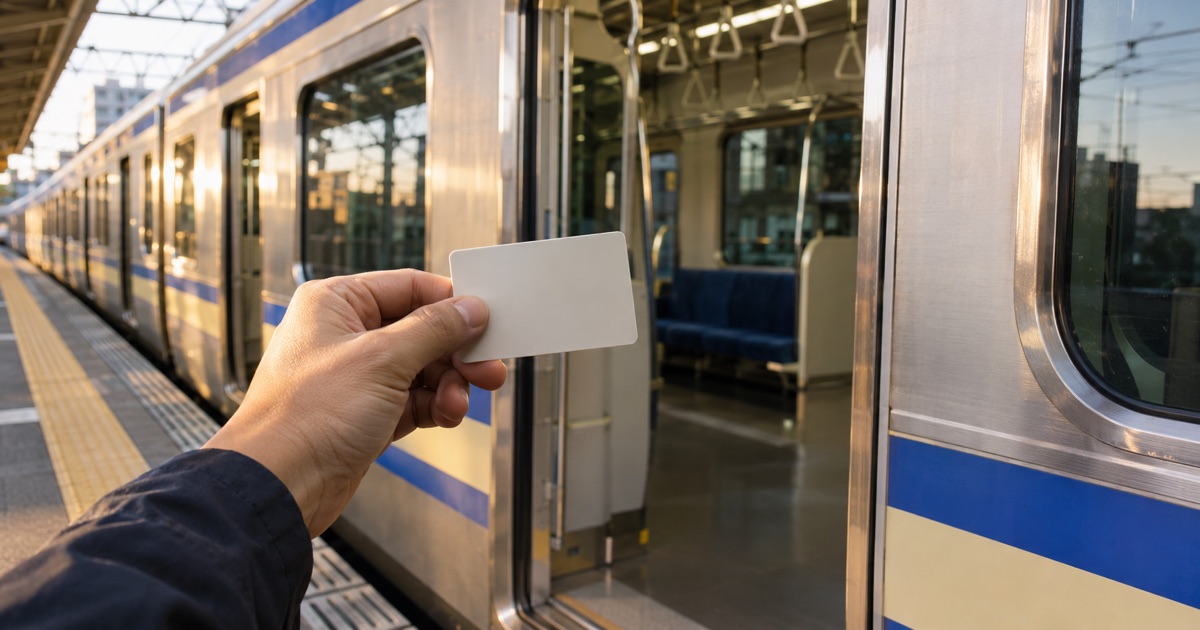
Trains run frequently until around midnight. Use your IC card at the ticket gates, confirm the train's terminal destination on the digital overhead displays (which alternate between Japanese and English), and board your train back to central Tokyo.
For additional regional transit maps and travel resources, visit the official Japan National Tourism Organization portal.
Practical Tips and Common Mistakes
To ensure your day runs smoothly, keep these practical travel tips in mind:
- Pick the right rail line: Check which Tokyo station is closest to your hotel. Using the Tokyu Toyoko Line from Shibuya or the JR lines from Tokyo/Shinagawa saves you unnecessary subway transfers across Tokyo.
- Carry a transit card: Having an IC card loaded with at least 2,500 to 3,500 yen covers all trains, city buses, and small snack purchases without needing paper tickets.
- Wear walking shoes: While public transport connects major hubs, this itinerary covers around 10,000 to 15,000 steps of waterfront and garden walking.
- Mind rush hours: Commuter trains between Tokyo and Yokohama become crowded on weekday mornings (roughly 7:30 to 9:00 AM) and weekday evenings (roughly 5:30 to 7:30 PM). Traveling slightly outside these windows ensures a more relaxed journey.
- Trash management: Public bins are rare along Japanese streets. Carry a small plastic bag in your daypack to hold food wrappers and tissues until you reach a station or hotel bin.
FAQ
- Q. How long does it take to travel from Tokyo to Yokohama?
- A. Travel time is roughly 30 to 45 minutes depending on your departure point, such as Tokyo, Shibuya, or Shinagawa Station.
- Q. Can I use an IC card like Suica or Pasmo for this Yokohama itinerary?
- A. Yes, major prepaid IC cards are accepted on all train, subway, and bus routes covered in this day trip plan.
- Q. Is one day enough to see Yokohama?
- A. One full day provides ample time to visit Sankeien Garden, explore Chinatown, and enjoy the waterfront attractions in Minato Mirai.
Cite or share this article
Copy the link below. If you quote this article, please link to this page as the source.