Things to Do in Hakone: A First-Timer's Day Trip Guide
Key takeaways
- Hakone's main sights circle around the Hakone Loop: train, cable car, ropeway, and pirate ship cruise on Lake Ashi.
- The Hakone Free Pass covers most transport on the loop and gives small discounts at several attractions.
- Allow a full day from Tokyo; an overnight stay lets you add an onsen soak and a second day of sightseeing.
Things to Do in Hakone
The best things to do in Hakone center on the "Hakone Loop," a scenic circuit combining a mountain railway, cable car, ropeway, and pirate ship cruise across Lake Ashi (芦ノ湖), with open-air hot spring baths and art museums filling in the gaps. Most visitors base themselves in Hakone-Yumoto (箱根湯本) and spend a full day working through the loop at their own pace, using local trains rather than a car.
Hakone sits in Kanagawa Prefecture, within easy reach of Tokyo, and is one of the most popular train day trips in the Kanto region thanks to its mix of nature, hot springs, and (on clear days) views of Mount Fuji.
How to Get to Hakone
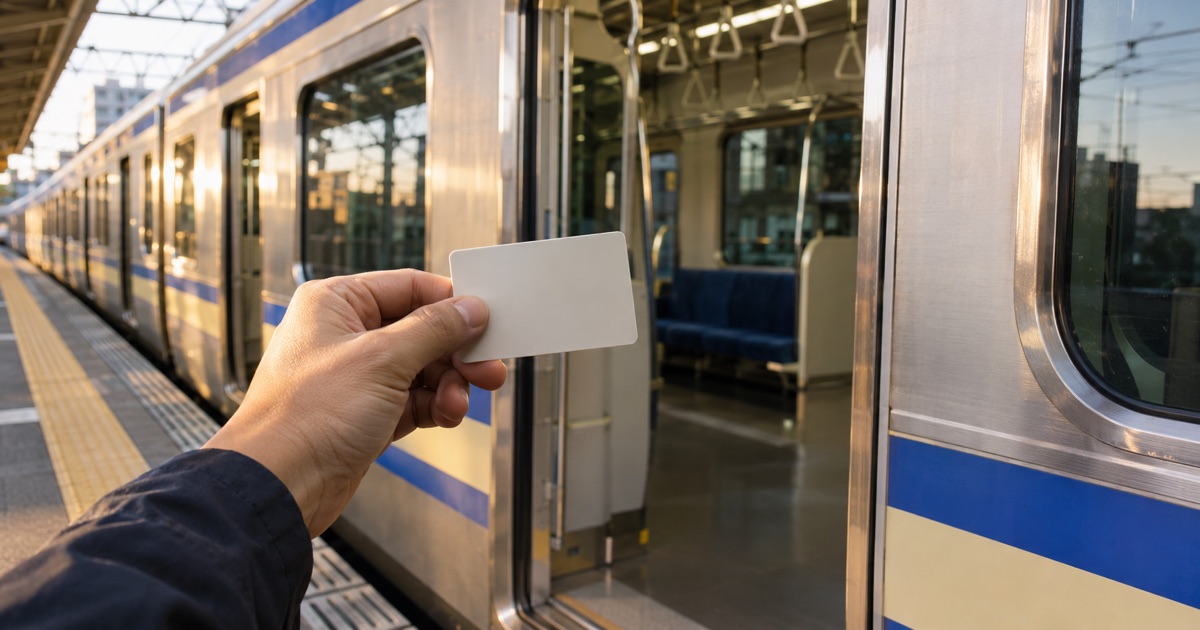
Most travelers start from Shinjuku Station in Tokyo. The Odakyu Line runs direct limited express trains ("Romancecar") from Shinjuku to Hakone-Yumoto, taking roughly 85 minutes. Regular rapid and local Odakyu trains also run the route and are cheaper, though slower and usually requiring a transfer.
If you're coming from Tokyo or Shinagawa Station on a JR pass, you can reach Odawara Station by Tokaido Shinkansen and then switch to the Odakyu Line or the Hakone Tozan Line for the short remaining ride into Hakone-Yumoto. This can be a good option for JR pass holders, though it's generally not the cheapest route for travelers without one. Check current fares and timetables on the JR Central website before you go.
For getting around once you arrive, consider the Hakone Free Pass, sold by Odakyu, which bundles round-trip transport from Tokyo with unlimited rides on most of the Hakone Loop's trains, buses, the cable car, the ropeway, and the Lake Ashi cruise, plus small discounts at some attractions. Whether it saves you money depends on how much ground you plan to cover, so it's worth checking the current price and coverage on Odakyu's official site before buying.
Riding the Hakone Loop
The classic loop generally runs in this order, though you can do it in reverse or skip sections:
- Hakone Tozan Railway from Hakone-Yumoto to Gora (強羅) — a slow mountain train known for switchbacks and, in season, hydrangeas along the tracks.
- Hakone Tozan Cable Car from Gora up to Sounzan (早雲山).
- Hakone Ropeway from Sounzan over Owakudani (大涌谷) to Togendai (桃源台) on the shore of Lake Ashi, with views of volcanic steam vents and, weather permitting, Mount Fuji.
- Lake Ashi sightseeing cruise, including the well-known "pirate ship" boats, crossing to Hakone-machi or Moto-Hakone.
- Hakone Tozan Bus back toward Hakone-Yumoto or Odawara.
Doing the full loop in one direction typically takes most of a day once you add time at each stop. If you're short on time, many visitors simply ride up to Owakudani and back, or add the lake cruise and skip the full return loop.
Owakudani: Volcanic Valley Views
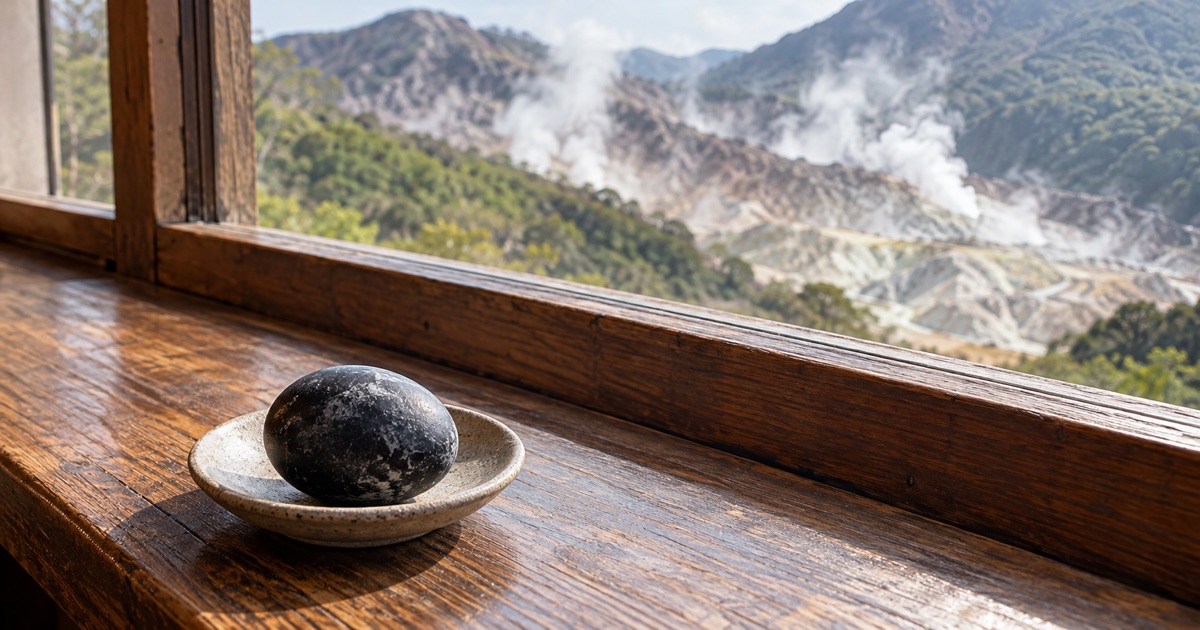
Owakudani is an active volcanic area reached by the Hakone Ropeway, with sulfurous steam vents and views over the surrounding mountains. It's known locally for black eggs boiled in the hot springs, sold at a shop near the ropeway station; trying one is a popular, low-key activity for visitors. Note that the ropeway occasionally suspends operation due to volcanic gas levels or weather, so check conditions before planning your day around it.
Lake Ashi and the Hakone Shrine
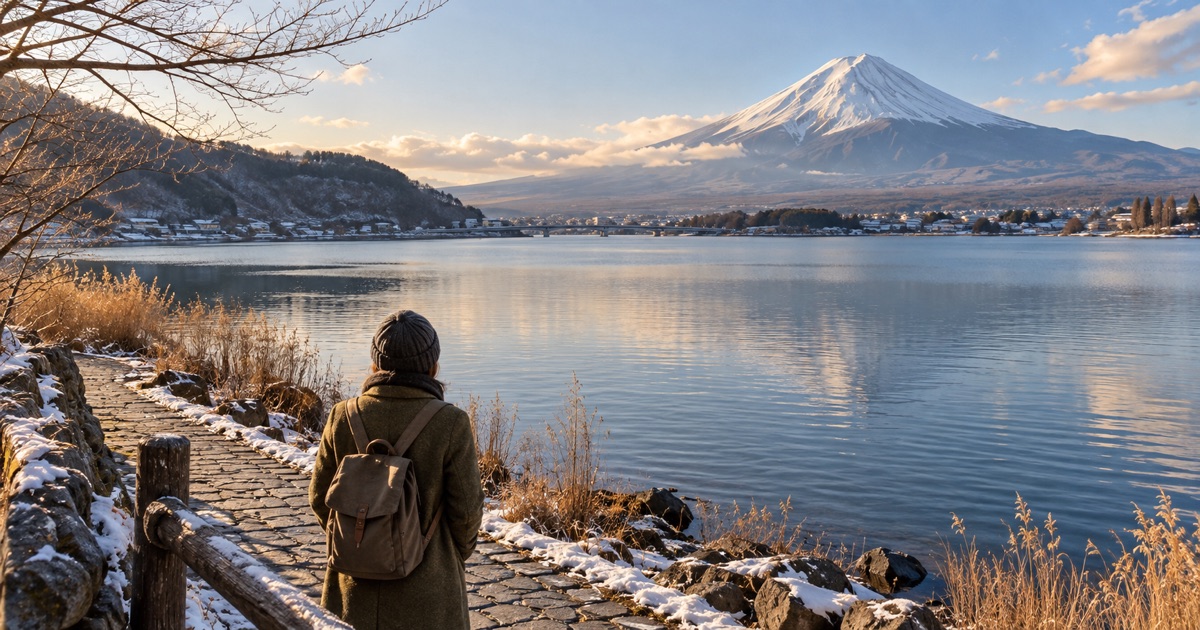
A cruise across Lake Ashi is one of the more relaxing things to do in Hakone, with mountain views and, on clear days, glimpses of Mount Fuji in the distance. Near the Moto-Hakone (元箱根) side of the lake stands Hakone Shrine (箱根神社), known for its red torii gate standing partly in the water, a popular photo spot. It's an easy walk from the Moto-Hakone boat pier.
Art and Museums
Hakone has a notable concentration of art museums, reflecting its long history as a retreat for Tokyo residents. The Hakone Open-Air Museum (彫刻の森美術館), near Gora, displays sculpture across outdoor grounds and is a good stop if you enjoy combining art with a walk outdoors. There are several other museums in the area covering everything from glass art to regional history; check current exhibitions and hours on their official sites, since these can change seasonally.
Onsen and Where to Stay
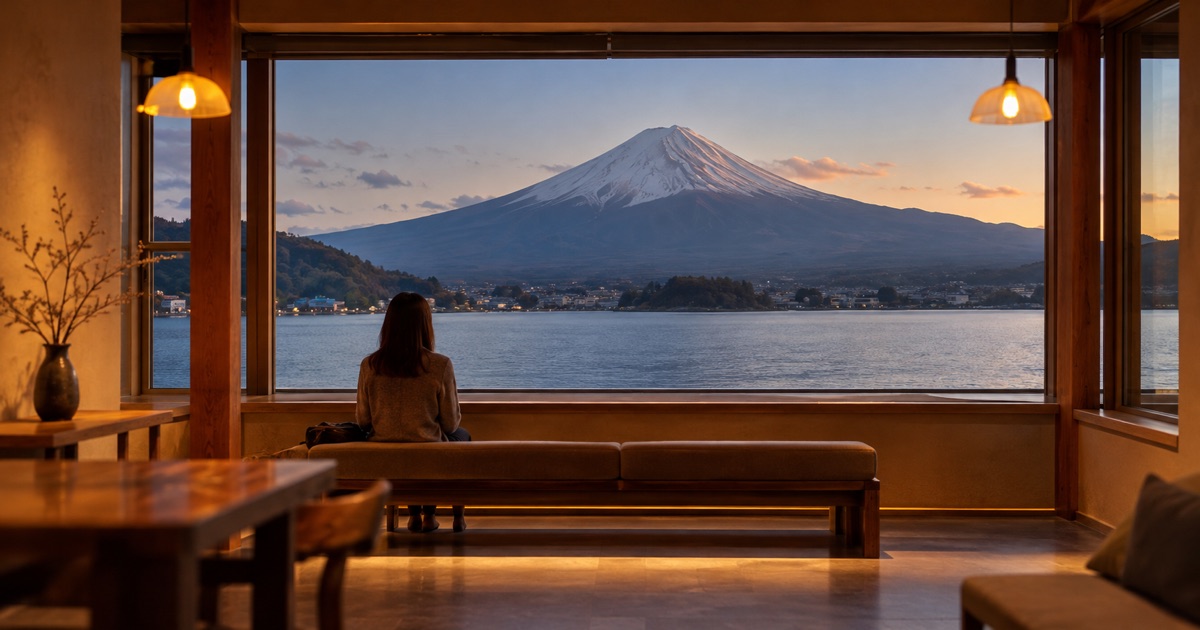
Hakone is one of the best-known hot spring (onsen) destinations near Tokyo, and many ryokan and hotels in Hakone-Yumoto and around Gora offer baths fed by local hot spring water. Some larger hotels and public bathing facilities allow day visitors to use their baths for a fee, which is a convenient option if you're not staying overnight. If you plan to visit an onsen, bring a small towel (some facilities rent or sell one if you forget) and be aware that most traditional baths require bathing without swimwear, with tattoos sometimes restricted — policies vary, so check in advance if this applies to you.
Staying overnight in Hakone, rather than treating it purely as a Tokyo day trip, lets you soak at a more relaxed pace and avoid rushing the last train back.
Practical Tips and Common Mistakes
- Weather changes fast in the mountains. Bring a layer even in warmer months, and check forecasts for Owakudani and Gora separately from Tokyo's forecast.
- Don't expect guaranteed Mount Fuji views. Clouds and haze frequently block the view; clear mornings generally offer better odds than afternoons.
- Factor in queues. The ropeway and boat cruise can have long lines on weekends, holidays, and during cherry blossom or autumn leaf season.
- Comfortable shoes matter. There's a fair amount of walking between stations, piers, and museum grounds.
- Transport can pause unexpectedly. The ropeway sometimes stops due to volcanic activity readings at Owakudani; have a backup plan, like the bus, in mind.
- Confirm your pass's validity area. The Hakone Free Pass covers specific routes and operators; it does not cover the Hakone Ropeway's Owakudani-to-Togendai section during occasional alternate bus operation periods, so check current notices.
Planning Your Visit
Hakone works well as a one-day trip from Tokyo, but an overnight stay gives you breathing room to enjoy an onsen properly and see both the lake and mountain sides without clock-watching. For general travel planning, including seasonal event information for the wider Kanto region, the Japan National Tourism Organization website is a useful starting point before you finalize your itinerary. Always double-check current prices, operating days, and transport schedules directly with Odakyu and individual attractions, since these details are revised periodically.
FAQ
- Q. Can Hakone be done as a day trip from Tokyo?
- A. Yes, it's a popular day trip from Tokyo, roughly 1.5–2 hours each way, though an overnight stay lets you see more without rushing.
- Q. What is the best way to get around Hakone without a car?
- A. The Hakone Loop, a combination of train, cable car, ropeway, and boat, covers most major sights and can largely be used with the Hakone Free Pass.
- Q. Is Mount Fuji always visible from Hakone?
- A. No, Mount Fuji is often hidden by clouds or haze, so clear views are not guaranteed on any given day.
Cite or share this article
Copy the link below. If you quote this article, please link to this page as the source.