Things to Do in Shibuya: Complete First-Timer Guide
Key takeaways
- Shibuya features iconic attractions like the Scramble Crossing, Shibuya Sky, and vibrant youth fashion hubs.
- Reach Shibuya directly via the JR Yamanote Line, Tokyo Metro Ginza Line, Hanzomon Line, or Fukutoshin Line.
- Book observation deck slots online in advance, especially for late afternoon and sunset views.
The best things to do in Shibuya include walking across the world-famous Scramble Crossing, viewing the Tokyo skyline from Shibuya Sky, and exploring vibrant retail districts like Center-Gai and Miyashita Park. Centered around one of Tokyo's busiest transit terminals, this bustling neighborhood offers first-time visitors a rich blend of youth culture, modern entertainment, dining, and scenic green spaces.
Whether arriving from Tokyo Station or Shinjuku Station, navigating Shibuya independently by rail is straightforward once you know which exits to use. This guide covers the essential sights, transit tips, cultural landmarks, and common pitfalls to ensure a smooth trip.
What Are the Best Things to Do in Shibuya?
The primary things to do in Shibuya span world-renowned urban landmarks, open-air observation decks, vibrant shopping avenues, and tranquil green spaces. Because most major attractions sit within a short walking distance of the station, visitors can easily explore the area entirely on foot.
Experience the Shibuya Scramble Crossing
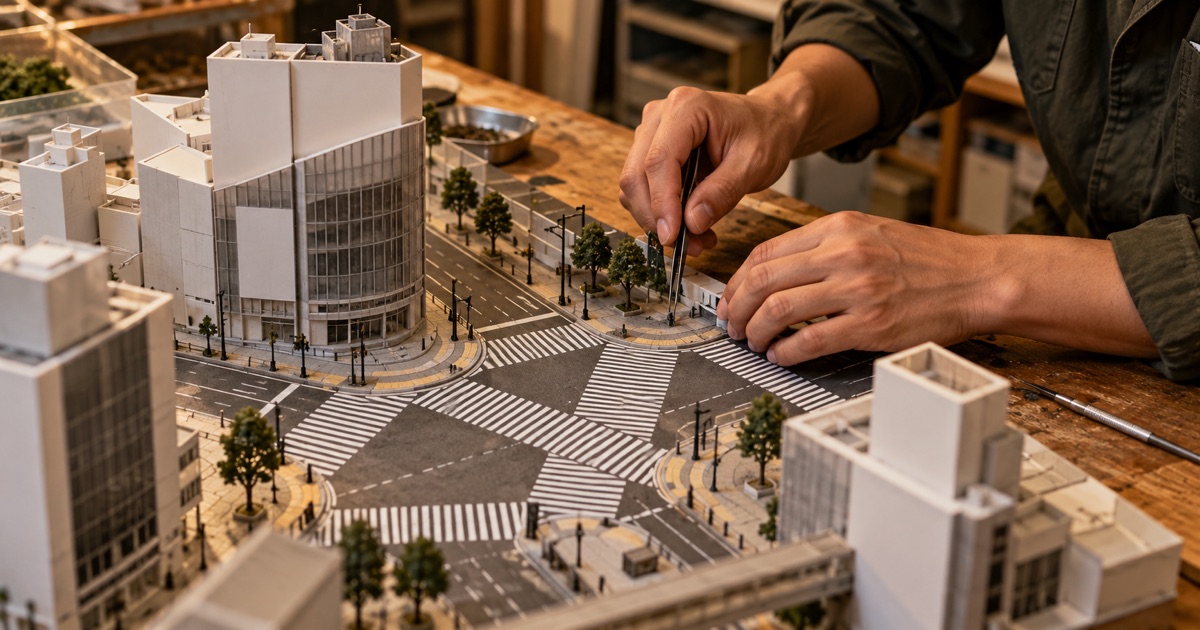
Shibuya Scramble Crossing (渋谷スクランブル交差点) is the defining landmark of the district and often cited as the busiest pedestrian intersection in the world. When the traffic signals turn red simultaneously, hundreds of pedestrians surge into the street from all directions against a backdrop of giant video screens and neon signs.
To experience the crossing, simply head out of the station through the Hachiko Exit. For an elevated view, visitors often stop at second-floor cafes overlooking the square, the glass walkway connecting Shibuya Station to the Shibuya Mark City complex, or the rooftop of the Magnet by Shibuya 109 building. Magnet charges a small entrance fee (often around 1,000 to 1,800 yen including a drink voucher, though rates change), which grants access to an open-air platform directly overlooking the street.
Meet the Hachiko Memorial Statue
The Hachiko Memorial Statue (忠犬ハチ公像) stands directly outside Shibuya Station's Hachiko Exit as Tokyo's most famous meeting point. The bronze statue commemorates the legendary Akita dog who faithfully waited at the station every afternoon for his owner, even for years after the professor passed away.
The statue is small and often surrounded by a queue of tourists waiting to take a photo. Visiting early in the morning allows you to snap a picture without long lines before the surrounding plazas fill with daily commuters.
Take in 360-Degree Views at Shibuya Sky
Shibuya Sky (渋谷スカイ) is a 360-degree open-air observation deck sitting approximately 229 meters above ground atop the Shibuya Scramble Square skyscraper. It provides sweeping vistas of Tokyo Tower, Tokyo Skytree, Shinjuku's high-rises, and on clear winter days, Mount Fuji.
The rooftop deck features glass perimeters, astroturf lounging areas, and suspended netting where visitors can relax beneath the open sky.
- Tickets and Pricing: Adult tickets generally cost between 2,200 and 2,500 yen when reserved online, and slightly more if purchased at the counter. Prices vary based on booking channel and date, and taxes are typically included in stated admission fees.
- Advance Booking: Slots during late afternoon and sunset sell out days or weeks in advance. Same-day tickets at the counter are rarely available during peak seasons.
- Safety Regulations: Strong winds regularly prompt staff to close the open-air roof deck temporarily. Visitors must store bags, hats, umbrellas, and loose accessories in coin lockers before stepping outside; only cameras or smartphones with secure neck or wrist straps are permitted on the exterior deck.
Check official details via the Japan National Tourism Organization or the official Shibuya Scramble Square portal before planning your visit.
Stroll Down Shibuya Center-Gai
Shibuya Center-Gai (渋谷センター街) is a narrow pedestrian street lined with casual eateries, karaoke parlors, fast fashion boutiques, and drugstores. Radiating directly northwest from the Scramble Crossing, this street has long served as a focal point for Tokyo youth fashion and subcultures.
Visiting Center-Gai during daylight hours provides convenient access to casual food chains and shopping. In the evening, the street illuminates with glowing signage, offering energetic photo opportunities and late-night ramen parlors.
Shop and Relax at Miyashita Park
Miyashita Park (MIYASHITA PARK) is a multi-level commercial complex that pairs high-end shopping and casual eateries with a public rooftop park. Located along the JR train tracks toward Harajuku, the facility replaced an older ground-level park with a contemporary structure.
On the ground floor, Shibuya Yokocho (渋谷横丁) presents an indoor alley filled with casual food stalls serving regional dishes from across Japan. On the fourth floor, the rooftop features lawns, benches, a skateboard park, and a climbing wall, making it a comfortable place to sit and rest between shopping stops.
Discover Fashion at Shibuya 109 and Parco
Shibuya 109 is an iconic cylindrical shopping tower aimed primarily at trends in Japanese youth fashion. Packed with dozens of small apparel boutiques across multiple floors, it remains a cultural touchstone for domestic trends.
A short walk uphill leads to Shibuya Parco (渋谷PARCO), a modernized department store known for pop culture, art, and dining. Parco houses the official Nintendo Tokyo store, the Pokémon Center Shibuya, and Capcom Store Tokyo on its sixth floor (often called "Cyberspace Shibuya"). Expect long lines or numbered entry tickets for Nintendo Tokyo during weekends and public holidays.
Escape the Crowds at Meiji Jingu
Meiji Jingu (明治神宮) offers a serene, wooded contrast to the neon-lit commercial streets just south of it. Located just north of Shibuya near Harajuku Station, this expansive Shinto shrine is surrounded by an evergreen forest of over 100,000 trees donated from across Japan.
Walking from central Shibuya to the southern entrance of Meiji Jingu takes roughly 15 to 20 minutes along Meiji-dori avenue. Admission to the shrine grounds is free, though hours follow sunrise and sunset, meaning gates close earlier during winter months.
How to Get to Shibuya Station
Reaching Shibuya Station (渋谷駅) is simple thanks to its position as a primary hub on Tokyo's extensive rail network. The journey takes under 15 minutes from most western Tokyo hubs.
- From Shinjuku Station: Take the JR Yamanote Line (outer tracks / counter-clockwise) or the JR Saikyo Line / Shonan-Shinjuku Line south. The ride takes approximately 5 to 7 minutes.
- From Tokyo Station: Board the JR Yamanote Line (inner tracks / clockwise) for roughly 25 minutes, or take the Tokyo Metro Marunouchi Line to Akasaka-mitsuke Station and transfer to the Tokyo Metro Ginza Line (around 20 minutes total).
- Subway Access: Shibuya serves as a terminal for the Tokyo Metro Ginza Line and is connected to the Hanzomon Line and Fukutoshin Line. The Fukutoshin Line directly links Shibuya to Ikebukuro and Yokohama via through-service on the Tokyu Toyoko Line.
Train timetables and line status updates can be verified directly through JR East.

We are working to carry Japanese craft and everyday culture beyond Japan, by building Japan Towns with local partners.
Read the Japan Town plan →Practical Tips and Common Mistakes to Avoid
Navigating Shibuya is generally safe and convenient, but a few practical considerations will prevent unnecessary stress:
- Shibuya Station Construction: The entire Shibuya Station precinct is undergoing a multi-year redevelopment project. Passageways, exits, and temporary walking routes shift regularly. Follow overhead signage pointing toward line names and named exits (such as the "Hachiko Exit" or "Scramble Square") rather than relying entirely on older navigation apps.
- Luggage Storage Constraints: Coin lockers inside Shibuya Station fill up quickly by mid-morning. If carrying large suitcases, consider using luggage delivery services (takkyubin) between hotels, or utilize dedicated baggage storage counters inside commercial buildings like Shibuya Hikarie.
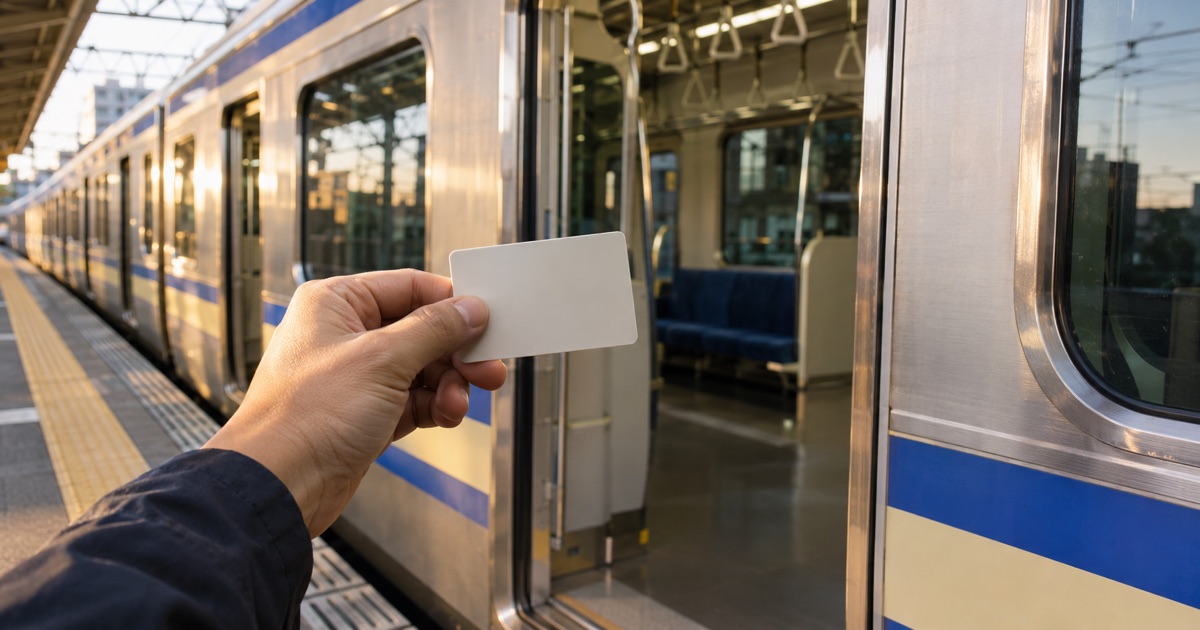
- Carry a Transit IC Card: Purchase a digital or physical IC card (such as Suica or Pasmo) to tap in and out of ticket gates seamlessly without queuing for individual paper tickets.
- Dress for Open Decks: Temperatures on high observation areas like Shibuya Sky run colder and significantly windier than at ground level. Carry a light windbreaker or layer, especially during evening visits in autumn and spring.
FAQ
- Q. What is the best way to get to Shibuya Station?
- A. Shibuya Station is directly accessible via the circular JR Yamanote Line from major transit hubs like Shinjuku and Tokyo Station, as well as several Tokyo Metro subway lines.
- Q. Do you need reservations for Shibuya Sky?
- A. While same-day tickets may be sold at the counter if space allows, booking online in advance is strongly recommended because peak time slots, particularly around sunset, frequently sell out.
- Q. How much time should you spend in Shibuya?
- A. A typical visit takes around half a day (four to five hours) to explore the main sights, shops, and observation decks, but it easily expands to a full day if combined with nearby Harajuku.
Cite or share this article
Copy the link below. If you quote this article, please link to this page as the source.