Hashima Island from Tokyo: Can You Do It as a Day Trip?
Key takeaways
- Visiting Hashima Island from Tokyo as a single-day trip is not practical; an overnight stay in Nagasaki is strongly advised.
- Travel takes at least 4.5 to 7 hours one way depending on whether you take domestic flights or the Shinkansen bullet train.
- Accessing the island requires joining a licensed commercial boat tour from Nagasaki Port, which depends heavily on sea conditions.
Visiting Hashima Island (端島), commonly known as Gunkanjima (軍艦島) or "Battleship Island," directly from Tokyo in a single calendar day is not practical. Because Nagasaki lies roughly 1,200 kilometers southwest of the capital, reaching the departure piers requires a minimum of five to seven hours of one-way travel, meaning travelers must plan an overnight stay in Nagasaki to join a tour.
Once a densely populated undersea coal-mining community operated by Mitsubishi, the island was abruptly abandoned in 1974 when coal operations ceased. Today, its decaying concrete seawalls, crumbling apartment blocks, and industrial skeletons stand as a UNESCO World Heritage site. Here is what international visitors need to know about the logistics, travel routes, booking rules, and common pitfalls of planning a visit from Tokyo.
Why a Same-Day Round Trip Does Not Work
Independent visitors cannot hire private water taxis or walk freely onto Hashima Island. Japanese maritime safety regulations mandate that all visitors arrive on authorized commercial tour boats.
These tour operators depart exclusively from piers in Nagasaki Harbor. Almost all companies run two departures per day: one in the mid-morning (roughly around 9:00 AM) and one in the early afternoon (roughly around 1:00 PM). Each tour lasts about 2.5 to 3 hours, with roughly 45 to 60 minutes spent walking along designated observation paths on the island, conditions permitting.
If you departed Tokyo Station (東京駅) on the earliest possible Tokaido Shinkansen, you would not reach Nagasaki Station (長崎駅) until early afternoon. That leaves no margin to catch even the second boat departure, let alone return to Tokyo that night. Even with the earliest domestic flights, tight airport transfers and boat check-in deadlines make a same-day return an extreme risk. Treat this journey as a two-day, one-night extension from Tokyo rather than a standard day excursion.
How to Get from Tokyo to Nagasaki
Travelers have two primary transport options from Tokyo to Nagasaki: flying or taking the high-speed rail network.
Option 1: Domestic Flights (Fastest)
Flying offers the shortest total transit time:
- Tokyo to Nagasaki Airport (長崎空港): Flights depart frequently from Haneda Airport (羽田空港), operated by carriers such as Japan Airlines (JAL) and All Nippon Airways (ANA). The flight time is roughly 2 hours.
- Nagasaki Airport to Downtown: Upon landing, walk outside the terminal to the bus stops. Dedicated airport limousine buses run directly to Nagasaki Station and Nagasaki Port (Ohato terminal area). The bus ride takes roughly 45 minutes to an hour, depending on traffic.
Total travel time from central Tokyo to Nagasaki Port via air is roughly 4.5 to 5.5 hours, including airport security and check-in buffers.
Option 2: Shinkansen and Limited Express Trains (Scenic and Relaxed)
For rail enthusiasts or travelers utilizing regional rail products, the journey by train offers an uninterrupted ground-level view of western Japan. For official rail network maps and schedules, consult JR East for eastern departures and JR West for western routing:
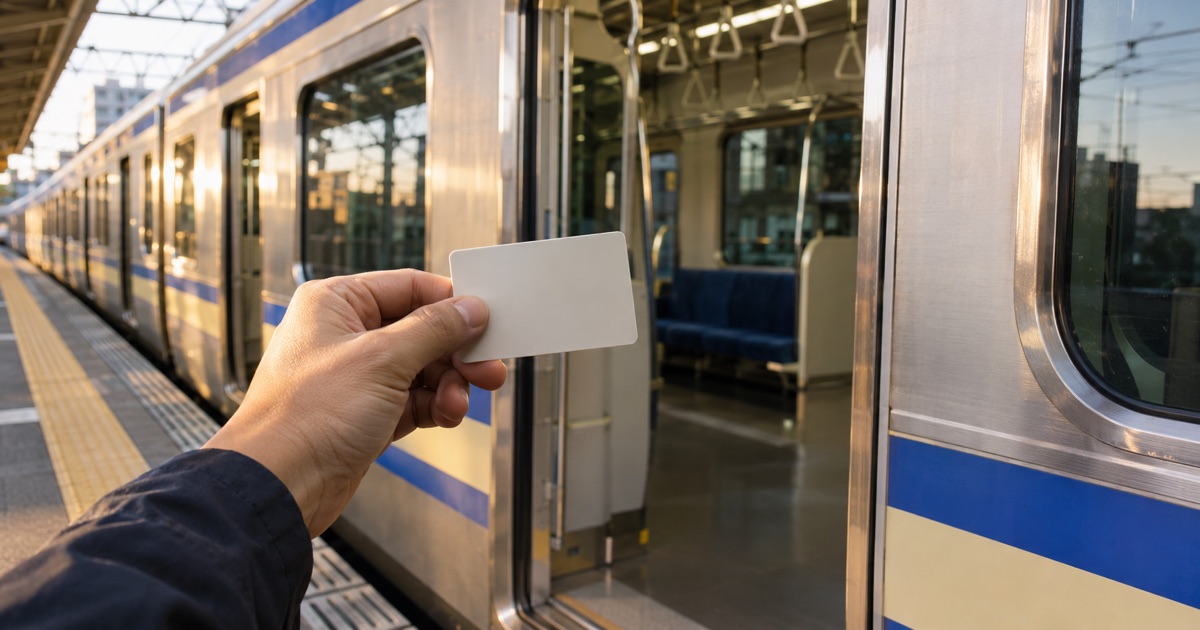
- Board the Shinkansen at Tokyo Station: Take the Tokaido-Sanyo Shinkansen (such as the Nozomi service) from Tokyo Station to Hakata Station (博多駅) in Fukuoka. This leg takes about 5 hours.
- Transfer to the Relay Kamome: At Hakata, transfer to the JR Relay Kamome limited express train down to Takeo-Onsen Station (武雄温泉駅), which takes around 1 hour.
- Cross-Platform Transfer to the Nishi-Kyushu Shinkansen: At Takeo-Onsen, walk directly across the platform to board the Nishi-Kyushu Shinkansen (Kamome trainset) into Nagasaki Station. This final leg takes roughly 30 minutes.
Total train travel time is roughly 7 to 8 hours.
We are working to carry Japanese craft and everyday culture beyond Japan, by building Japan Towns with local partners.
Read the Japan Town plan →Joining an Authorized Boat Tour
Once in Nagasaki, your tour must be booked through one of the handful of registered operators with docking permits. Departures run from Nagasaki Port Ferry Terminal (長崎港ターミナル) near Ohato tram stop, or nearby piers such as Tokiwa Wharf.
Tour Operators
Major licensed tour companies operating regular services include:
- Gunkanjima Concierge
- Yamasa Shipping
- Gunkanjima Cruise
- Seaman Shokai
All operators require advance reservations, particularly during peak holiday weeks such as Golden Week, Obon in mid-August, and autumn weekends. Check company websites directly for current booking windows, cancellation policies, and fare ranges, which generally run between 4,000 and 5,500 yen per adult, plus an additional municipal landing fee (usually around 300 to 400 yen).
The Docking Reality: Weather and Waves
Booking a tour does not guarantee you will set foot on the island. Maritime laws set strict thresholds on wind speed, wave height, and visibility before a vessel may dock at Gunkanjima's exposed dolphin jetty.
If waves exceed roughly 0.5 meters or winds surpass safe levels, the captain will abort the landing. In these cases, the boat usually conducts a slow cruise around the perimeter of the island so passengers can view the seawalls and residential blocks from the water, followed by a partial refund of the landing fee. Winter months and the typhoon season (August to October) experience higher cancellation and no-docking rates. Late spring and late autumn often see calmer waters, though conditions remain unpredictable year-round.
Recommended 2-Day Itinerary from Tokyo
To maximize your chances of a successful visit, use a split itinerary that places your tour on the morning of Day 2:
Day 1: Journey to Nagasaki and Local Sightseeing
- Morning: Catch an early domestic flight from Haneda to Nagasaki Airport, or depart Tokyo Station early via Shinkansen.
- Mid-Afternoon: Arrive in Nagasaki. Check in to your hotel near Nagasaki Station or the Chinatown/Ohato area for easy morning transit.
- Late Afternoon: Visit the Gunkanjima Digital Museum near the Oura Cathedral (大浦天主堂) tram stop. This museum provides virtual-reality exhibits, archival footage, and historical context about the miners' lives that make the physical ruins far more meaningful.
- Evening: Dine on local specialties such as Nagasaki Champon (rich pork and seafood noodles) or Sara Udon.
Day 2: Boat Tour and Return
- 8:30 AM: Arrive at Nagasaki Port or Tokiwa Terminal to complete paperwork, show your reservation, and sign the mandatory safety pledge.
- 9:00 AM – 12:00 PM: Complete the Gunkanjima boat tour, landing on the island if sea conditions permit.
- Afternoon: Return to port, pick up your luggage, and begin your journey back to Tokyo by air or Shinkansen, or continue exploring the Kyushu region.
Rules, Safety, and What to Bring
Because the ruins are unstable, visitors must adhere to strict safety measures:
- Footwear: Sturdy, flat walking shoes or sneakers are mandatory. High heels, flip-flops, open-toe sandals, and platform shoes are strictly forbidden by tour operators for safety reasons; passengers wearing inappropriate footwear may be denied boarding.
- Restricted Access: You cannot roam the island freely. Visitors must stay on the elevated, fenced observation walkways located on the southern edge. Entering the decaying apartment buildings or the old schoolhouse is prohibited by law due to structural collapse risks.
- Safety Pledges: Before boarding, every passenger must sign a written safety agreement confirming they will follow crew directions and stay on marked paths. Most operators provide these forms in English.
- Weather Protection: The island offers zero shade, zero shelter, and no public vending machines or restrooms. Rain umbrellas and parasols are generally banned on the island because sudden ocean gusts create hazards. Bring a waterproof rain jacket or poncho, sunscreen, a hat with a chin strap, and personal drinking water.
- Motion Sickness Medication: The cruise crosses open ocean swells outside the protected bay. If you are prone to seasickness, take motion sickness medication roughly 30 to 60 minutes before boarding the boat.
For broader travel planning, rail pass validity updates, and regional transit alerts across western Japan, consult the Japan National Tourism Organization prior to finalizing your route.
FAQ
- Q. Can I visit Hashima Island as a true day trip from Tokyo?
- A. No, a same-day round trip is practically impossible because one-way transit takes 5 to 7 hours and island boat tours operate only during morning or midday hours.
- Q. What is the fastest way to travel from Tokyo to Nagasaki?
- A. Flying from Haneda Airport to Nagasaki Airport takes roughly 2 hours, followed by an airport limousine bus to downtown Nagasaki in about 45 minutes.
- Q. What happens if the weather is bad on the day of the tour?
- A. If sea conditions or high waves make docking unsafe, boat operators may conduct a cruise around the perimeter without landing, or cancel the departure entirely.
Cite or share this article
Copy the link below. If you quote this article, please link to this page as the source.