Best Things to Do in Yokohama: Easy Day Trip from Tokyo
Key takeaways
- Reach Yokohama from central Tokyo stations like Tokyo, Shinagawa, or Shibuya in just 25 to 40 minutes by direct train.
- Explore major highlights on foot, from the bustling lanes of Chinatown to seaside parks and the modern Minato Mirai waterfront.
- Purchase attraction tickets online in advance to skip lines at popular spots like the Cup Noodles Museum and Yokohama Air Cabin.
The best things to do in Yokohama center on its vibrant harbor, blending historic open-port heritage with sleek modern waterfront attractions. Located just south of Tokyo, this maritime city offers street-food feasting in Japan's largest Chinatown, strolls through historic Japanese gardens, and open-air seaside promenades.
Yokohama makes one of the easiest, most rewarding day trips from central Tokyo. Because the ride takes around half an hour on multiple direct rail lines, you can easily spend an entire morning and evening exploring before heading back to your Tokyo hotel.
How to Get to Yokohama from Tokyo
Reaching Yokohama is straightforward because numerous train lines connect the two cities without requiring transfers. Your optimal route depends on which part of Tokyo you depart from.
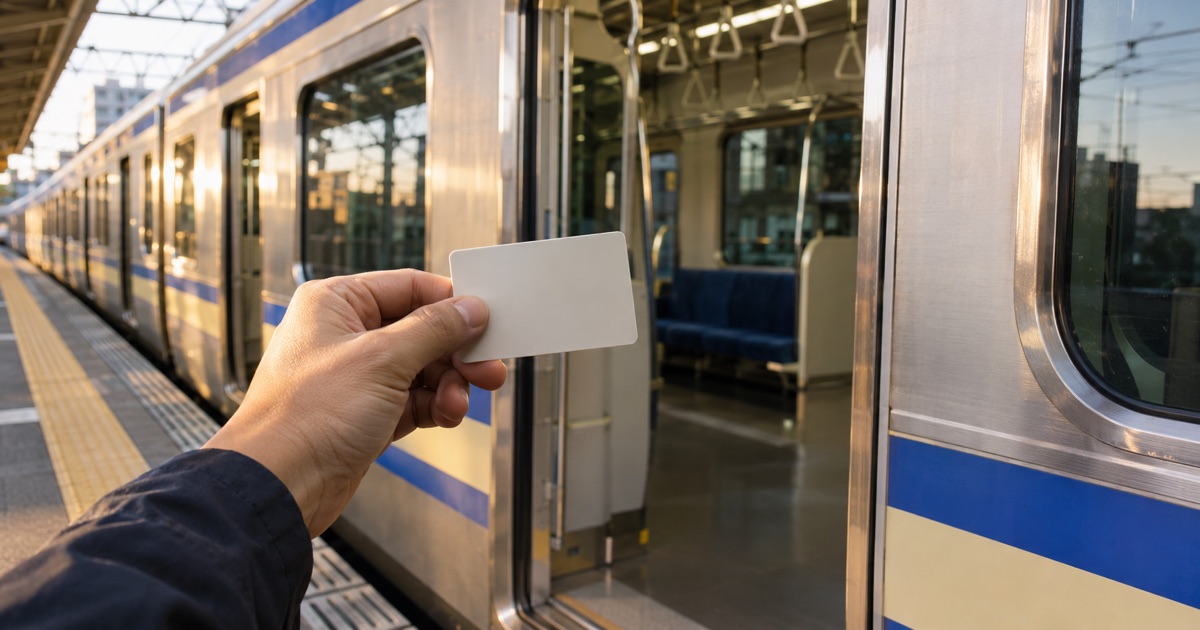
From Tokyo Station (東京駅) or Shinagawa Station (品川駅), take the JR Tokaido Line (東海道線) or JR Keihin-Tohoku Line (京浜東北線) directly to Yokohama Station (横浜駅). The rapid service from Tokyo Station takes roughly 25 to 30 minutes, while the ride from Shinagawa takes around 20 minutes. Check route details and train passes directly on the JR East website.
From Shibuya Station (渋谷駅), board the Tokyu Toyoko Line (東急東横線). Most express trains run through-service directly onto the Minatomirai Line (みなとみらい線), carrying you straight into Yokohama’s main sightseeing district—such as Minatomirai Station (みなとみらい駅) or Motomachi-Chukagai Station (元町・中華街駅)—in roughly 35 to 40 minutes without changing trains.
From Shinjuku Station (新宿駅), hop on the JR Shonan-Shinjuku Line (湘南新宿ライン) for a direct 30- to 35-minute ride to Yokohama Station.
Exploring Yokohama Chinatown (Chukagai)
Yokohama Chinatown (横浜中華街, Yokohama Chukagai) is the largest Chinatown in Japan, dating back to the opening of the port in 1859. Colorful ornamental gates mark the entrances to a lively grid packed with hundreds of restaurants, tea shops, and street stalls.
Start at Kanteibyo (関帝廟), a striking, ornate temple dedicated to Guan Yu, the deity of commerce and loyalty. The intricate roof carvings and burning incense coils offer an immediate sense of the neighborhood’s deep cultural roots.
Food is the main draw here. As you wander, look for freshly steamed soup dumplings (xiao long bao), pan-fried pork buns (sheng jian bao), and panda-shaped sweet bean buns. Many vendors sell single-serving bites for around 300 to 600 yen, making it easy to sample widely.
A common mistake is eating while walking down crowded alleys, which local shopkeepers discourage; look for marked standing-eating zones next to stalls.

We are working to carry Japanese craft and everyday culture beyond Japan, by building Japan Towns with local partners.
Read the Japan Town plan →Waterfront Views in Minato Mirai 21
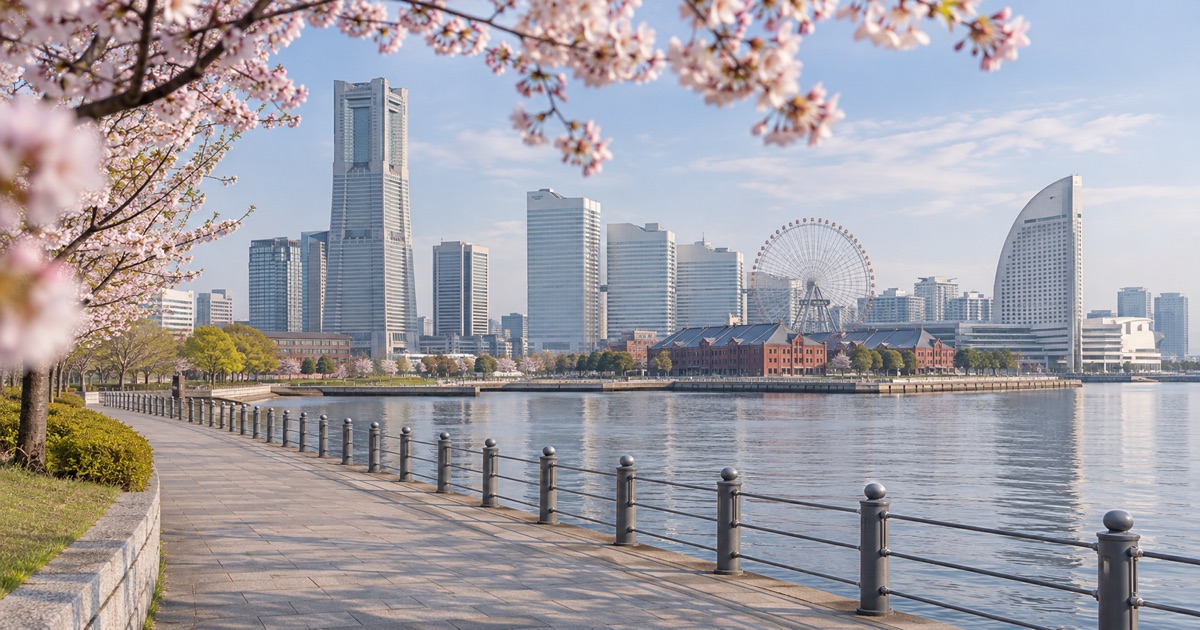
Minato Mirai 21 (みなとみらい21), meaning "Harbor of the Future," showcases Yokohama's modern side. This revitalized dockland features towering skyscrapers, open pedestrian bridges, and bay views.
Landmark Tower Sky Garden
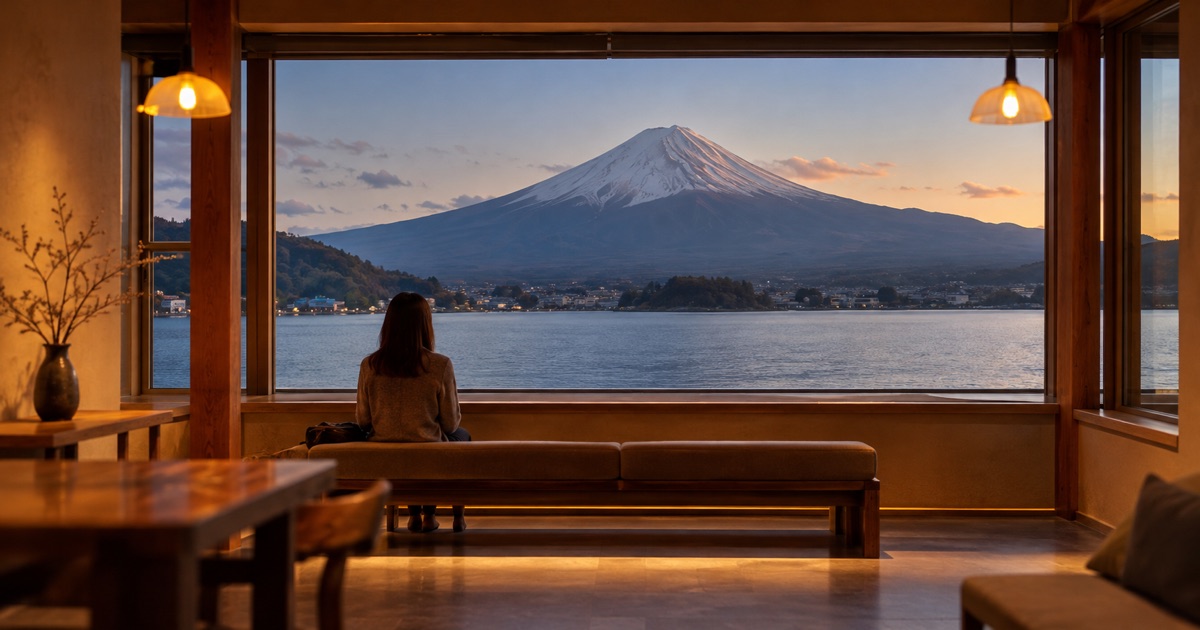
The Yokohama Landmark Tower (横浜ランドマークタワー) was long the tallest building in Japan. Ride one of the world's fastest passenger elevators to the 69th-floor Sky Garden observation deck. On clear days, you can spot Mount Fuji behind the cityscape, alongside a panoramic look over Tokyo Bay. Admission is generally around 1,000 yen for adults; check the official site for weather conditions and hours.
Yokohama Air Cabin
For a different perspective on the harbor, ride the Yokohama Air Cabin. This modern urban ropeway links JR Sakuragicho Station (桜木町駅) directly to the Shinko Island entertainment district near the red brick warehouses. The five-minute glide passes right over the water and city canals. One-way fares cost around 1,000 yen.
Interactive Fun at the Cup Noodles Museum
Located in the Shinko district, the Cup Noodles Museum (formally the Momofuku Ando Instant Ramen Museum) honors the creator of instant ramen. The exhibits detail the history of global food innovation through whimsical, art-forward installations.
The most popular feature is the "My CUPNOODLES Factory" workshop. Here, visitors design their own paper cup, choose a soup base, and pick custom toppings to create a factory-sealed, one-of-a-kind noodle package to take home.
Because workshop slots frequently sell out early in the day, reserve your entry ticket and workshop time online in advance, especially on weekends and national holidays.
Heritage at the Red Brick Warehouse and Yamashita Park
Yokohama served as Japan’s gateway to international trade in the late 19th century, leaving behind historic structures alongside the docks.
The Yokohama Red Brick Warehouse (横浜赤レンガ倉庫, Yokohama Akarenga Soko) consists of two early 20th-century customs buildings converted into a retail and cultural complex. Inside, you will find lifestyle shops selling local crafts, glassware, and relaxed harbor-view cafes. The open brick plaza between the wings hosts seasonal craft markets, beer festivals, and food events throughout the year.
From the warehouses, follow the paved seaside walkway southeast into Yamashita Park (山下公園). This broad public green sits right against the water, filled with rose gardens and open benches facing the busy shipping channel.
Moored permanently along the park pier is the Hikawa Maru (氷川丸), a preserved 1930s ocean liner that once carried passengers like Charlie Chaplin across the Pacific. You can tour the Art Deco interior staterooms and bridge deck for a nominal entry fee of around 400 yen.
Traditional Escape: Sankeien Garden
If you want a peaceful escape from the modern harbor, visit Sankeien Garden (三渓園) on the southern edge of the city. Built by wealthy silk merchant Hara Sankei, this sprawling, 175,000-square-meter traditional Japanese garden opened to the public in 1906.
Historic buildings gathered from Kyoto, Kamakura, and Gifu stand around ponds, bamboo groves, and wooded hillsides. Highlights include a genuine three-story pagoda from a 15th-century Kyoto temple and several thatched-roof farmhouses.
Sankeien feels secluded and unhurried compared to central Tokyo gardens. To get there, take a local city bus from either Yokohama Station or JR Sakuragicho Station; the bus ride takes roughly 25 to 35 minutes depending on traffic. Entry costs around 900 yen for adults.
Practical Tips for Your Yokohama Day Trip
To keep your outing smooth and efficient, keep these practical points in mind:
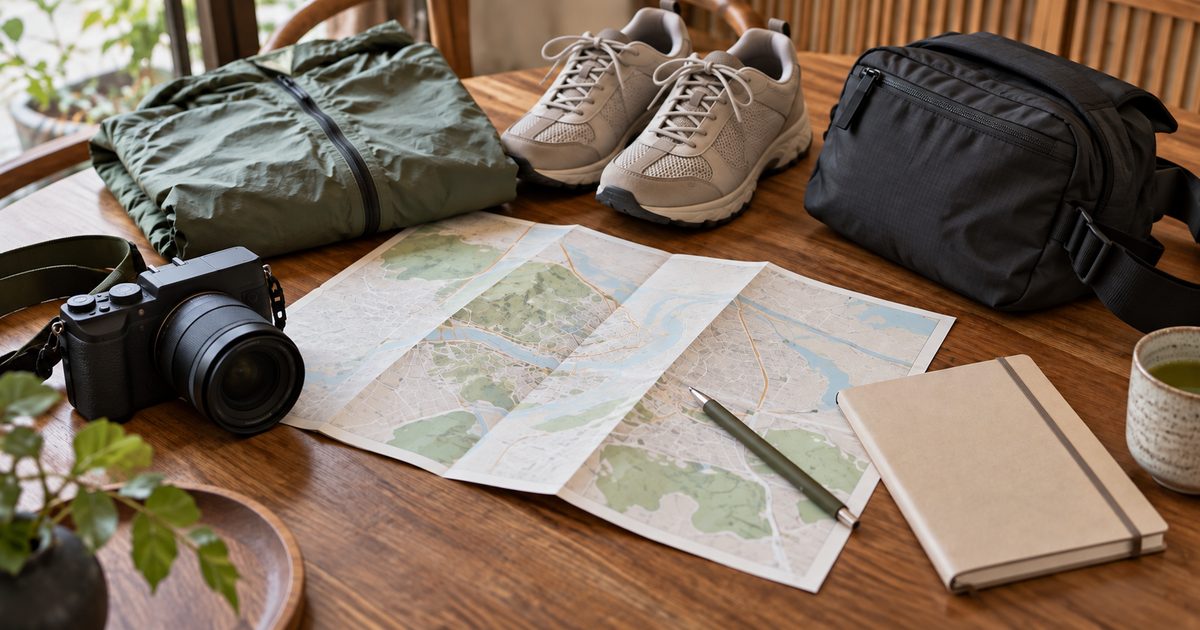
- What to Bring: Wear supportive walking shoes. Yokohama is scenic and mostly flat, meaning you can easily log 15,000 to 20,000 steps crossing from station plazas to waterfront piers. Bring a small plastic bag for personal trash, as public bins are rare.
- Getting Around Locally: While walking between sights is enjoyable, you can also take the "Akai Kutsu" loop bus, which circles key tourist spots between Sakuragicho, the Red Brick Warehouse, and Chinatown. Your standard rechargeable IC card (Suica, Pasmo, Icoca) works seamlessly on these buses and the Minatomirai Line.
- Timing and Crowds: Chinatown and the Minato Mirai boardwalks get very busy on sunny Saturday and Sunday afternoons. Aim to arrive at Chinatown around 11:00 to 11:30 AM before lunch queues peak, or visit late in the afternoon when lantern lights illuminate the gates.
- Sunset and Night Views: Do not leave before dusk if your schedule allows. Yokohama is famous across Japan for its evening skyline, when Landmark Tower, the Cosmo Clock 21 Ferris wheel, and the bay bridges light up across the water.
For more inspiration on planning rail routes and regional itineraries across Japan, consult the Japan National Tourism Organization.
FAQ
- Q. How much time should I spend in Yokohama on a day trip?
- A. A full day of roughly eight to ten hours gives you enough time to see Chinatown, waterfront parks, and a museum comfortably.
- Q. Can I use an IC card like Suica or Pasmo for travel in Yokohama?
- A. Yes, major prepaid IC cards work across JR lines, private railways, the Minatomirai Line subway, and local city buses.
- Q. Is Yokohama walkable from one attraction to the next?
- A. Most waterfront sights between Yokohama Station and Chinatown are linked by wide pedestrian promenades and flat walking paths.
Cite or share this article
Copy the link below. If you quote this article, please link to this page as the source.