Shibuya Day Trip Guide: Top Itinerary and Highlights
Key takeaways
- A full Shibuya day trip combines modern skyscrapers, fashion streets, quiet shrines, and relaxed parks in one walkable area.
- Shibuya Station is easily reached via the JR Yamanote Line, Tokyo Metro, and private lines in under 15 minutes from Shinjuku or Tokyo Station.
A Shibuya day trip offers the perfect introduction to modern Tokyo, pairing neon-lit intersections and cutting-edge shopping complexes with tranquil parks and historic shrines. Located on the western edge of central Tokyo, this vibrant district is easily explored on foot in a single, well-paced day.
Whether starting from Tokyo Station (東京駅) or Shinjuku Station (新宿駅), reaching Shibuya takes only 10 to 25 minutes by local train. This guide breaks down an independent, step-by-step itinerary designed for first-time visitors who do not speak or read Japanese.
Getting to Shibuya Station
Shibuya Station (渋谷駅) is one of Tokyo's primary transit hubs, serviced by multiple rail operators including JR East and the Tokyo Metro network.
From Major Tokyo Terminals
- From Tokyo Station: Board the JR Yamanote Line (山手線) outer loop via Shinagawa, or take the Tokyo Metro Marunouchi Line to Akasaka-mitsuke Station and transfer to the Ginza Line. The direct JR train takes roughly 25 minutes.
- From Shinjuku Station: Take the south-bound JR Yamanote Line or the JR Saikyo Line (埼京線). The ride takes roughly 7 to 10 minutes.
- From Ueno Station: Take the Tokyo Metro Ginza Line directly to its terminus at Shibuya, taking around 30 minutes.
Essential Train Tips for Beginners
Shibuya Station has undergone massive redevelopment, which can make navigation challenging. To reach street level smoothly, look for overhead signs pointing toward the Hachiko Exit (ハチ公改札). English signage is present throughout all platforms and concourses.
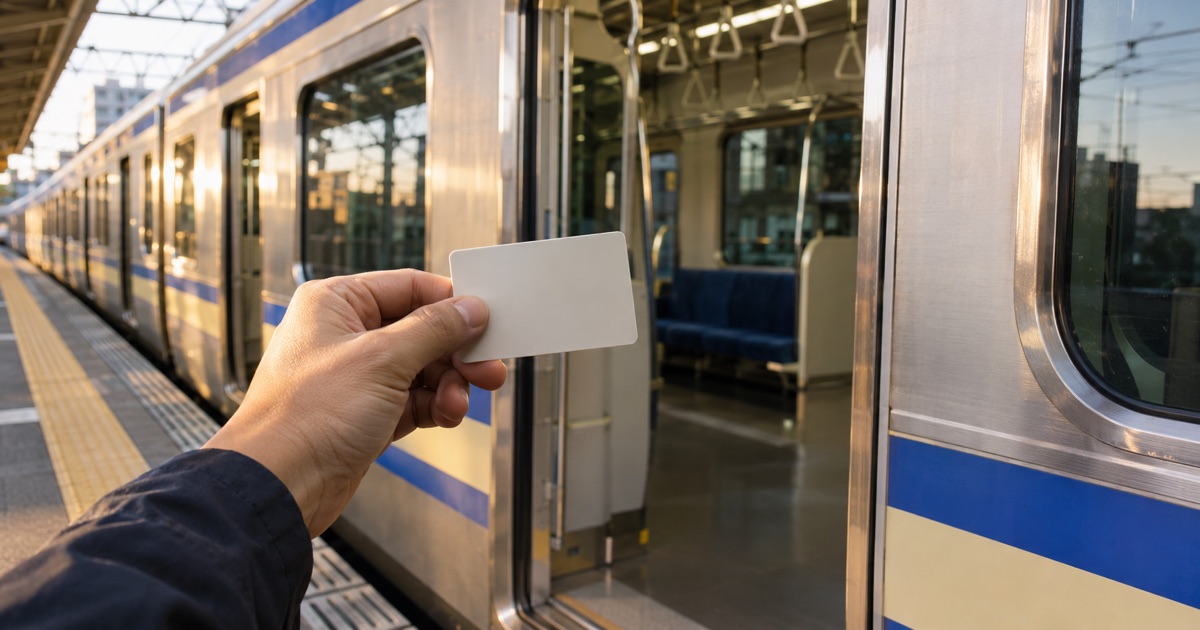
Travelers using an IC card such as Suica or Pasmo, or a digital IC card on a mobile wallet, can simply tap through the ticket gates. Those holding a regional JR rail pass should stick to the JR ticket barriers.
Morning: Icons, Crossings, and Elevated Views
Begin your morning around 09:30 or 10:00 to beat the densest shopping crowds.
The Hachiko Statue and Scramble Crossing
Exiting through the Hachiko Gate places you immediately in front of the bronze statue of Hachiko (忠犬ハチ公), the famously loyal Akita dog. The plaza surrounding the statue is Tokyo's most popular meeting point.
Directly ahead lies the world-famous Shibuya Scramble Crossing (渋谷スクランブル交差点). During peak hours, thousands of pedestrians cross simultaneously when the lights turn green. For your first view, walk across with the crowd toward the Tsutaya building, then loop back.
Shibuya Sky Observation Deck
For an expansive view of the Tokyo skyline, visit Shibuya Sky, an open-air rooftop observation deck atop the Shibuya Scramble Square skyscraper. On clear days, visitors can spot Mount Fuji, Tokyo Tower, and Tokyo Skytree.
- Booking in advance: Ticket slots often sell out days or weeks ahead, particularly for the golden hour before sunset. Pre-book an entry time online via official booking portals.
- Luggage rules: Rooftop wind rules are strictly enforced. Visitors must place loose items, including bags, hats, and scarves, into coin lockers on the indoor floor before accessing the open-air deck. Cameras and phones with neck or wrist straps are generally allowed.

We are working to carry Japanese craft and everyday culture beyond Japan, by building Japan Towns with local partners.
Read the Japan Town plan →Midday: Retail Culture and Modern Architecture
By midday, Shibuya’s streets are bustling. This is the ideal time to explore retail complexes that double as cultural showcases.
Shibuya PARCO
Located roughly an 8-minute walk uphill from the crossing, Shibuya PARCO is a multi-story lifestyle and cultural hub. The 6th floor is dedicated to Japanese pop culture, featuring official stores for Nintendo, Pokémon, and Capcom. On the basement level, known as "Chaos Kitchen," you will find a dense collection of casual eateries serving ramen, udon, and gyoza.
Miyashita Park
Walk east toward Miyashita Park (ミヤシタパーク), a modern complex that transformed a former municipal ground into a multi-level park. The ground and lower levels house retail shops and a vibrant food hall called Shibuya Yokocho, while the rooftop features a public lawn, a skate park, and bouldering facilities. It offers a great place to sit outside with a cold drink away from street-level traffic.
Afternoon: A Quiet Walk to Harajuku and Meiji Jingu
Shibuya connects directly to the Harajuku and Omotesando districts via pleasant pedestrian corridors. A Shibuya day trip is best rounded out by linking these adjacent neighborhoods on foot.
Strolling Cat Street
Follow Cat Street (キャットストリート), a winding, semi-pedestrianized alley that runs between Shibuya and Harajuku. The lane is lined with independent clothing boutiques, specialty coffee roasters, and lifestyle shops. Walking the entire length takes around 20 minutes without stops, providing a noticeably quieter atmosphere than the main avenues.
Meiji Jingu Shrine and Yoyogi Park
Cross over near Harajuku Station to enter the forested grounds of Meiji Jingu (明治神宮). Dedicated to Emperor Meiji and Empress Shoken, this shrine sits inside an evergreen forest of over 100,000 trees donated from across Japan.
- Atmosphere: The contrast between Shibuya's sensory overload and the quiet gravel paths of Meiji Jingu is striking.
- Hours: The shrine gates open at sunrise and close at sundown, meaning opening hours change every month. Entry is free. Check the shrine’s official site for current monthly gate closures.
If time permits, loop through adjacent Yoyogi Park (代々木公園), especially pleasant on weekends when local performers, musicians, and dog walkers gather.
Evening: Nightscapes and Dining
Head back toward Shibuya Station as neon signs begin to illuminate the avenues.
Shibuya Nonbei Yokocho
Tucked beside the JR train tracks near the Hachiko exit sits Nonbei Yokocho (のんべい横丁), often translated as "Drunkard's Alley." This narrow lane dates back to the post-war era and consists of roughly 40 tiny bars and yakitori counters, many seating only four to six patrons. Space is limited, and some stalls have cover charges, making it best suited for solo travelers or pairs.
Dogenzaka and Center-Gai
For a livelier evening walk, explore Center-Gai (渋谷センター街) and the uphill slopes of Dogenzaka (道玄坂). These streets are packed with izakaya (Japanese pubs), ramen shops, karaoke bars, and multi-floor discount stores like Mega Don Quijote, which is convenient for purchasing tax-free snacks and souvenirs before concluding your day.
Practical Planning Tips
To make the most of your day, keep these logistics in mind:
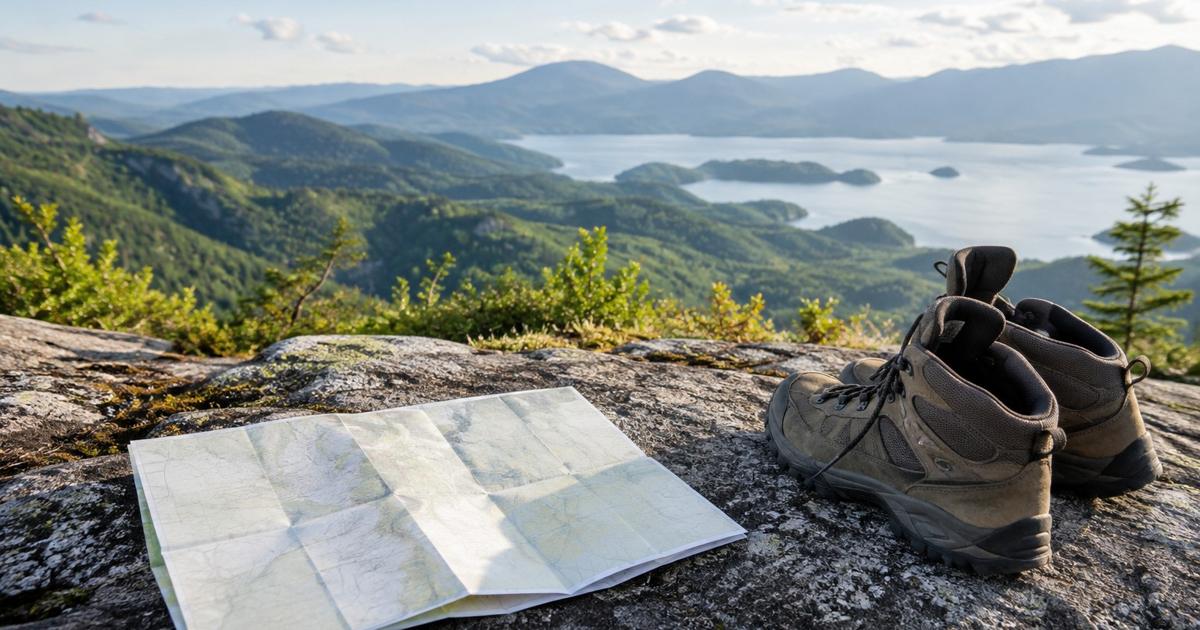
- Footwear matters: You will easily log 12,000 to 18,000 steps walking between Shibuya, Cat Street, and Meiji Jingu. Wear supportive walking shoes.
- Station exits: Pay close attention to signage inside Shibuya Station. If you become disoriented underground, exit to the street level first, where orientation is much easier using digital map applications.
- Coin lockers: If carrying day packs, coin lockers are available throughout Shibuya Station and inside the basements of major department stores. Use an IC card to lock and pay for lockers conveniently without hunting for 100-yen coins.
- Official resources: For broader regional travel advice and nationwide planning support, consult the Japan National Tourism Organization website.
Spending a full day in Shibuya lets you experience Tokyo at its most energetic, balancing the frenetic pulse of the Scramble Crossing with the peaceful forested trails of Meiji Jingu just minutes away.
FAQ
- Q. How much time is needed for a Shibuya day trip?
- A. Spending 6 to 8 hours allows you to see the main sights, browse retail areas, visit Meiji Jingu, and enjoy dinner comfortably.
- Q. Can you walk between Shibuya and Harajuku easily?
- A. Yes, walking between Shibuya and Harajuku takes roughly 15 to 20 minutes along Cat Street or Meiji-dori avenue.
- Q. Which train pass covers travel to Shibuya?
- A. The JR Pass covers the JR Yamanote Line and Saikyo Line, while the Tokyo Subway Ticket covers Tokyo Metro lines serving Shibuya.
Cite or share this article
Copy the link below. If you quote this article, please link to this page as the source.