One-Day Shibuya Itinerary: Best Route for First-Timers

Key takeaways
- A complete one-day walking route covering Shibuya Crossing, Shibuya Sky, Miyashita Park, and Harajuku.
- Starts from major Tokyo transit hubs with clear transit lines, walking directions, and timing advice.
- Practical tips on ticket booking, avoiding peak congestion, and navigating without reading Japanese.
A well-planned Shibuya itinerary takes you through Tokyo’s most energetic hub, combining dizzying street crossings, panoramic observation decks, serene shrines, and cutting-edge shopping districts. For first-time visitors, the ideal approach is to spend a full day starting from morning calm at nearby Meiji Jingu (明治神宮) before heading into the neon core of Shibuya (渋谷) as crowds and energy peak toward evening.
This independent walking guide explains how to structure your day, navigate the massive rail complex of Shibuya Station, and experience the district's best highlights without getting lost or overwhelmed.
How to Get to Shibuya
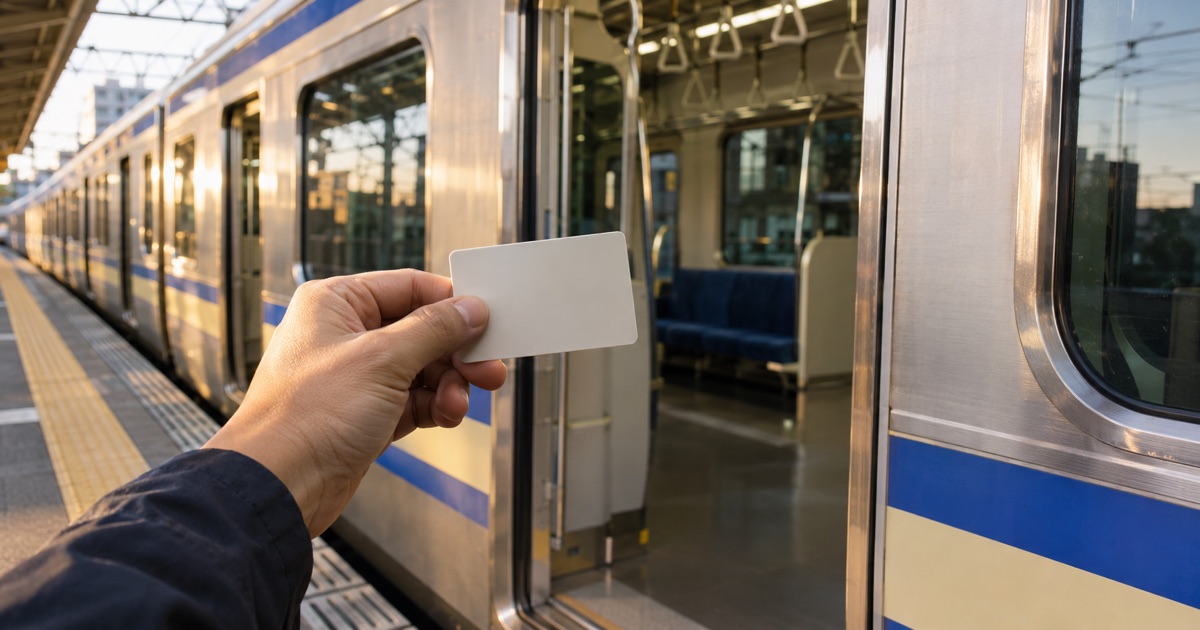
Shibuya Station is one of Tokyo’s busiest transit hubs and is served by multiple train and subway operators. Travel is straightforward using an IC card such as Suica or Pasmo, or a Tokyo Subway Ticket on subway lines.
- From Tokyo Station (東京駅): Take the JR Yamanote Line (山手線) outer loop directly to Shibuya Station in roughly 25 to 30 minutes. Alternatively, take the Tokyo Metro Marunouchi Line to Akasaka-mitsuke Station and transfer to the Tokyo Metro Ginza Line.
- From Shinjuku Station (新宿駅): Board the JR Yamanote Line inner loop or the JR Saikyo Line (埼京線) / Shonan-Shinjuku Line. The ride takes around 7 to 10 minutes.
- From Haneda Airport (羽田空港): Take the Keikyu Airport Line to Shinagawa Station, then transfer to the JR Yamanote Line to Shibuya, taking about 40 to 45 minutes overall.
For regional rail coverage and schedules, refer to JR East for network details.
Morning: Meiji Jingu and Harajuku Greenery
Starting your day slightly north of Shibuya lets you take advantage of quieter morning hours before stores open around 10:00 or 11:00 AM.
9:00 AM – Meiji Jingu Shrine
Begin your morning at Harajuku Station (原宿駅), one stop north of Shibuya on the JR Yamanote Line, or walk north from Shibuya Station in about 20 minutes. Just behind Harajuku Station lies the entrance to Meiji Jingu (明治神宮), Tokyo’s most prominent Shinto shrine.
Passing beneath the massive wooden torii gate leads into a dense forest of over 100,000 trees donated from across Japan. The wide gravel pathway provides a tranquil contrast to the neon streets waiting ahead. At the main shrine complex, wash your hands at the water pavilion (temizuya) and observe local customs of bowing twice, clapping twice, and bowing once when paying respects. Opening hours align roughly with sunrise and sunset, making early arrival easy.
10:30 AM – Harajuku and Omotesando Stroll
Exit the shrine forest back toward Harajuku. Cross the street to take a brief walk down Takeshita Street (竹下通り), known for youth fashion, crepe stands, and novelty shops. While Takeshita Street gets tightly packed by midday, walking through in the late morning offers a manageable look at Japan's pop-culture epicenter.
If you prefer architectural design and upscale boutiques, walk down neighboring Omotesando (表参道), often called Tokyo’s Champs-Élysées. The tree-lined boulevard leads naturally down toward Cat Street (キャットスト optical line / 旧渋谷川遊歩道路), a pedestrian-friendly lane filled with independent coffee stands, vintage clothing stores, and sneaker shops. Following Cat Street south brings you straight into central Shibuya in approximately 15 to 20 minutes.

We are working to carry Japanese craft and everyday culture beyond Japan, by building Japan Towns with local partners.
Read the Japan Town plan →Midday: Miyashita Park and Lunch
By midday, you will reach the northern edge of Shibuya near Miyashita Park (ミヤシタパーク).
12:30 PM – Explore Miyashita Park
Redeveloped into a modern complex, Miyashita Park features a long rooftop lawn with sports facilities alongside multiple levels of retail, cafes, and food halls below. On the ground floor, you will find Shibuya Yokocho (渋谷横丁), an alley-style food hall lined with casual regional eateries serving ramen, gyoza, yakitori, and street foods from across Japan.
Grab lunch inside Miyashita Park or venture to nearby streets for a bowl of tonkotsu ramen or a set-meal (teishoku) lunch at a local diner. Most casual dining spots provide digital ticket vending machines or English photo menus.
Afternoon: The Classic Shibuya Landmarks
After lunch, head into the bustling epicenter outside the station.
2:00 PM – Hachiko Memorial Statue
Follow the signs inside or outside the station pointing toward the Hachiko Exit (ハチ公口). Outside this doorway sits the bronze statue of Hachiko (忠犬ハチ公), the Akita dog famous for loyally waiting for his deceased owner every day at this station in the 1920s and 1930s.
The statue is Tokyo’s most famous meeting point. Visitors often queue for a brief photo with the statue, making it a quick and essential landmark stop.
2:30 PM – Walk Shibuya Crossing
Directly in front of the Hachiko statue lies Shibuya Scramble Crossing (渋谷スクランブル交差点). When all vehicle traffic lights turn red simultaneously, thousands of pedestrians surge across the intersection from every direction.
Walk across the intersection into the stream of people to feel the scale of the city. For elevated viewing angles of the crowd moving below, try these vantage points:
- The second-floor window area inside the Tsutaya / Starbucks building facing the crossing (frequently crowded).
- The glass walkway connecting JR Shibuya Station to the Shibuya Mark City complex.
- The rooftop garden of the Mag’s Park building (access conditions and fees vary by season).
3:30 PM – Shibuya Center-gai and Department Stores
Dive into Shibuya Center-gai (渋谷センター街), the narrow shopping street directly opposite the scramble crossing. This pedestrian-heavy lane is packed with shoe stores, karaoke venues, clothing outlets, and drugstores.
A short walk away stands Shibuya 109 (渋谷109), an iconic multi-story tower dedicated to trendy fashion and youth culture. If you are shopping for souvenirs, stationery, or electronics, stop by the massive Loft department store or Shibuya Parco (渋谷PARCO). Parco's sixth floor houses the official Nintendo Tokyo store and Pokémon Center Shibuya, which are major draws for gaming and pop-culture fans.
Evening: Shibuya Sky and Night Views
As the sun sets, Shibuya's electronic billboards light up, turning the area into a glowing cityscape.
5:00 PM – Shibuya Sky Observation Deck
Head into the Shibuya Scramble Square (渋谷スクランブルスクエア) skyscraper, directly linked to the station. On the top floors lies Shibuya Sky (渋谷スカイ), an open-air rooftop observation deck roughly 230 meters above ground.
The rooftop provides a 360-degree open view over Tokyo, looking out toward Tokyo Tower, Tokyo Skytree, and—on clear winter afternoons—Mount Fuji in the distance. Below your feet, you can look straight down at the bustling intersection of Shibuya Crossing.
Note: Entry is ticketed in designated time slots. Sunset tickets often sell out a week or more in advance through official ticketing platforms. Always reserve your slot before your trip. Coin lockers are mandatory for hats, loose bags, and tripods before stepping onto the open roof due to wind hazards.
7:00 PM – Dinner and Nightlife in Nonbei Yokocho
Wrap up your day by experiencing Shibuya’s evening dining scene.
- Nonbei Yokocho (のんべい横丁): Literally "Drunkard’s Alley," this tiny lane running alongside the train tracks near the Hachiko Exit dates back to the post-war era. It contains dozens of micro-bars and yakitori counters, many seating only four to six patrons. Be mindful that space is tight, and some bars charge a nominal seat cover fee (otoushi).
- Dogenzaka (道玄坂): The sloping streets uphill from the crossing are packed with izakaya (Japanese pubs), craft beer bars, conveyor-belt sushi joints, and late-night noodle bars.
For nationwide travel inspiration and rail route planning, see the Japan National Tourism Organization.
Practical Tips for Your Shibuya Visit
To keep your visit smooth, keep these practical points in mind:
- Station Construction: Shibuya Station has been undergoing a massive, multi-decade redevelopment project. Walkways, exits, and subway transfers shift periodically. Always follow directional overhead signs toward named exits (such as "Hachiko Exit" or "Miyamasuzaka Exit") rather than relying entirely on GPS indoors.
- Luggage Storage: Coin lockers near the Hachiko Exit fill up fast by mid-morning. If you have luggage, use baggage holding services inside Shibuya Scramble Square or Mark City, or leave large bags at your hotel before arriving.
- Cash and Cards: Most department stores, chain restaurants, and convenience stores accept international credit cards and IC cards. However, smaller bars in Nonbei Yokocho and independent noodle stalls still rely on cash. Keep Japanese yen on hand.
- Footwear: This itinerary requires several miles of walking on concrete pavements and climbing transit stairs. Wear comfortable walking shoes.
FAQ
- Q. How much time should you spend in Shibuya?
- A. A full day allows you to see the main sights, shop, and visit nearby Harajuku and Meiji Jingu without rushing.
- Q. Do you need to book Shibuya Sky tickets in advance?
- A. Yes, online reservation is highly recommended as popular time slots around sunset routinely sell out days ahead.
- Q. What is the best train station exit for Shibuya Crossing?
- A. Take the Hachiko Exit (ハチ公口) from JR Shibuya Station to step right out to the statue and the famous crossing.
Cite or share this article
Copy the link below. If you quote this article, please link to this page as the source.