Top Things to Do in Koyasan: A Complete Day Trip Guide
Key takeaways
- Walk the towering cedar pathways of Okunoin, Japan's most sacred cemetery, to reach Kobo Daishi's mausoleum.
- Explore the Danjo Garan temple complex and Kongobuji, home to Japan's largest Zen rock garden.
- Take the Nankai Line from Osaka's Namba Station directly into the forested mountains of Wakayama.
The best things to do in Koyasan center around exploring Okunoin Cemetery, touring the Danjo Garan temple complex, and visiting Kongobuji, the head monastery of Shingon Buddhism. This UNESCO World Heritage mountain settlement in Wakayama Prefecture offers quiet cedar forests, historic moss-covered stone monuments, and traditional Buddhist vegetarian cuisine, making it an exceptional day trip from Osaka.
Located roughly 800 meters above sea level, Koyasan (高野山) was founded in the 9th century by the monk Kobo Daishi (弘法大師, also known as Kukai). Today, it remains one of Japan's most significant spiritual centers. While many travelers choose to stay overnight in a working temple, visiting on an independent day trip gives you plenty of time to experience its most revered sites.
1. Walk Through Okunoin Cemetery (奥之院)
Okunoin is the spiritual heart of Mount Koya and easily the most memorable place to visit on the mountain. It is the site of Kobo Daishi’s mausoleum, where Shingon believers hold that he rests not in death, but in eternal meditation praying for the salvation of all beings.
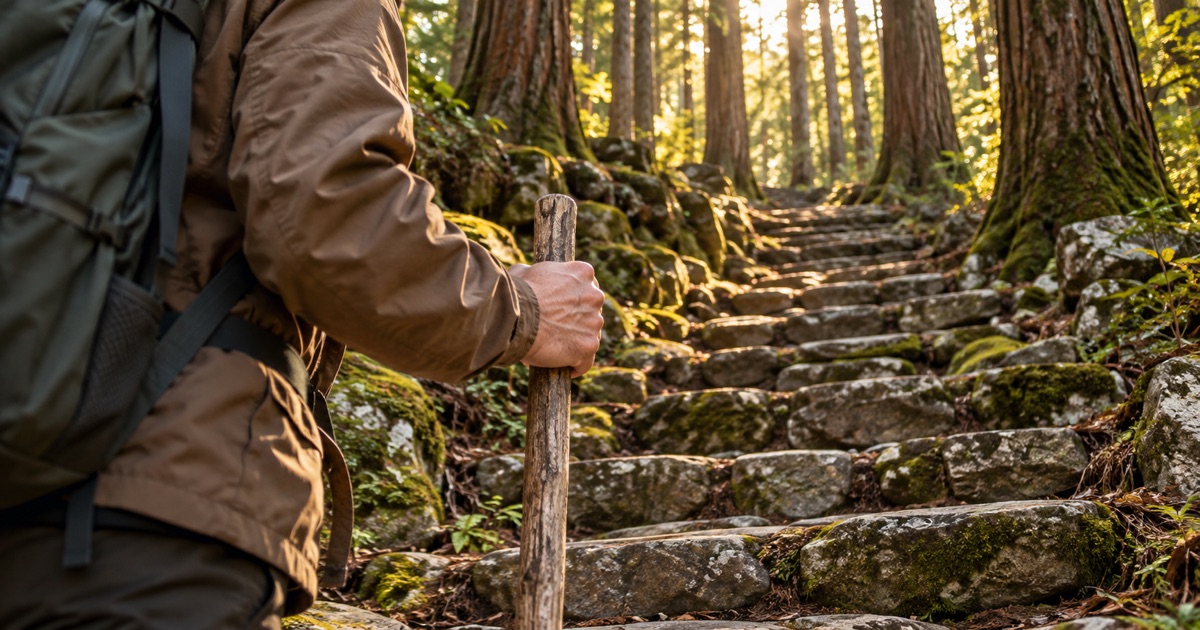
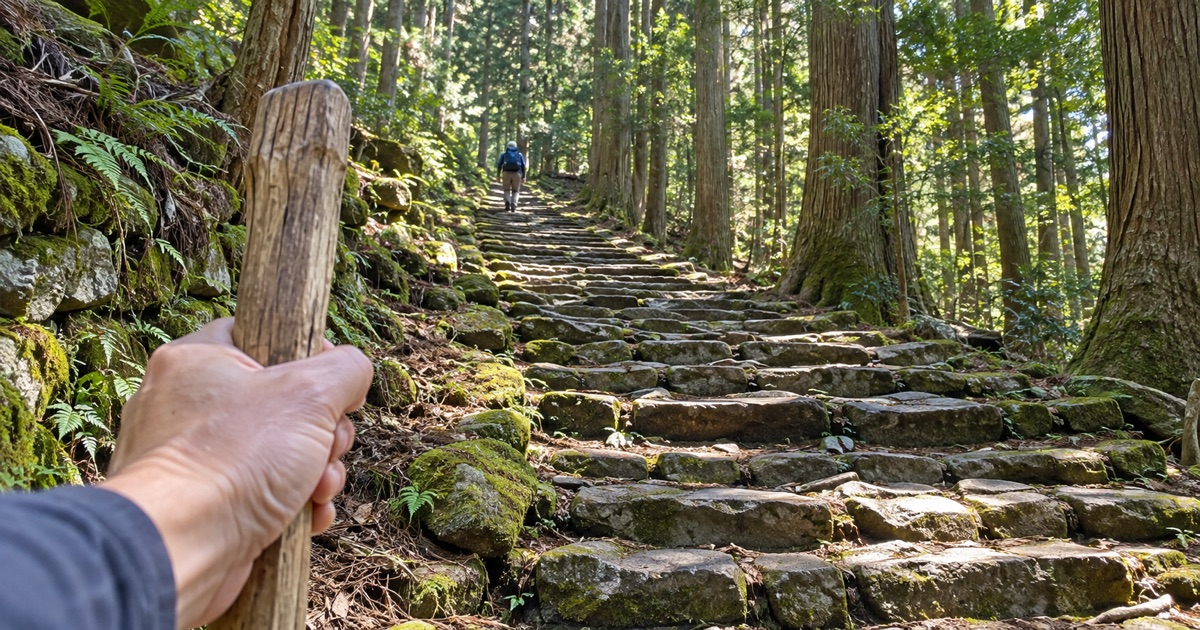
The approach begins at Ichinohashi Bridge (一の橋). From here, a stone-paved path winds for roughly two kilometers through a dense forest of towering, centuries-old Japanese cedar trees. Lining both sides of the path are more than 200,000 stone stupas, tombstones, and memorial markers representing historical samurai lords, modern company memorials, and ordinary devotees.
Key sights within Okunoin include:
- Ichinohashi to Gobyonohashi: The main walking trail leading through the forested cemetery.
- Torodo (Hall of Lanterns): The main worship hall in front of the mausoleum, illuminated by thousands of brass and bronze lanterns donated by pilgrims across centuries.
- Kobo Daishi's Mausoleum (Gobyo): Located directly behind the Torodo.
Crossing Gobyonohashi (the final bridge) enters the most sacred precinct. Beyond this point, photography, food, drinks, and loud voices are strictly prohibited. Take off your hat, bow toward the mausoleum, and proceed quietly along the stone path.
2. Visit Kongobuji Temple (金剛峯寺)
Kongobuji is the administrative headquarters of Koyasan Shingon Buddhism. The temple complex features expansive wooden halls, screen paintings (fusuma-e) by masters of the Kano School, and sweeping cedar-bark roofs.
One of the main highlights of Kongobuji is the Banryutei Rock Garden (蟠龍庭). Spanning over 2,300 square meters, it is the largest rock garden in Japan. The white granite gravel represents a sea of clouds, while 140 large stones arranged within it depict two dragons emerging from the mist to protect the sanctuary.
Inside the temple, visitors can walk through wide tatami-matted corridors and view historic rooms, including the Willow Room (Yanagi-no-ma), notable for its place in feudal Japanese history.

We are working to carry Japanese craft and everyday culture beyond Japan, by building Japan Towns with local partners.
Read the Japan Town plan →3. Explore the Danjo Garan Sacred Complex (壇上伽藍)
Alongside Okunoin, the Danjo Garan is one of the two core sacred areas established by Kobo Daishi when he founded Koyasan. This complex served as the primary monastic training ground and contains roughly twenty distinct religious structures.
Highlights of the Danjo Garan include:
- Konpon Daito (根本大塔): A massive, two-tiered vermilion pagoda standing nearly 50 meters tall. Inside rests a three-dimensional mandala centered on the Cosmic Buddha (Dainichi Nyorai), flanked by statues and pillar paintings of bodhisattvas.
- Kondo (Golden Hall): The main lecture hall where important religious ceremonies and initiations are conducted.
- Sanko-no-Matsu (The Three-Pointed Pine): A sacred pine tree where legendary needles split into three leaves instead of the usual two. Visitors often look for fallen three-pronged needles on the ground as good-luck charms.
4. Pass Beneath the Daimon Gate (大門)
Daimon is the grand western entrance to Koyasan. Rising over 25 meters, this two-story vermilion gate stands guarded by two fierce Kongo Rikishi (guardian statues) carved by master sculptors during the Edo Period.
On clear days, the view from the road beside Daimon extends across the surrounding mountain ridges all the way to the Kii Channel. It provides a striking sense of how isolated and elevated this plateau felt to early pilgrims walking up the mountain on foot.
5. Taste Shojin Ryori (Buddhist Vegetarian Cuisine)
Visiting Koyasan is an opportunity to experience shojin ryori (精進料理), the traditional vegetarian cuisine practiced by Buddhist monks. The cooking avoids meat, fish, garlic, onions, and other pungent root vegetables, focusing instead on seasonal mountain vegetables, mushrooms, seaweed, and soy products.
Two local specialties stand out:
- Koya-dofu (高野豆腐): Freeze-dried tofu that absorbs rich, savory dashi broth like a sponge.
- Goma-dofu (胡麻豆腐): A smooth, custard-like dish made from ground sesame paste, water, and starch, usually served chilled with a dab of wasabi and soy sauce.
While overnight temple guests eat shojin ryori for dinner and breakfast, day-trippers can sample it at traditional restaurants scattered along the town's main street between Senjuinbashi (千手院橋) and the entrance to Okunoin.
Koyasan One-Day Itinerary from Osaka
This walking-focused day plan covers the primary highlights efficiently. Expect a total walking distance of roughly 8 to 11 kilometers (around 12,000 to 16,000 steps) across the day, primarily on paved paths and packed gravel.
- 07:30 – Depart Osaka: Board the Nankai Koya Line from Namba Station (難波駅) heading south.
- 09:30 – Arrive at Koyasan Station: Ride the cable car up the mountainside, then take the local Nankai Rinkan Bus directly to Okunoin-mae (奥の院前).
- 10:00 – Okunoin Walk: Walk the sacred cedar trail toward the Torodo and Kobo Daishi's Mausoleum.
- 12:30 – Lunch in Town: Catch a short bus ride back to the central Senjuinbashi area for a shojin ryori lunch or soba noodles.
- 13:45 – Kongobuji: Tour the head temple and walk beside the Banryutei Rock Garden.
- 15:00 – Danjo Garan & Daimon: Walk through the Danjo Garan complex, view the Konpon Daito pagoda, and finish at the Daimon Gate.
- 16:30 – Return Journey: Take the bus back to Koyasan Station, descend via the cable car, and board the train back to Osaka.
How to Get to Koyasan from Osaka
The trip to Koyasan starts from Nankai Namba Station in central Osaka.
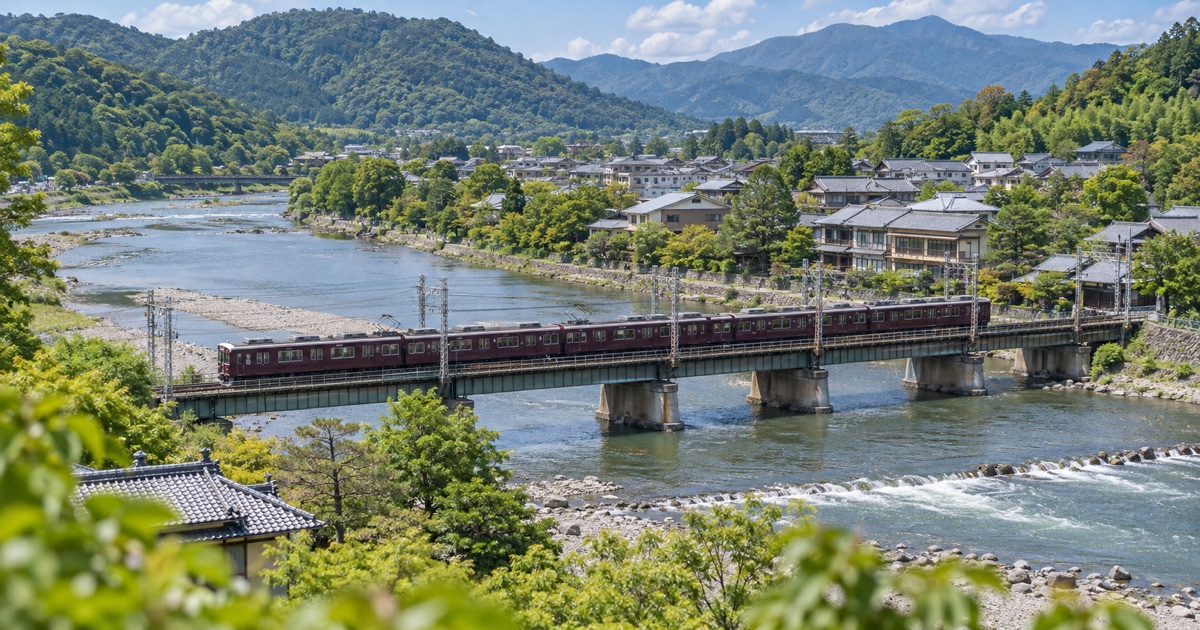
- Train: Take the Nankai Koya Line from Namba Station to Gokurakubashi Station (極楽橋駅). The Limited Express "Koya" takes around 80 to 90 minutes (seat reservation required). Alternatively, take a Rapid Express train to Hashimoto Station (橋本駅) and transfer to a local train onward to Gokurakubashi (around 100 minutes total).
- Cable Car: At Gokurakubashi, transfer directly to the Koyasan Cable Car. The ride climbs an extremely steep slope in roughly five minutes, arriving at Koyasan Station (高野山駅).
- Bus: Pedestrians are not permitted to walk along the winding bus-only road leading from Koyasan Station into town. Board the dedicated Nankai Rinkan Bus waiting outside the station doors. A bus ride to the central intersection at Senjuinbashi takes around 10 to 15 minutes.
Travelers can find broader regional route overviews on the Japan National Tourism Organization website.
Rail Passes and Tickets
The standard Japan Rail (JR) Pass does not cover the Nankai Railway, the cable car, or the local buses on the mountain.
Instead, consider purchasing the Nankai Koyasan World Heritage Ticket. This discount pass covers:
- Round-trip rail transport from Namba to Gokurakubashi
- The round-trip cable car ride
- Unlimited rides on the Nankai Rinkan bus network inside Koyasan
- Small discount coupons for admission to Kongobuji, Konpon Daito, and the Reihokan Museum
Prices change periodically; verify current rates and pass inclusions directly on the Nankai Electric Railway official website before travel.
Practical Tips and Common Mistakes
- Check the Weather and Dress in Layers: Koyasan sits roughly 800 meters higher than Osaka and Kyoto. Temperatures are consistently 5 to 10 degrees Celsius cooler than low-lying cities. Bring a warm layer in spring and autumn, and dress warmly during winter, when snow and ice are common.
- Wear Comfortable Slip-On Shoes: Visiting temple interiors requires removing your footwear at the entrance. Choose supportive walking shoes that you can easily slip off and on throughout the day.
- Do Not Miss the Last Bus: Buses connecting the town center to Koyasan Cable Car Station stop running relatively early in the evening. Check the departure board at the bus stop upon arrival to confirm your return connection.
- Carry Cash: While larger ticket windows and some modern shops accept credit cards or IC transit cards (like Icoca and Suica), smaller eateries, amulet counters, and bus fare boxes often operate on cash only. Keep several thousand yen on hand.
- Observe Sacred Etiquette: Okunoin is an active cemetery and pilgrimage ground. Keep voices low, walk along the sides of bridges rather than down the center (which is reserved for deities), and never photograph or record inside worship halls or beyond Gobyonohashi.
FAQ
- Q. Can you visit Koyasan as a day trip from Osaka?
- A. Yes, Koyasan makes a viable day trip from Osaka, taking roughly two hours each way by Nankai train and cable car.
- Q. What pass covers travel to Koyasan?
- A. The Nankai Koyasan World Heritage Ticket covers round-trip train travel from Osaka, the cable car, and local buses.
- Q. Is Koyasan accessible using a JR Pass?
- A. No, standard Japan Rail passes do not cover the Nankai Railway or the Koyasan cable car routes into the mountain.
Cite or share this article
Copy the link below. If you quote this article, please link to this page as the source.