Things to Do in Miyajima Island: Complete Day Trip Guide
Key takeaways
- Start early from Osaka or Kyoto via the Sanyo Shinkansen to Hiroshima, followed by a local train and short ferry ride.
- See Itsukushima Shrine at both high tide to view the floating torii and low tide to walk out onto the seabed.
- Ascend Mount Misen by ropeway or hiking trail for panoramic views across the Seto Inland Sea.
The best things to do in Miyajima Island include visiting the iconic "floating" Itsukushima Shrine (厳島神社), riding the ropeway up Mount Misen (弥山) for panoramic sea views, and sampling regional street food like grilled oysters and maple-leaf cakes along Omotesando Shopping Street. Located just off the coast of Hiroshima, this sacred island—officially named Itsukushima—is one of Japan’s most rewarding day trips from Osaka or Kyoto.
Because the island is easily reached via the Shinkansen and a quick ten-minute ferry ride, an independent day trip gives you the freedom to explore ancient temples, forest trails, and seaside paths at your own pace without booking an organized tour.
How to Get to Miyajima Island from Osaka and Kyoto
Most visitors start their journey at either Shin-Osaka Station (新大阪駅) or Kyoto Station (京都駅).
Step 1: Shinkansen to Hiroshima Station
From Shin-Osaka Station, take the JR Sanyo Shinkansen to Hiroshima Station (広島駅). Nozomi (のぞみ) and Mizuho (みずほ) trains take approximately 80 to 85 minutes, while Sakura (さくら) trains take around 90 minutes.
From Kyoto Station, direct Nozomi trains reach Hiroshima in approximately 100 minutes. If you hold a standard Japan Rail Pass, note that Nozomi and Mizuho trains require an extra surcharge ticket, but Sakura and Hikari trains are fully covered. You can check route details and operational notices via JR West.
Step 2: Local Train to Miyajimaguchi
At Hiroshima Station, transfer to the local JR Sanyo Line (JR山陽本線) bound for Iwakuni or Miyajimaguchi. The train ride to Miyajimaguchi Station (宮島口駅) takes roughly 30 minutes.
Step 3: Ferry to Miyajima Island
Exit Miyajimaguchi Station and walk straight ahead for about five minutes to the ferry terminal. Two main operators run ferries to Miyajima: JR West Miyajima Ferry and Miyajima Matsudai Kisen. Both cost roughly 200 yen each way for adults, plus a mandatory 100-yen municipal visitor tax.
If you use a JR Pass, the JR West ferry ride is covered, though you still need to pay the local 100-yen visitor tax. The ferry ride takes about 10 minutes. If you take the JR ferry, stand on the right side of the boat as you depart the mainland; the JR boats deliberately steer on an offshore route that gives you an unobstructed front view of the floating torii gate.
Key Things to Do in Miyajima Island
1. Itsukushima Shrine and the Great Torii Gate
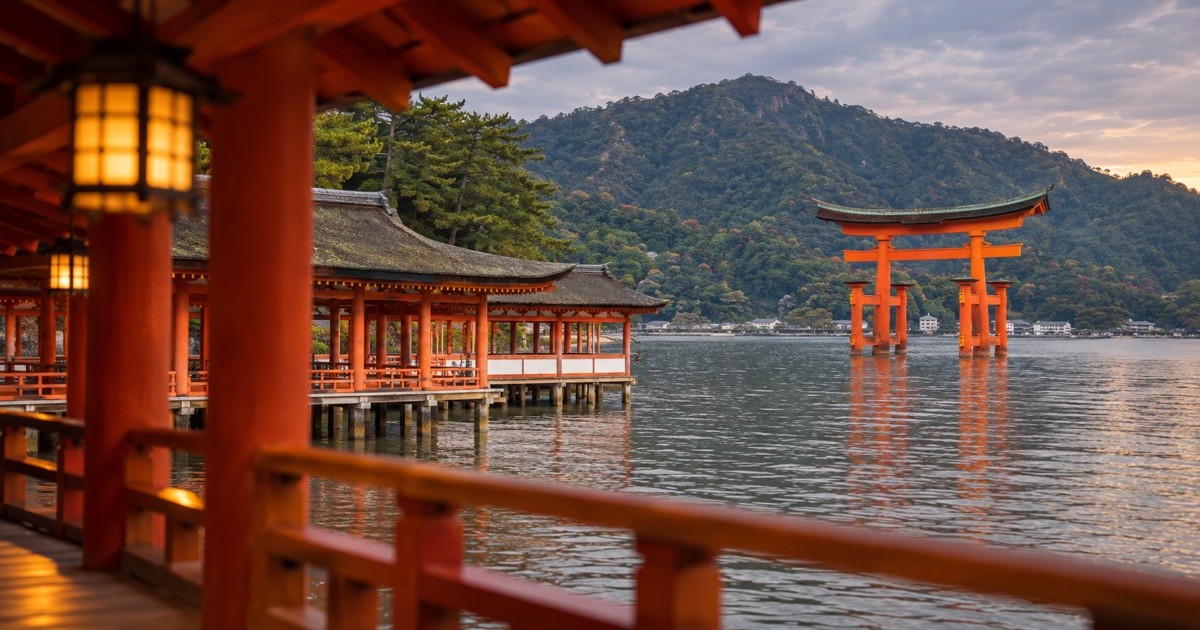
Itsukushima Shrine (厳島神社) is a UNESCO World Heritage site built over water, designed on piers so that the entire complex appears to float on the bay during high tide. The shrine dates back centuries, with its current pier arrangement tracing back to the 12th-century warlord Taira no Kiyomori.
The centerpiece is the vermilion Great Torii Gate (大鳥居), standing about 16 meters tall out in the bay. To experience the shrine at its most dramatic, plan your day around the local tide cycles:
- High Tide: Water submerges the flats below the shrine, making the boardwalks feel like open decks floating on the sea.
- Low Tide: The water recedes entirely, exposing the sandy seabed and allowing visitors to walk directly up to the base of the massive wooden pillars of the torii gate.
Shrine entrance fees are roughly 300 to 500 yen depending on whether you enter the main hall or the adjacent treasure hall. Check tide predictions on Japanese maritime weather sites before your trip so you know what time water levels will peak and drop.
2. Ascend Mount Misen for Seto Inland Sea Views
Mount Misen (弥山) is the highest peak on Miyajima, rising about 535 meters above sea level. It has been a sacred center of mountain worship since the monk Kobo Daishi founded a religious retreat here in the early 9th century.
You can reach the summit in two ways:
- Miyajima Ropeway: Located behind Momijidani Park, the ropeway operates in two stages. A round-trip ticket costs roughly 2,000 yen for adults. From the upper ropeway station (Shishiiwa Station), it takes an additional 20- to 30-minute uphill hike along a paved, uneven mountain path to reach the actual summit and its modern viewing platform.
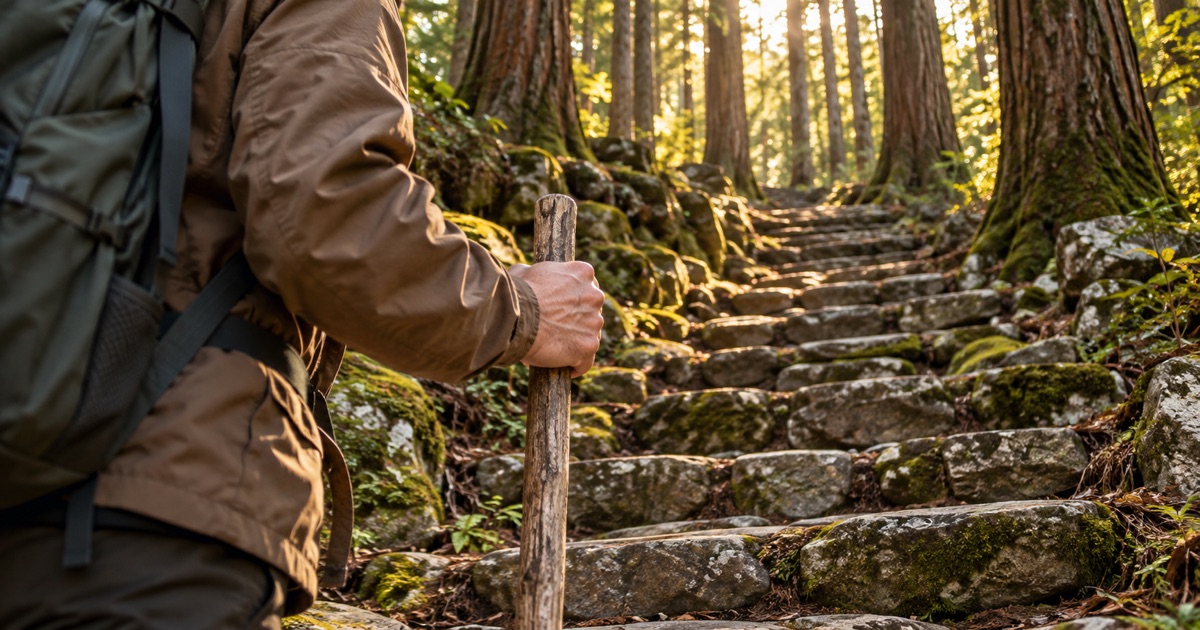
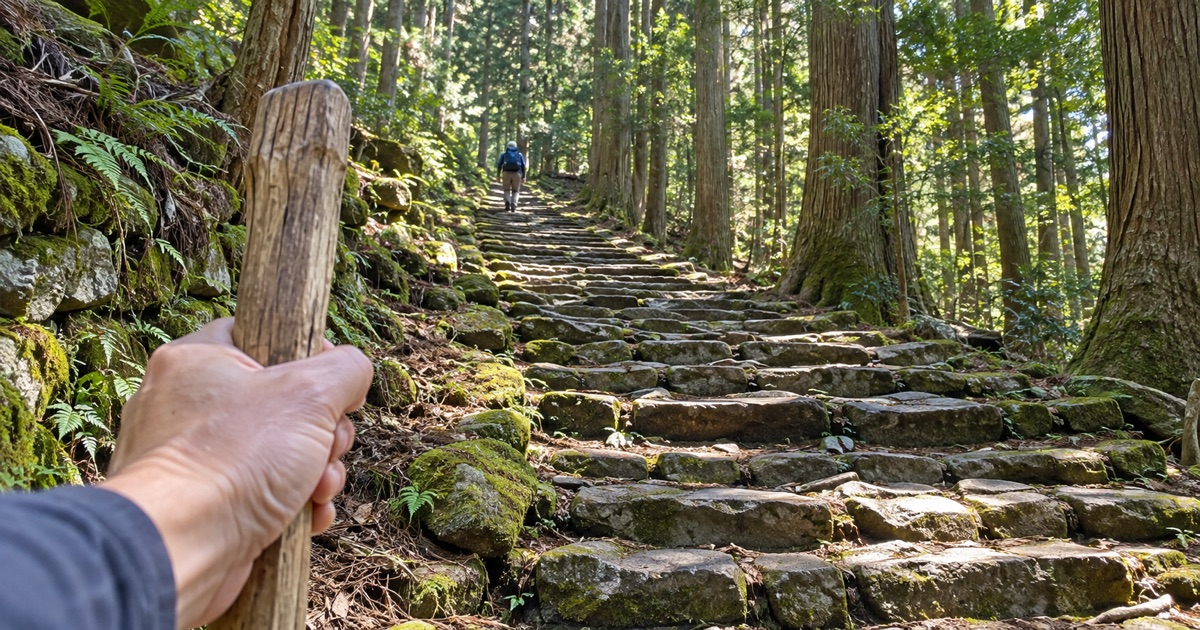
- Hiking Trails: If you prefer to walk, three main trails lead from town to the peak: Momijidani Trail, Daisho-in Trail, and Omoto Trail. Each takes roughly 90 to 120 minutes of steady uphill walking. The Daisho-in trail offers the best stone steps and mountain views, but proper walking shoes and plenty of water are essential.
Near the summit stands the Reikado (Hall of the Spiritual Flame), where a holy flame has reportedly been kept burning continuously for over 1,200 years. That same flame was used to light the Peace Flame in Hiroshima Peace Memorial Park.
3. Explore Daisho-in Temple
Located at the foot of Mount Misen, Daisho-in (大聖院) is an atmospheric Shingon Buddhist temple complex that many travelers overlook. It is completely free to enter and far less crowded than Itsukushima Shrine.
As you walk up the stone staircase to the main gate, look for the central railing lined with metallic prayer wheels; spinning them is said to bestow the same spiritual blessing as reading the Buddhist sutras. The grounds contain hundreds of unique stone statues of the Buddha's disciples (Rakan), a serene cave filled with lanterns (Henjokutsu Cave), and quiet moss-covered garden paths.
4. Walk Through Momijidani Park
Momijidani Park (紅葉谷公園), meaning "Maple Valley," sits right beneath the lower slopes of Mount Misen. The park contains hundreds of maple trees along a clear mountain stream spanned by bright red bridges. While it is lush and green throughout late spring and summer, the area is especially vibrant during the autumn foliage season in November.
5. Taste Regional Miyajima Specialties
The covered Omotesando Shopping Arcade and the seaside promenade leading from the ferry port are lined with food stalls and traditional confectioneries.
- Grilled Oysters (Kaki): Hiroshima produces more oysters than any other prefecture in Japan. You can buy fresh oysters grilled over open charcoal, fried in panko (kaki furai), or served raw with ponzu at dozens of shopfronts for roughly 500 to 800 yen per pair.
- Momiji Manju: These maple-leaf-shaped sponge cakes are traditional Miyajima souvenirs. Filled originally with sweet red bean paste (anko), shops now sell them filled with chocolate, matcha, custard, and cream cheese. Look for shops selling age-momiji—momiji manju that are skewered, dipped in tempura batter, and deep-fried to order.
- Anago Meshi: Grilled conger eel served over seasoned rice in a lacquer box is another local staple, offering a leaner, firmer alternative to standard freshwater unagi.
We are working to carry Japanese craft and everyday culture beyond Japan, by building Japan Towns with local partners.
Read the Japan Town plan →Tips for First-Time Visitors
Interacting with Miyajima’s Wild Deer
Like Nara, Miyajima is home to free-roaming wild deer. However, unlike Nara, Miyajima has a strict no-feeding policy to protect the animals' health and preserve their foraging habits.
- Do not feed the deer any crackers, bread, or snacks.
- Keep paper items (maps, ferry tickets, and money) tucked inside bags; deer frequently nibble on bags and snatch loose paper from hands.
- Deer can become assertive if they smell takeout street food, so eat inside or near shopfronts rather than while walking through the open park.
Packing and Preparation
- Footwear: You will walk several kilometers across boardwalks, stone staircases, and wet sand if you walk to the torii gate at low tide. Wear broken-in walking shoes that you do not mind getting slightly muddy.
- Cash: While modern chain stores and the ferry terminal accept major credit cards and transit IC cards (like ICOCA or Suica), small food stalls, temple donation boxes, and souvenir vendors frequently accept cash only.
- Timing and Crowds: During peak travel months—particularly in spring (late March to mid-April) and autumn (mid to late November)—afternoon crowds can be heavy. Aim to arrive on the island by 8:30 or 9:00 AM to see Itsukushima Shrine before tour buses arrive.
For broader regional travel updates, seasonal event calendars, and travel alerts, visit the Japan National Tourism Organization.
Suggested One-Day Itinerary
- 07:30 AM: Depart Shin-Osaka or Kyoto Station on the Shinkansen to Hiroshima.
- 09:30 AM: Arrive at Miyajimaguchi, take the 10-minute ferry, and reach Miyajima Pier.
- 10:00 AM: Visit Itsukushima Shrine. (If high tide coincides with your morning, enjoy the floating appearance from the wooden platforms).
- 11:30 AM: Walk to Daisho-in Temple and explore the courtyards and lantern cave.
- 12:45 PM: Stop along Omotesando Arcade for lunch (anago meshi or grilled oysters).
- 02:00 PM: Walk through Momijidani Park to the ropeway base and take the cars up Mount Misen for the summit views.
- 04:15 PM: Descend the mountain. If low tide happens late in the afternoon, walk out across the sand to the base of the Great Torii Gate.
- 05:30 PM: Pick up freshly fried age-momiji manju and board the ferry back to Miyajimaguchi.
- 06:30 PM: Return to Hiroshima Station for dinner (Hiroshima-style okonomiyaki) before your evening Shinkansen back to Osaka or Kyoto.
FAQ
- Q. Can you do Miyajima Island as a day trip from Osaka or Kyoto?
- A. Yes, you can reach Miyajima in roughly two to two and a half hours each way from Osaka, or around two and a half to three hours from Kyoto using the Shinkansen.
- Q. How much is the Miyajima visitor tax?
- A. Miyajima levies a small tourist tax of 100 yen per visitor, which is typically added to your ferry ticket purchase.
- Q. What is the best way to see the floating torii gate?
- A. Check local tide tables before your visit so you can see the gate floating during high tide and walk up to its base across the wet sand during low tide.
Cite or share this article
Copy the link below. If you quote this article, please link to this page as the source.