Miyajima Itinerary: The Perfect Day Trip Guide
Key takeaways
- A complete day trip to Miyajima takes 6 to 8 hours on the island, easily reachable from Hiroshima, Osaka, or Kyoto.
- Take the JR San-yo Line to Miyajimaguchi Station, followed by a short 10-minute ferry ride to the island.
- Check local tide tables before your visit to see Itsukushima Shrine floating at high tide or walk up close at low tide.
The ideal Miyajima itinerary takes between six and eight hours on the island, allowing enough time to explore Itsukushima Shrine, ride the Mount Misen ropeway, and sample local street food. Starting from Hiroshima Station (広島駅), or via an early Shinkansen from Shin-Osaka Station (新大阪駅) or Kyoto Station (京都駅), you can complete this entire excursion independently by train and ferry in a single day.
Miyajima (宮島), officially named Itsukushima (厳島), is famous for its "floating" torii gate set in the Seto Inland Sea. With sensible planning around ferry schedules and walking routes, you can experience the island's primary historic sites and natural scenery without feeling rushed.
Getting to Miyajima from Hiroshima, Osaka, and Kyoto
Independent travel to Miyajima relies entirely on Japan's train and ferry network.
Step 1: Travel to Hiroshima
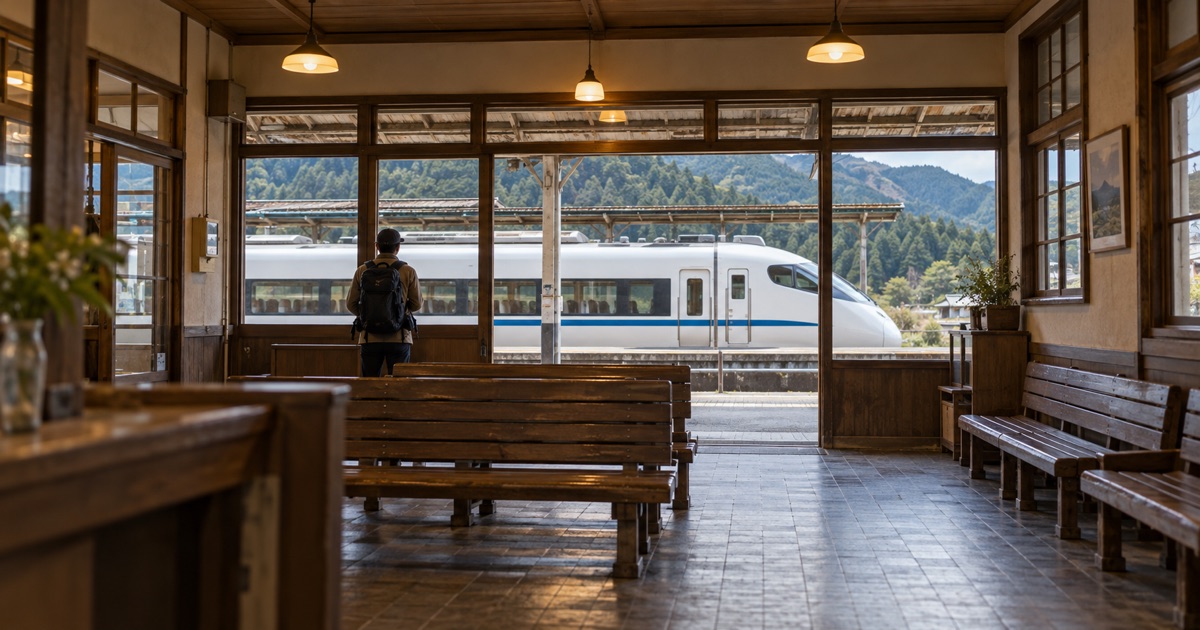
If you are starting your morning in the Kansai region, board the Tokaido-Sanyo Shinkansen:
- From Shin-Osaka Station: The ride to Hiroshima Station takes roughly 85 minutes on the Nozomi or Sakura bullet train.
- From Kyoto Station: The Shinkansen to Hiroshima Station takes approximately 100 to 110 minutes.
If you are already staying in Hiroshima, your journey begins directly at Hiroshima Station.
Step 2: Hiroshima Station to Miyajimaguchi
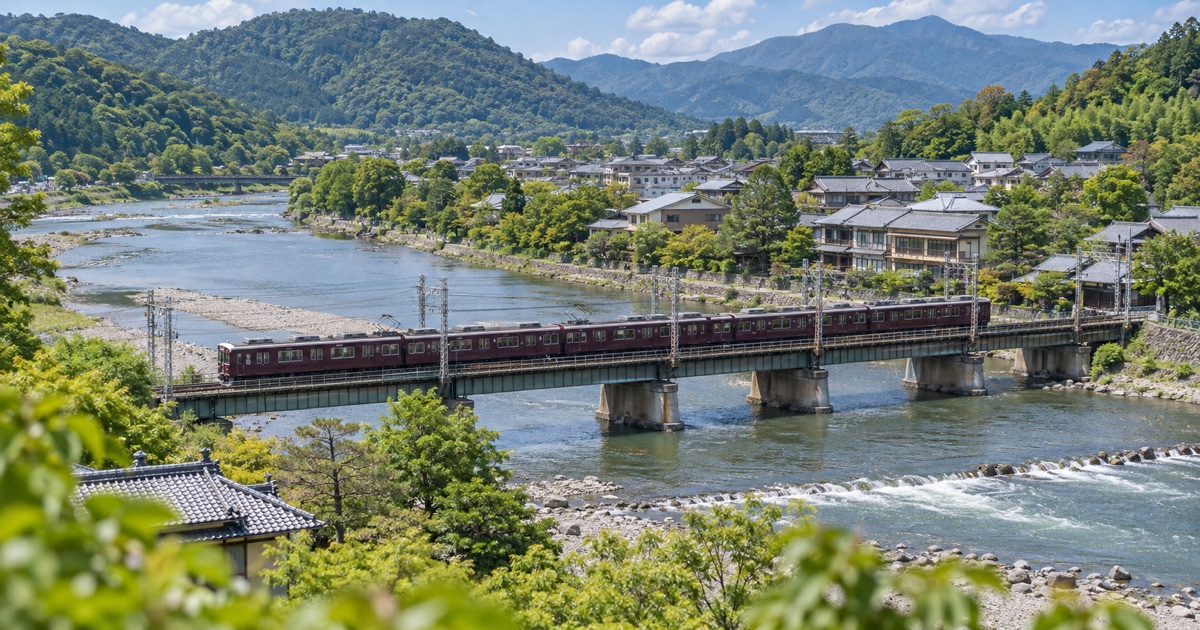
From Hiroshima Station, transfer to the local JR San-yo Line (山陽本線) bound for Iwakuni (岩国). The train ride to Miyajimaguchi Station (宮島口駅) takes around 30 minutes.
Alternatively, the Hiroden streetcar (Line 2) runs from central Hiroshima to Hiroden-Miyajimaguchi Station, but it takes roughly 60 to 70 minutes. The local JR train is the faster, more direct option for day trippers.
Step 3: Ferry to Miyajima Pier
Miyajimaguchi Station sits about a three-minute walk from the ferry terminal. Two ferry operators make the crossing: JR West Miyajima Ferry and Matsudai Kisen.
Both companies operate frequent crossings, typically departing every 10 to 15 minutes throughout the day. The crossing itself takes about 10 minutes. The JR ferry takes a slightly wider route on outbound trips to give passengers a closer water-level view of the great torii gate. Check route details and service conditions with JR West.
Visitors must pay a Miyajima visitor tax of roughly 100 yen per person, which is usually added to the standard one-way ferry ticket (around 200 yen) or charged when tapping an IC card (such as ICOCA or Suica). Fares and taxes can change, so verify prices at the terminal.
Morning: Arrival and Itsukushima Shrine
Plan to arrive on the island between 8:30 AM and 9:30 AM to explore the shrine grounds before the largest tour groups arrive.
Walking Through Omoto Park and Waterfront
Exiting Miyajima Pier, turn right and follow the coastline toward the shrine. Along this paved path, you will encounter Miyajima’s wild sika deer. While accustomed to people, these are wild animals. Do not feed them, and keep paper maps, train tickets, and plastic bags securely zipped inside your daypack, as deer often nibble on loose items.
Itsukushima Shrine (厳島神社)
The centerpiece of the island is Itsukushima Shrine, a UNESCO World Heritage site built over water on stilts. The complex includes prayer halls, a Noh theater stage, and wooden boardwalks that bridge the bay.
- High Tide vs. Low Tide: Water levels dramatically alter the view. At high tide (water levels roughly 250 cm or above), the shrine appears to float on the sea. At low tide (levels roughly 100 cm or below), the water recedes completely, letting visitors walk across the wet sand directly to the base of the massive camphor-wood torii gate. Check a daily tide table online before your trip so you can plan your photography accordingly.
- Admission: Admission to the shrine is roughly 300 yen (or around 500 yen for a combined ticket with the Treasure Hall). Hours and fees can change, so consult the shrine's official notices on the day.
Senjokaku (千畳閣) and the Five-Story Pagoda
Just uphill behind Itsukushima Shrine stands Senjokaku, formally known as Hokoku Shrine (豊国神社). Commissioned by Toyotomi Hideyoshi in 1587, this massive wooden hall was left uncompleted after his death. Its open-air pavilion features towering cedar pillars, hundreds of votive paintings hung from the rafters, and cool breezes off the water. Right beside it stands a vibrant, vermilion five-story pagoda built in 1407.
We are working to carry Japanese craft and everyday culture beyond Japan, by building Japan Towns with local partners.
Read the Japan Town plan →Midday: Street Food on Omotesando Shopping Street
By late morning, make your way to Omotesando Shopping Street (表参道商店街), the bustling covered pedestrian street located between the shrine and the ferry terminal.
Miyajima is renowned for several local specialties:
- Grilled or Fried Oysters (Kaki): Hiroshima produces a large share of Japan's oysters. Vendors along the street grill fresh oysters over charcoal, serve them on the half-shell, or deep-fry them as kaki furai.
- Momiji Manju: Maple-leaf-shaped sponge cakes filled with sweet red bean paste (anko). You will also find variations stuffed with custard, chocolate, cheese, or matcha, as well as age-momiji (deep-fried skewers of the pastry).
- Conger Eel (Anago Meshi): Grilled conger eel brushed with sweet soy glaze and served over rice. This is the island’s signature sit-down lunch dish.
Afternoon: Mount Misen Summit
After lunch, head toward Mount Misen (弥山), the highest peak on the island at roughly 535 meters above sea level. The mountain has long been revered as a sacred site, first sanctified as an ascetic training ground by the monk Kobo Daishi in the 9th century.
Taking the Ropeway
Walk through Momijidani Park (紅葉谷公園)—a scenic maple valley—to the lower ropeway station. A free shuttle bus also runs between the park entrance and the ropeway base roughly every 15 to 20 minutes, though the uphill walk takes only about 10 to 15 minutes.
The Miyajima Ropeway operates in two stages: a smaller gondola followed by a larger cable car. A round-trip ticket costs roughly 2,000 yen for adults. The ropeway can close during high winds or scheduled maintenance, so check the operating status on the morning of your trip.
Walking to the Summit
The upper ropeway station (Shishiiwa Station) offers panoramic views over the islands of the Seto Inland Sea. However, Shishiiwa is not the true summit.
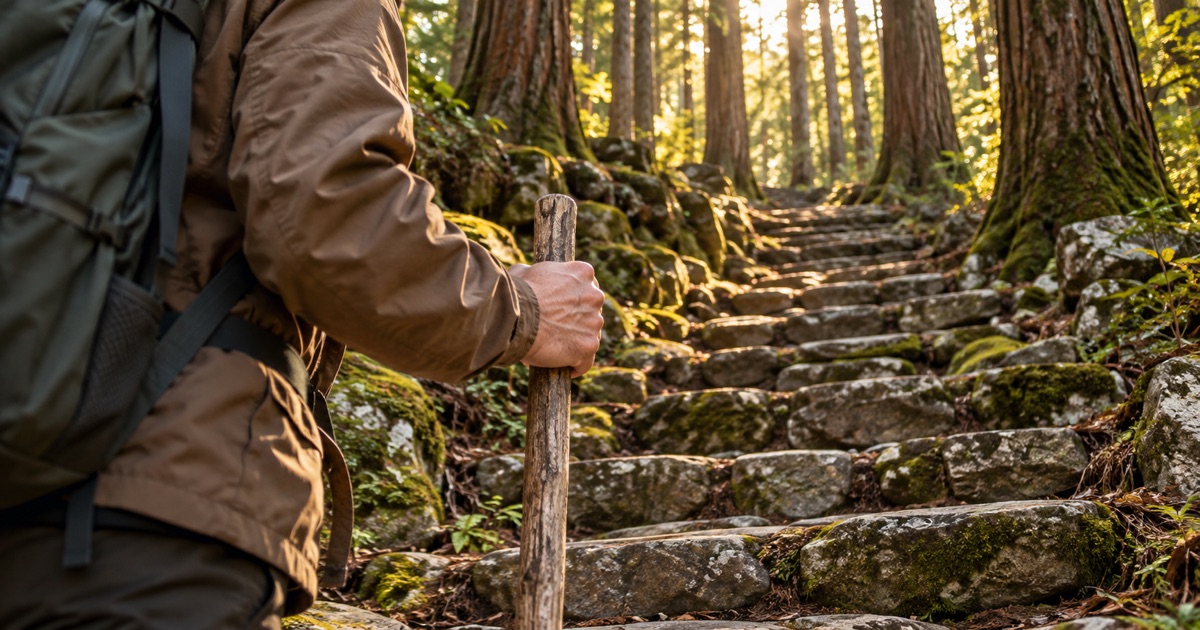
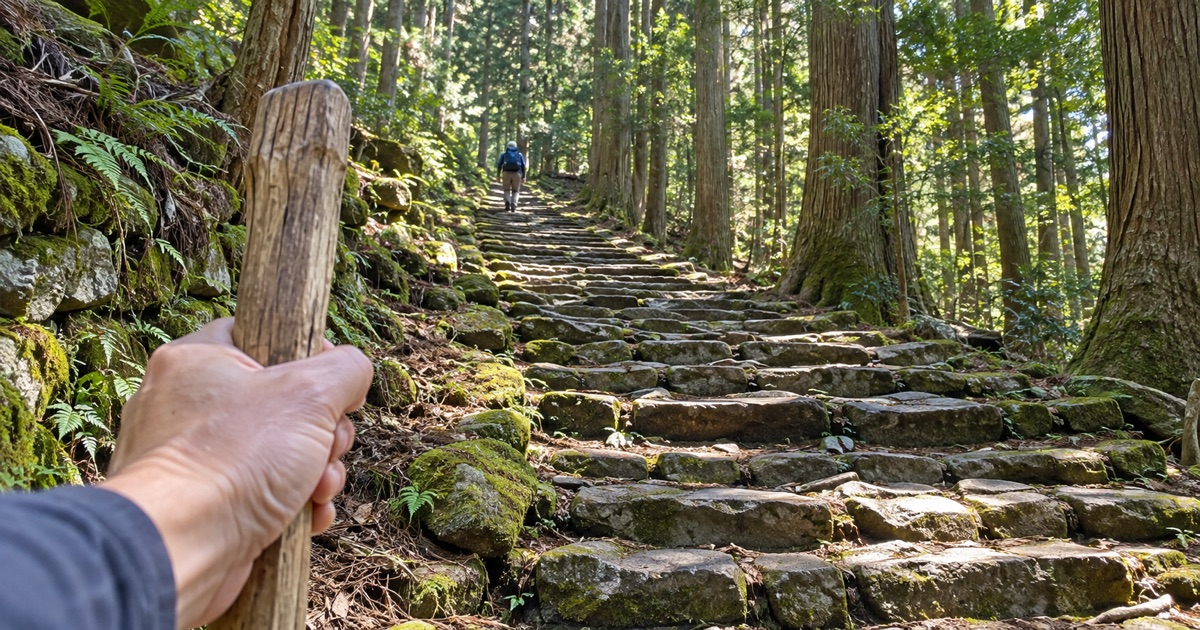
Reaching the peak requires an additional 30-minute hike each way along an uneven dirt and stone mountain path:
- Follow the trail downhill from Shishiiwa, then climb up toward the Misen Hondo (Main Hall) and Reikado (Hall of the Spiritual Flame). The fire inside Reikado has reportedly burned continuously for over 1,200 years and was used to light the Peace Flame in Hiroshima Peace Memorial Park.
- Continue another 10 minutes uphill among massive granite boulders to reach the Mount Misen summit observatory.
Wear sturdy walking shoes with good traction. If you have limited mobility, you can enjoy the view from Shishiiwa Station without completing the summit hike.
Late Afternoon: Daisho-in Temple
Head down the ropeway in the mid-afternoon and walk toward Daisho-in Temple (大聖院), situated at the base of Mount Misen. Many day visitors overlook Daisho-in, but it is one of the most atmospheric temple complexes in western Japan.
Points of interest within Daisho-in include:
- A central staircase lined with revolving metal prayer wheels inscribed with Buddhist sutras; spinning them is said to bestow blessings.
- Paths flanked by hundreds of small stone rakan (disciples of Buddha) statues, each wearing a hand-knitted woolen cap.
- The Henjokutsu Cave, a subterranean chamber housing icons from the 88 temples of the Shikoku Pilgrimage.
Admission to the temple grounds is typically free, though donations are appreciated.
Evening: Departure and Transit Tips
As the sun sets, walk back to the pier along the coastal path. If the tide has shifted since your morning arrival, you may catch the torii gate in its alternate state (submerged or completely dry). The gate is illuminated each evening after sunset, creating a stark silhouette against the water.
Take the ferry back to Miyajimaguchi, then board the JR San-yo Line back to Hiroshima Station. If you are returning to Osaka or Kyoto, Shinkansen trains run regularly until late in the evening. For broader route planning and train schedules across Japan, consult the Japan National Tourism Organization.
What to Bring
- Comfortable walking shoes: You will log between 10,000 and 18,000 steps on stone pavements, stairs, and mountain tracks.
- Cash: While ferry ticket windows and larger shops accept IC cards and credit cards, small street food vendors and temple donation boxes only take Japanese yen.
- A small plastic trash bag: Public trash cans are rare on Miyajima to prevent deer from eating litter. Plan to carry your waste until you find a designated bin at a shop or ferry terminal.
Common Mistakes to Avoid
- Ignoring the tide table: Visiting only at mid-tide means missing both the iconic "floating" illusion and the chance to walk under the torii gate on foot. Check the tide forecast ahead of time.
- Missing the last ropeway down: The ropeway stops operating in the late afternoon (often around 4:30 PM to 5:30 PM, depending on the season). Walking down Mount Misen on foot takes roughly 60 to 90 minutes over steep terrain in fading light. Always confirm the final descent time when you board at the top station.
FAQ
- Q. Can you do Miyajima as a day trip from Osaka or Kyoto?
- A. Yes. The Shinkansen connects Shin-Osaka or Kyoto to Hiroshima in roughly 85 to 100 minutes, making a full-day trip very manageable.
- Q. How much does the Miyajima ferry cost?
- A. The one-way ferry fare is roughly 200 yen, plus a 100-yen local tourist tax per visitor. Fares and taxes can change, so check locally.
- Q. Is the JR Pass accepted on the ferry to Miyajima?
- A. The JR West Miyajima Ferry accepts valid nationwide Japan Rail Passes, though you must still pay the small local visitor tax.
Cite or share this article
Copy the link below. If you quote this article, please link to this page as the source.