Himeji Castle: How Long to Spend and Best Day Trip Itinerary
Key takeaways
- Budget 2 to 3 hours for the castle grounds and keep, or 4 to 5 hours if adding Koko-en Garden and lunch.
- The main keep requires climbing steep, ladder-like wooden stairs in socks, which can create slow-moving queues.
- A Shinkansen ride from Shin-Osaka or Kyoto takes roughly 30 to 45 minutes, making it an easy half-day trip.
Most visitors need between two and three hours to explore Himeji Castle (姫路城, Himeji-jo), including the walk from the gate and the climb up the main keep. If you plan to add the adjacent Koko-en Garden (好古園), enjoy a sit-down lunch, and stroll from the station, allow four to five hours in total for your visit to the city.
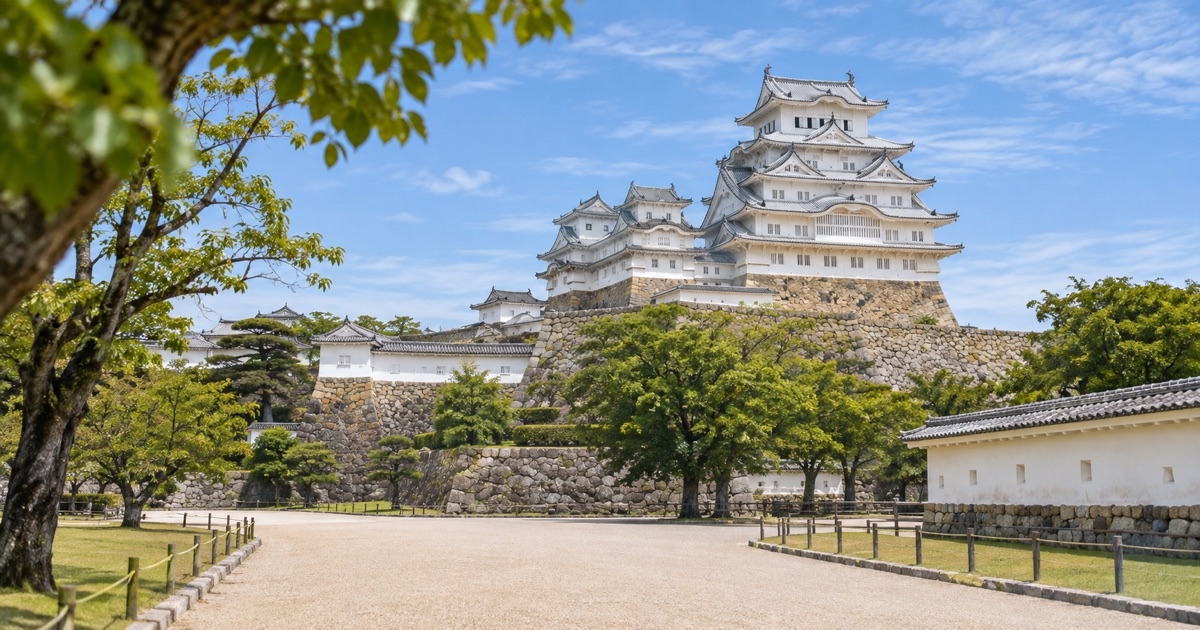
Known as the White Heron Castle (Shirasagi-jo) due to its brilliant white plaster walls, Himeji Castle is Japan's largest and most complete surviving feudal fortress. Because the castle grounds are expansive and the multi-story wooden keep features narrow passageways, planning your time carefully ensures you experience the site without rushing.
Recommended Time Breakdown for Himeji Castle
To set your schedule for the day, consider how deeply you want to explore the complex:
- The Quick Visit (1.5 to 2 hours): Walk from the main gate (Otemon Gate), cross the central courtyards, take photos from the Bizenmaru courtyard, and complete a self-guided route through the main keep.
- The Standard Visit (2.5 to 3 hours): Tour the main keep, walk the long wooden corridor of the Western Bailey (Nishi-no-Maru), inspect the defensive gates, and take your time photographing the grounds.
- The Full Half-Day Visit (4 to 5 hours): Complete the standard castle route, walk next door to Koko-en Garden, and eat lunch along the castle approach street before catching the train back to Osaka or Kyoto.
Crowd levels dramatically influence these times. During peak cherry blossom season in early April, the autumn foliage season in November, and national holiday periods like Golden Week in May, visitors may face entry caps or slow-moving lines inside the narrow staircases of the keep.
Walking Inside the Main Keep: What to Expect
The focal point of the visit is the six-story (plus basement) main keep (Daitenshu). Entering the structure gives you an authentic look at sixteenth-century castle defense, but it demands some physical effort.
Removing Shoes
Outdoor footwear is strictly prohibited inside the historic wooden keep. At the entry checkpoint, staff hand you a plastic bag to carry your shoes. You will walk on polished, original wooden floorboards in your socks. During autumn and winter, these floors become very cold; bringing a thick pair of warm socks makes the walk far more comfortable.
Steep Wooden Stairs
Each floor is connected by narrow, steep wooden stairs that resemble ladders. The angle can exceed 50 degrees on the upper levels. You must hold onto the handrails while carrying your shoes and personal belongings. Visitors with limited mobility, knee trouble, or heavy backpacks may find the upper floors challenging.
The Top Floor View
The sixth floor houses the small Osakabe Shrine and features window openings offering panoramic views across the city of Himeji, the castle courtyards, and the surrounding mountains. Because space at the top is limited, security staff often direct foot traffic to keep visitors moving forward smoothly.

We are working to carry Japanese craft and everyday culture beyond Japan, by building Japan Towns with local partners.
Read the Japan Town plan →Beyond the Main Keep: Other Sights on the Castle Grounds
A common mistake is rushing through the grounds only to see the main keep. Several other areas warrant extra time:
The Western Bailey (Nishi-no-Maru)
Located along the perimeter wall, the Western Bailey features the long Hyakken Roka (long corridor). This timber-framed corridor once served Princess Sen (Senhime) and the castle's ladies-in-waiting. Walking its length offers unique, framed vantage points of the white main keep through arrow-slits and defense windows. Adding this section takes roughly 30 minutes.
Koko-en Garden (好古園)
Located just across the castle moat, Koko-en is a complex of nine distinct, walled Edo-period style gardens constructed on the former site of samurai residences. It features carp-filled ponds, tea gardens, waterfalls, and pine groves. Many visitors find Koko-en just as enjoyable as the castle itself. You can purchase a discounted combination ticket at the castle ticket booth that covers both attractions. Plan around 45 to 60 minutes to walk through Koko-en.
How to Get to Himeji Castle from Osaka and Kyoto
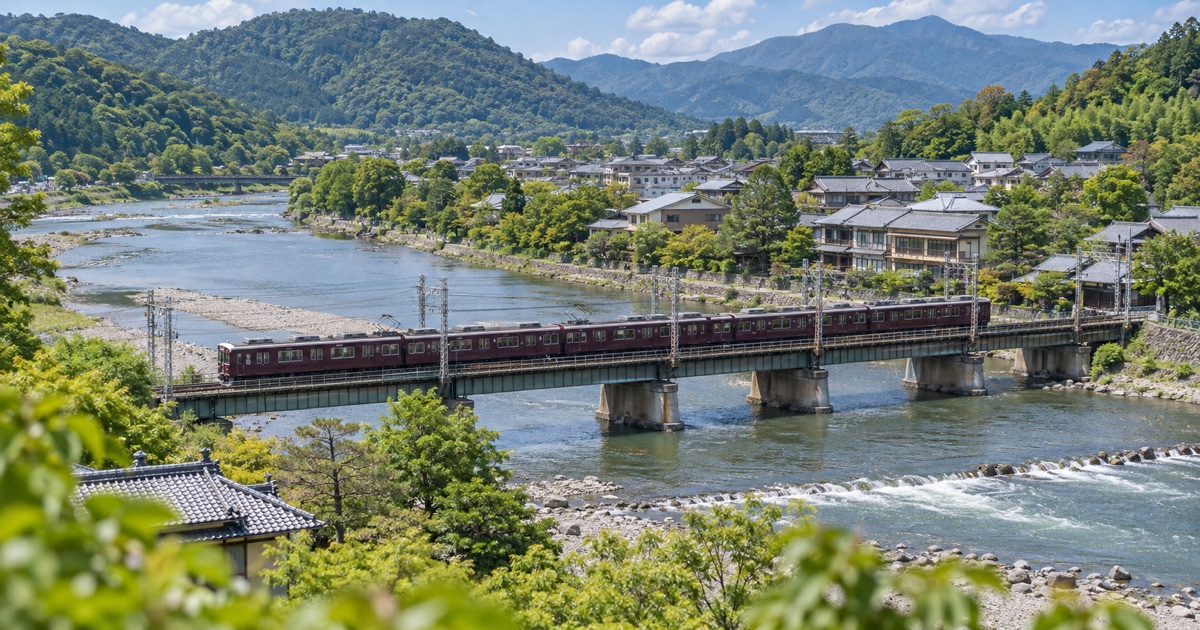
Himeji sits west of the Kansai metropolitan area, along the Seto Inland Sea coast. Trains run regularly from major hubs, operated primarily by JR West.
From Shin-Osaka Station (新大阪駅)
- By Shinkansen: The Sanyo Shinkansen (Nozomi, Sakura, Hikari, or Kodama trains) takes approximately 30 minutes to reach Himeji Station (姫路駅). This is the fastest and most seamless option, covered by national rail passes or regional JR West rail passes according to their specific terms.
- By JR Special Rapid Train (Shin-Kaisoku): Departing from Osaka Station (Umeda) or Shin-Osaka, these standard commuter-style trains require no seat reservation or express surcharge and reach Himeji in roughly 65 minutes.
From Kyoto Station (京都駅)
- By Shinkansen: Direct Tokaido-Sanyo Shinkansen trains travel from Kyoto to Himeji in roughly 45 to 55 minutes.
- By JR Special Rapid Train: Direct Special Rapid services connect Kyoto Station to Himeji in around 90 minutes.
Walking from Himeji Station to the Castle
From the North Exit of Himeji Station, the castle is visible in the distance at the end of Otemae-dori Avenue. The walk is flat, straight, and takes around 15 to 20 minutes. Alternatively, a local loop bus runs from the bus terminal in front of the station directly to the castle gates for a small coin fare.
Suggested Half-Day Itinerary
This sample half-day plan fits easily into a broader Kansai trip:
- 08:30 AM: Board the Shinkansen at Shin-Osaka or Kyoto Station.
- 09:15 AM: Arrive at Himeji Station; walk straight up Otemae-dori Avenue.
- 09:40 AM: Purchase a combined Castle and Koko-en ticket and enter the grounds.
- 10:00 AM – 11:30 AM: Explore the courtyards, climb the main keep, and see the Western Bailey.
- 11:30 AM – 12:30 PM: Walk through Koko-en Garden next door.
- 12:30 PM – 01:30 PM: Walk back toward the station along the Miyuki-dori shopping arcade; stop for local specialties such as Himeji oden (stewed skewers served with ginger soy sauce) or almond toast.
- 02:00 PM: Board your return train toward Osaka, Kyoto, or west toward Hiroshima.
Essential Practical Tips for Your Visit
- Check the Official Site for Seasonal Hours: Castle gates generally open around 09:00 AM and close in late afternoon (around 05:00 PM, with slightly extended hours in midsummer). Always check current opening times and admission fees beforehand on official tourism portals like the Japan National Tourism Organization or the official city guide.
- Use the Station Coin Lockers: Do not carry wheeled luggage or oversized backpacks into the castle keep. The staircases are steep, and large bags will bump against walls and other visitors. Large luggage lockers are plentiful inside Himeji Station and near the castle entrance gates.
- Wear Slip-on or Easy-to-Tie Shoes: You must untie or remove your shoes at the keep entrance while standing in a busy area, then carry them and put them back on when exiting. Slip-on shoes save considerable time.
- Carry Water in Warmer Months: The interior of the main keep has natural ventilation rather than modern air-conditioning. During the summer, stair-climbing in high humidity can be exhausting.
- Arrive Early: Reaching the gates at opening time allows you to walk through the keep before tourist coaches arrive, drastically cutting down your wait time on the upper staircases.
FAQ
- Q. How long does it take to walk through Himeji Castle?
- A. Touring the interior of the main keep and walking the inner baileys typically takes around 1.5 to 2 hours at a steady pace.
- Q. Is Himeji Castle worth a day trip from Kyoto or Osaka?
- A. Yes, direct Shinkansen bullet trains reach Himeji from Shin-Osaka in about 30 minutes and from Kyoto in about 45 to 55 minutes.
- Q. Can you wear shoes inside the main keep of Himeji Castle?
- A. No, outdoor shoes must be removed at the keep entrance and carried with you in a provided plastic bag.
Cite or share this article
Copy the link below. If you quote this article, please link to this page as the source.