Miyajima Day Trip Guide: Trains, Ferry, and Highlights
Key takeaways
- Reach Miyajima in about 2 hours from Osaka by Shinkansen, local JR train, and a short 10-minute ferry ride.
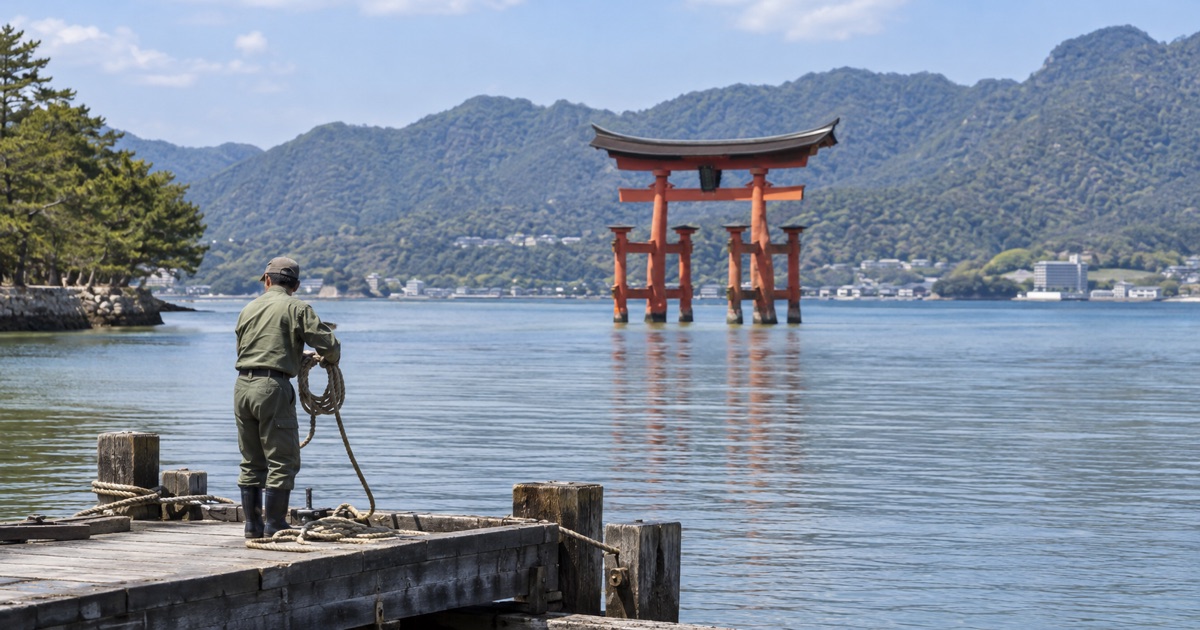
- See Itsukushima Shrine's floating torii gate at high tide and walk out to its base during low tide on the same day.
- Watch out for wild deer around the pier, which will snatch paper tickets, maps, and loose snacks from your hands.
A Miyajima day trip is one of the easiest and most rewarding side excursions you can take in western Japan, taking roughly two hours from Shin-Osaka Station or about 45 minutes from central Hiroshima. Famous for the "floating" red torii gate of Itsukushima Shrine (厳島神社), sacred Mount Misen (弥山), and roaming wild deer, the island offers a full day of history, nature, and seaside walking.
Because island travel requires coordinating trains, ferries, and changing ocean tides, planning your day with the right sequence in mind ensures a smooth, stress-free journey.
Starting Your Journey: Routes and Travel Times
Most travelers begin their Miyajima day trip from Hiroshima Station (広島駅), Shin-Osaka Station (新大阪駅), or Kyoto Station (京都駅).
From Shin-Osaka or Kyoto
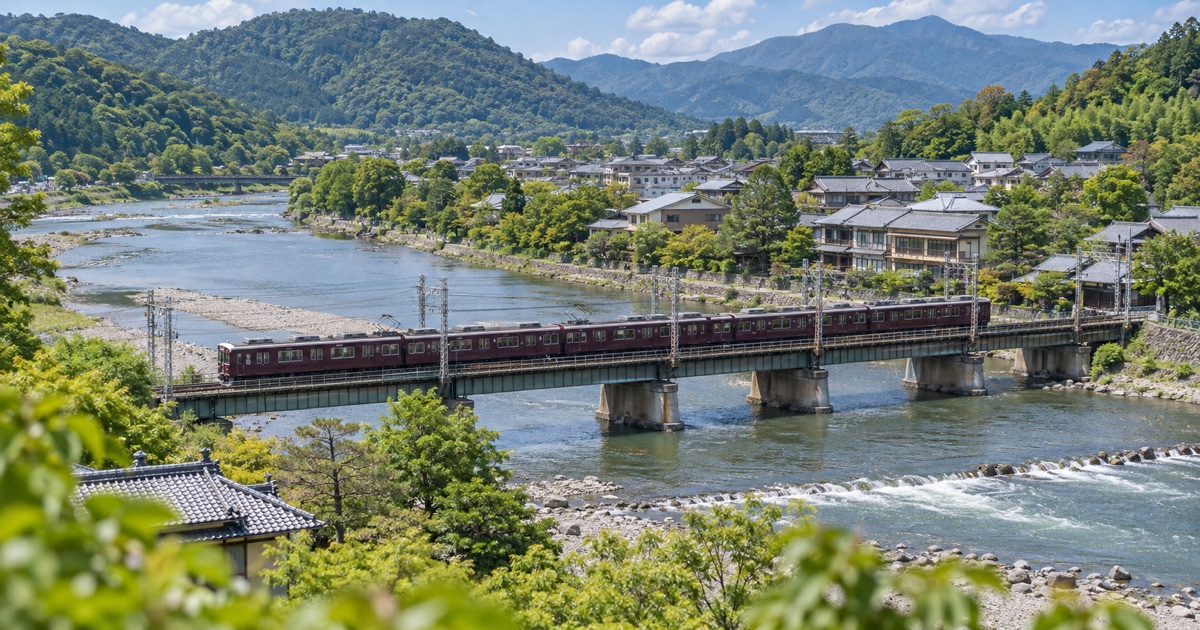
Board the Sanyo Shinkansen (San'yo Shinkansen) from Shin-Osaka to Hiroshima Station. Fast services such as the Nozomi or Mizuho take roughly 80 to 85 minutes, while the Sakura takes around 90 minutes. If starting at Kyoto Station, ride the Tokaido-Sanyo Shinkansen directly or take an express train to Shin-Osaka first; expect a total rail journey of about 100 to 110 minutes to Hiroshima.
From Hiroshima Station to the Ferry Pier
Once at Hiroshima Station, transfer to the local JR Sanyo Line (JR山陽本線) bound for Iwakuni (岩国) or Miyajimaguchi. Ride the train for about 28 to 30 minutes and disembark at Miyajimaguchi Station (宮島口駅).
After exiting the station, walk straight ahead down the underground pedestrian walkway and follow signs to the ferry terminals. The walk takes about five to six minutes.
Catching the Ferry to Miyajima
Two main ferry companies operate from the docks at Miyajimaguchi:
- JR West Miyajima Ferry (JR西日本宮島フェリー): If you use a nationwide Japan Rail Pass or select regional passes, this ferry is generally covered (though a small local tourist visitor tax of roughly 100 yen is charged at ticket purchase or gate entry). On sailings departing Miyajimaguchi between roughly 9:00 and 16:00, JR ferries steer closer to the great torii gate for scenic water-level views.
- Miyajima Matsudai Kisen (宮島松大汽船): Runs frequent departures on an adjacent dock. Useful if you purchase regional city tourist passes like the Visit Hiroshima Tourist Pass.
Both ferries take roughly 10 minutes to cross the Seto Inland Sea to Miyajima Pier. Departures run every 10 to 15 minutes for most of the daylight hours. Always confirm current operation details and any seasonal service changes through JR West before your morning departure.
Understanding the Tides: Floating vs. Walking
The visual highlight of Miyajima is the giant camphor-wood O-Torii gate standing inside the tidal flats of Itsukushima Shrine. How the gate appears depends entirely on the ocean tide:
- High Tide (Roughly 250 cm or higher): Water fills the bay, lapping beneath the wooden boardwalks of Itsukushima Shrine and submerging the base of the torii gate. This creates the iconic "floating" illusion.
- Low Tide (Roughly 100 cm or lower): The seawater recedes completely from the inner inlet, exposing wet sand and gravel. Visitors can step down from the stone seawall and walk directly to the massive pillars of the gate.
To experience both views during a single day trip, look up the daily tide predictions on local tourism portals or through the Japan National Tourism Organization before finalizing your schedule. Aim to arrive at high tide for classic photography, spend the midday hours exploring the town or hiking Mount Misen, and return to the beach at low tide before boarding your evening ferry back.
We are working to carry Japanese craft and everyday culture beyond Japan, by building Japan Towns with local partners.
Read the Japan Town plan →Morning: Itsukushima Shrine and Daisho-in
Start your morning early, aiming to arrive on the island by 8:30 or 9:00. This lets you explore the historic core before the largest crowds arrive by midday.
Itsukushima Shrine
From the ferry terminal, take the seaside promenade to the entrance of Itsukushima Shrine. Founded in the 6th century and rebuilt in its present vermilion boardwalk layout in the 12th century under the warlord Taira no Kiyomori, this UNESCO World Heritage site is engineered entirely on piers over the water to avoid treading on the island’s holy soil.
Follow the one-way wooden walkway through the Main Hall (Honden), Prayer Hall (Haiden), and across the open-air stage (Noh stage). Admission is typically around 300 to 400 yen for adults. During morning high tides, walking across the planks with the sea swirling below is an unforgettable experience.
Daisho-in Temple (大聖院)
Leaving Itsukushima Shrine, head inland along the hillside for about ten minutes to reach Daisho-in, one of the most prominent temples of Shingon Buddhism in the region. Nestled quietly along the forested slopes of Mount Misen, this complex features:
- A staircase lined with spinning metal prayer wheels bearing Buddhist scriptures.
- Hundreds of small stone statues of the Buddha's disciples (Rakan), each wearing unique knitted hats.
- The Maniden hall, cave shrines illuminated by hanging brass lanterns, and tranquil moss gardens.
Daisho-in tends to be much quieter than the shrine near the beach and offers an atmospheric counterpoint to the busy shorefront.
Midday: Mount Misen Summit
Mount Misen is the highest peak on Miyajima, rising about 535 meters (around 1,755 feet) above sea level. The mountain has long been revered as a holy sanctuary, where Buddhist monk Kobo Daishi (Kukai) is said to have meditated.
Taking the Miyajima Ropeway
To save time on a single-day itinerary, use the Miyajima Ropeway (宮島ロープウエー).
- Walk from Daisho-in or the town center to Momijidani Park (紅葉谷公園). A free small shuttle bus runs periodically between the park entrance and the lower ropeway station, or you can walk up the paved path in about 15 minutes.
- The ropeway operates in two distinct stages: first, a continuous small gondola system to Kayatani Station, followed by a transfer into a larger cable car carrying you up to Shishiiwa Station (獅子岩駅).
- The round-trip ropeway fare is roughly 2,000 yen for adults. Hours vary by season, and operations cease during high winds or scheduled maintenance, so verify availability in advance.
Reaching the True Summit
Shishiiwa Station features an observation deck with sweeping views across the dotted islands of the Seto Inland Sea. However, the true summit of Mount Misen lies an estimated 30-minute uphill hike beyond the upper ropeway station along an uneven dirt and stone mountain trail.
Along the trail to the summit, you will pass:
- Reikado (Hall of the Spiritual Flame): Houses a sacred flame that is said to have burned continuously for over 1,200 years. Water boiled over this flame is considered holy.
- Misen Hondo (Main Hall): Located directly opposite Reikado.
- Misen Summit Observatory: A multi-story rest station perched on the crest of the mountain, surrounded by massive weathered granite boulders.
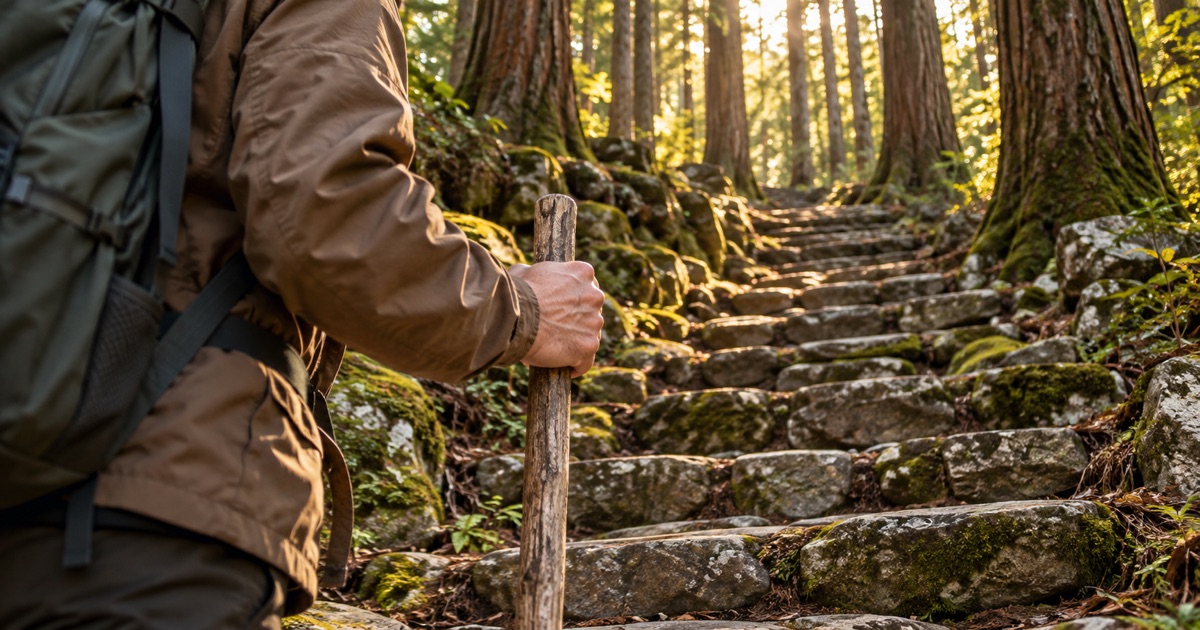
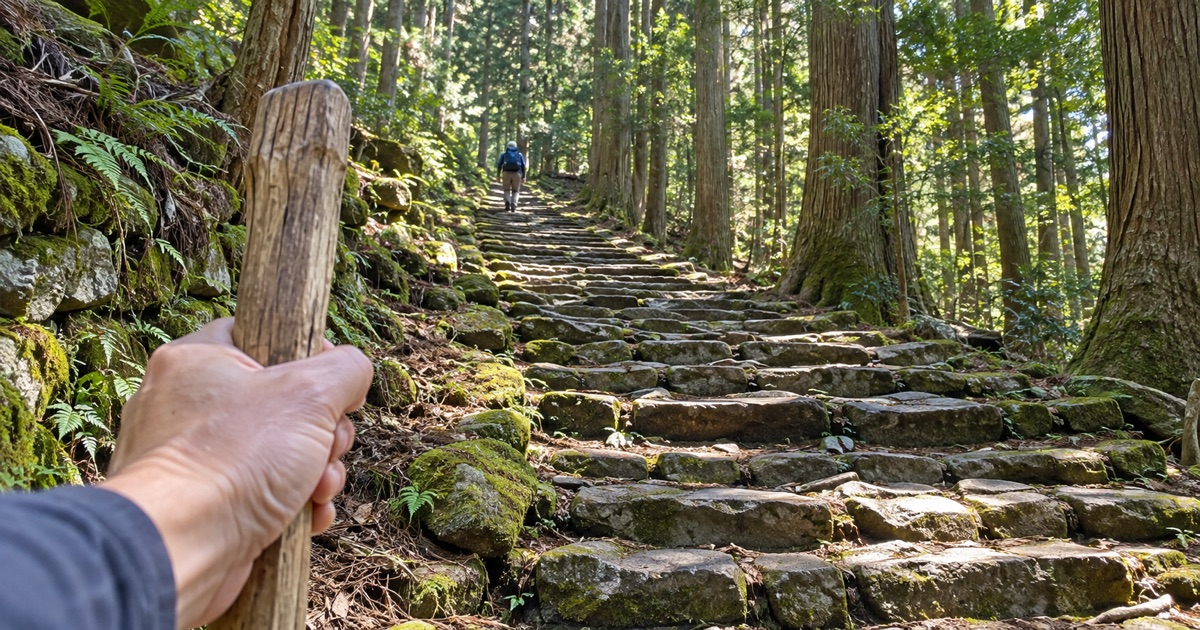
Hiking Advice: Wear sturdy athletic shoes or hiking boots. The trail between Shishiiwa Station and the summit involves steep stone stairs, exposed roots, and variable footing. If you prefer to hike the mountain entirely on foot without the ropeway, three marked trails (Daisho-in Course, Momijidani Course, and Omoto Course) climb the mountain, each taking roughly 90 to 120 minutes one way.
Afternoon: Omotesando Street and Local Flavors
After riding the ropeway down to Momijidani Park, spend your mid-to-late afternoon strolling through the Omotesando Shopping Street (表参道商店街) and nearby Machiya Street.
Miyajima has distinct culinary specialties:
- Grilled and Fried Oysters (Kaki): Hiroshima produces much of Japan's fresh oysters. Street vendors throughout the village grill them in their shells over hot charcoal or serve them breaded and fried on skewers.
- Momiji Manju: These maple leaf-shaped sponge cakes were invented on Miyajima. Traditional versions are filled with sweet red bean paste (anko), but shops now fill them with custard, chocolate, green tea, or cream cheese. Sample "Age-Momiji"—deep-fried momiji manju served warm on a wooden skewer.
- Anago Meshi (Saltwater Eel Rice): Grilled conger eel basted in a savory-sweet soy glaze served over seasoned rice. It is commonly served in wooden bento boxes or traditional sit-down dining rooms throughout town.
Before leaving the shopping streets, look for traditional handcrafted wooden rice scoops (shamoji), the island's signature artisanal souvenir.
Practical Advice and Common Mistakes
- Watch the Wild Deer: The wild sika deer roaming the town and beaches are habituated to humans. Unlike the deer in Nara, feeding the deer on Miyajima is strictly prohibited by local regulations to protect their health. Keep rail tickets, ferry boarding passes, maps, and loose plastic bags zipped safely inside your daypack; deer will casually snatch paper right out of your fingers.
- Mind the Last Ropeway and Ferries: The Miyajima Ropeway typically closes its downward run in the late afternoon (often around 16:30 to 17:00, depending on the season). If you miss the final descent, you face an unplanned two-hour downhill mountain walk through dense forest at dusk. Ferries run much later into the evening, but always check departure boards for return trains back to Osaka or Kyoto.
- Carry Cash: While modern souvenir shops and the ferry terminal accept major credit cards and transit IC cards (such as ICOCA or Suica), smaller food stalls, drink machines, and temple coin offerings require cash.
- Trash Disposal: Trash cans are virtually non-existent in public areas around the island to prevent wild animals from ingesting litter. Bring a small plastic bag in your pack to carry your garbage back to the mainland or return empty skewers to the exact street stall where you purchased food.
A well-timed day trip lets you experience Itsukushima's timeless seaside architecture, peaceful hillside temples, and expansive mountain vistas before taking an easy train ride back to the mainland for dinner.
FAQ
- Q. Can you do a day trip to Miyajima from Osaka or Kyoto?
- A. Yes. High-speed Sanyo Shinkansen trains connect Shin-Osaka or Kyoto to Hiroshima in roughly 85 to 100 minutes, followed by a short local train and ferry ride.
- Q. How do you check the tides for the floating torii gate?
- A. Check official online tide tables for Itsukushima Shrine before your visit, as high tide makes the gate appear to float while low tide allows you to walk up to it.
- Q. Is the JR West ferry to Miyajima covered by the Japan Rail Pass?
- A. The standard JR Pass and several JR West regional passes cover the JR West Miyajima Ferry, though a small local tourist tax (around 100 yen) is typically billed separately.
Cite or share this article
Copy the link below. If you quote this article, please link to this page as the source.