Koyasan Day Trip: Complete Guide from Osaka and Kyoto
Key takeaways
- Koyasan is reachable as a long but doable day trip from Osaka (around 2 hours each way) or Kyoto (around 2.5-3 hours).
- The Nankai Koya Line from Namba plus a short cable car ride is the standard independent route; a bus pass on the mountain helps you see more.
- Okunoin cemetery and Kongobuji Temple are the two unmissable sights if you only have a few hours on the mountain.
Koyasan Day Trip: Is It Possible and How Long Does It Take?
Yes, Koyasan (高野山) can be visited as a day trip from either Osaka or Kyoto, though it makes for a long and fairly packed day. From Osaka's Namba Station, expect around 2 hours each way by train and cable car; from Kyoto, plan for roughly 2.5 to 3 hours each way once you factor in the transfer in Osaka. Because so much of the day goes into travel, an early start is essential if you want unhurried time among the temples and the famous Okunoin cemetery.
Koyasan is a mountaintop temple town in Wakayama Prefecture, founded in the early 9th century as the center of Shingon Buddhism. It's not a single temple but an entire settlement of temples, cemeteries, and monastic lodgings spread across a forested plateau. Many visitors choose to stay overnight in a temple lodging (shukubo) to experience it properly, but a well-planned day trip from Osaka or Kyoto is a realistic option for travelers with limited time.
Who This Trip Suits
This is a good fit for travelers interested in Buddhist culture, forest cemeteries, and a quieter, more contemplative alternative to Japan's busier temple circuits. It involves more walking and more total travel time than many other day trips from Osaka or Kyoto, so it suits people comfortable with a long day rather than those wanting a relaxed outing.
Getting to Koyasan from Osaka
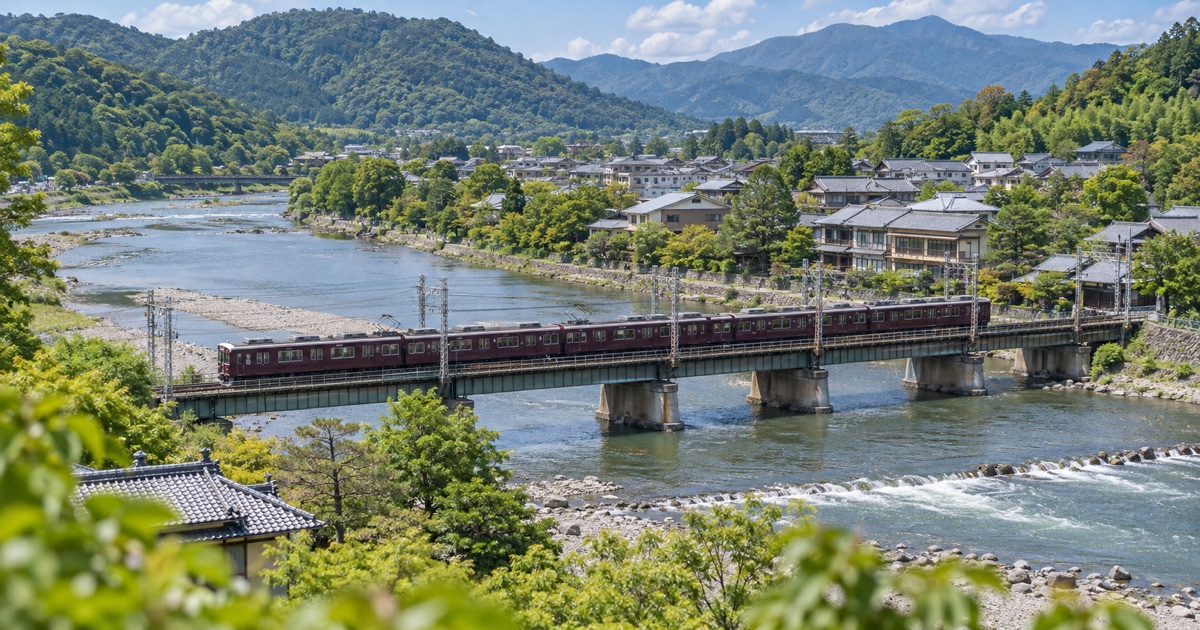
The standard independent route starts at Namba Station (難波駅) in Osaka, using the Nankai Electric Railway's Koya Line (南海高野線).
- From Namba, take a Nankai Koya Line limited express or rapid express train toward Gokurakubashi (極楽橋). Limited express trains require a seat reservation and an additional fee but are faster and more comfortable; local and rapid express trains are cheaper but slower.
- At Gokurakubashi Station, the line ends and you transfer directly to the Koyasan cable car (a funicular railway), which climbs steeply up the mountainside in just a few minutes.
- At the top, Koyasan Station, you'll need to take a local bus into the town center, since the temples and cemetery are spread out and not within easy walking distance of the station.
Total journey time from Namba is typically around 2 hours, depending on which train you catch. Nankai Railway sells combination tickets that bundle the train, cable car, and local bus into one discounted pass — check the Nankai Railway information or your accommodation for current options, as prices and ticket names can change.
We are working to carry Japanese craft and everyday culture beyond Japan, by building Japan Towns with local partners.
Read the Japan Town plan →Getting to Koyasan from Kyoto
There is no direct line from Kyoto, so the usual approach is to travel into Osaka first and join the Nankai Koya Line from there.
- From Kyoto Station, take a JR line or the Hankyu/Keihan network toward Osaka, then transfer to Namba Station (the exact route depends on which line you take; some travelers find it simplest to go via Shin-Osaka or Osaka Station and then across to Namba by subway).
- From Namba, follow the same Nankai Koya Line and cable car route described above.
Because of this extra transfer, total one-way travel time from Kyoto is usually in the range of 2.5 to 3 hours. Given this, a Koyasan day trip from Kyoto demands a genuinely early departure — aim to leave Kyoto Station by the early morning if you want several hours on the mountain. Travelers based in Kyoto who want more breathing room sometimes prefer to treat Koyasan as an overnight trip instead.
Getting Around Koyasan Itself
Once on the mountain, a local bus network run by Nankai Rinkan Bus connects the station, the main temple area, and Okunoin. Many visitors buy a one-day bus pass locally, which is worth it if you plan to visit sights at both ends of the town, since walking between them takes considerable time.
Koyasan's layout is roughly linear, stretched along a ridge, with Okunoin at one end and the Danjo Garan temple complex and Kongobuji Temple closer to the center. A comfortable day itinerary usually alternates between short bus rides and walking within each area.
What to See on a Koyasan Day Trip
Okunoin (奥の院)
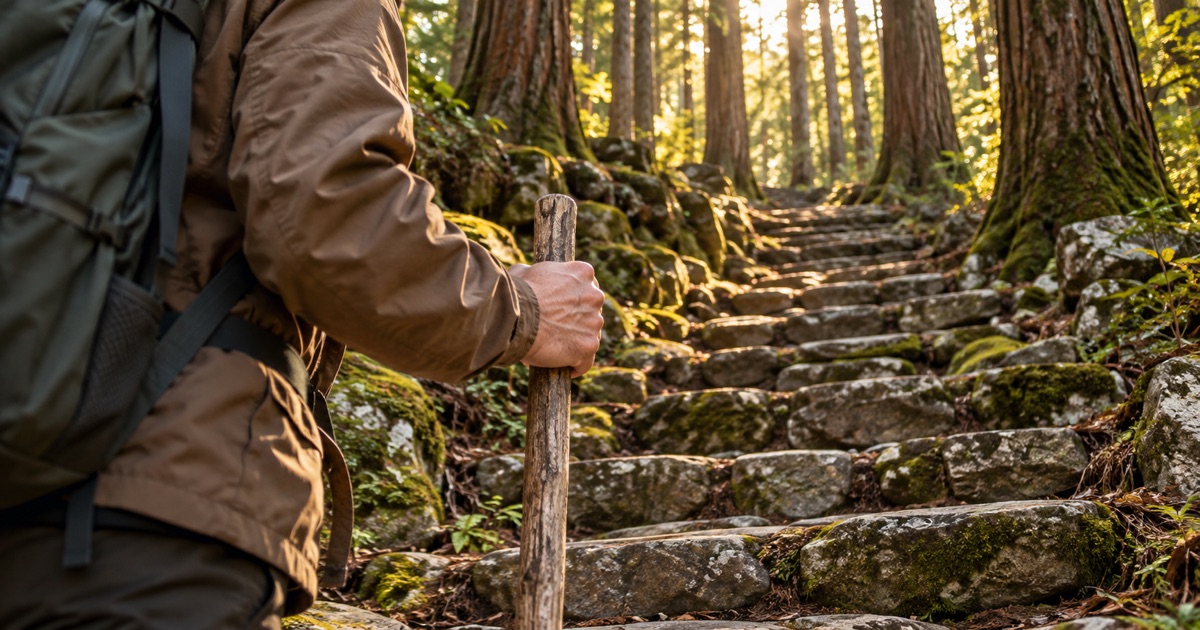
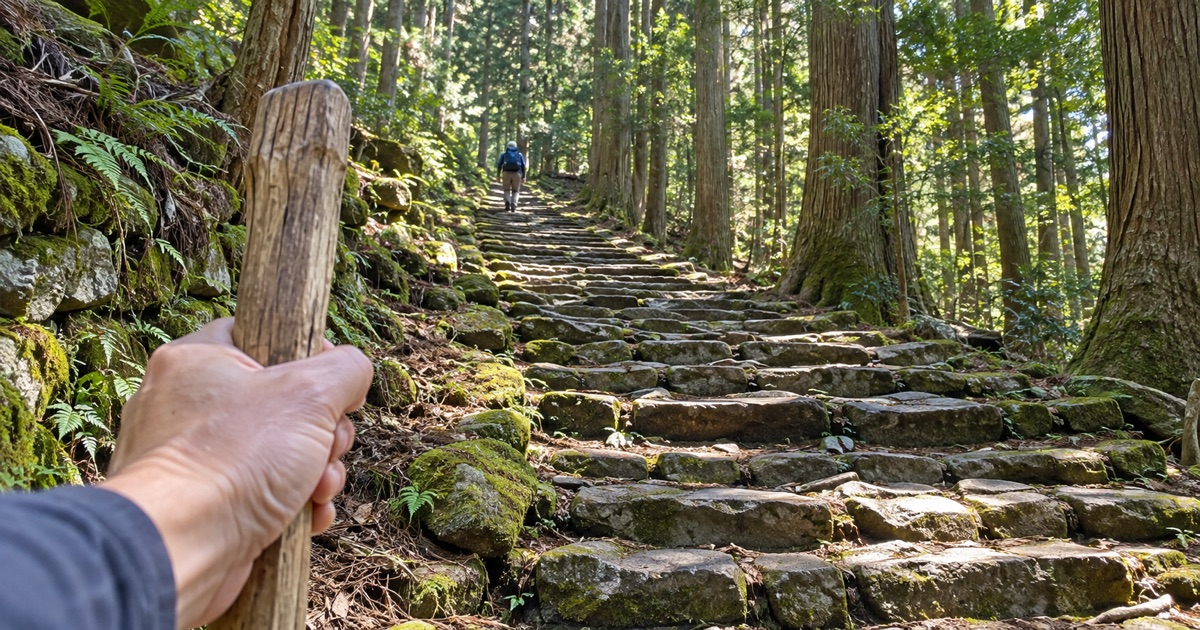
Okunoin is Koyasan's most atmospheric site: a vast forest cemetery containing over 200,000 moss-covered gravestones and memorial monuments, leading to the mausoleum of Kobo Daishi, the monk who founded Shingon Buddhism here. The walk from the entrance to the inner sanctum takes roughly 30 to 45 minutes at an unhurried pace, longer if you stop often. Tall cedar trees and stone lanterns line the path, and the atmosphere is noticeably different depending on time of day — early morning and dusk are considered especially evocative, though a midday visit is still worthwhile on a day trip.
Kongobuji Temple (金剛峯寺)
Kongobuji is the head temple of Shingon Buddhism and worth visiting for its painted sliding doors (fusuma) and one of Japan's largest rock gardens. Entry usually includes access to several rooms and a rest area where tea is sometimes offered.
Danjo Garan (壇上伽藍)
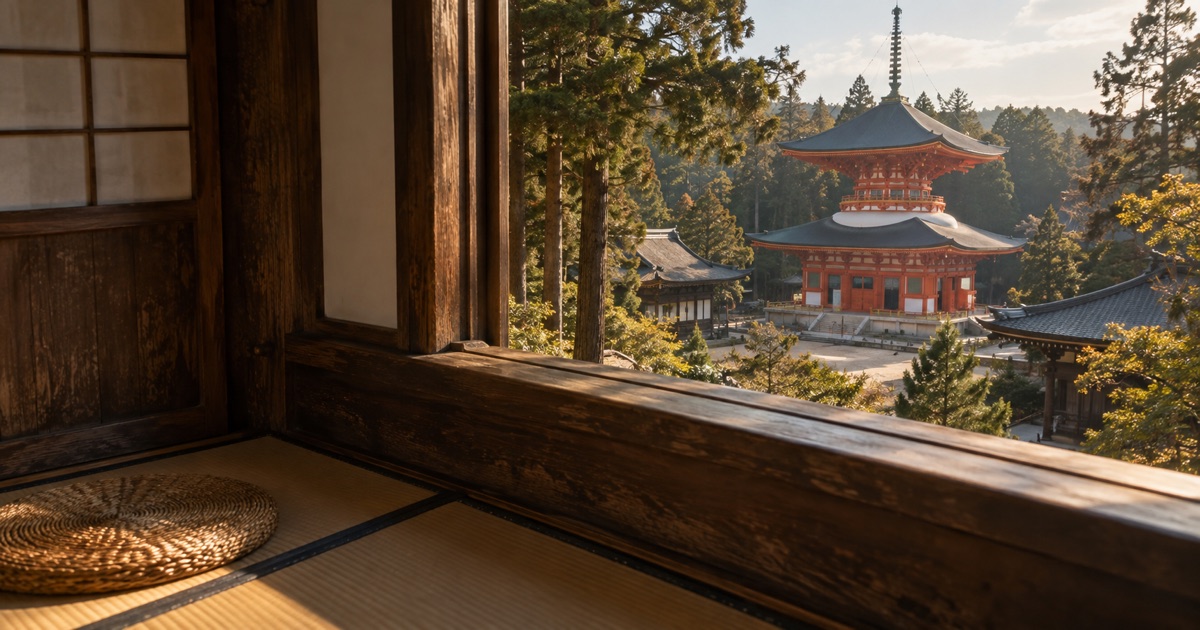
This temple complex, within walking distance of Kongobuji, includes the striking vermilion Konpon Daito pagoda and several other halls. It's a reasonable stop between Kongobuji and lunch or the bus back toward Okunoin.
Sample Day Trip Timing
A rough framework, assuming an early departure from Osaka:
- Morning: travel to Koyasan, arriving by late morning.
- Midday: visit Kongobuji and Danjo Garan, then have lunch in the town (shojin ryori, traditional Buddhist vegetarian cuisine, is a local specialty worth looking for).
- Afternoon: walk through Okunoin before heading back toward the station.
- Evening: return journey to Osaka or Kyoto.
Exact timing will depend on your train connections, so it's worth checking current schedules shortly before your trip.
What to Bring and Common Mistakes
- Wear comfortable walking shoes. Okunoin alone involves a long walk on uneven stone paths, and Koyasan's temple area requires additional walking between bus stops.
- Bring cash. Smaller temples and shops on the mountain may not accept cards.
- Check the weather and season. Koyasan sits at a higher elevation than Osaka or Kyoto and is noticeably cooler, especially in autumn, winter, and early spring — bring an extra layer even if it's warm in the city.
- Don't underestimate transfer times. The most common mistake is cutting the Osaka-to-Koyasan journey too close, then arriving with limited daylight left for Okunoin. Build in buffer time for the cable car and bus connections.
- Confirm the last train back. Because Koyasan is remote, missing the last Nankai Koya Line connection back to Namba means being stranded; check return times as soon as you arrive on the mountain.
For current train schedules, ticket pricing, and any seasonal service changes, check the Japan National Tourism Organization site or the relevant railway operator's website before finalizing your plans, as details can change without notice.
FAQ
- Q. Can Koyasan be done as a day trip from Osaka?
- A. Yes. Using the Nankai Koya Line from Namba Station, the one-way journey takes roughly 2 hours including the cable car, making a day trip realistic if you leave early.
- Q. Is it better to stay overnight at a temple lodging instead?
- A. An overnight stay at a shukubo lets you see Okunoin in the early morning and evening, which many visitors find more atmospheric, but it is not required to enjoy Koyasan.
- Q. Do I need a special pass to get to Koyasan?
- A. Nankai Railway sells discount tickets covering the train, cable car, and local bus; check the Nankai Railway website for current options before you travel.
Cite or share this article
Copy the link below. If you quote this article, please link to this page as the source.