Koyasan Itinerary: A Complete 1 or 2-Day Plan from Osaka
Key takeaways
- A one-day Koyasan trip from Osaka's Namba Station takes roughly 2 to 2.5 hours each way including the cable car.
- An overnight stay at a temple lodging (shukubo) is the best way to experience Okunoin cemetery at dusk and a morning prayer service.
- The Nankai Koyasan ticket combines train, cable car, and local bus travel, and can save money versus buying each leg separately.
Koyasan Itinerary: How to Plan Your Visit
A one-day Koyasan itinerary from Osaka is entirely doable if you start early, using the Nankai Electric Railway line from Namba Station followed by the Koyasan cable car and a short bus ride. For a deeper experience, an overnight stay at a temple lodging on the mountain lets you see the Okunoin cemetery lit by lanterns after dark and join a morning prayer service before the day-trippers arrive.
Koyasan (高野山), a mountaintop temple town in Wakayama Prefecture, is the center of Shingon Buddhism and a UNESCO World Heritage site. It's often visited as a day trip from Osaka or Kyoto, but it rewards an overnight stay if your schedule allows it.
Getting to Koyasan
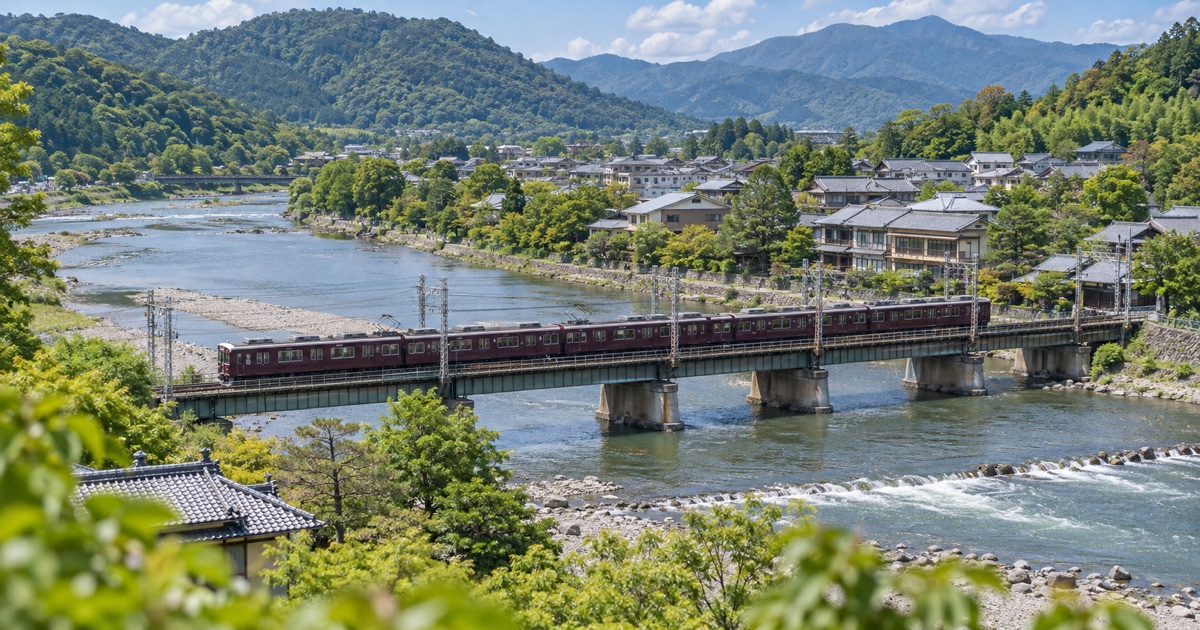
The standard route starts at Namba Station (難波駅) in Osaka, where you take the Nankai Koya Line toward Gokurakubashi (極楽橋). Some trains run direct, while others require a change partway, so check the platform signage or ask station staff if unsure. The ride takes roughly 80 to 100 minutes depending on the train type, with limited-express services being faster and more comfortable but requiring an additional reserved-seat fee.
At Gokurakubashi Station, you transfer to the Koyasan cable car (a funicular railway), which climbs steeply to Koyasan Station in about 5 minutes. From there, almost all visitors take a local bus into the town itself, since the temples and cemetery are spread out and walking the full distance isn't realistic with limited time.
From Kyoto, the easiest approach is to travel to Osaka's Namba Station first (via subway or JR, depending on your starting point in Kyoto) and then follow the same Nankai route. Total travel time from central Kyoto to Koyasan is often around 3 hours one-way, so an early departure matters.
Nankai sells a combined Koyasan World Heritage Ticket (sometimes called the Nankai Koyasan ticket) that bundles the round-trip train fare from Namba, the cable car, and unlimited rides on the local Koyasan bus network for a set period. This can work out cheaper than buying each segment separately, and it saves time at ticket machines. Details, current pricing, and any seasonal changes are best checked on the Japan National Tourism Organization site or directly through Nankai's own information before you travel.
A Realistic One-Day Plan
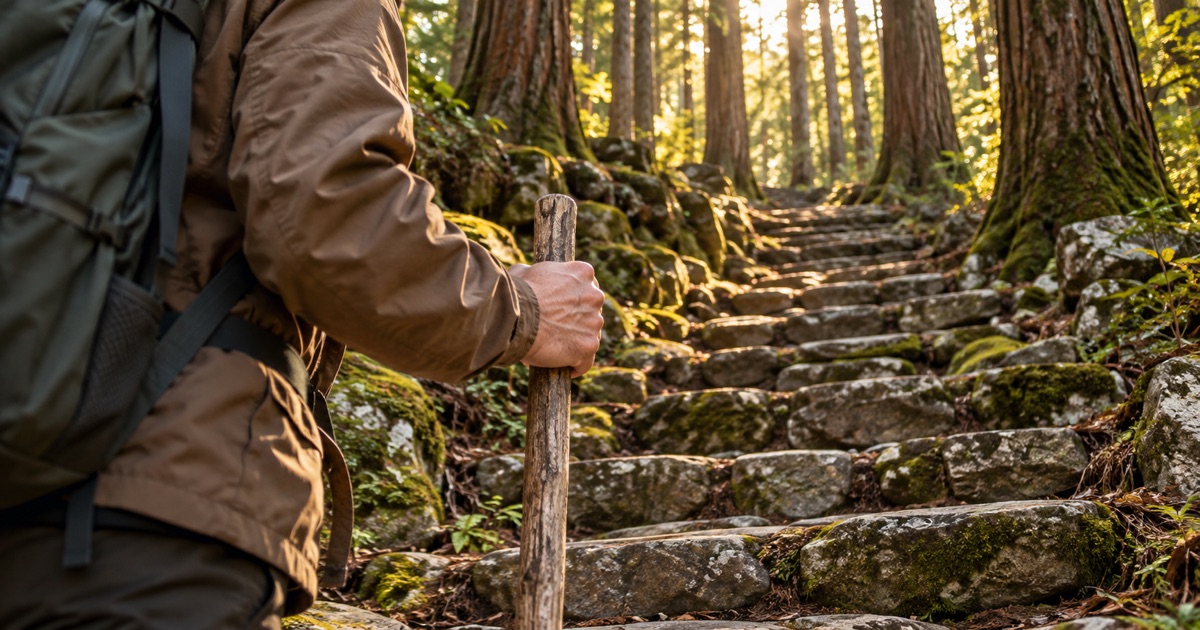
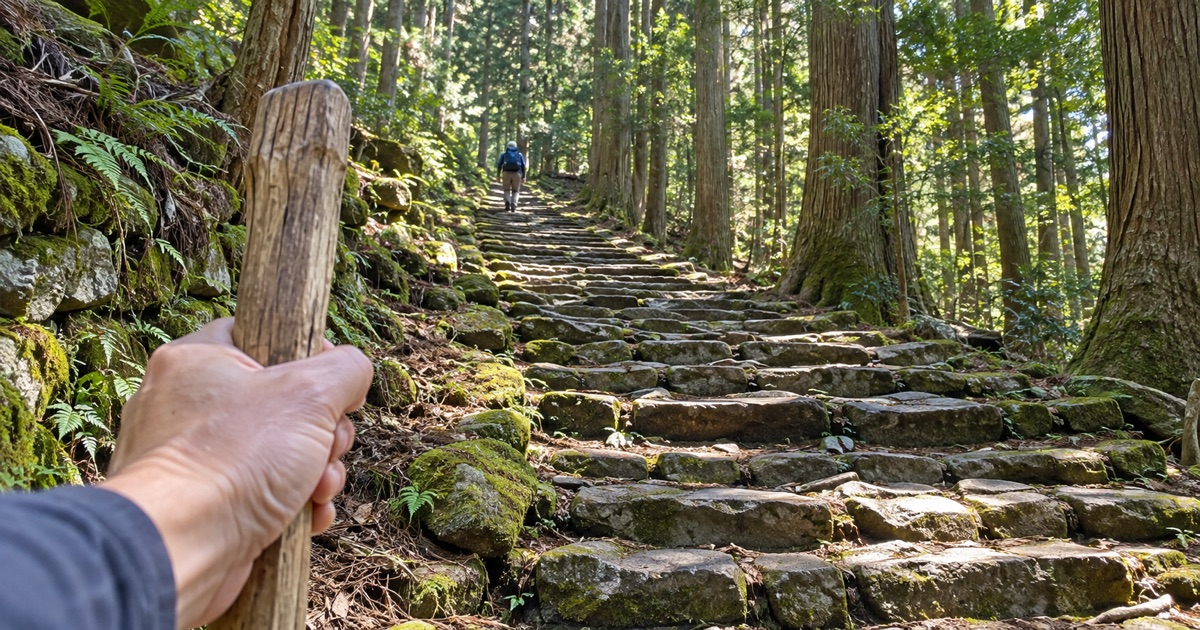
Morning: Catch an early Nankai train from Namba, ideally before 8:00, to leave enough daylight for sightseeing. After the cable car and bus, head first to Okunoin (奥之院), Japan's largest cemetery and the site of Kobo Daishi's mausoleum. The walk from the Ichinohashi bridge entrance through the cedar-lined cemetery to the inner sanctuary takes about 40 to 50 minutes at a relaxed pace, longer if you stop to look at the moss-covered gravestones and monuments along the way.
Midday: Take the bus or walk back toward the town center for lunch. Koyasan is known for shojin ryori, the vegetarian cuisine developed in Buddhist temple kitchens, and many restaurants and temple dining halls serve set meals featuring tofu, vegetables, and sesame-based dishes. Exact restaurant names and hours vary and should be checked locally, since options are limited and some close mid-afternoon.
Afternoon: Visit the Danjo Garan (壇上伽藍) temple complex, the religious heart of Koyasan, home to the large vermilion Konpon Daito pagoda and several other halls. Afterward, Kongobuji (金剛峯寺), the head temple of Shingon Buddhism, is a short walk away and has notable rock gardens and painted sliding doors inside.
Evening: If doing this as a day trip, aim to catch a bus back to the cable car station in the late afternoon, leaving buffer time before your return train, since bus schedules on the mountain are less frequent than in a city.
Why Consider Staying Overnight
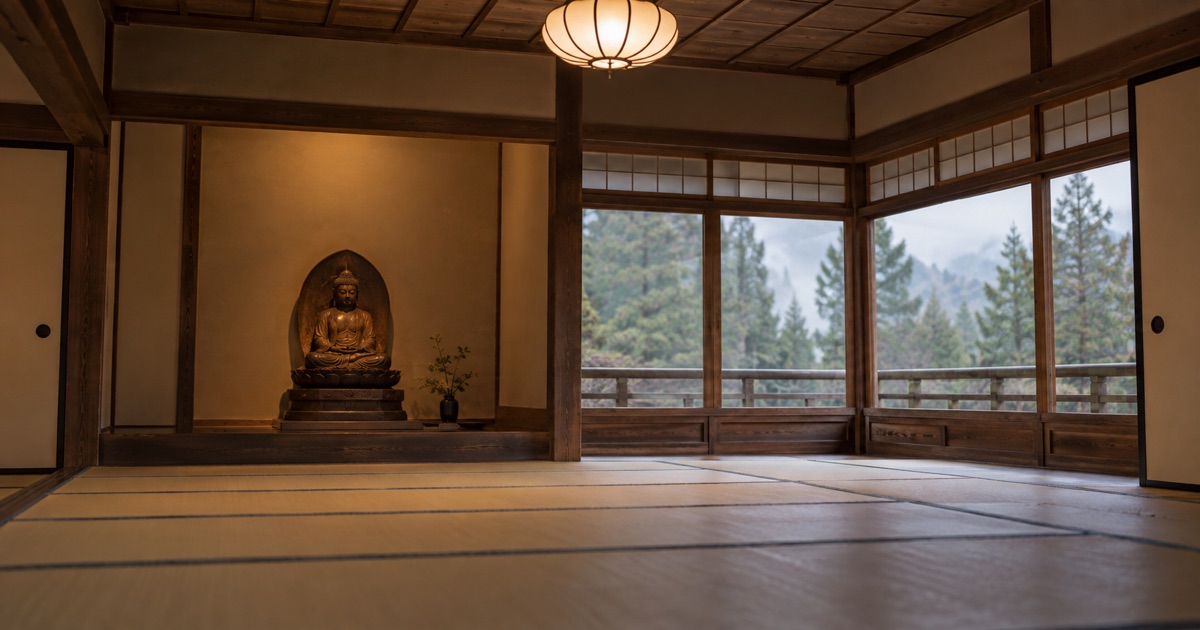
Okunoin changes character completely after sunset, when stone lanterns light the path and the crowds thin out considerably. Several temples on Koyasan offer shukubo (temple lodging), where guests sleep in simple tatami rooms, eat shojin ryori for dinner and breakfast, and have the option to join the morning goma fire ritual or sutra-chanting session. This is arguably the main reason many travelers choose to stay rather than rush through as a day trip.
Reservations for temple lodging should be made well in advance, particularly during the autumn foliage season (roughly November) and around Japanese holidays, since rooms are limited and popular temples book out early. Check availability and booking conditions directly, as policies on cancellation, meals, and bath facilities vary by temple.
What to Bring and Common Mistakes
- Cash: Some temples, shops, and smaller restaurants on Koyasan may not accept cards, so carry enough yen for entry fees, meals, and souvenirs.
- Comfortable shoes: The Okunoin walk and temple grounds involve a fair amount of walking on uneven stone paths.
- Layers: Koyasan sits at roughly 800 meters elevation, so it's noticeably cooler than Osaka or Kyoto, especially in the morning and evening — bring a jacket even in warmer months.
- Don't skip the bus: A common mistake is assuming you can comfortably walk between all the main sites; while central Koyasan is walkable, reaching Okunoin's inner sanctuary and back on foot from the cable car station adds significant time, so use the local bus for at least part of the route.
- Check train connections both ways: Not all Nankai trains run the full route without a change, and the last cable car and bus down the mountain run earlier than you might expect, so confirm return times before you commit to a full day of sightseeing.
- Photography etiquette: Okunoin is an active cemetery and place of worship, so photograph respectfully and avoid photographing people at prayer without permission.
Planning Your Trip
For official travel information, rail pass details, and updates on seasonal closures or weather disruptions, the Japan National Tourism Organization website is a reliable starting point before you finalize your Koyasan itinerary. Because opening hours, ticket prices, and bus timetables can change, it's worth a final check close to your travel date rather than relying solely on older guidebooks or articles.
Whether you choose a single packed day or an overnight stay, Koyasan offers a genuinely different atmosphere from the temples of Kyoto or Nara — quieter, higher in elevation, and shaped by centuries of pilgrimage rather than tourism alone.
FAQ
- Q. Can Koyasan be done as a day trip from Osaka?
- A. Yes. With an early start from Namba Station, most visitors can see Okunoin, Kongobuji, and the Danjo Garan complex in a single day, though an overnight stay allows a more relaxed pace and the chance to see Okunoin after dark.
- Q. Do I need a reservation to stay overnight at a temple lodging?
- A. Yes, reservations are strongly recommended, especially in autumn foliage season and around major holidays, since many shukubo have limited rooms and fill up weeks in advance.
- Q. Is Koyasan cold or hard to reach in winter?
- A. Koyasan sits at a high elevation and can be noticeably colder than Osaka or Kyoto, with occasional snow; trains and the cable car usually keep running, but warm clothing and checking the latest weather and service updates beforehand are recommended.
Cite or share this article
Copy the link below. If you quote this article, please link to this page as the source.