Kumano Kodo Itinerary 4 Days: The Classic Nakahechi Route
Key takeaways
- A 4-day trek along the Nakahechi route connects Takijiri-oji, Hongu Taisha, Nachi Falls, and coastal Kii-Katsuura.
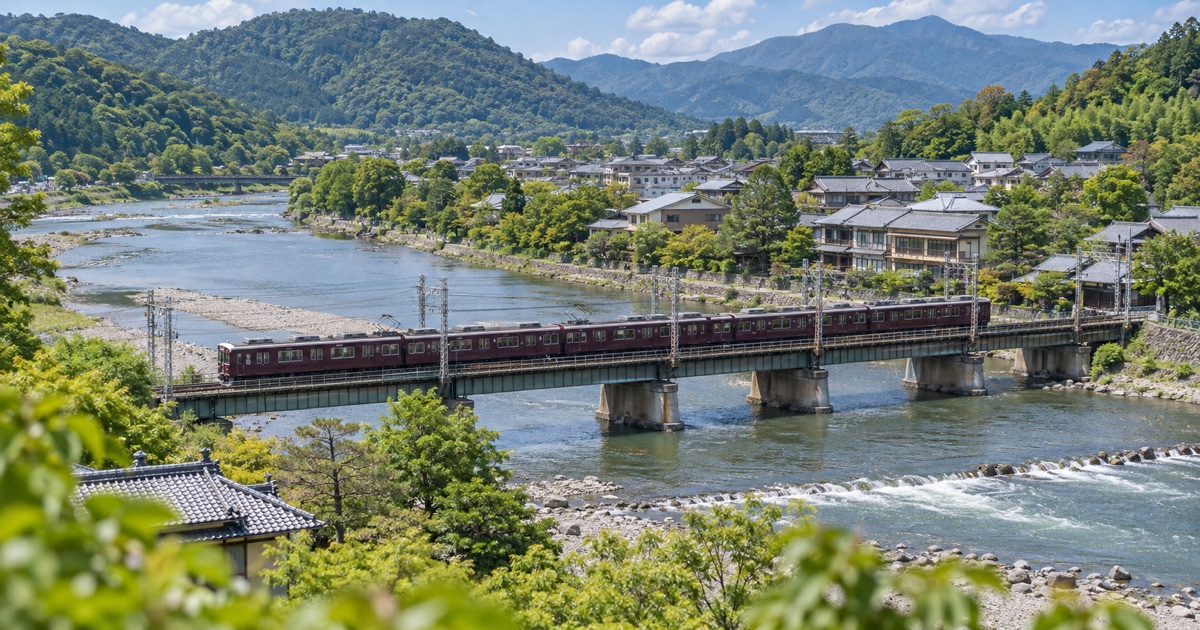
- Direct JR limited express trains run from Shin-Osaka and Kyoto to Kii-Tanabe Station, the trailhead gateway.
- Accommodations along mountain sections are limited and should be booked several months ahead of your trip.
A classic 4-day Kumano Kodo itinerary follows the ancient Nakahechi route (中辺路), starting from Kii-Tanabe and concluding at the coastal town of Kii-Katsuura. This self-guided walking journey links the three sacred Grand Shrines of Kumano—Kumano Hongu Taisha, Kumano Hayatama Taisha, and Kumano Nachi Taisha—via moss-lined forest paths and quiet mountain hamlets.
This itinerary is designed for independent travelers starting from major rail hubs in Kansai, primarily Shin-Osaka Station (新大阪駅) or Kyoto Station (京都駅).
Route Overview and Travel Times
The Nakahechi path is the most accessible Kumano Kodo route for overseas visitors. Trails are well-marked with wooden signposts and numbered emergency markers, making navigation straightforward even without Japanese reading skills.
- Day 1: Train from Shin-Osaka or Kyoto to Kii-Tanabe, local bus to Takijiri-oji (滝尻王子), hike to Takahara (高原) or Chikatsuyu (近露). Walking time: roughly 2.5 to 6 hours depending on where you stay.
- Day 2: Hike from Chikatsuyu across mountain passes to Kumano Hongu Taisha (熊野本宮大社), stay in Yunomine Onsen (湯の峰温泉). Walking time: around 6 to 7 hours.
- Day 3: Local bus or traditional boat to Shingu for Kumano Hayatama Taisha (熊野速玉大社), train to Kii-Katsuura (紀伊勝浦). Rest half-day or easy walks.
- Day 4: Bus to Daimon-zaka (大門坂), climb cobblestones to Kumano Nachi Taisha (熊野那智大社) and Nachi Falls (那智の滝), return train to Osaka or Kyoto. Walking time: roughly 2 to 3 hours.
Transport schedules and regional rail passes can be checked via JR West. For comprehensive route maps and seasonal hiking safety notices, visit the Japan National Tourism Organization.
Day 1: Gateway to the Sacred Forests
Morning: Rail Transit to Kii-Tanabe
Board the JR Kuroshio Limited Express from Shin-Osaka Station (around 2 hours 15 minutes) or Kyoto Station (around 2 hours 45 minutes) down the coast to Kii-Tanabe Station (紀伊田辺駅). Outside Kii-Tanabe Station, visit the local tourism information center to pick up paper hiking maps and verify up-to-date bus timetables.
Next, board a local Ryujin or Meiko bus bound for Hosshinmon-oji or Hongu Taisha, getting off at Takijiri-oji (around 40 minutes). This stop marks the spiritual boundary where travelers historically performed purification rituals before entering the sacred mountains.
Afternoon: The Climb to Takahara or Chikatsuyu
From Takijiri-oji, the trail begins with a steep, root-strewn ascent through cedar and cypress forests. The climb requires steady footing, especially in humid or damp weather.
After roughly 2 to 2.5 hours of uphill walking, you reach the ridge-top hamlet of Takahara, known for panoramic views over the Hatenashi mountain ranges. Hikers with reservations in Takahara end their walk here. Those booked in the larger valley village of Chikatsuyu continue along dirt trails, logging roads, and forest descents for another 3 to 4 hours.
If darkness approaches or weather deteriorates, regional buses run along the parallel Highway 311; hikers can drop down to roadside bus stops at Kurisugawa or Nonaka to catch a ride to their lodging.

We are working to carry Japanese craft and everyday culture beyond Japan, by building Japan Towns with local partners.
Read the Japan Town plan →Day 2: Forest Ridges to Kumano Hongu Taisha
Morning: Passing Ancient Shrines
Start early from your accommodation in Chikatsuyu or Tsugizakura-oji (継桜王子). The path leads through cedar groves, passing stone Jizo statues and historical waymarkers known as oji (王子). You will tackle several mountain passes, including Waraji-toge Pass, before reaching the rest area at Hosshinmon-oji (発心門王子).
From Hosshinmon-oji, the trail shifts to gently sloping paved village lanes and pleasant dirt tracks. This section passes quiet mountain gardens and tea plantations, providing a gentler walking pace compared to the morning climb.
Afternoon: Kumano Hongu Taisha and Yunomine Onsen
Follow the signs descending toward Kumano Hongu Taisha, the central shrine of the Kumano network. Admire the understated, natural wood architecture and cypress-bark roofs of the shrine pavilion. A short walk across the village brings you to Oyunohara (大斎原), the sandbar where the shrine stood until a flood in 1889; it is crowned by a colossal steel torii gate towering over surrounding rice paddies.
In the late afternoon, take a 10-to-15-minute local bus or walk the steep, 90-minute Dainichi-goe trail over the mountain ridge to Yunomine Onsen. This historic thermal village features atmospheric wooden inns lining a narrow river gorge.
Day 3: River Valleys, Shingu, and Coastal Kii-Katsuura
Morning: Kumano Hayatama Taisha in Shingu
From Yunomine Onsen or the nearby Hongu area, take a regional bus south along the Kumano River toward the Pacific coast to Shingu Station (新宮駅), a journey of roughly 1 hour to 1 hour 20 minutes. Historically, pilgrims traveled down this river by flat-bottom wooden boat.
In Shingu, visit Kumano Hayatama Taisha, known for its vibrant vermilion structures and a sacred, ancient Nagi tree (Podocarpus nagi). Nearby, energetic travelers can climb the steep, irregular stone staircase of Kamikura-jinja (神倉神社) to view the massive sacred boulder perched on the cliff edge, offering views across the town and the ocean.
Afternoon: Transit to Coastal Kii-Katsuura
From Shingu Station, board a local JR train or Kuroshio Limited Express to Kii-Katsuura Station (紀伊勝浦駅), which takes around 20 to 30 minutes.
Kii-Katsuura is a bustling harbor town famous for fresh tuna catches and seaside hot spring baths. Check into your accommodation, explore the harbor area, and enjoy a nourishing dinner to recover before the final trail climb on Day 4.
Day 4: Ancient Cobblestones and Nachi Falls
Morning: Climbing Daimon-zaka
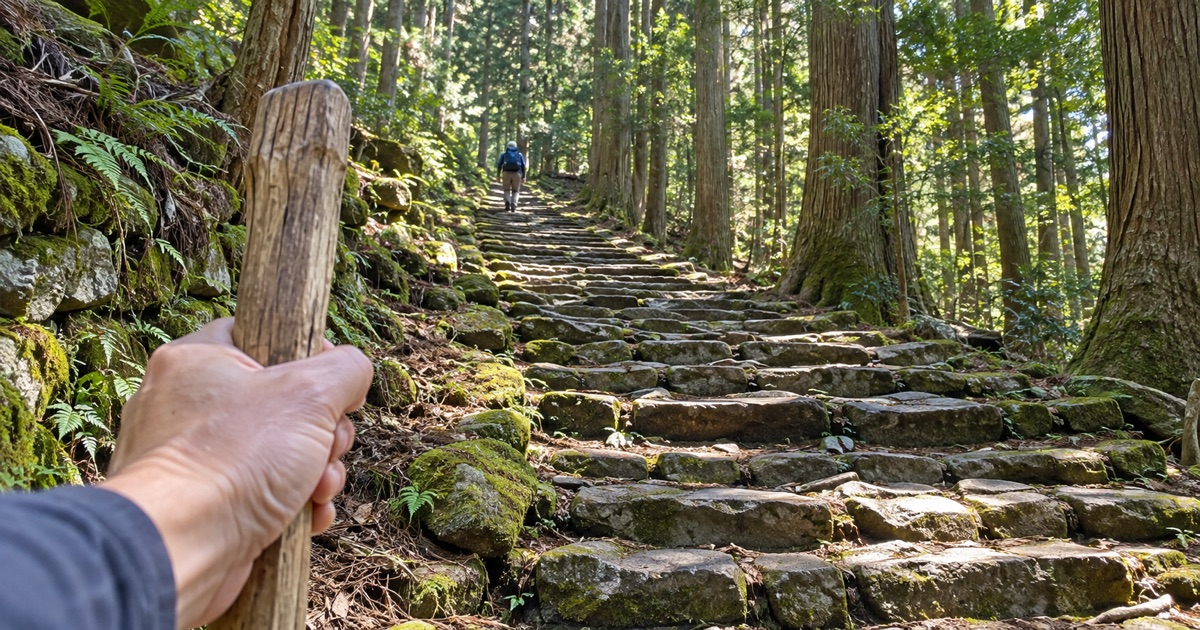
Take a local bus from Kii-Katsuura Station to the Daimon-zaka bus stop (roughly 20 minutes). From here, walk the iconic mossy cobblestone staircase framed by centuries-old Japanese cedars. The stone steps climb steadily for roughly 600 meters, guiding pilgrims up toward the mountain sanctuary.
At the top of the stairs, you reach Kumano Nachi Taisha and the adjacent Buddhist temple Seiganto-ji (青岸渡寺). From the temple grounds, you gain a classic vantage point: the orange three-story pagoda set against the backdrop of Nachi Falls (Nachisan no Taki), which cascades 133 meters down a sheer rock face. Walk down the forested stone path to the viewing platform at the base of the falls to experience the spray up close.
Afternoon: Return to Osaka or Kyoto
Board the return bus from Nachi Falls back to Kii-Katsuura Station (roughly 30 minutes).
From Kii-Katsuura Station, step onto the JR Kuroshio Limited Express for the coastal ride back north. The journey takes around 3.5 to 4 hours to Shin-Osaka and roughly 4 to 4.5 hours to Kyoto. Advance seat reservations are required on limited express services on this line; purchase tickets through ticket machines or staffed counters at the station before boarding.
Packing Essentials and Practical Advice
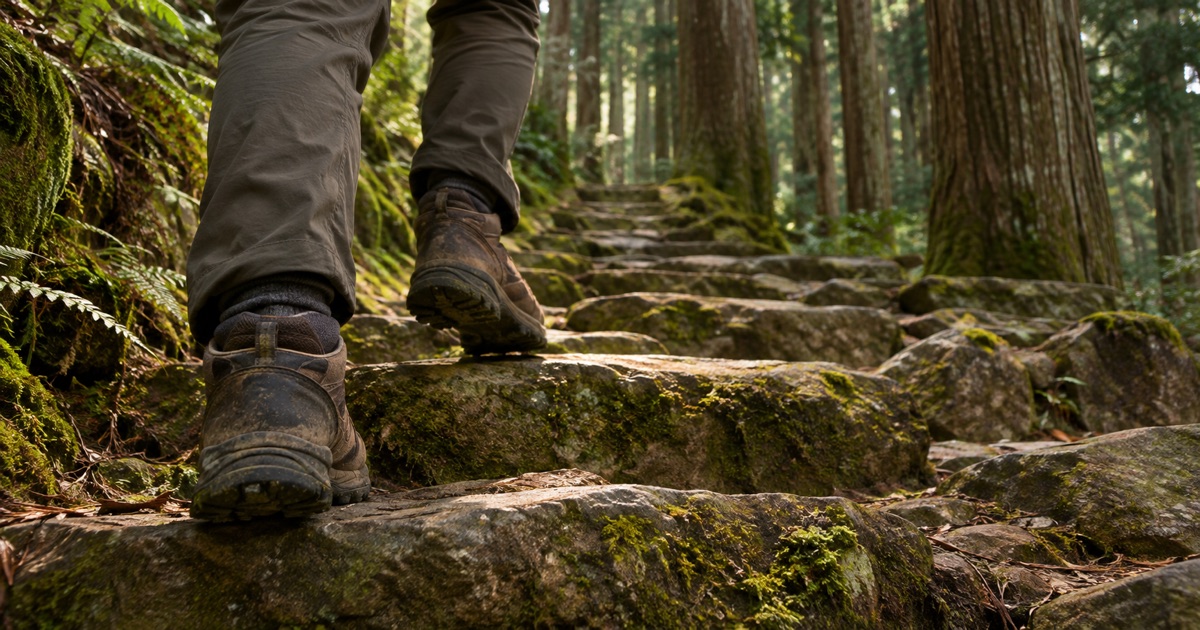
- Footwear: Sturdy, broken-in trail walking shoes or hiking boots with aggressive grip are essential. The cobblestones at Daimon-zaka and natural roots near Takijiri become slippery when wet.
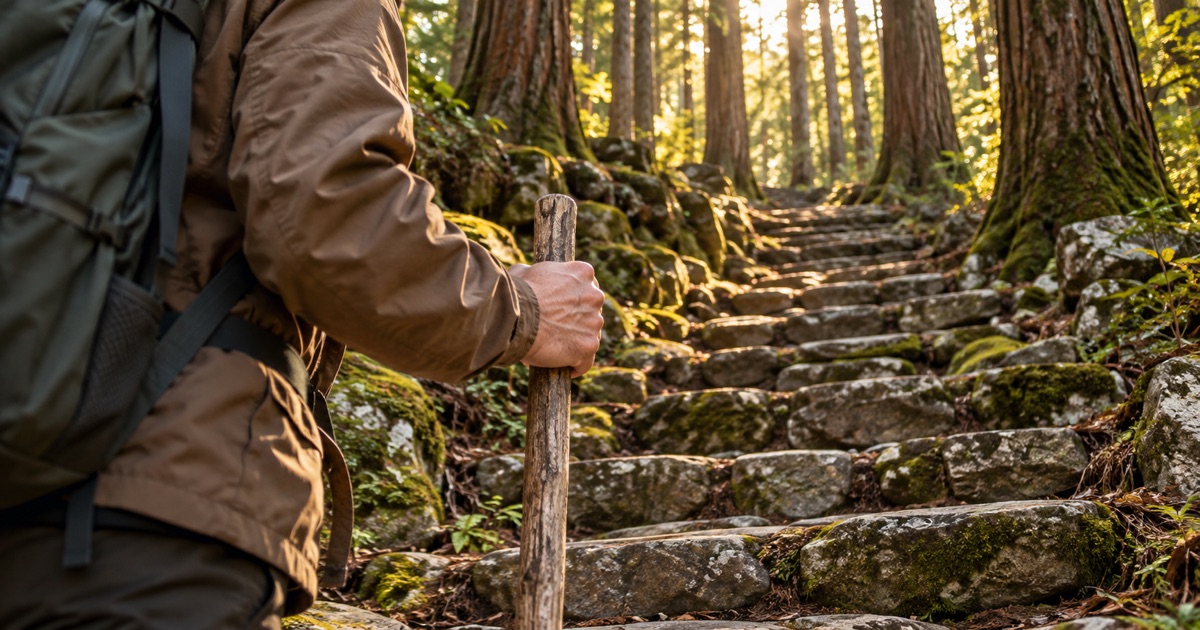
- Trekking Poles: Highly recommended to preserve your knees during steep stone descents. Ensure poles have rubber tips attached to protect historic paths and wooden bridges.
- Cash: Mountain villages have few ATMs that accept international cards, and many local buses and small shops do not take credit cards or IC cards. Carry adequate Japanese yen in cash.
- Luggage Forwarding: Avoid hiking with full suitcases. Forward large bags directly from your hotel in Osaka or Kyoto to your hotel in Kii-Katsuura using standard nationwide delivery services (takuhaibin), or arrange local portage services between trail lodges via the Tanabe City Kumano Tourism Bureau. Carry only a light daypack containing waterproofs, layers, water, snacks, and toiletries for the mountain sections.
- Timetables and Bookings: Bus departures in mountain valleys are infrequent, often running only once every 1 to 2 hours. Always double-check current departure times posted at village bus stops. Secure rural accommodations as early as possible, as walk-in rooms are nonexistent along rural segments of the path.
FAQ
- Q. What is the best base station to start a 4-day Kumano Kodo hike?
- A. Kii-Tanabe Station (紀伊田辺駅) in Wakayama Prefecture is the main gateway, accessible directly by JR limited express trains from Osaka and Kyoto.
- Q. Can I hike the Kumano Kodo without knowing Japanese?
- A. Yes, trails and regional buses have numbered English signage, though downloading offline digital maps and translation tools is recommended.
- Q. How far in advance should I book mountain accommodations?
- A. Small guesthouses in villages like Chikatsuyu and Yunomine Onsen often fill up three to six months in advance, especially during spring and autumn.
Cite or share this article
Copy the link below. If you quote this article, please link to this page as the source.