Things to Do in Miyajima: A Day Trip Guide from Osaka
Key takeaways
- Reach Miyajima in roughly 2 to 2.5 hours from Shin-Osaka Station using the Sanyo Shinkansen, local train, and ferry.
- See Itsukushima Shrine at both high tide to view the floating gate and low tide to walk across the seabed.
- Ascend Mount Misen via ropeway or walking trails for panoramic views across the Seto Inland Sea.
The best things to do in Miyajima include visiting the floating torii gate at Itsukushima Shrine (厳島神社), riding the ropeway up Mount Misen (弥山), and sampling fresh grilled oysters along the Omotesando shopping street. Located just off the coast of Hiroshima, this small island—officially named Itsukushima—is one of Japan's most scenic day trips and is straightforward to reach by train and ferry from Osaka or Kyoto.
A successful day trip depends largely on understanding the tides, catching the right trains early in the morning, and navigating the island entirely on foot without a car.
How to Get to Miyajima Without a Car from Shin-Osaka
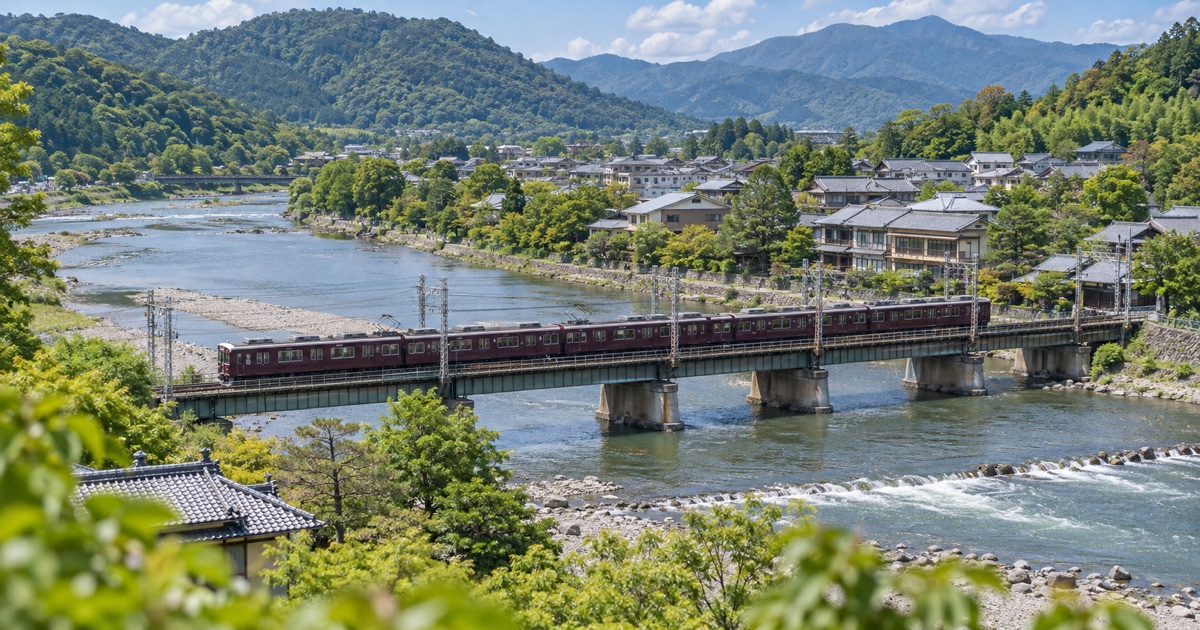
Getting to Miyajima without a car is efficient, comfortable, and simple because Japan's train and ferry systems connect seamlessly. Starting from Shin-Osaka Station (新大阪駅), board a westbound Sanyo Shinkansen (such as the Sakura or Nozomi bullet train) to Hiroshima Station (広島駅), which takes roughly 80 to 90 minutes. At Hiroshima Station, transfer to the local JR Sanyo Line (JR山陽本線) bound for Iwakuni or Miyajimaguchi, and ride roughly 30 minutes to Miyajimaguchi Station (宮島口駅). From the station, walk about 5 minutes down the marked pedestrian path to the ferry terminal. Board either the JR West Miyajima Ferry or the Matsudai Ferry for the 10-minute crossing across the bay. In total, the journey from central Osaka takes roughly 2 to 2.5 hours each way. Travellers starting from Kyoto can take a Shinkansen to Shin-Osaka first or board direct bullet trains that run through to Hiroshima, adding roughly 15 to 30 minutes to the total travel time. Train timetables and pass information can be checked directly with JR West.
Top Things to Do in Miyajima
1. View Itsukushima Shrine and the Great Torii Gate
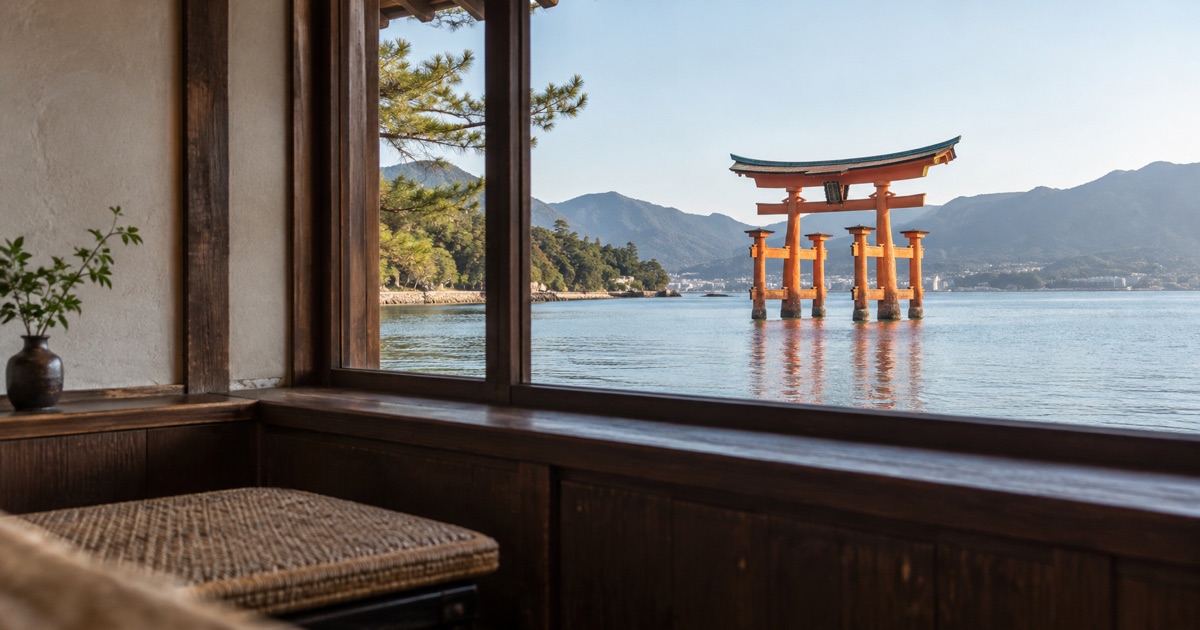
Itsukushima Shrine (厳島神社) is a centuries-old Shinto shrine built over the tidal flats of the Seto Inland Sea. When the tide rises, the entire shrine complex—including its vermilion corridors, stage, and prayer halls—appears to float on the water.
The famous Grand Torii Gate stands roughly 200 metres offshore. What makes this site extraordinary is the dramatic shift between tides:
- At High Tide: The water surrounds the pillars, creating the classic postcard image of the shrine floating on the sea.
- At Low Tide: The sea recedes entirely, exposing the wet sand and allowing visitors to walk all the way out to the base of the massive wooden gate.
Before your trip, look up the daily tide charts published online for Hiroshima Port. If possible, aim to arrive during one tide phase, explore other parts of the island, and return roughly 4 to 6 hours later to experience the opposite phase.
2. Ascend Mount Misen for Inland Sea Panoramas
Mount Misen (弥山) is the highest peak on Miyajima at roughly 535 metres above sea level. The mountain is covered in protected, old-growth primeval forest and holds sacred significance in Japanese Buddhism.
To reach the summit area, take the Miyajima Ropeway (宮島ロープウェー). You can walk to the lower ropeway station from town in roughly 20 minutes through Momijidani Park (紅葉谷公園), or ride a free shuttle bus that runs between the park entrance and the ropeway base. The ropeway operates in two stages: a smaller gondola followed by a larger cable car, with the ride taking roughly 15 minutes overall.
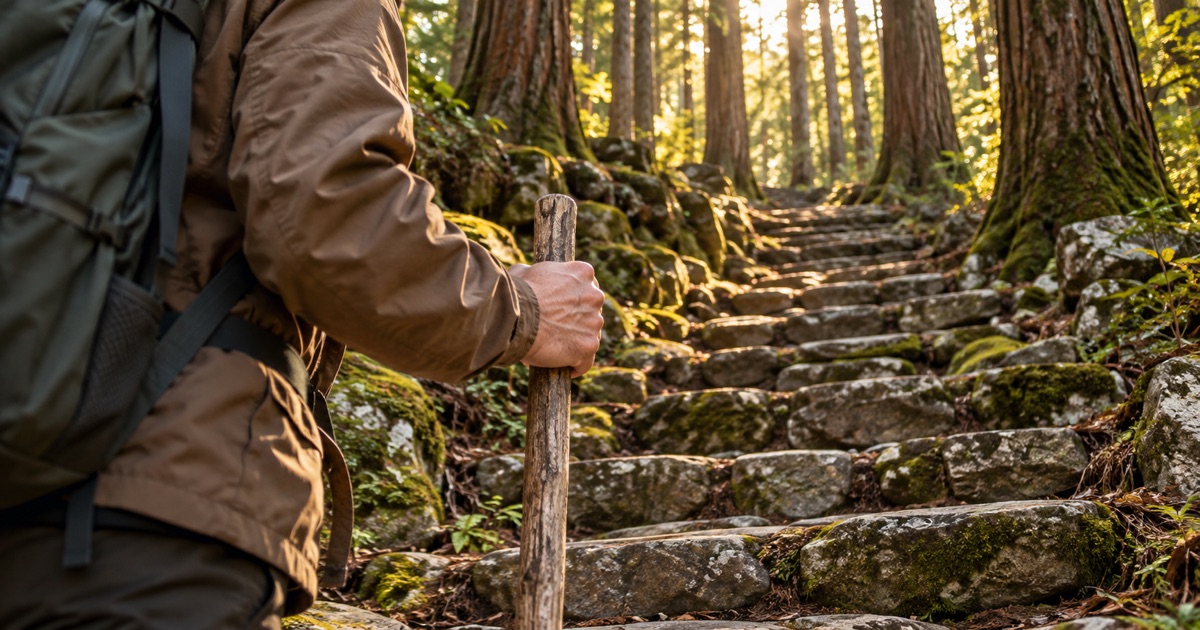
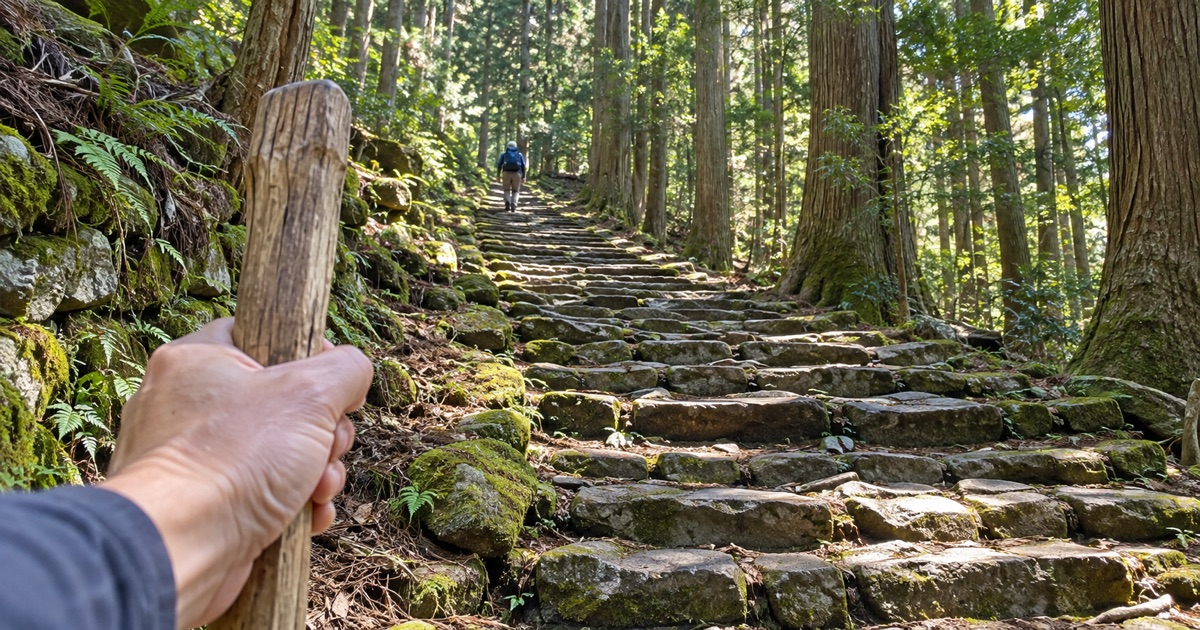
From the upper ropeway station (Shishiiwa Station), it takes roughly 30 minutes of uphill walking along a dirt and stone path to reach the actual summit observatory. Along the trail, you will pass Reikado (Hall of the Spiritual Flame), where a sacred flame has reportedly burned for over 1,200 years—the same flame used to light the Peace Memorial Flame in Hiroshima. Wear sturdy walking shoes, as the path involves uneven stone stairs.
3. Stroll Through Momijidani Park and Daisho-in Temple
Momijidani Park sits at the foot of Mount Misen along the Momijidani River. The park is planted with hundreds of Japanese maple trees that turn vibrant crimson and gold in autumn, though it remains a cool, tranquil walk in spring and summer.
A short walk west of Itsukushima Shrine brings you to Daisho-in (大聖院), one of the most atmospheric Buddhist temples in western Japan. Located on the forested hillside, this complex features sweeping staircases lined with spinning prayer wheels, rows of hundreds of stone statues of Buddhist disciples (Rakan), and serene garden paths. Daisho-in is noticeably quieter than the waterfront shrines and offers clear elevated views across the bay.
4. Sample Local Street Food on Omotesando Street
The main pedestrian thoroughfare of the town is Omotesando Shopping Street (表参道商店街). This sheltered street is packed with vendors serving local culinary staples:
- Grilled and Fried Oysters (Kaki): Hiroshima Prefecture produces a significant share of Japan's oysters. Around the island, shops grill large oysters over open charcoal fires or fry them in crispy panko batter.
- Momiji Manju: These maple-leaf-shaped sponge cakes were invented on Miyajima. While traditionally filled with sweet red bean paste (anko), modern versions feature custard cream, chocolate, green tea, or sweet potato. Some shops also sell fried momiji manju on skewers.
- Conger Eel (Anago Meshi): A regional delicacy featuring tender, grilled salt-water eel brushed with a sweet soy glaze and served over a bed of seasoned rice.
We are working to carry Japanese craft and everyday culture beyond Japan, by building Japan Towns with local partners.
Read the Japan Town plan →Suggested Half-Day to Full-Day Itinerary (4–6 Hours)
- 09:00 – Arrival: Disembark from the ferry at Miyajima Pier. Stop at the tourist information counter inside the terminal to grab an English walking map.
- 09:30 – Omotesando & Shoreline: Walk south toward Itsukushima Shrine. Watch for the free-roaming deer along the path, but keep food and train tickets tucked inside bags.
- 10:00 – Itsukushima Shrine: Pay the modest entrance fee (around 300 to 500 yen) to enter the shrine corridors.
- 11:30 – Mount Misen Ropeway: Walk through Momijidani Park to the ropeway. Take the cabins up, visit the summit, and take in the panoramic views across the islands of the Seto Inland Sea.
- 14:00 – Daisho-in Temple: Descend via the ropeway and walk to Daisho-in to explore the temple grounds and stone courtyards.
- 15:00 – Low-Tide Torii Walk & Street Food: Return to the seashore to walk onto the sand if the tide has dropped, then finish your day tasting momiji manju and grilled oysters along Omotesando before boarding the ferry back to Miyajimaguchi.
For broader travel inspiration across western Japan, consult the Japan National Tourism Organization.
Essential Travel Tips and Common Mistakes
Beware the Island's Wild Deer
Like the famous deer in Nara, Miyajima's sika deer roam freely through the town and waterfront. However, island authorities actively discourage feeding them to help them maintain their natural foraging habits in the forest. The deer are not shy: they will quickly nibble on paper maps, train tickets, receipts, plastic bags, and any food held in hand. Keep your belongings zipped inside a backpack.
The Miyajima Visitor Tax
Hiroshima Prefecture and Hatsukaichi City levy a small tourist tax of roughly 100 yen per visitor. If you buy a regular paper ticket for the ferry, this fee is typically added at the ticket machine. If you use an IC card (such as Suica, Pasmo, or Icoca) or a JR rail pass, you may need to tap at designated readers or pay the tax at the gate prior to boarding.
Cash Is Still Useful
While many souvenir shops, ropeway counters, and sit-down restaurants accept major credit cards and transport IC cards, small street-food stalls, temple donation boxes, and stamp stations (goshuin) often accept only Japanese yen in cash. Keep several 1,000-yen notes and 100-yen coins in your wallet.
Check Weather and Cable Car Maintenance
The Miyajima Ropeway sometimes closes temporarily due to high winds, severe weather, or scheduled safety inspections. Check operational notices before heading up the mountain trail, especially during winter or typhoon season. If the ropeway is not running, the climb on foot from town to the summit requires a steep, strenuous hike of roughly 1.5 to 2 hours each way.
FAQ
- Q. How much time should you spend on Miyajima?
- A. Plan for roughly 4 to 6 hours on the island to see the main shrine, walk the town, and take the ropeway up Mount Misen.
- Q. Can you see the torii gate floating and walk up to it on the same day?
- A. Yes, if your visit spans roughly 6 hours, allowing the tide to shift between high water and low water.
- Q. Is the ferry to Miyajima covered by the Japan Rail Pass?
- A. The JR West Miyajima Ferry is included in the nationwide JR Pass, though a small local tourist tax applies at the terminal.
Cite or share this article
Copy the link below. If you quote this article, please link to this page as the source.