Miyajima Itinerary 1 Day: The Complete Island Guide
Key takeaways
- Cover Itsukushima Shrine, Daisho-in, and Mount Misen in a single day using regular train and ferry connections.
- Plan your walking route around the tide tables to view the famous floating torii gate in both water and sand.
- Depart early from major hubs like Osaka or Hiroshima to reach the island before morning tour groups arrive.
A one-day itinerary for Miyajima allows enough time to see Itsukushima Shrine at varying tide levels, take the ropeway up Mount Misen, and wander through historic mountain temples. Starting from Hiroshima Station (or early from Osaka or Kyoto), you can easily reach the island via local train and a short ferry crossing for a complete independent day trip.
Miyajima (宮島), officially known as Itsukushima (厳島), is famous worldwide for its "floating" torii gate, wild deer roaming the streets, and dense maple forests. Visiting independently requires no guided tours, as the entire island's main attractions are walkable from the ferry port.
Morning: Arrival and Itsukushima Shrine
Getting to the Ferry Terminal
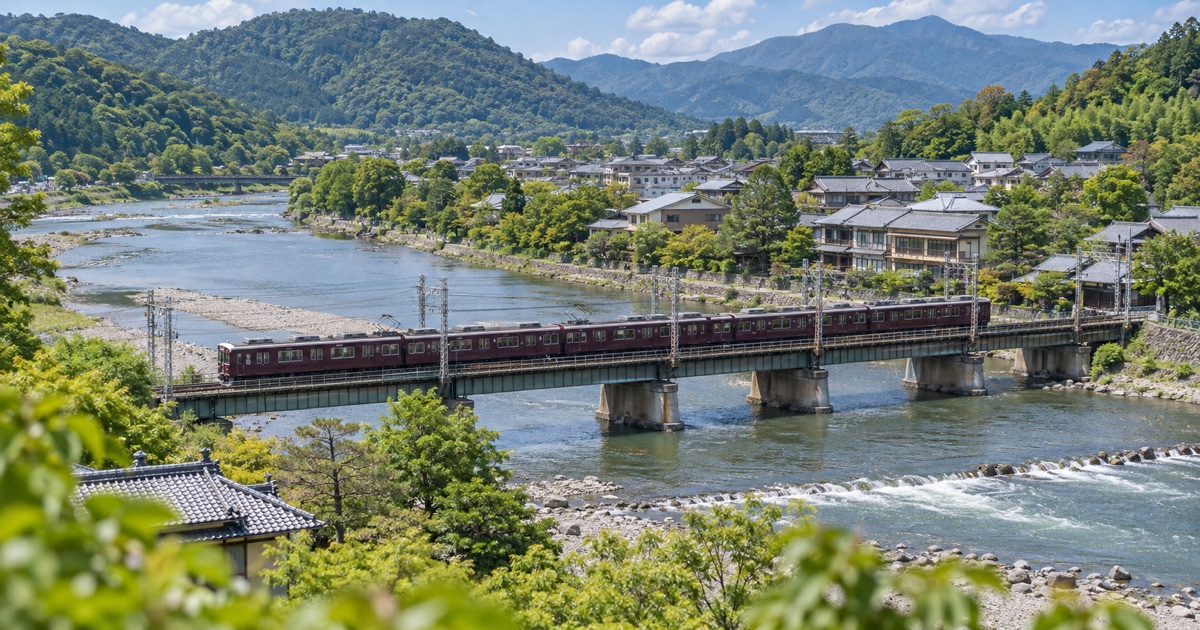
Most travelers begin their journey at Hiroshima Station (広島駅). Board the JR Sanyo Line bound for Iwakuni and ride roughly 30 minutes to Miyajimaguchi Station (宮島口駅).
From the station, a clearly marked underground walkway leads to the ferry terminals in about five minutes. Two competing ferry companies operate here: JR West Miyajima Ferry and Matsudai Kisen. Both cost around the same nominal fare (roughly 200 to 250 yen each way, plus a small local tourist tax of 100 yen per visitor). If you hold an eligible train pass, check terms with JR West before boarding, as JR pass coverage varies by pass type and requires paying the local tax separately.
The ferry crossing takes around 10 minutes. The JR ferry steers closer to the iconic torii gate on outbound trips, offering great views from the upper deck.
Experiencing Itsukushima Shrine (厳島神社)
Upon exiting Miyajima Pier, turn right along the coastline. You will pass friendly but inquisitive wild deer; avoid touching them and keep paper maps and snack wrappers inside your bag, as deer will eat paper items directly from your hands or pockets.
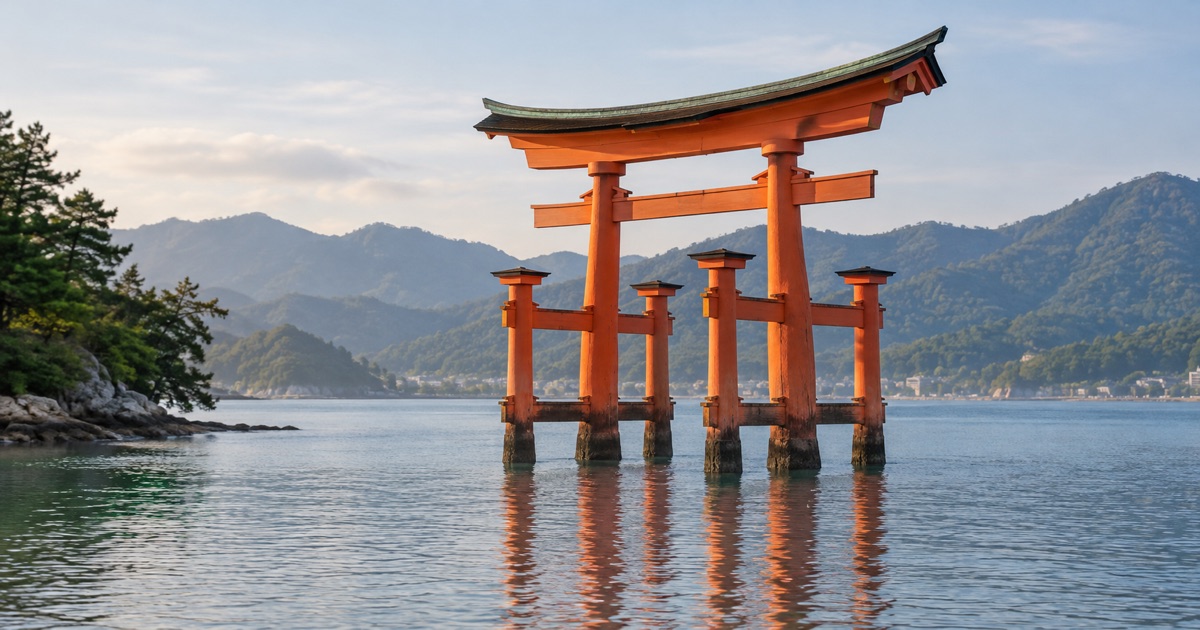
Walk roughly 10 minutes to reach Itsukushima Shrine. Built over the tidal flats, the shrine's boardwalks appear to float on the water during high tide.
- Tide Planning: Check a local tide table online before your visit. At high tide (usually above 250 cm), the shrine and the giant vermilion torii gate stand surrounded by seawater. At low tide (below 100 cm), the water recedes completely, allowing visitors to walk across the damp sand directly up to the base of the torii gate.
- Entry Details: Admission costs roughly a few hundred yen. Hours and tide times fluctuate daily, so review the current conditions ahead of time.
Why Trying to Catch Only High Tide Doesn't Work
Many travelers focus solely on arriving at high tide to capture the classic postcard shot of a floating gate. However, scheduling your entire visit around a single tide moment often backfires. Low tide offers the rare perspective of standing beside the massive camphor-wood pillars, inspecting the barnacles and coins wedged into the timber, and appreciating the sheer scale of the engineering.
A well-paced 1-day itinerary embraces both: visit the shrine platforms while the water is in, head up the mountain in the middle of the day, and return to the beach in the late afternoon when the seabed is dry.
Midday: Daisho-in Temple and Mount Misen
Visiting Daisho-in (大聖院)
After exiting Itsukushima Shrine, skip the crowded main shopping alleys for now and follow the gentle uphill trail toward Daisho-in. Located about 10 minutes on foot from the shrine exit, this Shingon Buddhist temple complex sits nestled against the base of Mount Misen.
Unlike the open coastal shrine, Daisho-in consists of multiple halls, winding stairways, prayer wheels that visitors can spin for blessings, and hundreds of small stone statues wearing knitted hats. Entrance is generally free, though small donations are customary. It is widely considered one of the most atmosphere-rich temples in western Japan.
Heading Up Mount Misen (弥山)
Mount Misen is the highest peak on the island, standing over 500 meters above the Seto Inland Sea. You have two options for reaching the summit:
- The Miyajima Ropeway (宮島ロープウエー): Walk through Momijidani Park (紅葉谷公園) to reach the ropeway base station, or take the small free shuttle bus that runs between the park entrance and the ropeway terminal. The aerial lift operates in two stages and takes around 15 to 20 minutes total. Round-trip fares generally fall between 1,800 and 2,200 yen. Check operating status beforehand, as high winds or scheduled maintenance can halt service.
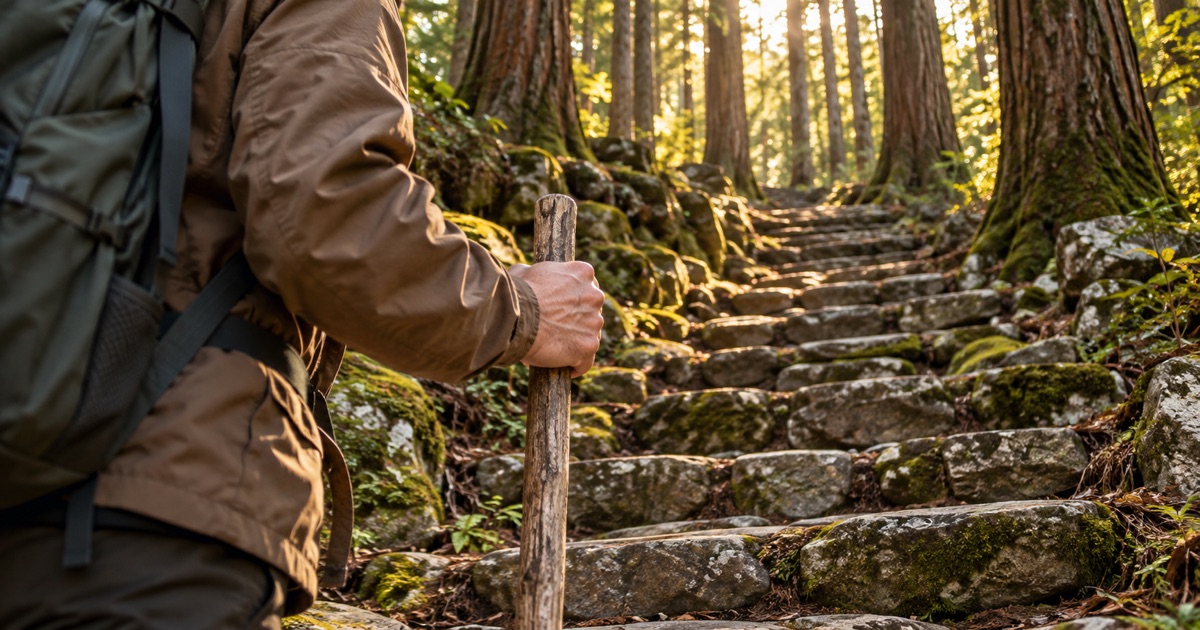
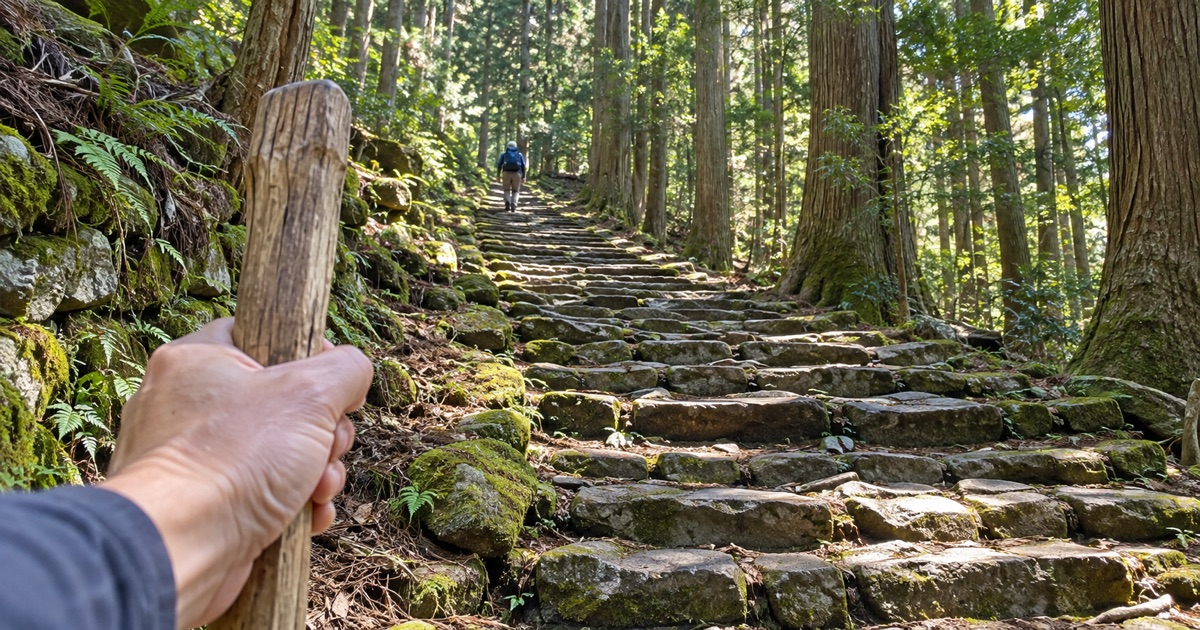
- Hiking: Three well-maintained trails lead up the mountain (Momijidani, Daisho-in, and Omoto routes). The Daisho-in trail offers the best stone steps and scenic overlooks, requiring roughly 1.5 to 2.5 hours of steep, steady climbing.
The Summit and Reikado Hall
From the upper ropeway station (Shishiiwa Station), the walk to the actual Mount Misen summit takes roughly 20 to 30 minutes across rocky trails. Wear comfortable walking shoes; do not attempt this section in flat-soled dress shoes or slick sandals.
Along the path lies Reikado (霊火堂), the Hall of the Spiritual Flame. The flame inside has been burning continuously for over 1,200 years and was used to light the Peace Flame in Hiroshima Peace Memorial Park. Continue to the summit observatory for panoramic views across the islands of the Seto Inland Sea.
We are working to carry Japanese craft and everyday culture beyond Japan, by building Japan Towns with local partners.
Read the Japan Town plan →Afternoon: Island Food and Omotesando Street
Descend the mountain via the ropeway or hike down to ground level by mid-afternoon. Head into the town's central commercial artery, Omotesando Shopping Street (表参道商店街).
Local Specialties to Try
- Momiji Manju (もみじ饅頭): Maple-leaf-shaped sponge cakes filled with sweet red bean paste, chocolate, matcha, or custard cream. Look for shops selling age-momiji (deep-fried momiji manju on skewers), which are served hot and crispy.
- Grilled Oysters (焼き牡蠣 - Yaki-gaki): Hiroshima Bay is famous for oyster production. Street vendors along the shopping street roast large, plump oysters over open grills, served with simple lemon juice, soy sauce, or ponzu.
- Conger Eel (穴子 - Anago): For a late lunch or early dinner, order anago meshi, a bowl of seasoned rice topped with grilled, tender saltwater eel glazed in a savory-sweet sauce.
Late Afternoon: Low Tide Walk and Departure
Before returning to the ferry, head back toward the shoreline near Itsukushima Shrine. If the afternoon aligns with low tide, walk out onto the exposed seabed toward the grand torii gate.
Check your footwear; the sand can be wet and muddy in patches. Standing beneath the giant 16-meter-tall gate provides a completely different perspective than seeing it from the shrine's veranda.
Heading Back
Return to Miyajima Pier to catch the ferry back to Miyajimaguchi. Ferries run regularly throughout the day and into the evening, but always verify the departure board for late-evening sailings if staying past sunset. From Miyajimaguchi Station, board the JR Sanyo Line back to Hiroshima Station, which connects directly to the Sanyo Shinkansen for ongoing travel toward Osaka, Kyoto, or Tokyo.
For broader regional travel updates and seasonal tips across western Japan, consult the resources on the Japan National Tourism Organization portal.
Practical Tips for First-Time Visitors
- Start Early: Aim to step off the ferry at Miyajima around 8:30 to 9:00 AM. This gives you two uninterrupted hours at Itsukushima Shrine before large day-tour groups arrive from Hiroshima.
- Luggage Storage: Large rolling suitcases are difficult to maneuver over Miyajima's stone walkways and packed shopping lanes. Store luggage in coin lockers at Hiroshima Station or Miyajimaguchi Station before crossing on the ferry.
- Cash and Cards: Carry Japanese yen in cash. Many food stalls, craft stalls, and temple counters do not accept credit cards or digital transport cards (IC cards).
- Deer Etiquette: Do not feed the deer. Miyajima's deer are wild animals, and feeding them processed food or paper items can cause serious digestive harm. Keep plastic bags tucked securely into backpacks.
FAQ
- Q. Can you do Miyajima as a day trip from Osaka or Kyoto?
- A. Yes, taking the Sanyo Shinkansen to Hiroshima Station makes a full-day trip very manageable, though an early departure is recommended.
- Q. How much time is needed to see Miyajima?
- A. A full day of roughly six to eight hours on the island allows you to explore Itsukushima Shrine, hike or ride up Mount Misen, and visit Daisho-in.
- Q. Do you need cash on Miyajima island?
- A. Yes, while many shops accept IC cards and credit cards, small street-food stalls, temple donation boxes, and the tourist tax terminal often require cash.
Cite or share this article
Copy the link below. If you quote this article, please link to this page as the source.