Top Things to Do in Kumano Kodo: Hikes, Shrines & Onsen
Key takeaways
- Hike the accessible Nakahechi trail segments like Daimon-zaka to Nachi Falls.
- Visit the sacred Kumano Sanzan grand shrines: Hongu, Hayatama, and Nachi Taisha.
- Soak in historic thermal waters at Yunomine Onsen or Kawayu Onsen.
The best things to do in Kumano Kodo center on walking centuries-old pilgrimage trails, visiting the three grand Kumano Sanzan shrines, and unwinding in remote mountain hot spring villages. Whether tackling a short day hike along mossy stone paths or exploring iconic landmarks like Nachi Falls, this UNESCO-listed network in Wakayama Prefecture offers an unforgettable journey into Japan's spiritual heartland.
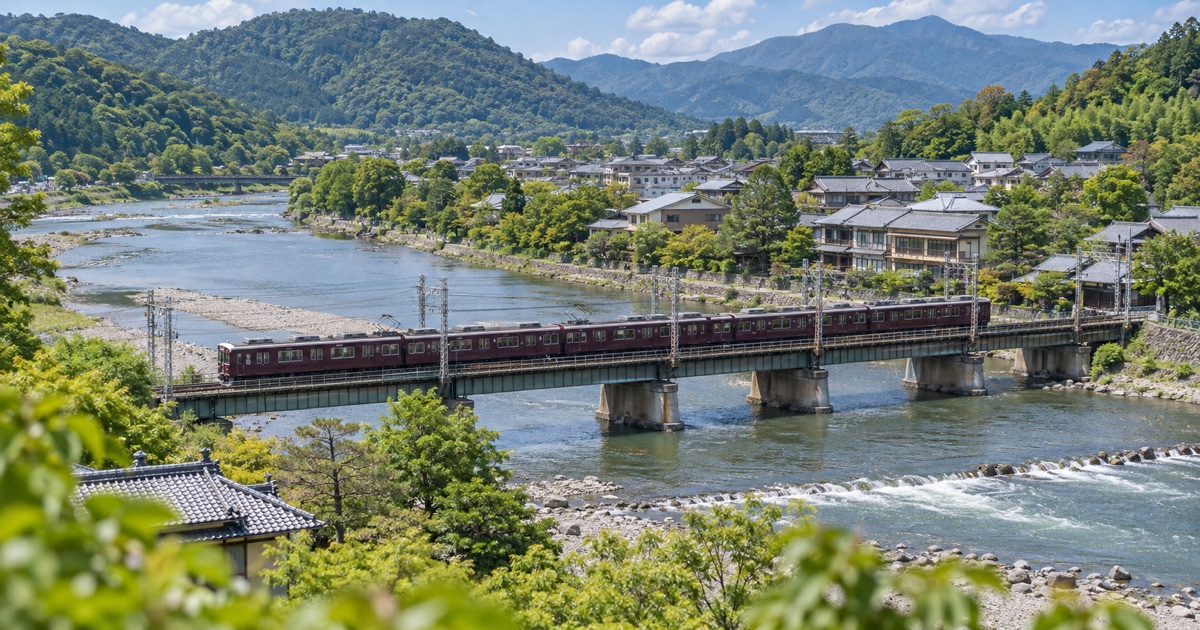
For independent travelers setting out from major transport hubs like Shin-Osaka Station (新大阪駅) or Tennoji Station (天王寺駅) in Osaka, the Kumano region can be reached directly via limited express trains. While a very long day excursion to key trailheads is feasible with a dawn start, planning an overnight stay allows you to experience the area's ancient forests and sacred heritage without rushing.
1. Hike the Ancient Cobblestones of Daimon-zaka
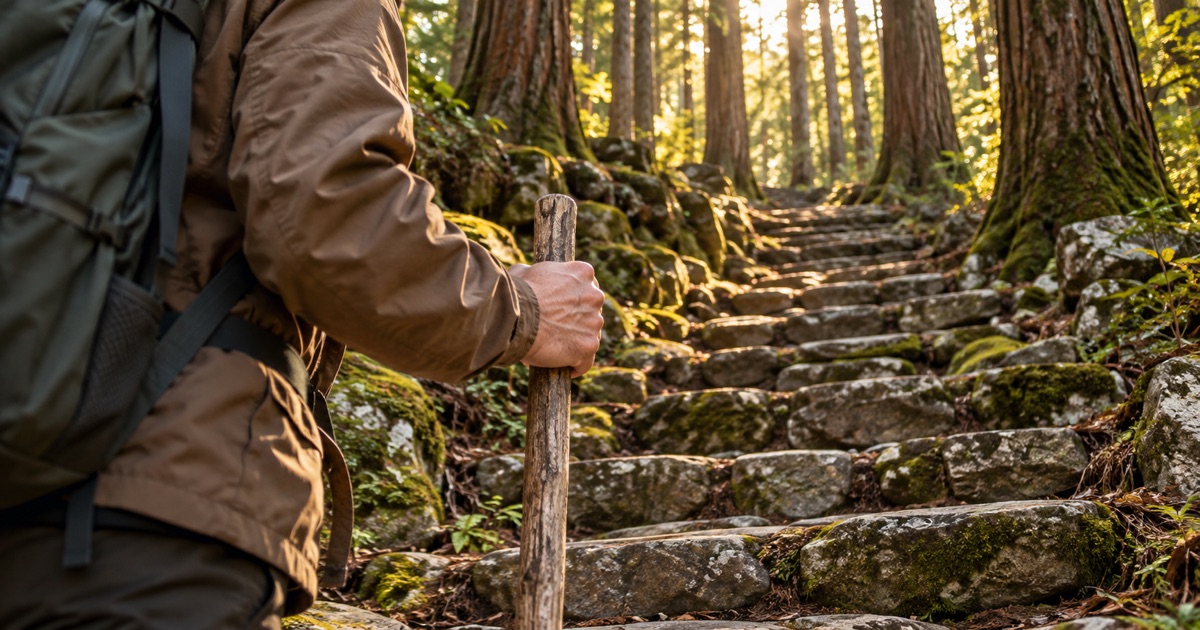
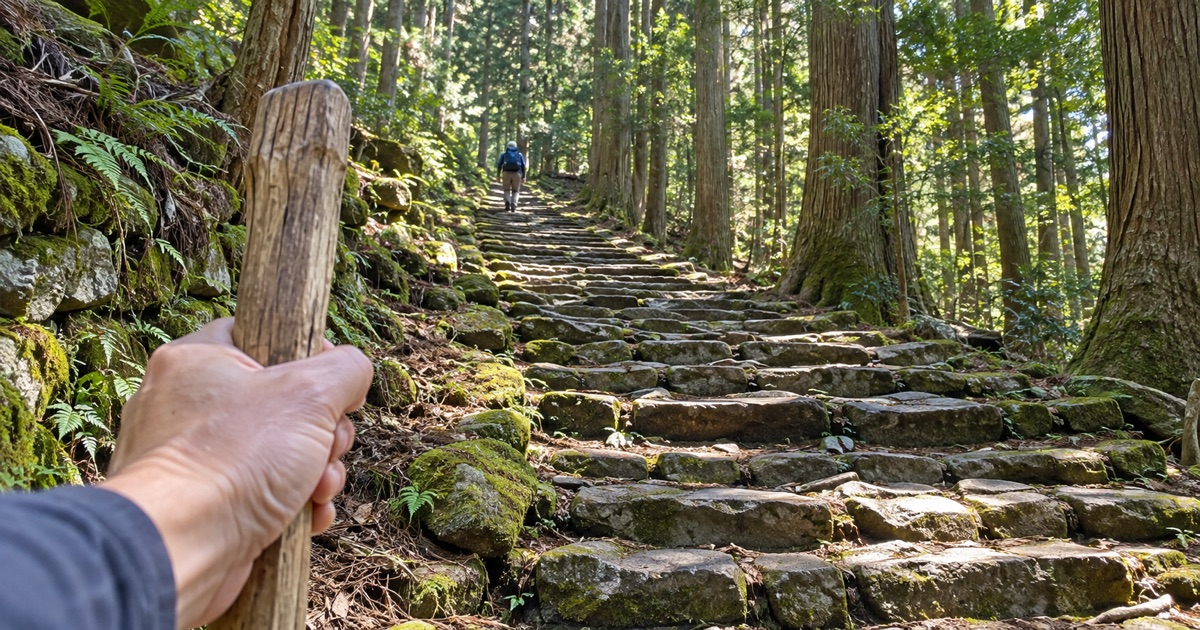
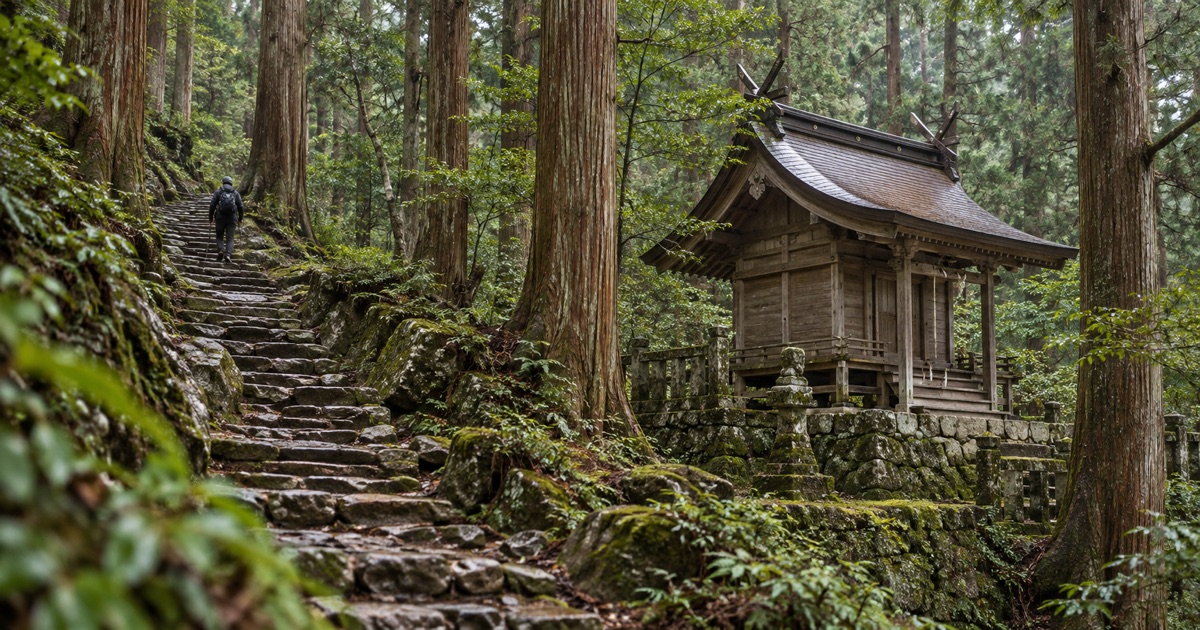
Walking the stone-paved stairway of Daimon-zaka (大門坂) is the quintessential Kumano Kodo experience. This roughly 600-meter slope forms part of the celebrated Nakahechi (中辺路) route, flanked by massive, centuries-old Japanese cedar trees (cryptomeria) that block out the modern world.
The path begins near the Daimon-zaka bus stop, where you pass through the imposing "Meoto Sugi" (Husband and Wife Cedars)—a pair of ancient trees towering over the entrance. The hike up the cobblestones takes roughly 30 to 45 minutes at a relaxed pace. While short, the stone steps can be slick, especially after rain, making sturdy walking shoes with good grip a necessity. Daimon-zaka leads directly toward the sacred grounds of Kumano Nachi Taisha, serving as an ideal introduction for first-time visitors seeking atmospheric scenery without a grueling multi-day trek.
2. Stand Before Kumano Nachi Taisha and Nachi Falls
At the top of Daimon-zaka lies one of Japan's most recognizable cultural vistas: the three-story pagoda of Seiganto-ji (青岸渡寺) framed against the roaring cascade of Nachi Falls (那智の滝).
Kumano Nachi Taisha (熊野那智大社) is one of the three grand shrines of Kumano. Perched high on the mountainside, it fuses Shinto nature worship with Buddhist traditions. Just beside it sits Seiganto-ji, a Tendai Buddhist temple that illustrates the historical coexistence of the two religions.
A short descent along stone stairs from the shrine complex brings you to the base of Nachi Falls. Plunging roughly 133 meters in a single drop, it is the tallest waterfall in Japan with an uninterrupted vertical drop. Regarded as a sacred deity (kami) in its own right, the falls command a deep sense of reverence. An observation deck near the waterfall basin allows visitors to experience the mist and roar of the water up close for a small entry fee.

We are working to carry Japanese craft and everyday culture beyond Japan, by building Japan Towns with local partners.
Read the Japan Town plan →3. Pay Respects at Kumano Hongu Taisha and Oyunohara
Kumano Hongu Taisha (熊野本宮大社) serves as the administrative and spiritual focal point of the entire Kumano pilgrimage network. Nestled deep in the mountains along the Kumano River, all trails traditionally converged on this revered site.
The shrine's pavilion features austere, unpainted cypress-bark roofs that blend seamlessly into the surrounding pine forest. Its understated architecture contrasts with the bright vermilion seen at many other Japanese shrines, emphasizing a quiet, contemplative harmony with nature.
A short five-minute walk from the shrine grounds leads to Oyunohara (大斎原), the original site where the shrine stood until a devastating flood in 1889 prompted its relocation uphill. Today, Oyunohara is marked by the world’s largest torii gate, soaring over 33 meters high above sweeping rice fields. Walking beneath this steel colossus offers a striking perspective on the scale of pilgrimage history in the valley.
4. Explore Kumano Hayatama Taisha and the Sacred Kamikura Rock
Located in the coastal city of Shingu (新宮), Kumano Hayatama Taisha (熊野速玉大社) completes the trio of the Kumano Sanzan shrines. In direct contrast to the earthen tones of Hongu Taisha, Hayatama Taisha greets pilgrims with vibrant vermilion buildings and sprawling courtyards.
The grounds house a sacred Nagi tree (an Asian bayberry), estimated to be around 800 years old, whose leaves have long been carried by pilgrims as protective talismans.
A short bus ride or 15-minute walk from Hayatama Taisha brings you to Kamikura-jinja (神倉神社), a dramatically situated shrine built at the base of a massive boulder called Gotobiki-iwa. Reaching this ancient site requires climbing a steep, primitive stone staircase of over 500 irregular steps. The climb is physically demanding and requires caution, but the panoramic view of Shingu City and the Pacific Ocean from the top makes the effort worthwhile.
5. Soak in the Historic Waters of Yunomine and Kawayu Onsen
After a day on the trail, resting your legs in a traditional hot spring (onsen) is an integral Kumano custom. Pilgrims have used these mineral-rich waters for physical and spiritual purification (misogi) for well over a millennium.
- Yunomine Onsen (湯の峰温泉): Believed to be one of Japan's oldest hot spring settlements, this tiny valley village features rustic wooden inns clustered along a narrow thermal stream. Its centerpiece is Tsuboyu (つぼ湯), a tiny stone bath built directly over the riverbed. It is the only World Heritage-registered hot spring where visitors can bathe; bathers take turns for short, private sessions managed by a ticket system at the local bathhouse.
- Kawayu Onsen (川湯温泉): In this unique riverside hot spring area, thermal water bubbles up directly through the riverbed gravel. In winter, a massive communal bath called the Sennin-buro is excavated in the river itself, allowing bathers to soak outdoors surrounded by rising steam and mountain scenery.
How to Get to Kumano Kodo from Osaka
Planning independent rail transit to the Kumano Kodo is straightforward using services operated by JR West. The journey breaks down into four clear steps:
- Board the Limited Express Kuroshio: Depart from Shin-Osaka Station or Tennoji Station on the JR Kuroshio Limited Express line.
- Choose your western gateway: Ride the train to Kii-Tanabe Station (紀伊田辺駅), which takes roughly 2 to 2.5 hours. Kii-Tanabe serves as the primary transit hub for local buses heading inland to Hongu Taisha, Hosshinmon-oji, and Yunomine Onsen.
- Or continue to the southern gateway: If your focus is Daimon-zaka and Nachi Falls, stay on the train to Kii-Katsuura Station (紀伊勝浦駅), which takes around 3.5 to 4 hours from Osaka.
- Transfer to local bus lines: Kumano Gobo Nankai Bus and Ryujin Bus operate routes connecting the train stations with trailheads and shrines. Note that IC cards (such as ICOCA or Suica) are not universally accepted on all rural bus lines in this region; carrying sufficient cash is essential.
For visitors planning extensive travel across the Kii Peninsula, regional rail passes offered by JR West can provide convenient, flexible travel across multiple days.
Practical Tips and Common Mistakes
- Check Bus Schedules in Advance: Local buses in the mountains run infrequently, often with gaps of one to two hours between departures. Always obtain an up-to-date printed or digital bus timetable at the tourist information centers outside Kii-Tanabe or Kii-Katsuura stations before starting your day.
- Pack for Changing Mountain Weather: The mountains of Wakayama receive substantial rainfall throughout the year, which feeds the region's lush forests and waterfalls. Pack reliable rain gear, breathable layers, and a waterproof bag cover, even if skies are clear at your morning departure.
- Wear Appropriate Footwear: While spots like Oyunohara are flat, routes like Daimon-zaka and the steps up to Kamikura-jinja feature uneven, natural stone that becomes extremely slippery when wet. Avoid smooth-soled street shoes or sandals.
- Carry Cash: Remote shrines, local bus operators, and village eateries often do not take credit cards or mobile payments. Bring enough Japanese yen in cash to cover all transportation fares, admission fees, and food.
- Plan Ahead for Official Updates: Mountain trails occasionally experience temporary detours due to landslides or seasonal maintenance. Always check route alerts via the Japan National Tourism Organization or the local Tanabe City Kumano Tourism Bureau before setting out.
FAQ
- Q. Can you do Kumano Kodo as a day trip from Osaka?
- A. A very long day trip to western access points like Tanabe or Nachi is possible, but staying overnight is strongly recommended.
- Q. What is the most famous hike on the Kumano Kodo?
- A. The Nakahechi route is the most popular, especially the atmospheric cobblestone stairway of Daimon-zaka leading to Nachi Falls.
- Q. Do you need advanced hiking gear for Kumano Kodo?
- A. Major sections feature uneven stones and steep steps, so sturdy trail shoes, rain gear, and water are essential even for day walks.
Cite or share this article
Copy the link below. If you quote this article, please link to this page as the source.