Things to Do in Naoshima Island: A First-Timer's Guide
Key takeaways
- Naoshima's main art sites (Chichu Art Museum, Benesse House, Art House Project) can be covered in one full day, but two days is more relaxed.
- Most travellers reach Naoshima by train to Okayama, then a local train to Uno Port, then a ferry to Miyanoura Port.
- Renting a bicycle (electric-assist recommended) at Miyanoura is the easiest way to get around, since the island's bus service is limited.
Things to Do in Naoshima Island
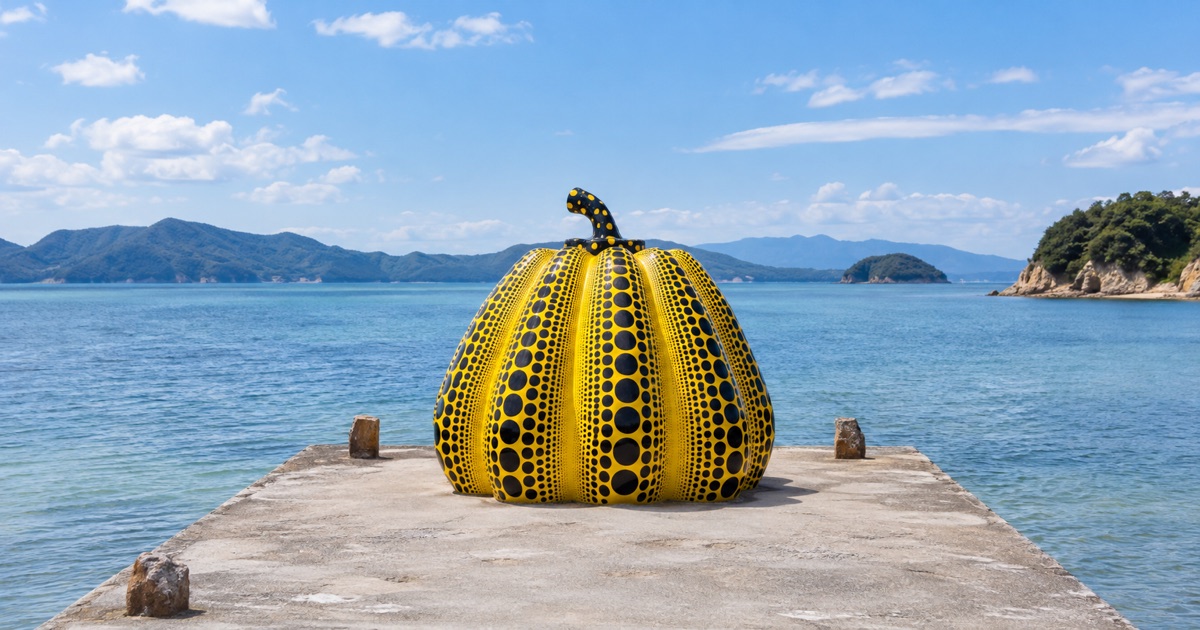
The best things to do on Naoshima are visiting its contemporary art museums, exploring the Art House Project in Honmura, and cycling along the coast between installations like Yayoi Kusama's yellow pumpkin. A single full day lets first-time visitors see the highlights, though an overnight stay makes the trip far less rushed.
Naoshima (直島), floating in the Seto Inland Sea between Okayama and Takamatsu, has built its reputation on quietly blending modern art with a slow-paced island atmosphere. It isn't a theme park and it isn't a traditional sightseeing spot with temples and shrines — it's closer to an open-air museum spread across fishing villages, beaches, and hillsides. That makes it a rewarding but slightly logistics-heavy day trip, and this guide walks through how to get there, what to prioritize, and common mistakes to avoid.
How to Get to Naoshima
Most independent travellers start from Okayama Station, which is reachable by Shinkansen from Osaka, Kyoto, or Tokyo. From Okayama, take a local JR train on the Uno Line to Uno Port (around 25–40 minutes, depending on the train). From Uno Port, a ferry crosses to Miyanoura Port (宮浦港) on Naoshima, with the crossing typically taking around 20 minutes.
There is also a ferry route connecting Naoshima with Takamatsu (高松) in Shikoku, which suits travellers coming from that direction instead. Ferry schedules are limited compared to city trains, sometimes running only every hour or two, so check departure times before you plan your day — timetables and fares can change, and sailings are occasionally affected by weather. It's worth checking the Japan National Tourism Organization site for general planning information, and confirming train connections through JR West, which covers the Okayama area.
A common mistake is assuming trains and ferries run as frequently as in central Tokyo or Osaka. On Naoshima, missing one ferry can mean a long wait for the next, so build in buffer time, especially for the return trip if you have a Shinkansen to catch.
Getting Around the Island
Once you arrive at Miyanoura Port, your main options are the community bus, a rental bicycle, or walking. The bus route is useful but infrequent and can get crowded with other visitors heading to the same museums, so many travellers prefer renting a bicycle right at the port. Electric-assist bicycles are especially popular, since parts of the island are hillier than they look from the ferry terminal.
If you're visiting in midsummer, cycling can be tiring in the heat and humidity, so pace yourself, carry water, and consider the bus for longer stretches. In winter, the sea wind can be cold, so bring a windbreaker even if the mainland forecast looks mild.
Short Answer: What to Prioritize in One Day
If you only have a single day, focus on one or two major museums plus the Art House Project, rather than trying to see everything. Trying to pack in every site in one visit is the most common mistake first-timers make, and it usually results in rushing through the Chichu Art Museum, arguably the island's signature experience, without enough time to absorb it.
Long Answer: The Main Things to Do
Chichu Art Museum is built largely underground and designed around natural light, with a small but carefully chosen collection that includes works by Claude Monet. Because entry is often timed and capacity-limited, advance online booking is strongly recommended rather than assumed. Check the museum's official information before travelling, since hours and ticket systems are subject to change.
Benesse House Museum combines a museum and hotel, with artworks placed both indoors and outdoors along the coast. Even visitors not staying overnight can usually enter the museum area, and the walk between here and other sites passes several outdoor installations, including the famous Kusama pumpkin sculpture near the water.
The Art House Project in Honmura (本村) is a cluster of traditional houses and small buildings in an old village neighborhood, each transformed into an individual artwork or installation. Unlike the larger museums, this is spread across a walkable area, so it suits visitors who enjoy wandering between small sites at their own pace rather than following a single building's floor plan.
Lee Ufan Museum is another lower-profile but well-regarded option for those who want a quieter, more contemplative stop, focusing on sculpture and spatial design rather than large crowds.
For travellers who find the art museums less appealing, or who are visiting with children, Naoshima also has beach areas near Miyanoura where you can simply relax by the water, along with small cafés and shops scattered through the village streets. This is a reasonable alternative plan if the museum-hopping itinerary doesn't suit your group — you can treat Naoshima as a slow coastal day out instead of an art pilgrimage, and still come away with a good impression of the island.
What to Bring and Common Mistakes
Comfortable walking or cycling shoes matter more than fashion here, since most of a day on Naoshima involves being outdoors between sites. Bring cash, as some smaller shops, cafés, and ticket counters on the island may not accept cards. A portable battery for your phone is useful, since you'll likely be using maps and checking ferry times throughout the day.
Avoid scheduling Naoshima on a Monday without checking first, as some museums and facilities on the island close on Mondays (though this varies by venue and can change, so always confirm on official sites). Another frequent misstep is booking a return ferry too close to a Shinkansen departure in Okayama — add extra time, since a delayed or missed ferry can cascade into a missed train.
Finally, resist the urge to treat Naoshima like a quick photo-stop tour. The appeal of the island is its unhurried pace, and travellers who rush between sites often leave feeling like they missed the point. If your schedule allows it, staying one night lets you see the island in the early morning or evening light, when it's noticeably quieter than during peak day-trip hours.
People Also Ask
Is one day enough for Naoshima?
One day is enough to see the major highlights if you plan ahead and prioritize, but two days allows a far more relaxed pace.
What is Naoshima best known for?
It's best known as an "art island," home to museums like Chichu Art Museum and outdoor installations including Yayoi Kusama's pumpkin sculptures.
Do I need to speak Japanese to visit Naoshima?
No, major museums and ferry services are used to international visitors, though having a translation app and some patience helps in smaller shops.
Is Naoshima expensive to visit?
Museum admission fees, bicycle rental, and ferry tickets add up, but it's generally comparable to other popular day-trip destinations in Japan.
Can I visit Naoshima with young children?
Yes, though some museums have quiet, contemplative spaces, so families may want to balance museum visits with beach time or outdoor art.
FAQ
- Q. Can Naoshima be visited as a day trip from Osaka or Okayama?
- A. Yes, it's possible as a long day trip from Osaka, but starting early is essential and an overnight stay gives you a much calmer visit.
- Q. Do I need to book tickets for the Chichu Art Museum in advance?
- A. Advance online booking is strongly recommended, since entry is often limited and same-day tickets are not guaranteed. Check the official site before you go.
- Q. Is Naoshima suitable for visitors who aren't especially interested in art?
- A. Yes, the island also offers beaches, coastal cycling, and casual cafés, so it works even for those who just want to walk around and relax.
Cite or share this article
Copy the link below. If you quote this article, please link to this page as the source.